PECEM, Faculty of Medicine, Universidad Nacional Autónoma de México, Mexico City, Mexico.
Louis A. Faillace, MD, Department of Psychiatry and Behavioral Sciences, McGovern Medical School, University of Texas Health Science Center at Houston, Houston, Texas, USA.
Am J Med Genet B Neuropsychiatr Genet. 2023 Jan;192(1-2):13-27. doi: 10.1002/ajmg.b.32920. Epub 2022 Sep 3.
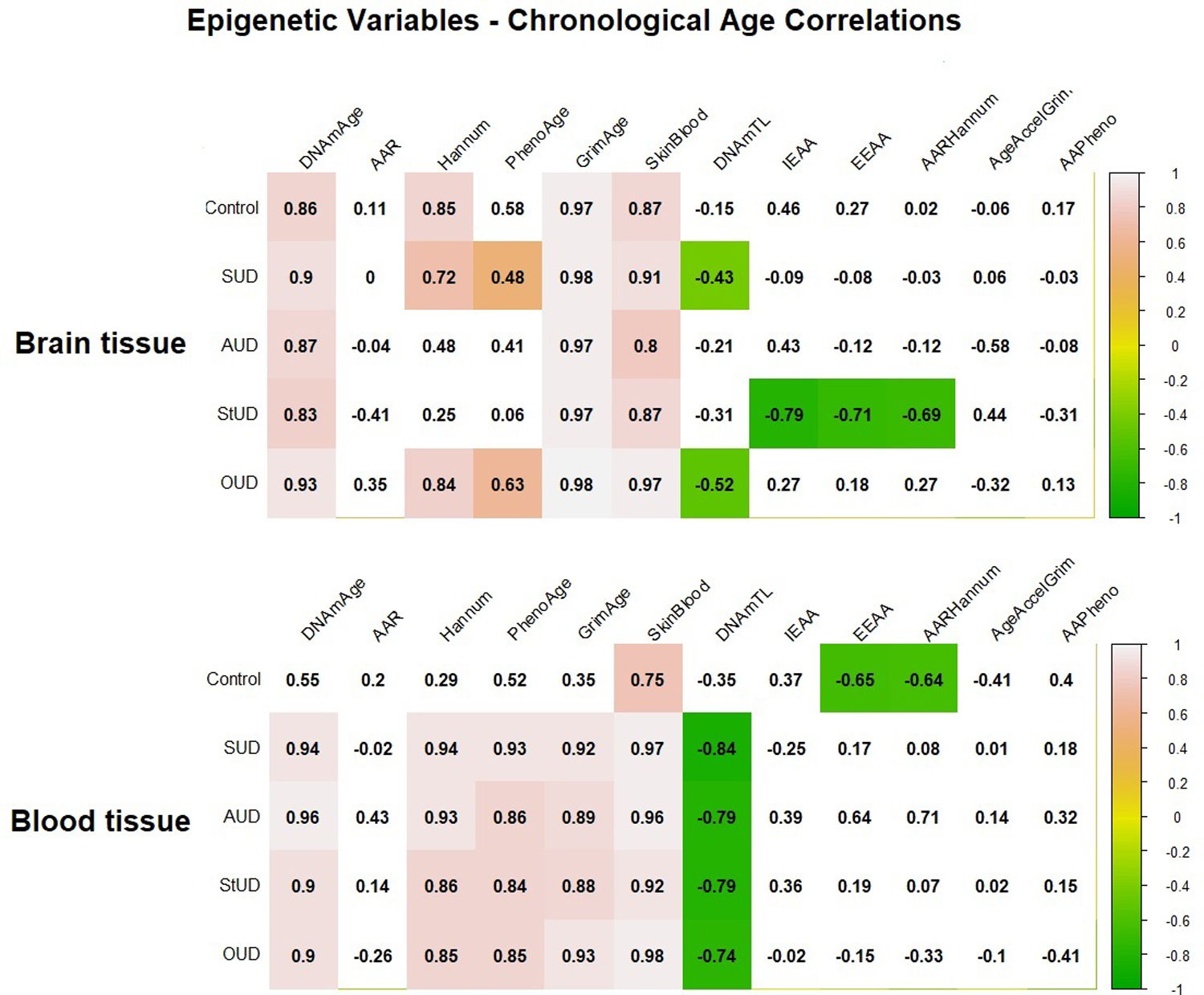
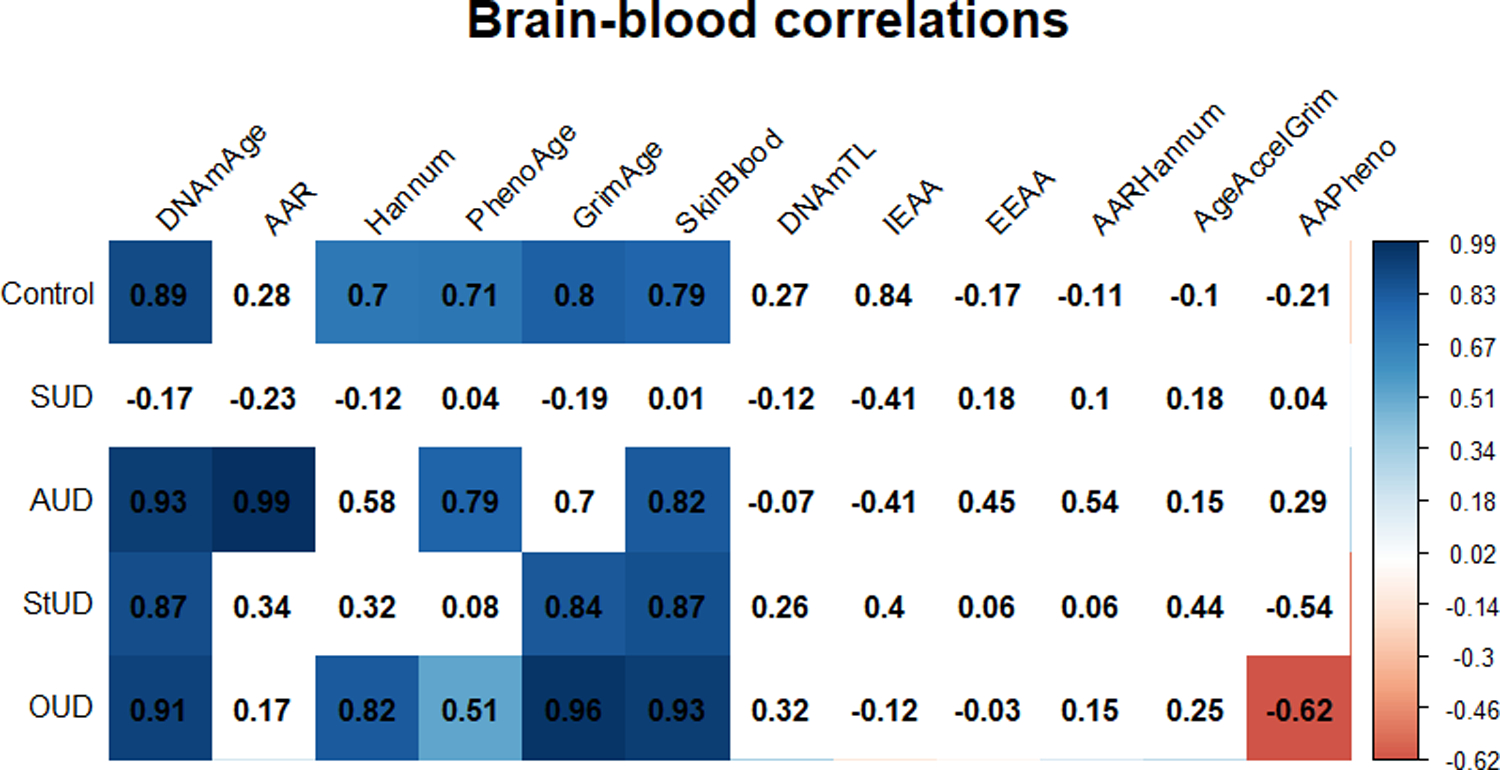
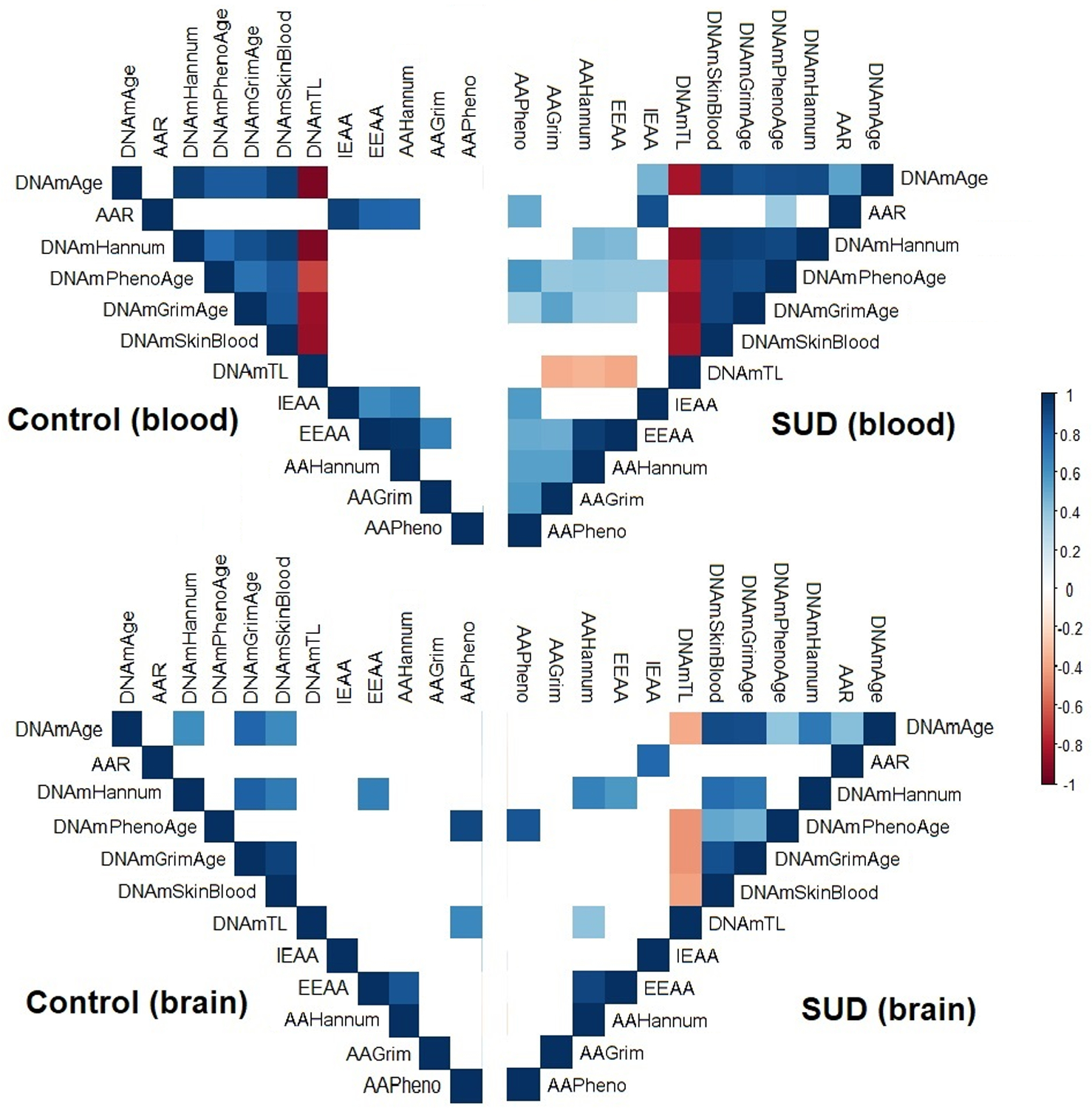
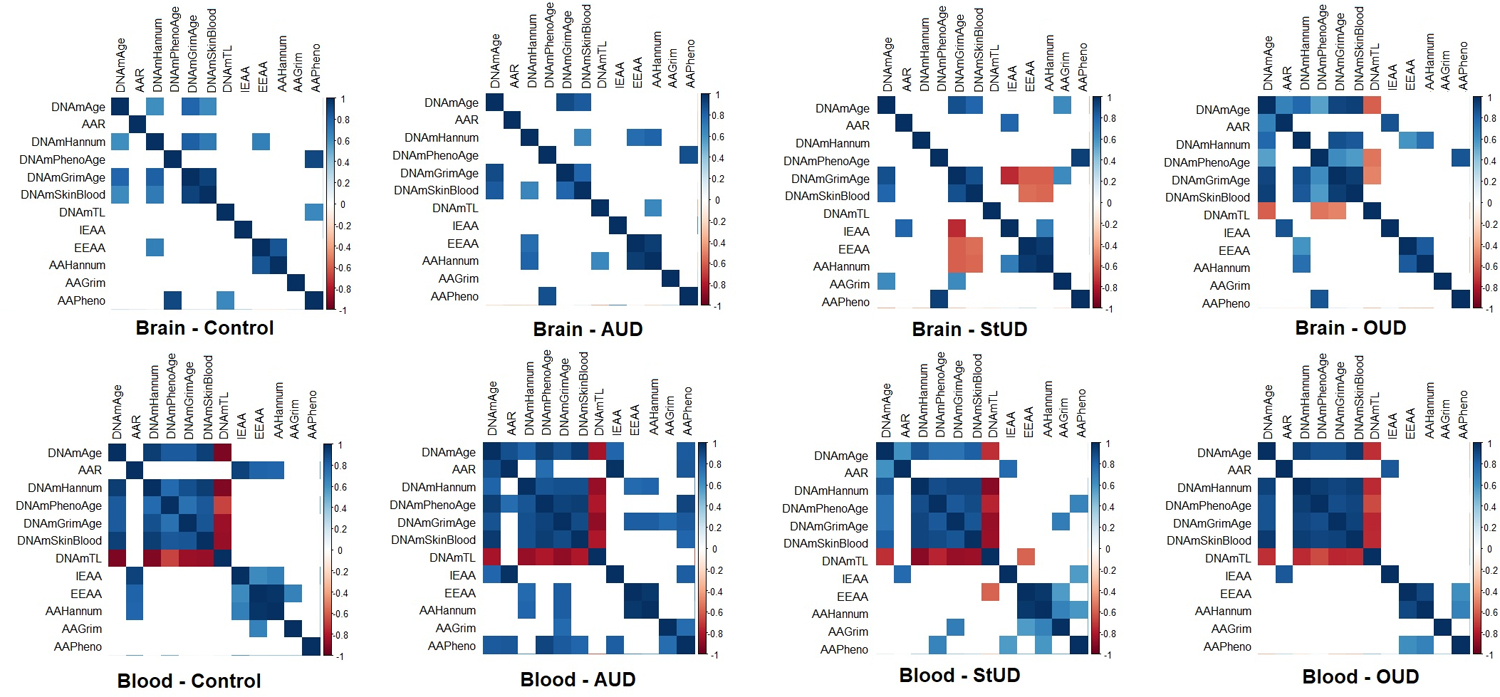
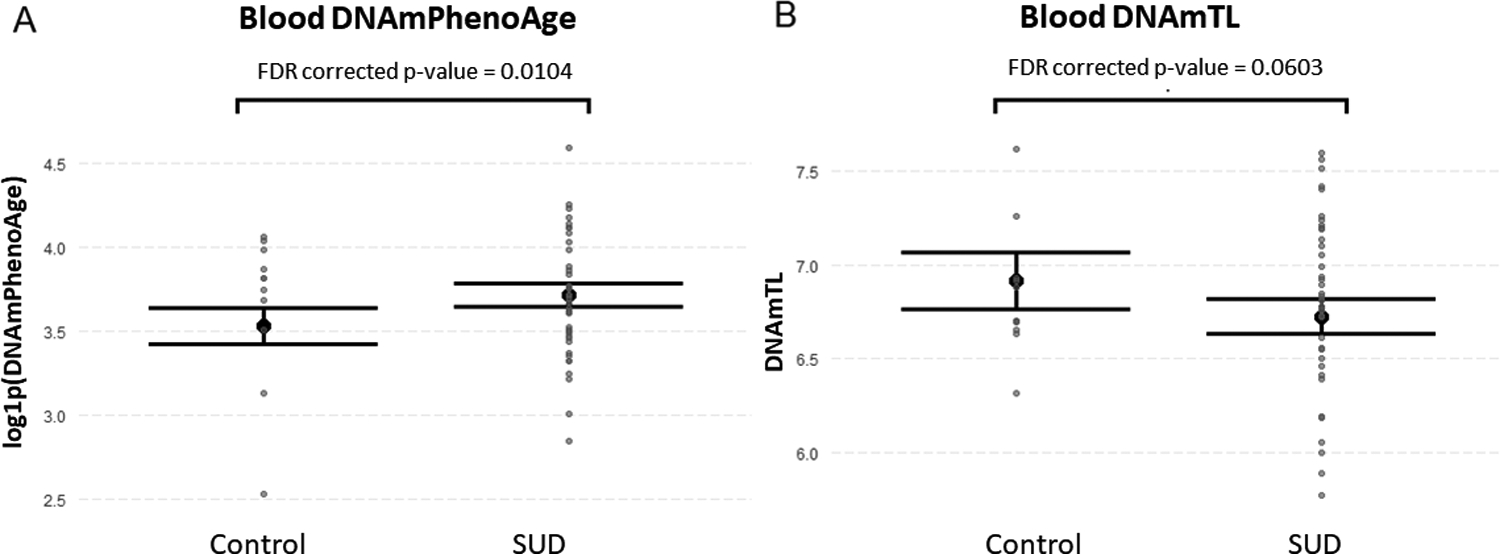
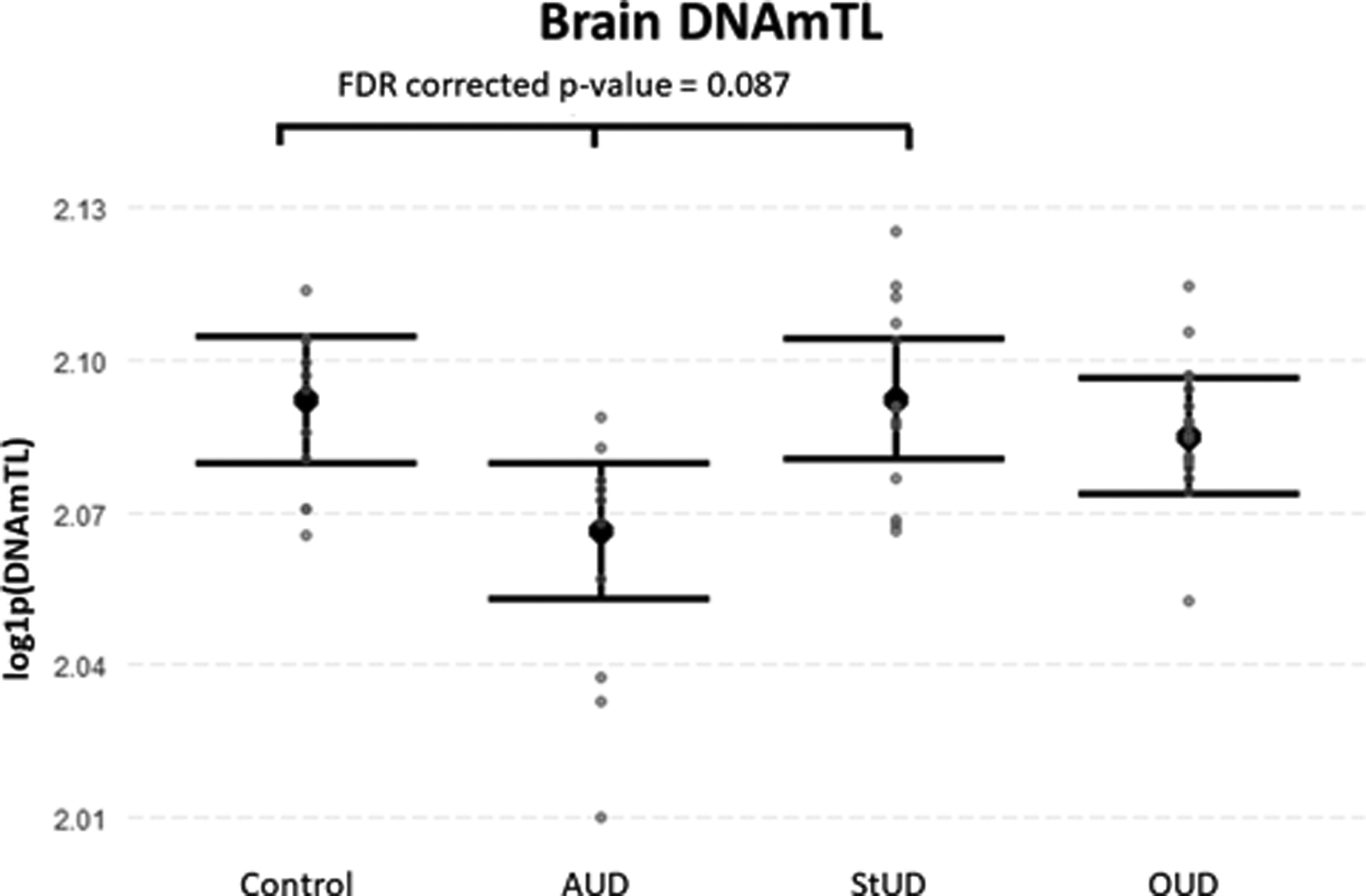
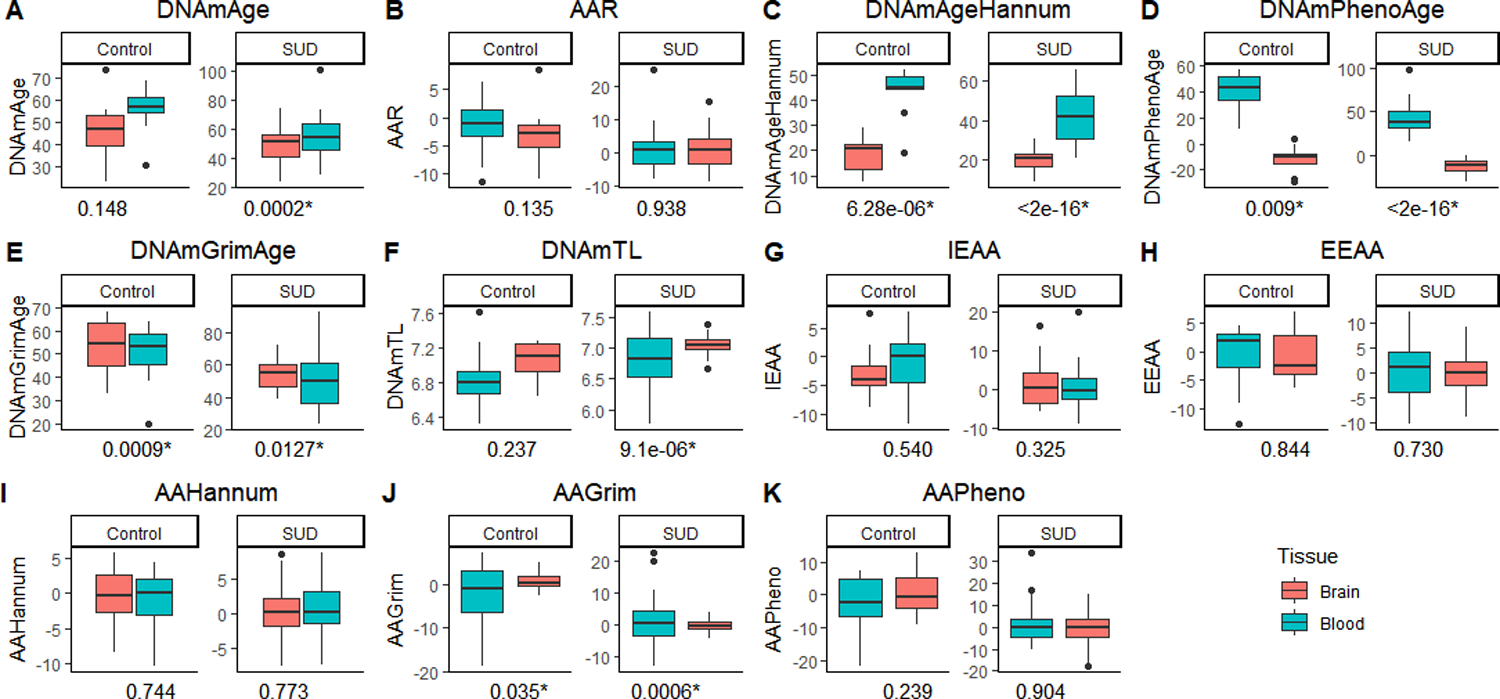
There is a possible accelerated biological aging in patients with substance use disorders (SUD). The evaluation of epigenetic clocks, which are accurate estimators of biological aging based on DNA methylation changes, has been limited to blood tissue in patients with SUD. Consequently, the impact of biological aging in the brain of individuals with SUD remains unknown. In this study, we evaluated multiple epigenetic clocks (DNAmAge, DNAmAgeHannum, DNAmAgeSkinBlood, DNAmPhenoAge, DNAmGrimAge, and DNAmTL) in individuals with SUD (n = 42), including alcohol (n = 10), opioid (n = 19), and stimulant use disorder (n = 13), and controls (n = 10) in postmortem brain (prefrontal cortex) and blood tissue obtained from the same individuals. We found a higher DNAmPhenoAge (β = 0.191, p-value = 0.0104) and a nominally lower DNAmTL (β = -0.149, p-value = 0.0603) in blood from individuals with SUD compared to controls. SUD subgroup analysis showed a nominally lower brain DNAmTL in subjects with alcohol use disorder, compared to stimulant use disorder and controls (β = 0.0150, p-value = 0.087). Cross-tissue analyzes indicated a lower blood DNAmTL and a higher blood DNAmAge compared to their respective brain values in the SUD group. This study highlights the relevance of tissue specificity in biological aging studies and suggests that peripheral measures of epigenetic clocks in SUD may depend on the specific type of drug used.
在物质使用障碍(SUD)患者中,可能存在加速的生物衰老。基于 DNA 甲基化变化来准确估计生物年龄的表观遗传时钟的评估仅限于 SUD 患者的血液组织。因此,SUD 个体大脑中生物衰老的影响尚不清楚。在这项研究中,我们评估了多个表观遗传时钟(DNAmAge、DNAmAgeHannum、DNAmAgeSkinBlood、DNAmPhenoAge、DNAmGrimAge 和 DNAmTL)在 SUD 患者(n=42)中的表现,包括酒精(n=10)、阿片类药物(n=19)和兴奋剂使用障碍(n=13),以及从同一个体获得的死后大脑(前额叶皮层)和血液组织中的对照组(n=10)。我们发现 SUD 患者血液中的 DNAmPhenoAge 更高(β=0.191,p 值=0.0104),DNAmTL 略低(β=-0.149,p 值=0.0603)与对照组相比。SUD 亚组分析显示,与兴奋剂使用障碍和对照组相比,酒精使用障碍患者大脑中的 DNAmTL 略低(β=0.0150,p 值=0.087)。组织间分析表明,与 SUD 组的相应脑值相比,血液中的 DNAmTL 较低,而血液中的 DNAmAge 较高。这项研究强调了生物衰老研究中组织特异性的相关性,并表明 SUD 中表观遗传时钟的外周测量可能取决于所使用的特定药物类型。