Department of Endocrinology and Metabolism, The Second Affiliated Hospital of Fujian Medical University, Quanzhou, China.
Neuroendocrinology Group, Garvan Institute of Medical Research, 384 Victoria Street, Darlinghurst, Sydney, NSW, 2010, Australia.
Cell Mol Biol Lett. 2022 Sep 4;27(1):72. doi: 10.1186/s11658-022-00371-3.
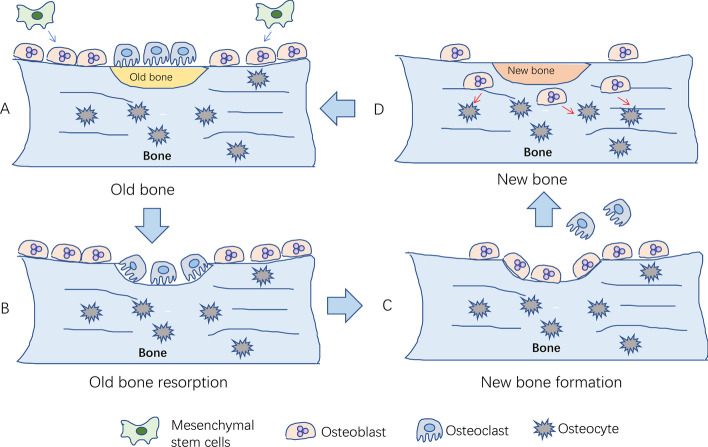
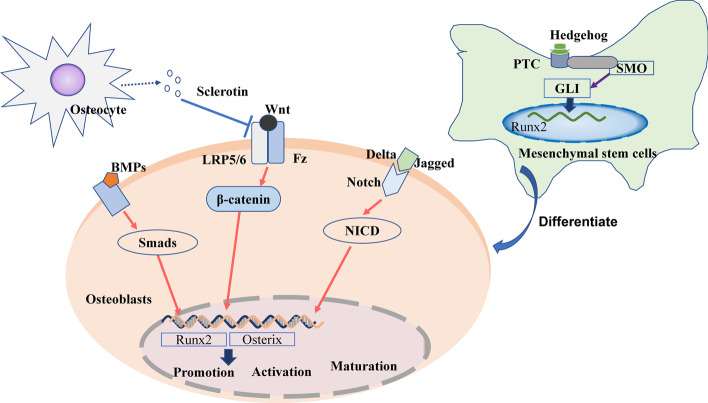
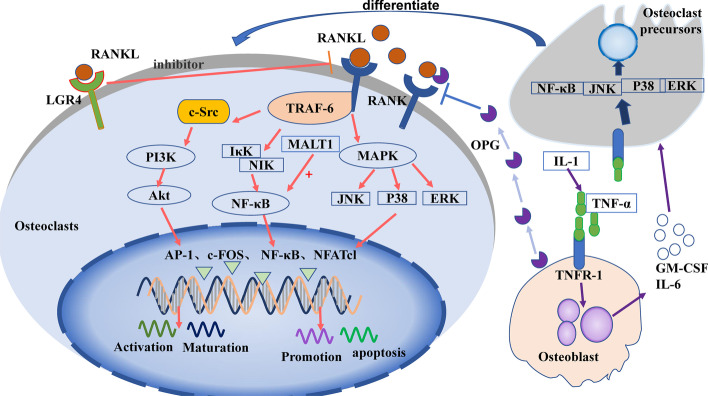
Osteoporotic fractures lead to increased disability and mortality in the elderly population. With the rapid increase in the aging population around the globe, more effective treatments for osteoporosis and osteoporotic fractures are urgently required. The underlying molecular mechanisms of osteoporosis are believed to be due to the increased activity of osteoclasts, decreased activity of osteoblasts, or both, which leads to an imbalance in the bone remodeling process with accelerated bone resorption and attenuated bone formation. Currently, the available clinical treatments for osteoporosis have mostly focused on factors influencing bone remodeling; however, they have their own limitations and side effects. Recently, cytokine immunotherapy, gene therapy, and stem cell therapy have become new approaches for the treatment of various diseases. This article reviews the latest research on bone remodeling mechanisms, as well as how this underpins current and potential novel treatments for osteoporosis.
骨质疏松性骨折会导致老年人群体的残疾和死亡率增加。随着全球老龄化人口的迅速增加,人们迫切需要更有效的骨质疏松症和骨质疏松性骨折治疗方法。骨质疏松症的潜在分子机制被认为是由于破骨细胞活性增加、成骨细胞活性降低或两者兼而有之,导致骨重建过程失衡,骨吸收加速,骨形成减弱。目前,临床上治疗骨质疏松症的方法主要集中在影响骨重塑的因素上,但它们都有各自的局限性和副作用。最近,细胞因子免疫疗法、基因疗法和干细胞疗法已成为治疗各种疾病的新方法。本文综述了骨重塑机制的最新研究进展,以及这些机制如何为骨质疏松症的现有和潜在新型治疗方法提供基础。