Moqurrab Syed Atif, Tariq Noshina, Anjum Adeel, Asheralieva Alia, Malik Saif U R, Malik Hassan, Pervaiz Haris, Gill Sukhpal Singh
Department of Computer Sciences, COMSATS University, Islamabad, Pakistan.
Department of Computer Science, Shaheed Zulfiqar Ali Bhutto Institute of Science and Technology, Islamabad, Pakistan.
Wirel Pers Commun. 2022;126(3):2379-2401. doi: 10.1007/s11277-021-09323-0. Epub 2022 Aug 30.
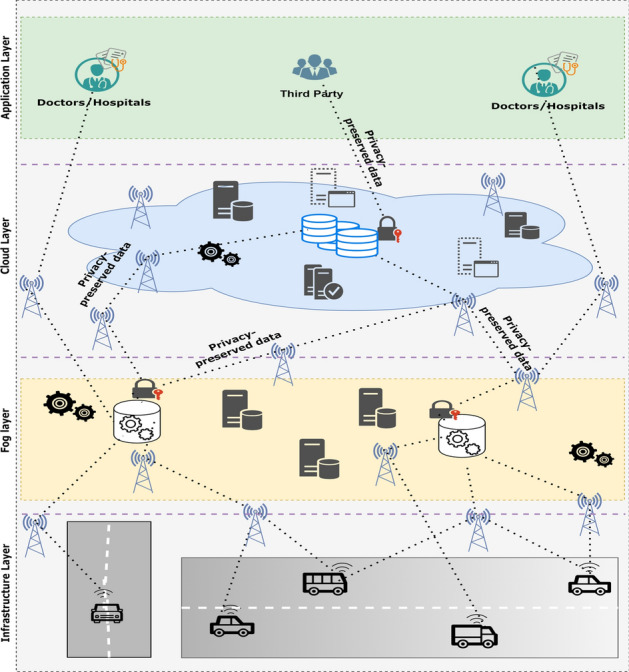
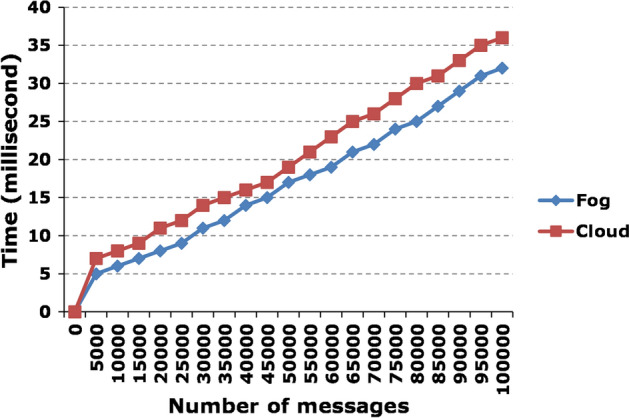
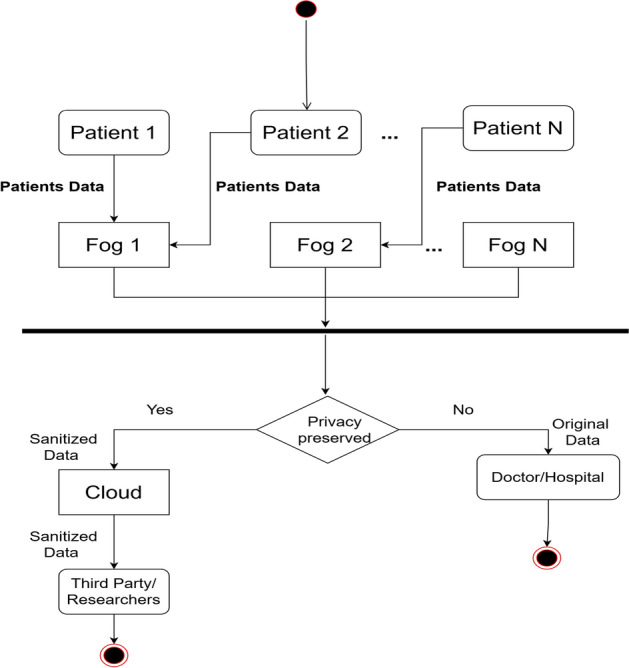
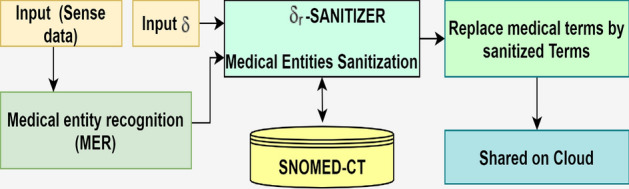
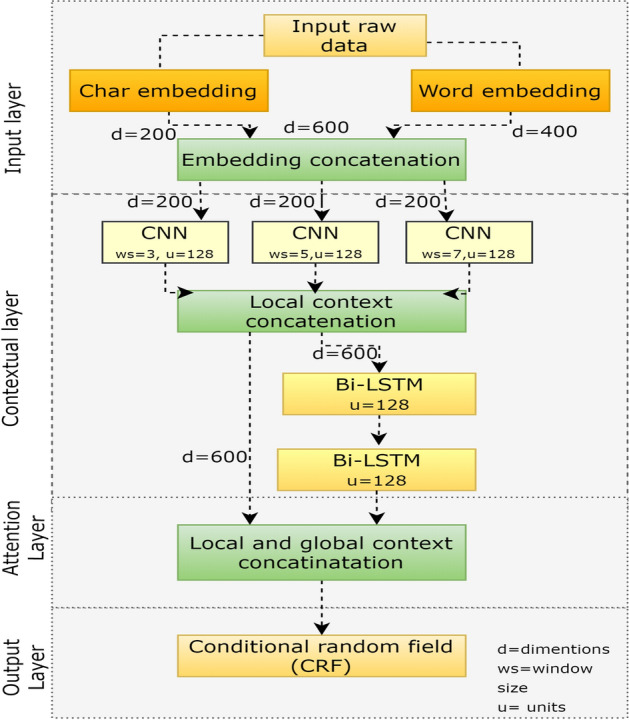
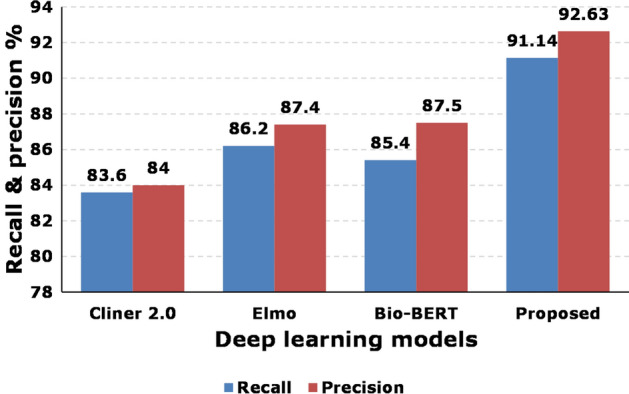
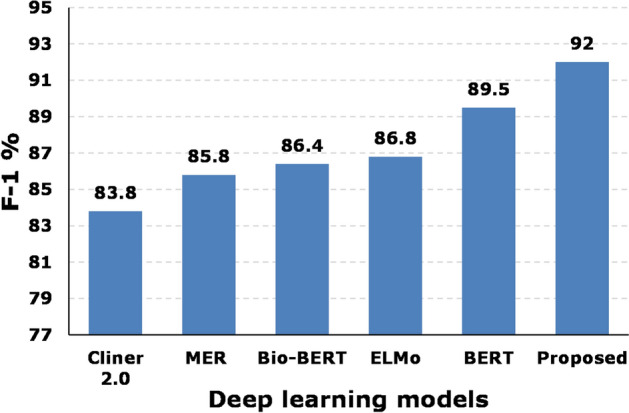
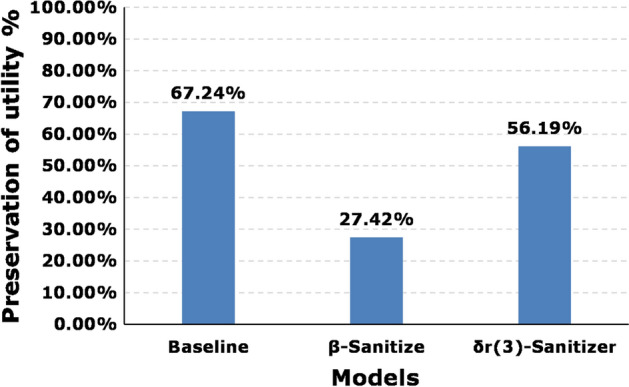
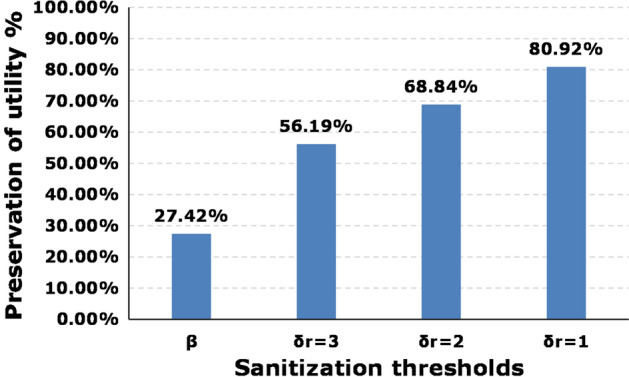
With the emergence of COVID-19, smart healthcare, the Internet of Medical Things, and big data-driven medical applications have become even more important. The biomedical data produced is highly confidential and private. Unfortunately, conventional health systems cannot support such a colossal amount of biomedical data. Hence, data is typically stored and shared through the cloud. The shared data is then used for different purposes, such as research and discovery of unprecedented facts. Typically, biomedical data appear in textual form (e.g., test reports, prescriptions, and diagnosis). Unfortunately, such data is prone to several security threats and attacks, for example, privacy and confidentiality breach. Although significant progress has been made on securing biomedical data, most existing approaches yield long delays and cannot accommodate real-time responses. This paper proposes a novel fog-enabled privacy-preserving model called , which uses deep learning to improve the healthcare system. The proposed model is based on a Convolutional Neural Network with Bidirectional-LSTM and effectively performs Medical Entity Recognition. The experimental results show that sanitizer outperforms the state-of-the-art models with 91.14% recall, 92.63% in precision, and 92% F1-score. The sanitization model shows 28.77% improved utility preservation as compared to the state-of-the-art.
随着新冠疫情的出现,智能医疗、医疗物联网以及大数据驱动的医疗应用变得愈发重要。所产生的生物医学数据具有高度的保密性和隐私性。不幸的是,传统的医疗系统无法支持如此海量的生物医学数据。因此,数据通常通过云端进行存储和共享。共享的数据随后被用于不同的目的,比如研究和发现前所未有的事实。通常,生物医学数据以文本形式出现(例如,测试报告、处方和诊断)。不幸的是,此类数据容易受到多种安全威胁和攻击,例如隐私和保密性的泄露。尽管在保护生物医学数据方面已经取得了重大进展,但大多数现有方法会导致长时间延迟,并且无法适应实时响应。本文提出了一种名为 的新型雾计算隐私保护模型,该模型利用深度学习来改进医疗系统。所提出的模型基于带有双向长短期记忆网络的卷积神经网络,并有效地执行医学实体识别。实验结果表明, 净化器的召回率为91.14%,精确率为92.63%,F1分数为92%,优于现有最先进的模型。与现有最先进的模型相比,净化模型的效用保留提高了28.77%。