• 文献检索
  • 文档翻译
  • 深度研究
  • 学术资讯
  • Suppr Zotero 插件Zotero 插件
  • 邀请有礼
  • 套餐&价格
  • 历史记录
应用&插件
Suppr Zotero 插件Zotero 插件浏览器插件Mac 客户端Windows 客户端微信小程序
定价
高级版会员购买积分包购买API积分包
服务
文献检索文档翻译深度研究API 文档MCP 服务
关于我们
关于 Suppr公司介绍联系我们用户协议隐私条款
关注我们

Suppr 超能文献

核心技术专利:CN118964589B侵权必究
粤ICP备2023148730 号-1Suppr @ 2026

文献检索

告别复杂PubMed语法,用中文像聊天一样搜索,搜遍4000万医学文献。AI智能推荐,让科研检索更轻松。

立即免费搜索

文件翻译

保留排版,准确专业,支持PDF/Word/PPT等文件格式,支持 12+语言互译。

免费翻译文档

深度研究

AI帮你快速写综述,25分钟生成高质量综述,智能提取关键信息,辅助科研写作。

立即免费体验

分类学、系统发育学以及(相关物种的)鉴定,重点关注嗜热物种。

Taxonomy, phylogeny and identification of with emphasis on thermophilic species.

作者信息

Wang X W, Han P J, Bai F Y, Luo A, Bensch K, Meijer M, B Kraak, Han D Y, Sun B D, Crous P W, Houbraken J

机构信息

State Key Laboratory of Mycology, Institute of Microbiology, Chinese Academy of Sciences, No. 3, 1st Beichen West Road, Chaoyang District, Beijing 100101, China.

Westerdijk Fungal Biodiversity Institute, Uppsalalaan 8, 3584 CT, Utrecht, the Netherlands.

出版信息

Stud Mycol. 2022 Jul;101:121-243. doi: 10.3114/sim.2022.101.03. Epub 2022 Apr 1.

DOI:10.3114/sim.2022.101.03
PMID:36059895
原文链接:https://pmc.ncbi.nlm.nih.gov/articles/PMC9365047/
Abstract

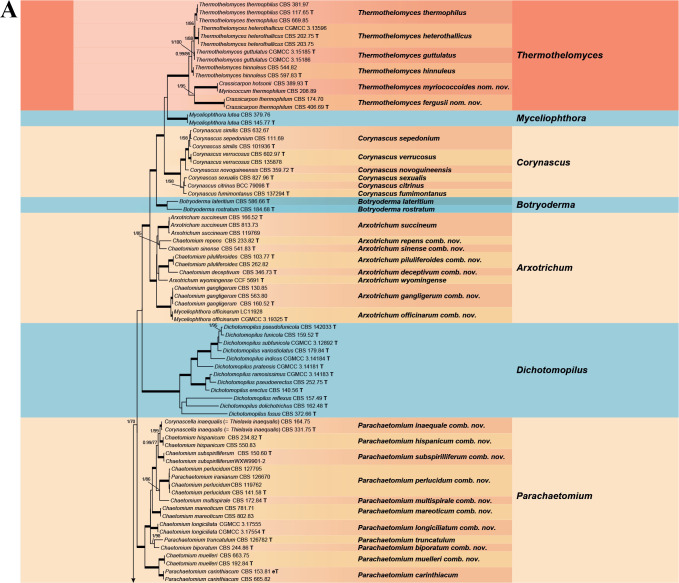
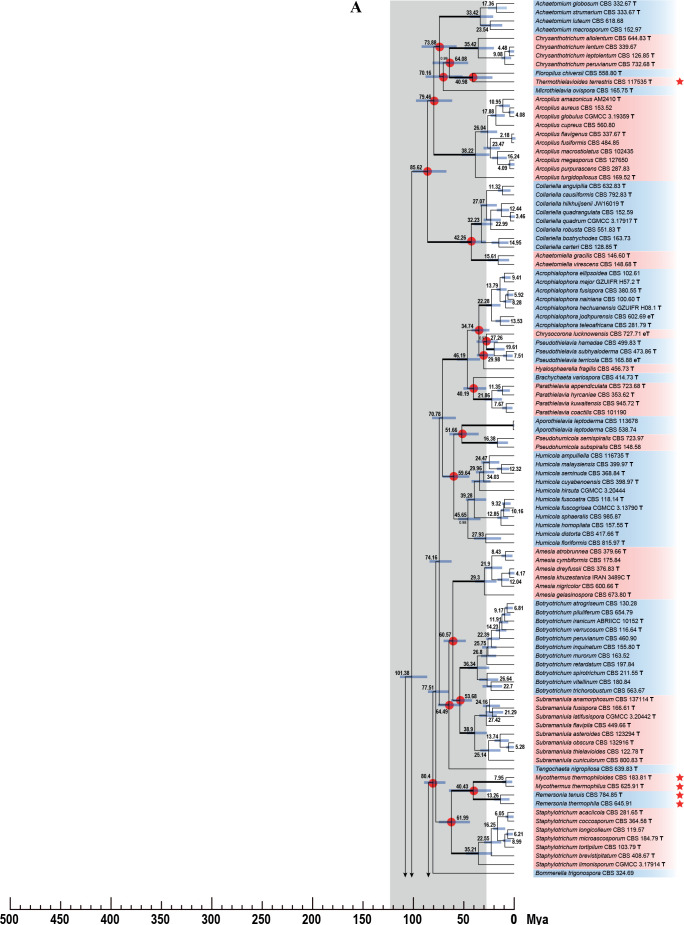
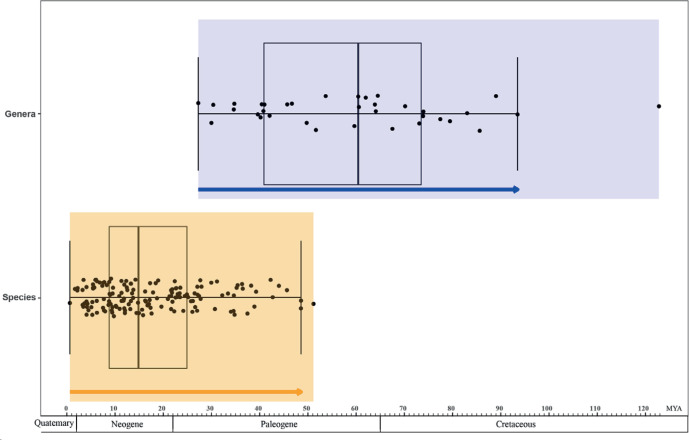
comprises phenotypically diverse species, which impact biotechnology, the indoor environment and human health. Recent studies showed that most of the traditionally defined genera in are highly polyphyletic. Many of these morphology-based genera, such as , and , have been redefined using multigene phylogenetic analysis combined with morphology; however, a comprehensive taxonomic overview of the family is lacking. In addition, the phylogenetic relationship of thermophilic species with non-thermophilic taxa in the family is largely unclear due to limited taxon sampling in previous studies. In this study, we provide an up-to-date overview on the taxonomy and phylogeny of genera and species belonging to , including an extensive taxon sampling of thermophiles. A multigene phylogenetic analysis based on the ITS (internal transcribed spacers 1 and 2 including the 5.8S nrDNA), LSU (D1/D2 domains of the 28S nrDNA), (partial RNA polymerase II second largest subunit gene) and (β-tubulin gene) sequences was performed on 345 strains representing and 58 strains of other families in . Divergence times based on the multi-gene phylogeny were estimated as aid to determine the genera in the family. Genera were delimited following the criteria that a genus must be a statistically well-supported monophyletic clade in both the multigene phylogeny and molecular dating analysis, fall within a divergence time of over 27 million years ago, and be supported by ecological preference or phenotypic traits. Based on the results of the phylogeny and molecular dating analyses, combined with morphological characters and temperature-growth characteristics, 50 genera and 275 species are accepted in . Among them, six new genera, six new species, 45 new combinations and three new names are proposed. The results demonstrate that the thermophilic species fall into seven genera (, , , ., ., and ). These genera cluster in six separate lineages, suggesting that thermophiles independently evolved at least six times within the family. A list of accepted genera and species in , together with information on their MycoBank numbers, living ex-type strains and GenBank accession numbers to ITS, LSU, and sequences is provided. Furthermore, we provide suggestions how to describe and identify species. X.Wei Wang & Houbraken X.Wei Wang, P.J. Han, F.Y. Bai & Houbraken, X.Wei Wang & Houbraken, X.Wei Wang & Houbraken, X.Wei Wang & Houbraken, X.Wei Wang & Houbraken; X.Wei Wang, P.J. Han & F.Y. Bai, Sergejeva ex X.Wei Wang & Houbraken, X.Wei Wang, P.J. Han & F.Y. Bai, X.Wei Wang, P.J. Han & F.Y. Bai, X.Wei Wang & Houbraken, X.Wei Wang, P.J. Han & F.Y. Bai; (Udagawa) Houbraken, X.Wei Wang, P.J. Han & F.Y. Bai (Cañete-Gibas ) Cañete-Gibas, Wiederhold, X.Wei Wang & Houbraken, (Arx) X.Wei Wang & Houbraken, (G. Malhotra & Mukerji) X.Wei Wang & Houbraken, (Stchigel ) X.Wei Wang & Houbraken, (Sörgel ex Seth) X.Wei Wang & Houbraken, (Udagawa & Y. Sugiy.) X.Wei Wang & Houbraken, (Malloch & Benny) X.Wei Wang & Houbraken, (L.M. Ames) X.Wei Wang & Houbraken, (M. Raza & L. Cai) X.Wei Wang & Houbraken, (Udagawa & Y. Horie) X.Wei Wang & Houbraken, (Guarro & Figueras) X.Wei Wang & Houbraken, (K.T. Chen) X.Wei Wang & Houbraken, (Udagawa & S. Ueda) X.Wei Wang & Houbraken, (A. Carter & R.S. Khan) X.Wei Wang & Houbraken, (Seth) X.Wei Wang & Houbraken, (A. Carter) X.Wei Wang & Houbraken, (L.M. Ames) X.Wei Wang & Houbraken, (A. Carter & Malloch) X.Wei Wang & Houbraken, (L.M. Ames) X.Wei Wang & Houbraken, (Udagawa & T. Muroi) X.Wei Wang & Houbraken, (Yu Zhang & L. Cai) X.Wei Wang & Houbraken, (Cano & Guarro) X.Wei Wang & Houbraken, (Guarro & Arx) X.Wei Wang & Houbraken, (Pidopl. ) X.Wei Wang & Houbraken, (Yu Zhang & L. Cai) X.Wei Wang & Houbraken, (Besada & Yusef) X.Wei Wang & Houbraken, (Arx) X.Wei Wang & Houbraken (A. Carter .) X.Wei Wang & Houbraken, (Sergejeva) X.Wei Wang & Houbraken, (Sergejeva) X.Wei Wang & Houbraken, (Nicot) X.Wei Wang & Houbraken, (X.Wei Wang & Samson) X.Wei Wang & Houbraken, (Abdullah & Al-Bader) X.Wei Wang & Houbraken, (X.Wei Wang .) X.Wei Wang, P.J. Han, F.Y. Bai & Houbraken, (X.Wei Wang ) X.Wei Wang, P.J. Han, F.Y. Bai & Houbraken, (Udagawa & Cain) X.Wei Wang, P.J. Han, F.Y. Bai & Houbraken, (Chivers) X.Wei Wang, P.J. Han, F.Y. Bai & Houbraken, (Hyang B. Lee & T.T.T. Nguyen) X.Wei Wang & Houbraken, (Z.F. Zhang & L. Cai) X.Wei Wang & Houbraken, (Yu Zhang & L. Cai) X.Wei Wang & Houbraken, (Tansey & M.A. Jack) X.Wei Wang & Houbraken, (Cooney & R. Emers.) X.Wei Wang & Houbraken, (La Touche) X.Wei Wang & Houbraken (Chivers) X.Wei Wang & Houbraken; X.Wei Wang & Houbraken, X.Wei Wang & Houbraken, X.Wei Wang & Houbraken; : Papendorf & H.P. Upadhyay, Sacc. & Marchal, Sörgel, Klopotek. Wang XW, Han PJ, Bai FY, Luo A, Bensch K, Meijer M, Kraak B, Han DY, Sun BD, Crous PW, Houbraken J (2022). Taxonomy, phylogeny and identification of with emphasis on thermophilic species. : 121-243. doi: 10.3114/sim.2022.101.03.

摘要

包含表型多样的物种,这些物种对生物技术、室内环境和人类健康都有影响。最近的研究表明,传统定义的大多数属都是高度多系的。其中许多基于形态学的属,如[具体属名1]、[具体属名2]和[具体属名3],已通过多基因系统发育分析结合形态学进行了重新定义;然而,该科缺乏全面的分类学概述。此外,由于先前研究中分类单元抽样有限,该科嗜热物种与非嗜热分类单元之间的系统发育关系在很大程度上尚不清楚。在本研究中,我们提供了关于[科名]所属属和物种的分类学和系统发育的最新概述,包括对嗜热菌的广泛分类单元抽样。基于ITS(内部转录间隔区1和2,包括5.8S nrDNA)、LSU(28S nrDNA的D1/D2结构域)、[具体基因名1](部分RNA聚合酶II第二大亚基基因)和[具体基因名2](β-微管蛋白基因)序列,对代表[科名]的345个菌株和该科其他科的58个菌株进行了多基因系统发育分析。基于多基因系统发育估计分歧时间,以帮助确定该科中的属。属的界定遵循以下标准:一个属必须在多基因系统发育和分子年代分析中都是统计学上得到充分支持的单系分支,其分歧时间超过2700万年前,并且得到生态偏好或表型特征的支持。根据系统发育和分子年代分析的结果,结合形态特征和温度生长特征,[科名]中认可了50个属和275个物种。其中,提出了6个新属、6个新物种、45个新组合和3个新名称。结果表明,嗜热物种分为7个属([属名1]、[属名2]、[属名3]、[属名4]、[属名5]、[属名6]和[属名7])。这些属聚集在6个独立的谱系中,表明嗜热菌在该科中至少独立进化了6次。提供了[科名]中认可的属和物种列表,以及它们的MycoBank编号、活的模式菌株信息和ITS、LSU、[具体基因名1]和[具体基因名2]序列的GenBank登录号。此外,我们提供了如何描述和鉴定[科名]物种的建议。 王X伟 & 侯布拉肯 王X伟、韩PJ、白FY & 侯布拉肯 王X伟 & 侯布拉肯 王X伟 & 侯布拉肯 王X伟 & 侯布拉肯 王X伟 & 侯布拉肯; 王X伟、韩PJ & 白FY, 谢尔盖耶娃 王X伟 & 侯布拉肯, 王X伟、韩PJ & 白FY, 王X伟 & 侯布拉肯, 王X伟、韩PJ & 白FY; (宇田川)侯布拉肯,王X伟、韩PJ & 白FY (卡涅特 - 吉巴斯)卡涅特 - 吉巴斯、维德霍尔德、王X伟 & 侯布拉肯, (阿克斯)王X伟 & 侯布拉肯, (G. 马尔霍特拉 & 穆克吉)王X伟 & 侯布拉肯, (施蒂格尔)王X伟 & 侯布拉肯, (索尔格尔 塞思)王X伟 & 侯布拉肯, (宇田川 & Y. 杉浦)王X伟 & 侯布拉肯, (马洛赫 & 本尼)王X伟 & 侯布拉肯, (L.M. 艾姆斯)王X伟 & 侯布拉肯, (M. 拉扎 & L. 蔡)王X伟 & 侯布拉肯, (宇田川 & Y. 堀江)王X伟 & 侯布拉肯, (瓜罗 & 菲格拉斯)王X伟 & 侯布拉肯, (K.T. 陈)王X伟 & 侯布拉肯, (宇田川 & S. 上田)王X伟 & 侯布拉肯, (A. 卡特 & R.S. 汗)王X伟 & 侯布拉肯, (塞思)王X伟 & 侯布拉肯, (A. 卡特)王X伟 & 侯布拉肯, (L.M. 艾姆斯)王X伟 & 侯布拉肯, (A. 卡特 & 马洛赫)王X伟 & 侯布拉肯, (L.M. 艾姆斯)王X伟 & 侯布拉肯, (宇田川 & T. 室井)王X伟 & 侯布拉肯, (张宇 & L. 蔡)王X伟 & 侯布拉肯, (卡诺 & 瓜罗)王X伟 & 侯布拉肯, (瓜罗 & 阿克斯)王X伟 & 侯布拉肯, (皮多普尔)王X伟 & 侯布拉肯, (张宇 & L. 蔡)王X伟 & 侯布拉肯, (贝萨达 & 优素福)王X伟 & 侯布拉肯, (阿克斯)王X伟 & 侯布拉肯 (A. 卡特)王X伟 & 侯布拉肯, (谢尔盖耶娃)王X伟 & 侯布拉肯, (谢尔盖耶娃)王X伟 & 侯布拉肯, (尼科)王X伟 & 侯布拉肯, (王X伟 & 萨姆森)王X伟 & 侯布拉肯, (阿卜杜拉 & 阿尔 - 巴德尔)王X伟 & 侯布拉肯, (王X伟)王X伟、韩PJ、白FY & 侯布拉肯, (王X伟)王X伟、韩PJ、白FY & 侯布拉肯, (宇田川 & 凯恩)王X伟、韩PJ、白FY & 侯布拉肯, (奇弗斯)王X伟、韩PJ、白FY & 侯布拉肯, (李湘B & T.T.T. 阮)王X伟 & 侯布拉肯, (张Z.F. & L. 蔡)王X伟 & 侯布拉肯, (张宇 & L. 蔡)王X伟 & 侯布拉肯, (坦西 & M.A. 杰克)王X伟 & 侯布拉肯, (库尼 & R. 埃默斯)王X伟 & 侯布拉肯, (拉托什)王X伟 & 侯布拉肯 (奇弗斯)王X伟 & 侯布拉肯; 王X伟 & 侯布拉肯, 王X伟 & 侯布拉肯, 王X伟 & 侯布拉肯; 帕彭多夫 & H.P. 乌帕德亚伊, 萨卡 & 马尔沙尔, 索尔格尔, 克洛波泰克。 王XW、韩PJ、白FY、罗A、本施K、梅杰M、克拉克B、韩DY、孙BD、克劳斯PW、侯布拉肯J(2022年)。[科名]的分类学、系统发育和鉴定,重点是嗜热物种。 [期刊名]:121 - 243。doi: 10.3114/sim.2022.101.03
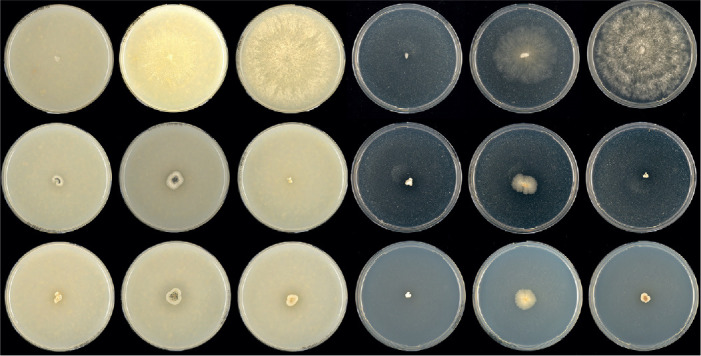
https://cdn.ncbi.nlm.nih.gov/pmc/blobs/a348/9365047/0de729ab2587/ima-101-3-g051.jpg
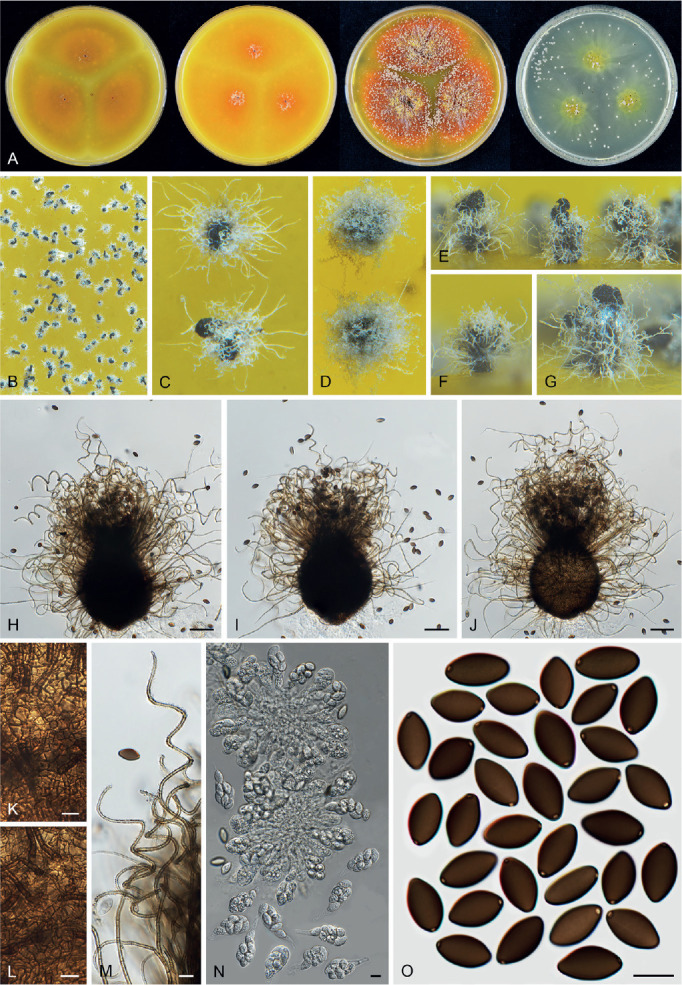
https://cdn.ncbi.nlm.nih.gov/pmc/blobs/a348/9365047/16c45adf8919/ima-101-3-g001.jpg
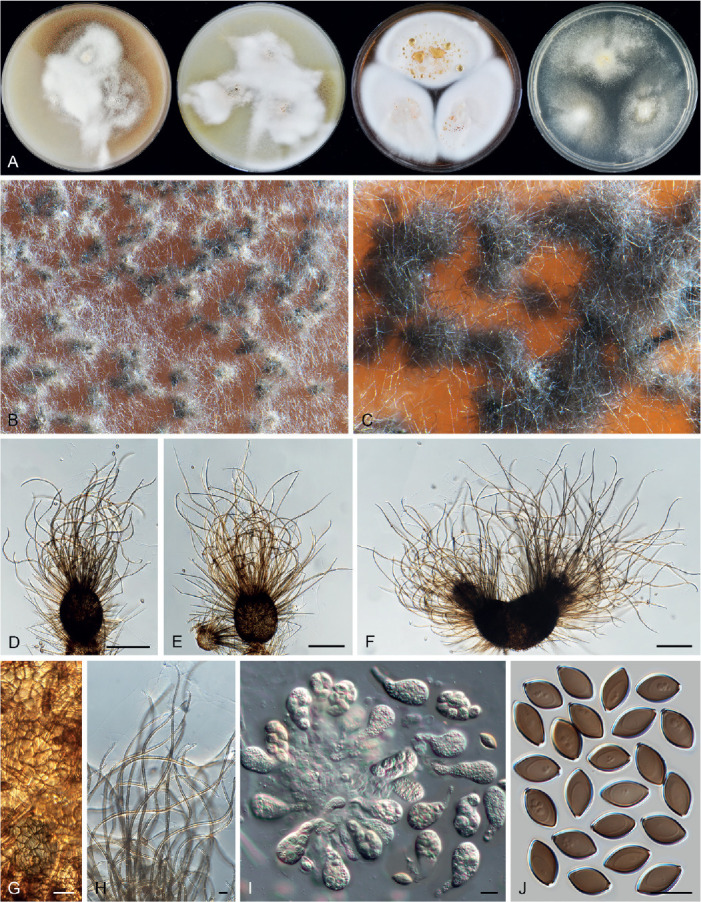
https://cdn.ncbi.nlm.nih.gov/pmc/blobs/a348/9365047/911947afe582/ima-101-3-g002.jpg
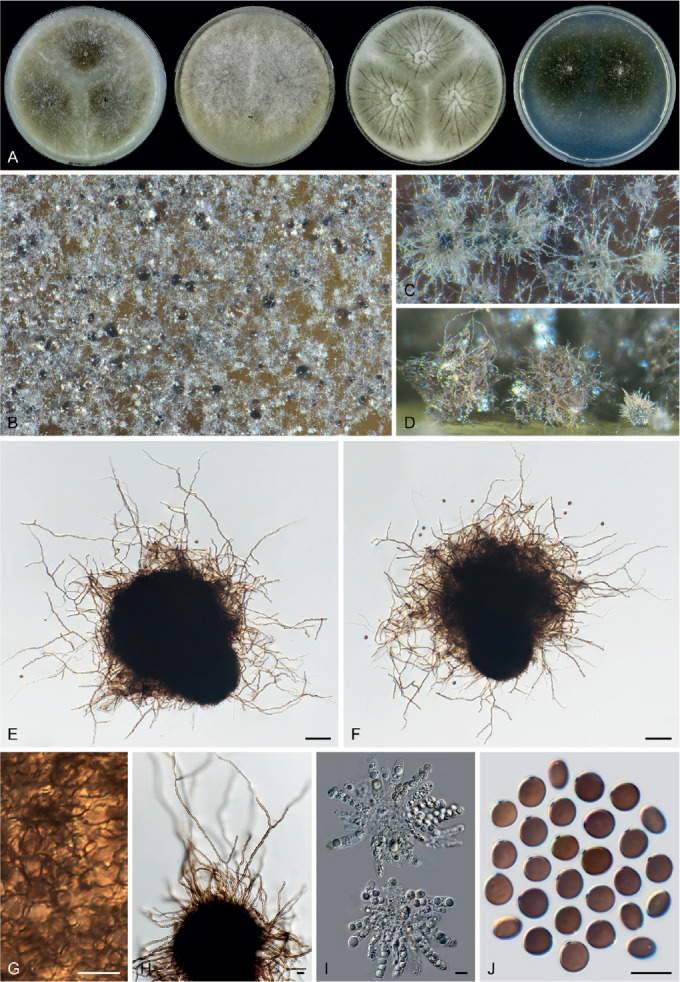
https://cdn.ncbi.nlm.nih.gov/pmc/blobs/a348/9365047/d37071d11c7f/ima-101-3-g003.jpg
https://cdn.ncbi.nlm.nih.gov/pmc/blobs/a348/9365047/c82375876b82/ima-101-3-g004.jpg
https://cdn.ncbi.nlm.nih.gov/pmc/blobs/a348/9365047/ac6c095e7ece/ima-101-3-g005.jpg
https://cdn.ncbi.nlm.nih.gov/pmc/blobs/a348/9365047/164bcc8d7c02/ima-101-3-g006.jpg
https://cdn.ncbi.nlm.nih.gov/pmc/blobs/a348/9365047/e05c0b311f22/ima-101-3-g007a.jpg
https://cdn.ncbi.nlm.nih.gov/pmc/blobs/a348/9365047/08fdedca65bd/ima-101-3-g008a.jpg
https://cdn.ncbi.nlm.nih.gov/pmc/blobs/a348/9365047/20e34510d57b/ima-101-3-g009.jpg
https://cdn.ncbi.nlm.nih.gov/pmc/blobs/a348/9365047/cea8449778dd/ima-101-3-g010.jpg
https://cdn.ncbi.nlm.nih.gov/pmc/blobs/a348/9365047/bfa18e3606ea/ima-101-3-g011.jpg
https://cdn.ncbi.nlm.nih.gov/pmc/blobs/a348/9365047/6caf9811081c/ima-101-3-g012.jpg
https://cdn.ncbi.nlm.nih.gov/pmc/blobs/a348/9365047/166fe2fcd126/ima-101-3-g013.jpg
https://cdn.ncbi.nlm.nih.gov/pmc/blobs/a348/9365047/93ecbb0df897/ima-101-3-g014.jpg
https://cdn.ncbi.nlm.nih.gov/pmc/blobs/a348/9365047/653f58179964/ima-101-3-g015.jpg
https://cdn.ncbi.nlm.nih.gov/pmc/blobs/a348/9365047/a8cf61e25aa9/ima-101-3-g016.jpg
https://cdn.ncbi.nlm.nih.gov/pmc/blobs/a348/9365047/d9ad1438a49d/ima-101-3-g017.jpg
https://cdn.ncbi.nlm.nih.gov/pmc/blobs/a348/9365047/11dcc56ffd29/ima-101-3-g018.jpg
https://cdn.ncbi.nlm.nih.gov/pmc/blobs/a348/9365047/9c19cf30b2dc/ima-101-3-g019.jpg
https://cdn.ncbi.nlm.nih.gov/pmc/blobs/a348/9365047/bc50db75fc87/ima-101-3-g020.jpg
https://cdn.ncbi.nlm.nih.gov/pmc/blobs/a348/9365047/c43167e2c1f1/ima-101-3-g021.jpg
https://cdn.ncbi.nlm.nih.gov/pmc/blobs/a348/9365047/56e560751b96/ima-101-3-g022.jpg
https://cdn.ncbi.nlm.nih.gov/pmc/blobs/a348/9365047/c01984a74bfb/ima-101-3-g023.jpg
https://cdn.ncbi.nlm.nih.gov/pmc/blobs/a348/9365047/1f6ba0c4c6e9/ima-101-3-g024.jpg
https://cdn.ncbi.nlm.nih.gov/pmc/blobs/a348/9365047/25e7a9246ec9/ima-101-3-g025.jpg
https://cdn.ncbi.nlm.nih.gov/pmc/blobs/a348/9365047/c00969a2d7a7/ima-101-3-g026.jpg
https://cdn.ncbi.nlm.nih.gov/pmc/blobs/a348/9365047/2bc64f2b987b/ima-101-3-g027.jpg
https://cdn.ncbi.nlm.nih.gov/pmc/blobs/a348/9365047/70f3362cd3cc/ima-101-3-g028.jpg
https://cdn.ncbi.nlm.nih.gov/pmc/blobs/a348/9365047/59f1df3a6daf/ima-101-3-g029.jpg
https://cdn.ncbi.nlm.nih.gov/pmc/blobs/a348/9365047/960d5038e0b9/ima-101-3-g030.jpg
https://cdn.ncbi.nlm.nih.gov/pmc/blobs/a348/9365047/8f8a6170605b/ima-101-3-g031.jpg
https://cdn.ncbi.nlm.nih.gov/pmc/blobs/a348/9365047/bf27e3e863b5/ima-101-3-g032.jpg
https://cdn.ncbi.nlm.nih.gov/pmc/blobs/a348/9365047/304681f79aa3/ima-101-3-g033.jpg
https://cdn.ncbi.nlm.nih.gov/pmc/blobs/a348/9365047/96d6fb95386c/ima-101-3-g034.jpg
https://cdn.ncbi.nlm.nih.gov/pmc/blobs/a348/9365047/7a05f27608b6/ima-101-3-g035.jpg
https://cdn.ncbi.nlm.nih.gov/pmc/blobs/a348/9365047/b59a4d965ab1/ima-101-3-g037.jpg
https://cdn.ncbi.nlm.nih.gov/pmc/blobs/a348/9365047/3de00502dbad/ima-101-3-g038.jpg
https://cdn.ncbi.nlm.nih.gov/pmc/blobs/a348/9365047/44def470e328/ima-101-3-g039.jpg
https://cdn.ncbi.nlm.nih.gov/pmc/blobs/a348/9365047/9899212bcede/ima-101-3-g041.jpg
https://cdn.ncbi.nlm.nih.gov/pmc/blobs/a348/9365047/2ea954f43ecf/ima-101-3-g042.jpg
https://cdn.ncbi.nlm.nih.gov/pmc/blobs/a348/9365047/84dd9dd40260/ima-101-3-g043.jpg
https://cdn.ncbi.nlm.nih.gov/pmc/blobs/a348/9365047/dffa8347e104/ima-101-3-g044.jpg
https://cdn.ncbi.nlm.nih.gov/pmc/blobs/a348/9365047/81a1cf8e8545/ima-101-3-g045.jpg
https://cdn.ncbi.nlm.nih.gov/pmc/blobs/a348/9365047/54c0fe9b58a5/ima-101-3-g047.jpg
https://cdn.ncbi.nlm.nih.gov/pmc/blobs/a348/9365047/cafcb22fbf3a/ima-101-3-g049.jpg
https://cdn.ncbi.nlm.nih.gov/pmc/blobs/a348/9365047/0de729ab2587/ima-101-3-g051.jpg
https://cdn.ncbi.nlm.nih.gov/pmc/blobs/a348/9365047/16c45adf8919/ima-101-3-g001.jpg
https://cdn.ncbi.nlm.nih.gov/pmc/blobs/a348/9365047/911947afe582/ima-101-3-g002.jpg
https://cdn.ncbi.nlm.nih.gov/pmc/blobs/a348/9365047/d37071d11c7f/ima-101-3-g003.jpg
https://cdn.ncbi.nlm.nih.gov/pmc/blobs/a348/9365047/c82375876b82/ima-101-3-g004.jpg
https://cdn.ncbi.nlm.nih.gov/pmc/blobs/a348/9365047/ac6c095e7ece/ima-101-3-g005.jpg
https://cdn.ncbi.nlm.nih.gov/pmc/blobs/a348/9365047/164bcc8d7c02/ima-101-3-g006.jpg
https://cdn.ncbi.nlm.nih.gov/pmc/blobs/a348/9365047/e05c0b311f22/ima-101-3-g007a.jpg
https://cdn.ncbi.nlm.nih.gov/pmc/blobs/a348/9365047/08fdedca65bd/ima-101-3-g008a.jpg
https://cdn.ncbi.nlm.nih.gov/pmc/blobs/a348/9365047/20e34510d57b/ima-101-3-g009.jpg
https://cdn.ncbi.nlm.nih.gov/pmc/blobs/a348/9365047/cea8449778dd/ima-101-3-g010.jpg
https://cdn.ncbi.nlm.nih.gov/pmc/blobs/a348/9365047/bfa18e3606ea/ima-101-3-g011.jpg
https://cdn.ncbi.nlm.nih.gov/pmc/blobs/a348/9365047/6caf9811081c/ima-101-3-g012.jpg
https://cdn.ncbi.nlm.nih.gov/pmc/blobs/a348/9365047/166fe2fcd126/ima-101-3-g013.jpg
https://cdn.ncbi.nlm.nih.gov/pmc/blobs/a348/9365047/93ecbb0df897/ima-101-3-g014.jpg
https://cdn.ncbi.nlm.nih.gov/pmc/blobs/a348/9365047/653f58179964/ima-101-3-g015.jpg
https://cdn.ncbi.nlm.nih.gov/pmc/blobs/a348/9365047/a8cf61e25aa9/ima-101-3-g016.jpg
https://cdn.ncbi.nlm.nih.gov/pmc/blobs/a348/9365047/d9ad1438a49d/ima-101-3-g017.jpg
https://cdn.ncbi.nlm.nih.gov/pmc/blobs/a348/9365047/11dcc56ffd29/ima-101-3-g018.jpg
https://cdn.ncbi.nlm.nih.gov/pmc/blobs/a348/9365047/9c19cf30b2dc/ima-101-3-g019.jpg
https://cdn.ncbi.nlm.nih.gov/pmc/blobs/a348/9365047/bc50db75fc87/ima-101-3-g020.jpg
https://cdn.ncbi.nlm.nih.gov/pmc/blobs/a348/9365047/c43167e2c1f1/ima-101-3-g021.jpg
https://cdn.ncbi.nlm.nih.gov/pmc/blobs/a348/9365047/56e560751b96/ima-101-3-g022.jpg
https://cdn.ncbi.nlm.nih.gov/pmc/blobs/a348/9365047/c01984a74bfb/ima-101-3-g023.jpg
https://cdn.ncbi.nlm.nih.gov/pmc/blobs/a348/9365047/1f6ba0c4c6e9/ima-101-3-g024.jpg
https://cdn.ncbi.nlm.nih.gov/pmc/blobs/a348/9365047/25e7a9246ec9/ima-101-3-g025.jpg
https://cdn.ncbi.nlm.nih.gov/pmc/blobs/a348/9365047/c00969a2d7a7/ima-101-3-g026.jpg
https://cdn.ncbi.nlm.nih.gov/pmc/blobs/a348/9365047/2bc64f2b987b/ima-101-3-g027.jpg
https://cdn.ncbi.nlm.nih.gov/pmc/blobs/a348/9365047/70f3362cd3cc/ima-101-3-g028.jpg
https://cdn.ncbi.nlm.nih.gov/pmc/blobs/a348/9365047/59f1df3a6daf/ima-101-3-g029.jpg
https://cdn.ncbi.nlm.nih.gov/pmc/blobs/a348/9365047/960d5038e0b9/ima-101-3-g030.jpg
https://cdn.ncbi.nlm.nih.gov/pmc/blobs/a348/9365047/8f8a6170605b/ima-101-3-g031.jpg
https://cdn.ncbi.nlm.nih.gov/pmc/blobs/a348/9365047/bf27e3e863b5/ima-101-3-g032.jpg
https://cdn.ncbi.nlm.nih.gov/pmc/blobs/a348/9365047/304681f79aa3/ima-101-3-g033.jpg
https://cdn.ncbi.nlm.nih.gov/pmc/blobs/a348/9365047/96d6fb95386c/ima-101-3-g034.jpg
https://cdn.ncbi.nlm.nih.gov/pmc/blobs/a348/9365047/7a05f27608b6/ima-101-3-g035.jpg
https://cdn.ncbi.nlm.nih.gov/pmc/blobs/a348/9365047/b59a4d965ab1/ima-101-3-g037.jpg
https://cdn.ncbi.nlm.nih.gov/pmc/blobs/a348/9365047/3de00502dbad/ima-101-3-g038.jpg
https://cdn.ncbi.nlm.nih.gov/pmc/blobs/a348/9365047/44def470e328/ima-101-3-g039.jpg
https://cdn.ncbi.nlm.nih.gov/pmc/blobs/a348/9365047/9899212bcede/ima-101-3-g041.jpg
https://cdn.ncbi.nlm.nih.gov/pmc/blobs/a348/9365047/2ea954f43ecf/ima-101-3-g042.jpg
https://cdn.ncbi.nlm.nih.gov/pmc/blobs/a348/9365047/84dd9dd40260/ima-101-3-g043.jpg
https://cdn.ncbi.nlm.nih.gov/pmc/blobs/a348/9365047/dffa8347e104/ima-101-3-g044.jpg
https://cdn.ncbi.nlm.nih.gov/pmc/blobs/a348/9365047/81a1cf8e8545/ima-101-3-g045.jpg
https://cdn.ncbi.nlm.nih.gov/pmc/blobs/a348/9365047/54c0fe9b58a5/ima-101-3-g047.jpg
https://cdn.ncbi.nlm.nih.gov/pmc/blobs/a348/9365047/cafcb22fbf3a/ima-101-3-g049.jpg
https://cdn.ncbi.nlm.nih.gov/pmc/blobs/a348/9365047/0de729ab2587/ima-101-3-g051.jpg

相似文献

1
Taxonomy, phylogeny and identification of with emphasis on thermophilic species.分类学、系统发育学以及(相关物种的)鉴定,重点关注嗜热物种。
Stud Mycol. 2022 Jul;101:121-243. doi: 10.3114/sim.2022.101.03. Epub 2022 Apr 1.
2
Diversity and taxonomy of and chaetomium-like fungi from indoor environments.室内环境中曲霉属和类毛壳菌的多样性与分类学
Stud Mycol. 2016 Jun;84:145-224. doi: 10.1016/j.simyco.2016.11.005. Epub 2016 Dec 8.
3
Redefining and related genera in the .在……中重新定义及相关属。 (原文不完整,翻译可能不太准确,需结合完整内容进一步完善)
Stud Mycol. 2019 Jun;93:65-153. doi: 10.1016/j.simyco.2018.07.001. Epub 2018 Aug 7.
4
Phylogenetic re-evaluation of with the introduction of a new family .随着一个新科的引入对……进行系统发育重新评估。 (注:原文中“Phylogenetic re-evaluation of ”后面似乎缺少具体内容)
Stud Mycol. 2019 Aug 21;93:155-252. doi: 10.1016/j.simyco.2019.08.002. eCollection 2019 Jun.
5
Towards an integrated phylogenetic classification of the Tremellomycetes.迈向银耳纲的综合系统发育分类
Stud Mycol. 2015 Jun;81:85-147. doi: 10.1016/j.simyco.2015.12.001. Epub 2016 Jan 8.
6
Diversity and phylogeny of basidiomycetous yeasts from plant leaves and soil: Proposal of two new orders, three new families, eight new genera and one hundred and seven new species.来自植物叶片和土壤的担子菌酵母的多样性与系统发育:两个新目、三个新科、八个新属及一百零七个新种的提议
Stud Mycol. 2020 Jan 28;96:17-140. doi: 10.1016/j.simyco.2020.01.002. eCollection 2020 Jun.
7
Redisposition of acremonium-like fungi in .类枝顶孢霉在……中的重新分布
Stud Mycol. 2023 Jun;105:23-203. doi: 10.3114/sim.2023.105.02. Epub 2023 Jun 2.
8
Classification of , , and related genera (): An overview of families, genera, subgenera, sections, series and species.[具体属名]、[具体属名]、[具体属名]及相关属的分类([具体分类级别]):科、属、亚属、组、系及物种概述
Stud Mycol. 2020 Jun 27;95:5-169. doi: 10.1016/j.simyco.2020.05.002. eCollection 2020 Mar.
9
Phylogenetic classification of yeasts and related taxa within Pucciniomycotina.担子菌亚门中酵母及相关分类单元的系统发育分类
Stud Mycol. 2015 Jun;81:149-89. doi: 10.1016/j.simyco.2015.12.002. Epub 2016 Jan 11.
10
Genera of phytopathogenic fungi: GOPHY 4.植物病原真菌属:GOPHY 4。
Stud Mycol. 2022 Jul;101:417-564. doi: 10.3114/sim.2022.101.06. Epub 2022 Jun 2.

引用本文的文献

1
Soil ascomycetes from Spain. XIV. The of La Palma (Canary Islands).来自西班牙的土壤子囊菌。十四。拉帕尔马岛(加那利群岛)的[此处原文不完整,缺少具体内容]
Persoonia. 2025 Jun;54:93-117. doi: 10.3114/persoonia.2025.54.03. Epub 2025 May 14.
2
Fungal Planet description sheets: 1781-1866.真菌星球描述表:1781 - 1866年
Persoonia. 2025 Jun;54:327-587. doi: 10.3114/persoonia.2025.54.10. Epub 2025 Jul 8.
3
How to Assess Fungal Contamination of Indoor Air in Dwellings of Patients with Cystic Fibrosis?如何评估囊性纤维化患者住所内的室内空气真菌污染情况?

本文引用的文献

1
: more than a node or a foot-shaped basal cell.不仅仅是一个结节或足形基底细胞。
Stud Mycol. 2021 Aug 17;98:100116. doi: 10.1016/j.simyco.2021.100116. eCollection 2021 Apr.
2
Pseudocanariomyces americanus, gen. nov., sp. nov., A New Thielavia-Like Species in the Chaetomiaceae: Identification and Management of a Prosthetic Hip Infection.拟卡纳里omyces 美洲,新属,新种,在毛壳菌科中的一个类似于帚霉属的新种:一种人工髋关节感染的鉴定和管理。
Mycopathologia. 2021 Jun;186(3):441-447. doi: 10.1007/s11046-021-00555-z. Epub 2021 May 19.
3
sp. nov., a new hyphomycete (Chaetomiaceae) from China.
Mycopathologia. 2025 Jul 6;190(4):62. doi: 10.1007/s11046-025-00968-0.
4
Diversity of culturable fungi in six Tibetan Plateau lakes, with descriptions of eight new taxa.青藏高原六个湖泊中可培养真菌的多样性及八个新分类单元的描述
Mycology. 2024 Apr 24;16(2):670-689. doi: 10.1080/21501203.2024.2333300. eCollection 2025.
5
 gen. et sp. nov. (Hypocreales, Bionectriaceae) and sp. nov. (Phaeosphaeriaceae, ) isolated from urban soil in China.来自中国城市土壤中分离得到的新属新种(肉座菌目,丽赤壳科)和新种(球腔菌科, )
MycoKeys. 2025 Apr 29;116:327-344. doi: 10.3897/mycokeys.116.146683. eCollection 2025.
6
Bulbillosins A - E, azaphilones from sp. nov. (), a root endophyte of the Chinese medicinal plant .球花菌素A - E,来自新种()的氮杂蒽酮类化合物,一种中国药用植物的根内生菌。 (注:原文中“sp. nov. ()”括号部分内容缺失,翻译可能不太完整准确)
IMA Fungus. 2025 Feb 17;16:e141036. doi: 10.3897/imafungus.16.141036. eCollection 2025.
7
New Species of Ascomycetes from Two Hypersaline Endorheic Lagoon Complexes in Zaragoza Province (Aragon Community, Spain).来自西班牙阿拉贡自治区萨拉戈萨省两个高盐内陆泻湖复合体的子囊菌新物种。
J Fungi (Basel). 2025 Feb 12;11(2):139. doi: 10.3390/jof11020139.
8
Descriptions of 19 Unrecorded Species Belonging to in Korea.韩国19种未记录物种的描述。 (注:原文中“Belonging to”后面似乎缺少具体内容)
Mycobiology. 2024 Dec 3;52(6):405-438. doi: 10.1080/12298093.2024.2426840. eCollection 2024.
9
Three New Species and Five New Host Records from with Anti-Phytopathogenic Potential from Cover Crops and .来自覆盖作物和……的具有抗植物病原潜力的三个新物种及五个新宿主记录
J Fungi (Basel). 2024 Nov 8;10(11):776. doi: 10.3390/jof10110776.
10
Agricultural practices influence soil microbiome assembly and interactions at different depths identified by machine learning.农业实践通过机器学习确定了不同深度土壤微生物组的组装和相互作用。
Commun Biol. 2024 Oct 18;7(1):1349. doi: 10.1038/s42003-024-07059-8.
新种,一种来自中国的新丝孢菌(毛壳菌科)。
Int J Syst Evol Microbiol. 2019 Jun;71(3). doi: 10.1099/ijsem.0.004747. Epub 2021 Mar 10.
4
Phylogenetic re-evaluation of with the introduction of a new family .随着一个新科的引入对……进行系统发育重新评估。 (注:原文中“Phylogenetic re-evaluation of ”后面似乎缺少具体内容)
Stud Mycol. 2019 Aug 21;93:155-252. doi: 10.1016/j.simyco.2019.08.002. eCollection 2019 Jun.
5
Fungal Planet description sheets: 868-950.《真菌星球》描述单:868 - 950。
Persoonia. 2019 Jun;42:291-473. doi: 10.3767/persoonia.2019.42.11. Epub 2019 Jul 19.
6
Molecular Dating of the Emergence of Anaerobic Rumen Fungi and the Impact of Laterally Acquired Genes.厌氧瘤胃真菌出现的分子年代测定及横向获得基因的影响
mSystems. 2019 Aug 27;4(4):e00247-19. doi: 10.1128/mSystems.00247-19.
7
A Robust Phylogenomic Time Tree for Biotechnologically and Medically Important Fungi in the Genera and .具有生物技术和医学重要性的 和 属真菌的稳健系统基因组时间树。
mBio. 2019 Jul 9;10(4):e00925-19. doi: 10.1128/mBio.00925-19.
8
Large-scale ruminant genome sequencing provides insights into their evolution and distinct traits.大规模反刍动物基因组测序为它们的进化和独特特征提供了新的见解。
Science. 2019 Jun 21;364(6446). doi: 10.1126/science.aav6202.
9
Species Diversity, Phylogeny, Divergence Time, and Biogeography of the Genus (Basidiomycota).(担子菌门)该属的物种多样性、系统发育、分歧时间和生物地理学
Front Microbiol. 2019 Apr 17;10:812. doi: 10.3389/fmicb.2019.00812. eCollection 2019.
10
BEAST 2.5: An advanced software platform for Bayesian evolutionary analysis.BEAST 2.5:一个用于贝叶斯进化分析的高级软件平台。
PLoS Comput Biol. 2019 Apr 8;15(4):e1006650. doi: 10.1371/journal.pcbi.1006650. eCollection 2019 Apr.