Wei Nan, Chao-Yang Gong, Wen-Ming Zhou, Ze-Yuan Lei, Yong-Qiang Shi, Shun-Bai Zhang, Kai Zhang, Yan-Chao Ma, Hai-Hong Zhang
Orthopaedics Key Laboratory of Gansu Province, Lanzhou, China.
Lanzhou University Second Hospital, Lanzhou, China.
Front Pharmacol. 2022 Aug 17;13:904448. doi: 10.3389/fphar.2022.904448. eCollection 2022.
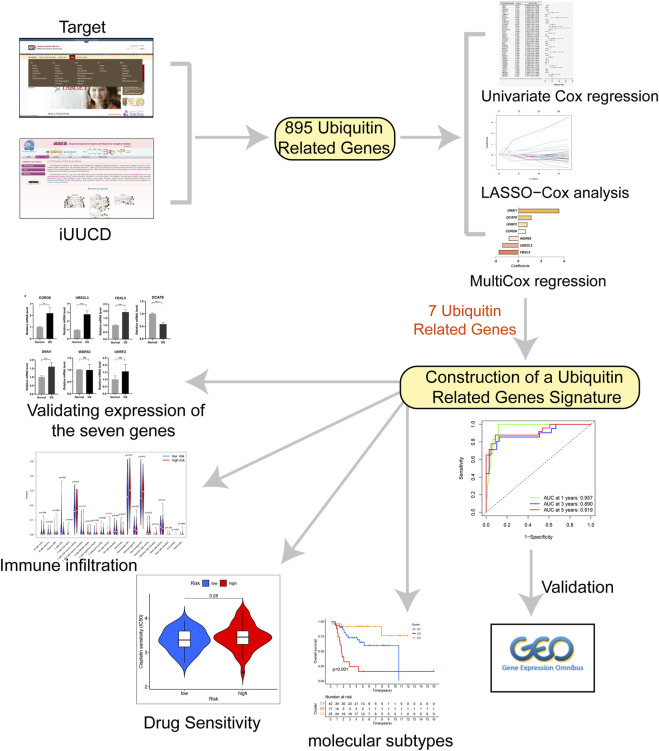
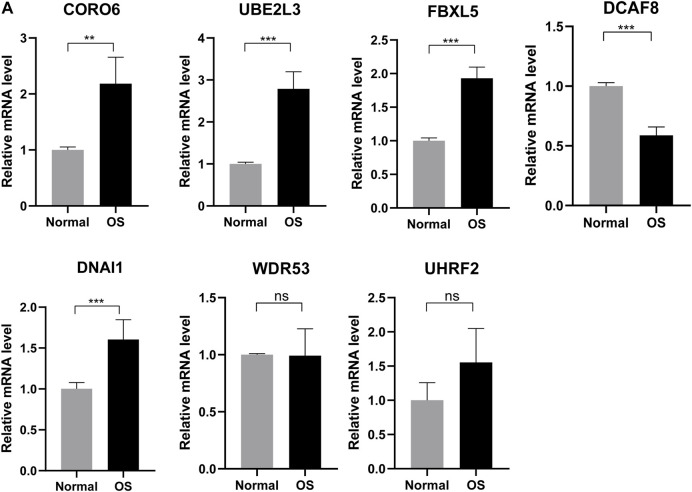
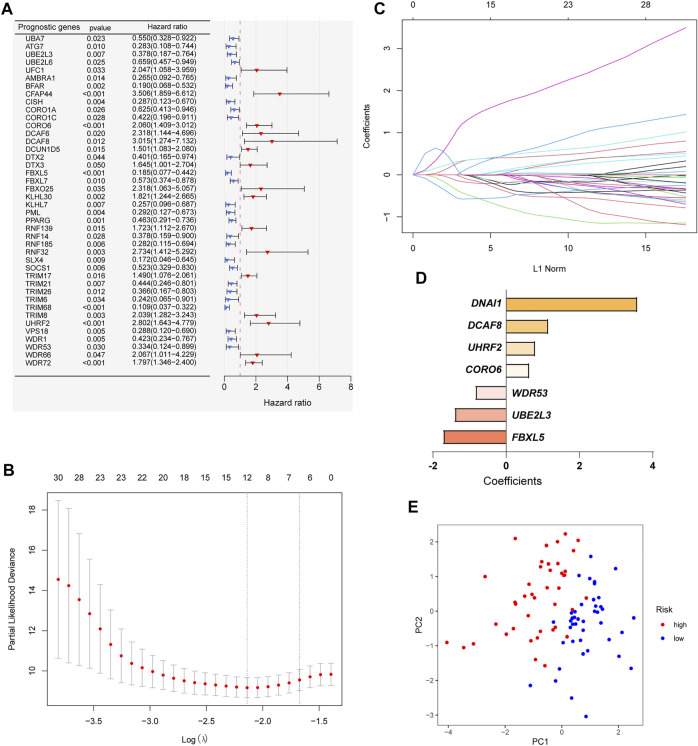
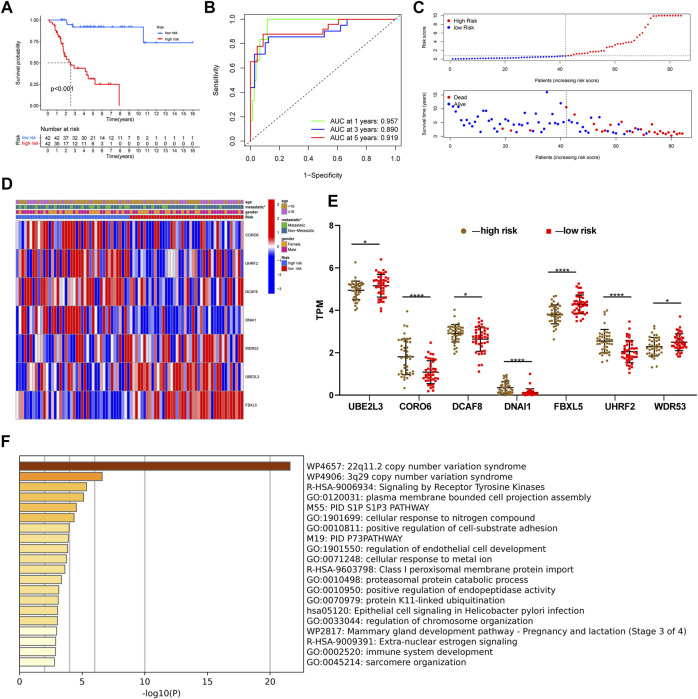
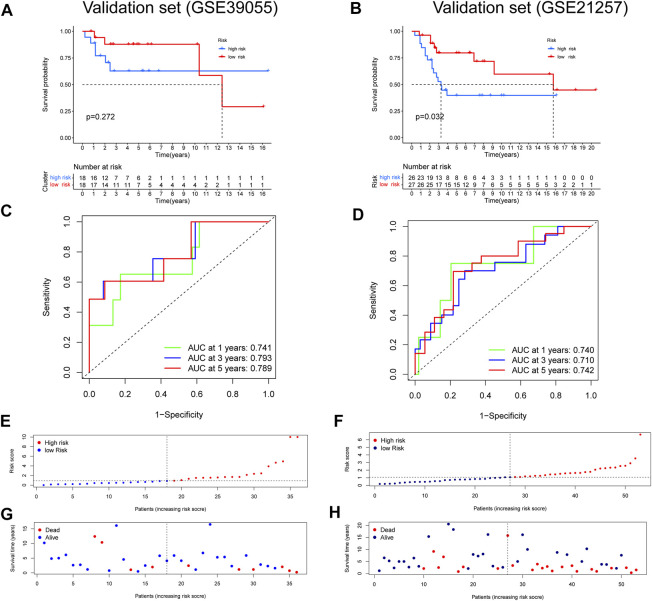
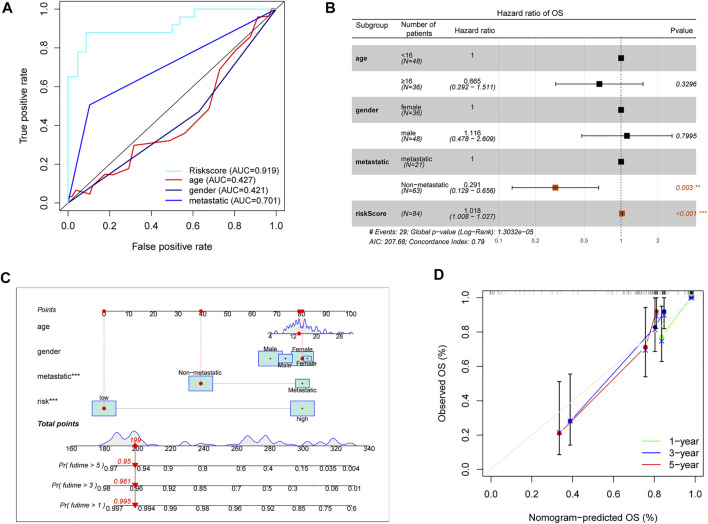
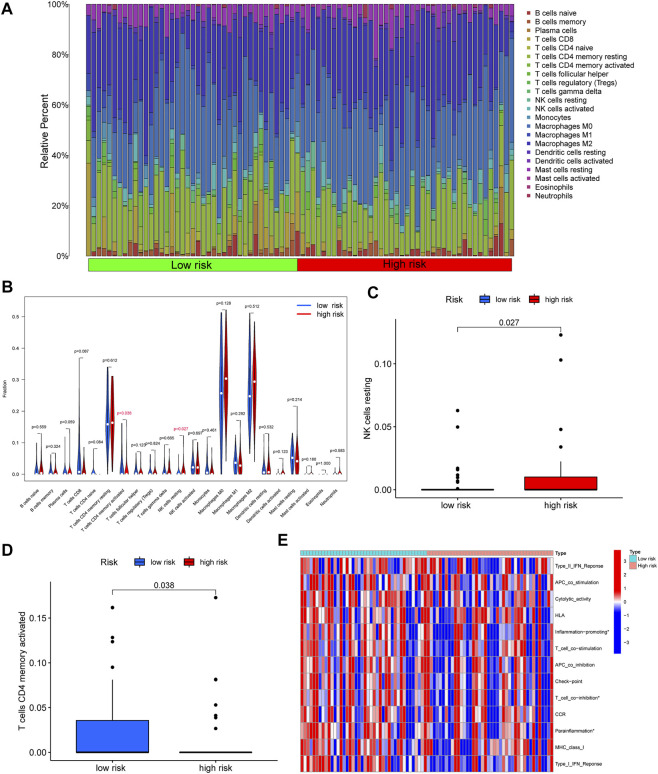
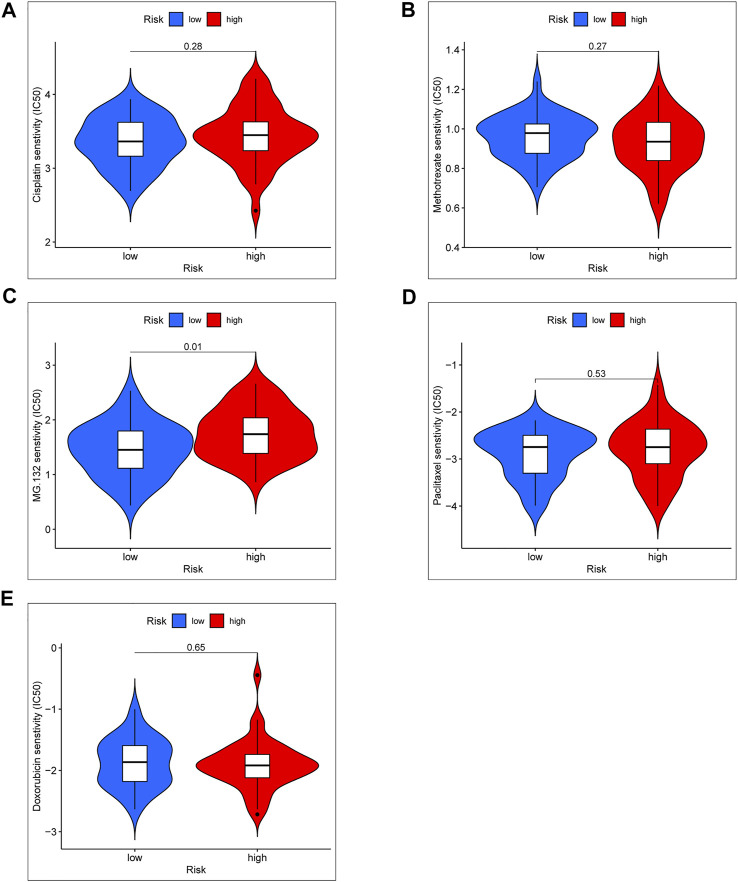
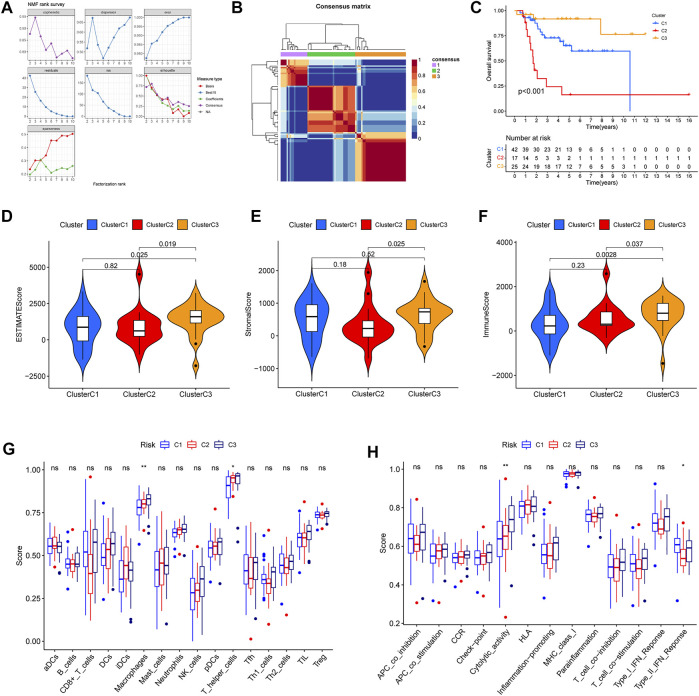
Ubiquitination is medicated by three classes of enzymes and has been proven to involve in multiple cancer biological processes. Moreover, dysregulation of ubiquitination has received a growing body of attention in osteosarcoma (OS) tumorigenesis and treatment. Therefore, our study aimed to identify a ubiquitin-related gene signature for predicting prognosis and immune landscape and constructing OS molecular subtypes. Therapeutically Applicable Research to Generate Effective Treatments (TARGET) was regarded as the training set through univariate Cox regression, Lasso Cox regression, and multivariate Cox regression. The GSE21257 and GSE39055 served as the validation set to verify the predictive value of the signature. CIBERSORT was performed to show immune infiltration and the immune microenvironment. The NMF algorithm was used to construct OS molecular subtypes. In this study, we developed a ubiquitin-related gene signature including seven genes (UBE2L3, CORO6, DCAF8, DNAI1, FBXL5, UHRF2, and WDR53), and the gene signature had a good performance in predicting prognosis for OS patients (AUC values at 1/3/5 years were 0.957, 0.890, and 0.919). Multivariate Cox regression indicated that the risk score model and prognosis stage were also independent prognostic prediction factors. Moreover, analyses of immune cells and immune-related functions showed a significant difference in different risk score groups and the three clusters. The drug sensitivity suggested that IC50 of proteasome inhibitor (MG-132) showed a notable significance between the risk score groups ( < 0.05). Through the NMF algorithm, we obtained the three clusters, and cluster 3 showed better survival outcomes. The expression of ubiquitin-related genes (CORO6, UBE2L3, FBXL5, DNAI1, and DCAF8) showed an obvious significance in normal and osteosarcoma tissues. We developed a novel ubiquitin-related gene signature which showed better predictive prognostic ability for OS and provided additional information on chemotherapy and immunotherapy. The OS molecular subtypes would also give a useful guide for individualized therapy.
泛素化由三类酶介导,并且已被证明参与多种癌症生物学过程。此外,泛素化失调在骨肉瘤(OS)的肿瘤发生和治疗中受到越来越多的关注。因此,我们的研究旨在识别一个与泛素相关的基因特征,用于预测预后和免疫格局以及构建OS分子亚型。通过单变量Cox回归、Lasso Cox回归和多变量Cox回归,将治疗适用研究以生成有效治疗方法(TARGET)视为训练集。GSE21257和GSE39055用作验证集以验证该特征的预测价值。进行CIBERSORT以显示免疫浸润和免疫微环境。使用NMF算法构建OS分子亚型。在本研究中,我们开发了一个包含七个基因(UBE2L3、CORO6、DCAF8、DNAI1、FBXL5、UHRF2和WDR53)的与泛素相关的基因特征,并且该基因特征在预测OS患者的预后方面具有良好性能(1/3/5年时的AUC值分别为0.957、0.890和0.919)。多变量Cox回归表明风险评分模型和预后阶段也是独立的预后预测因素。此外,对免疫细胞和免疫相关功能的分析显示不同风险评分组和三个聚类之间存在显著差异。药物敏感性表明蛋白酶体抑制剂(MG - 132)的IC50在风险评分组之间显示出显著意义(<0.05)。通过NMF算法,我们获得了三个聚类,聚类3显示出更好的生存结果。泛素相关基因(CORO6、UBE2L3、FBXL5、DNAI1和DCAF8)的表达在正常组织和骨肉瘤组织中显示出明显差异。我们开发了一种新型的与泛素相关的基因特征,其对OS显示出更好的预测预后能力,并为化疗和免疫治疗提供了额外信息。OS分子亚型也将为个体化治疗提供有用指导。