Department of Thoracic Surgery, West-China Hospital, Sichuan University, Chengdu, China.
Department of Thoracic Surgery, Sichuan Provincial People's Hospital, University of Electronic Science and Technology of China, Chengdu, China.
Front Endocrinol (Lausanne). 2022 Aug 19;13:970269. doi: 10.3389/fendo.2022.970269. eCollection 2022.
Cuproptosis is a recently found non-apoptotic cell death type that holds promise as an emerging therapeutic modality in lung adenocarcinoma (LUAD) patients who develop resistance to radiotherapy and chemotherapy. However, the Cuproptosis' role in the onset and progression of LUAD remains unclear.
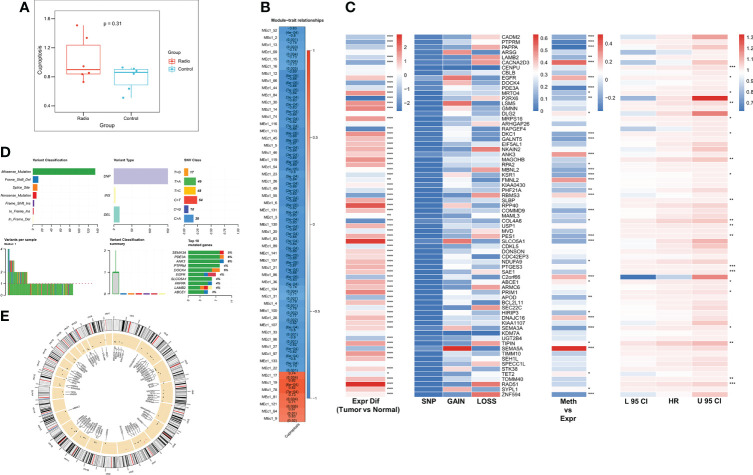
Cuproptosis-related genes (CRGs) were identified by a co-expression network approach based on LUAD cell line data from radiotherapy, and a robust risk model was developed using deep learning techniques based on prognostic CRGs and explored the value of deep learning models systematically for clinical applications, functional enrichment analysis, immune infiltration analysis, and genomic variation analysis.
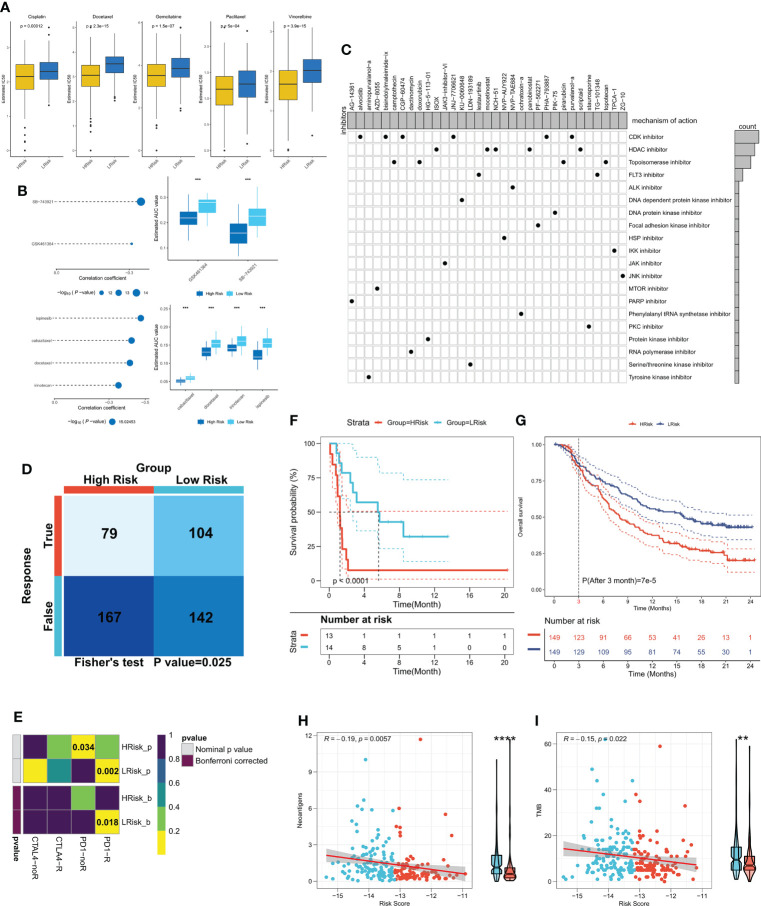
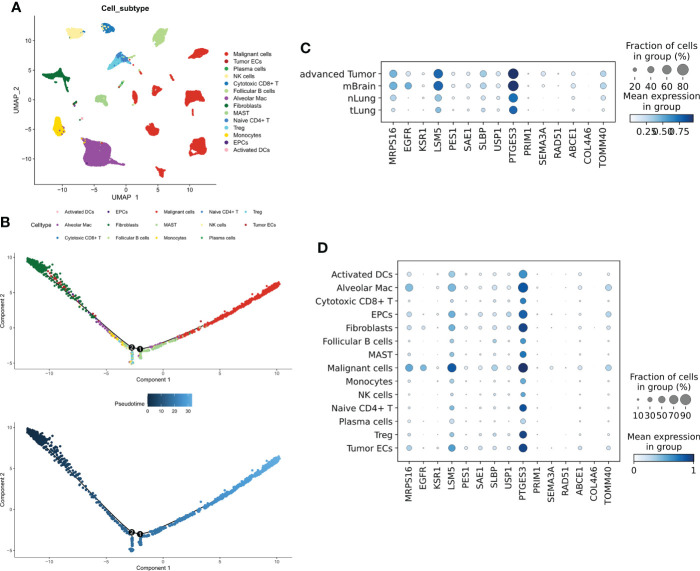
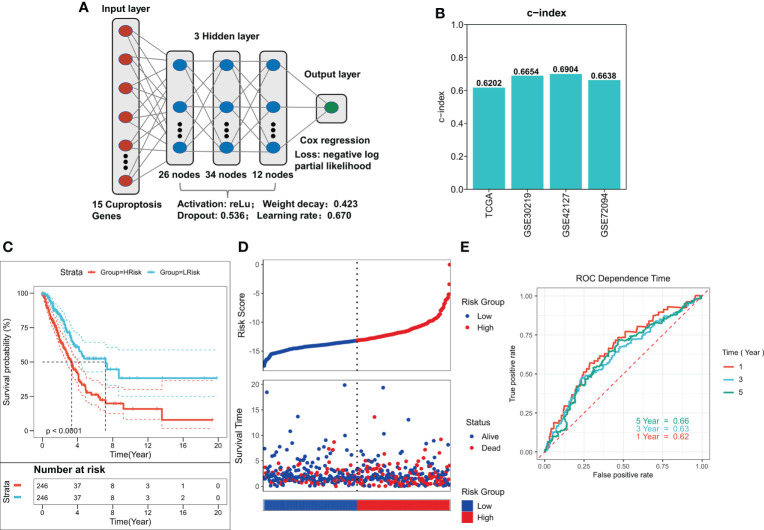
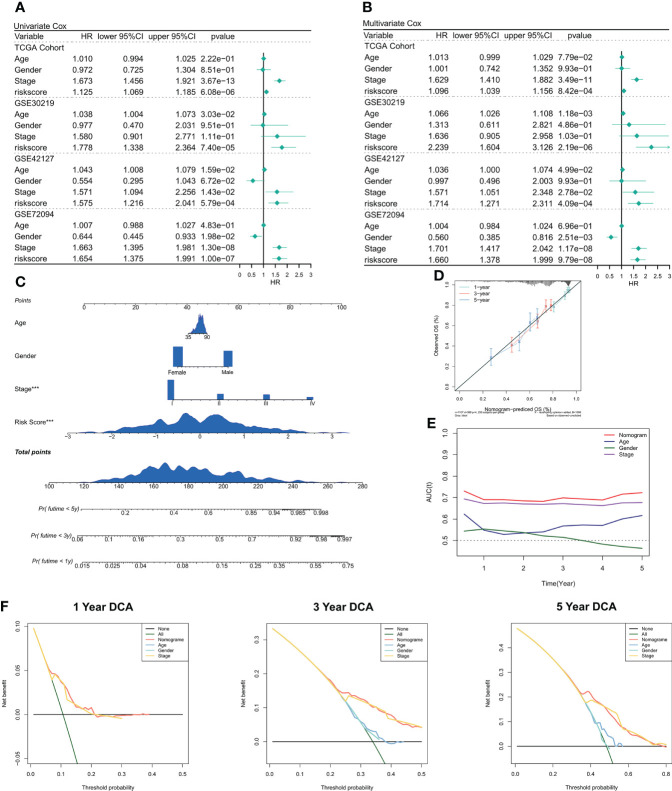
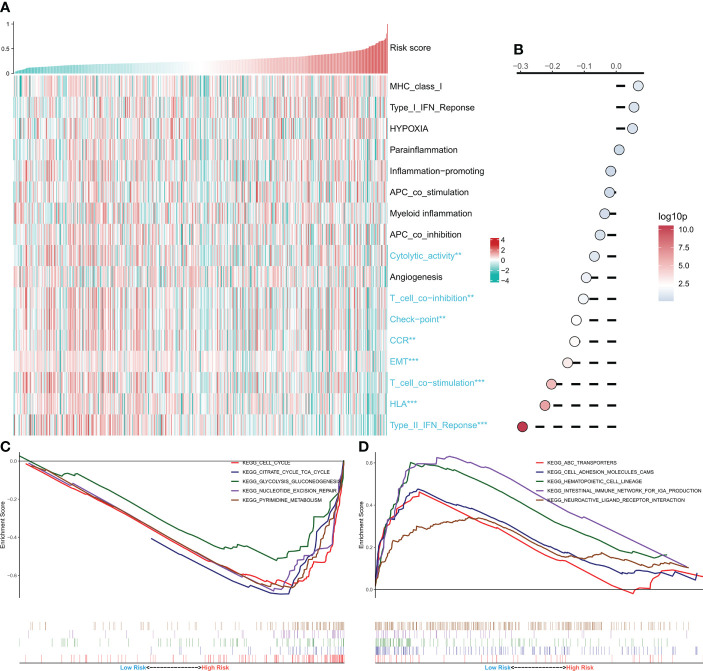
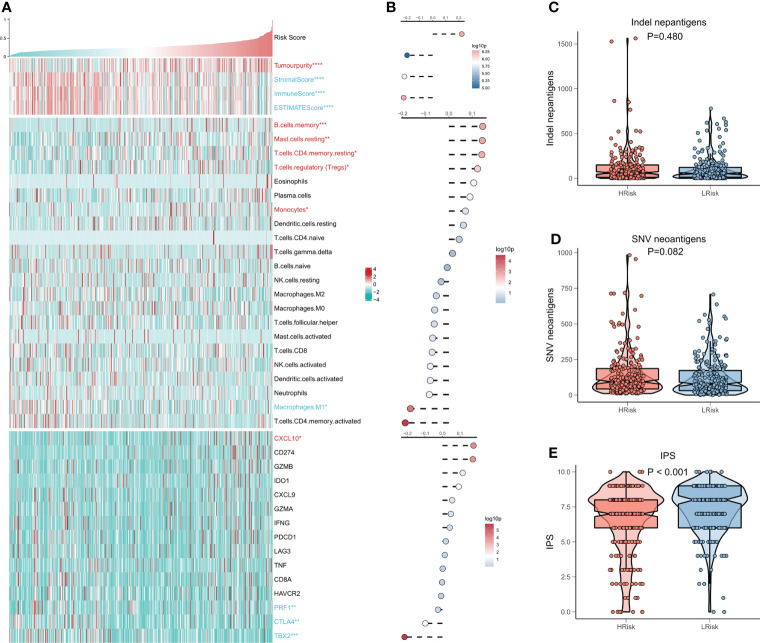
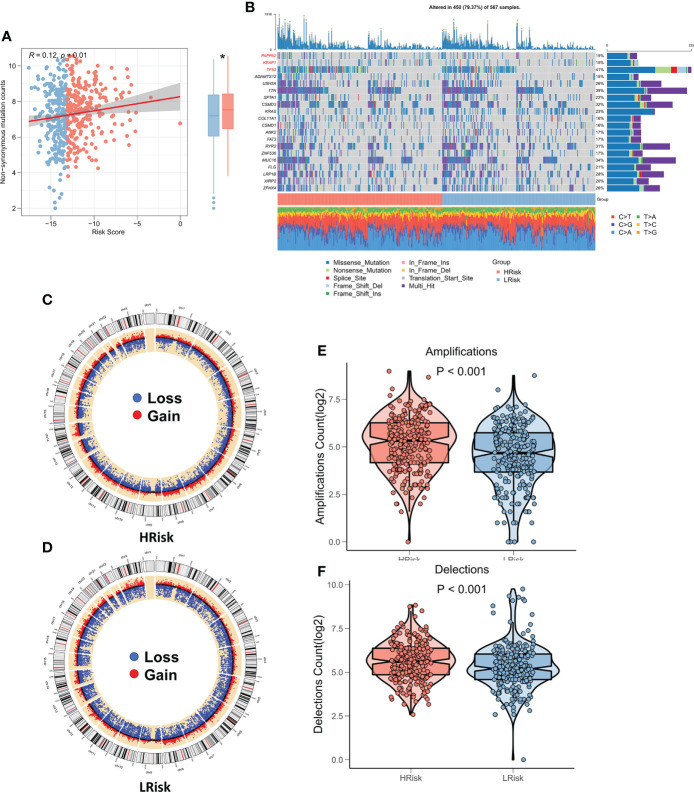
A three-layer artificial neural network risk model was constructed based on 15 independent prognostic radiotherapy-related CRGs. The risk model was observed as a robust independent prognostic factor for LUAD in the training as well as three external validation cohorts. The patients present in the low-risk group were found to have immune "hot" tumors exhibiting anticancer activity, whereas the high-risk group patients had immune "cold" tumors with active metabolism and proliferation. The high-risk group patients were more sensitive to chemotherapy whereas the low-risk group patients were more sensitive to immunotherapy. Genomic variants did not vary considerably among both groups of patients.
Our findings advance the understanding of cuproptosis and offer fresh perspectives on the clinical management and precision therapy of LUAD.
铜死亡是一种最近发现的非细胞凋亡性细胞死亡类型,有望成为放射治疗和化疗耐药的肺腺癌 (LUAD) 患者的一种新兴治疗方式。然而,铜死亡在 LUAD 的发病和进展中的作用尚不清楚。
通过基于 LUAD 细胞系数据的放射治疗共表达网络方法确定铜死亡相关基因 (CRGs),并使用深度学习技术基于预后 CRGs 构建稳健的风险模型,并系统地探索深度学习模型在临床应用、功能富集分析、免疫浸润分析和基因组变异分析中的价值。
基于 15 个独立的预后放射治疗相关 CRGs,构建了一个三层人工神经网络风险模型。该风险模型在训练组和三个外部验证队列中均被观察为 LUAD 的稳健独立预后因素。低风险组患者的肿瘤表现出免疫“热”,具有抗癌活性,而高风险组患者的肿瘤表现出代谢和增殖活跃的免疫“冷”。高风险组患者对化疗更敏感,而低风险组患者对免疫治疗更敏感。两组患者的基因组变异没有明显差异。
我们的研究结果加深了对铜死亡的理解,并为 LUAD 的临床管理和精准治疗提供了新的视角。