Oral Technology, Medical Faculty, Dental School, University Hospital of Bonn, North Rhine-Westphalia, 53111, Bonn, Germany.
Department of Orthodontics, Medical Faculty, Dental School, University Hospital of Bonn, North Rhine-Westphalia, 53111, Bonn, Germany.
BMC Oral Health. 2022 Sep 5;22(1):379. doi: 10.1186/s12903-022-02419-4.
This study aimed to compare the dimensional accuracy, hydrophilicity and detail reproduction of the hybrid vinylsiloxnether with polyether and polyvinylsiloxane parent elastomers using modified digital techniques and software. This was done in an attempt to aid in solving the conflict between the different studies published by competitive manufacturers using different common manual approaches.
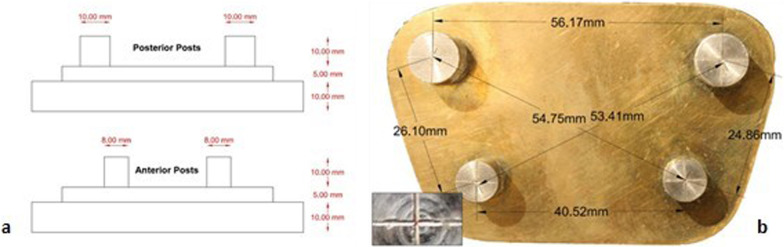
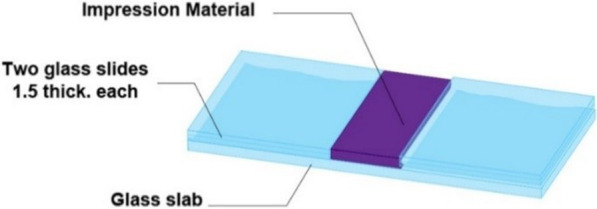
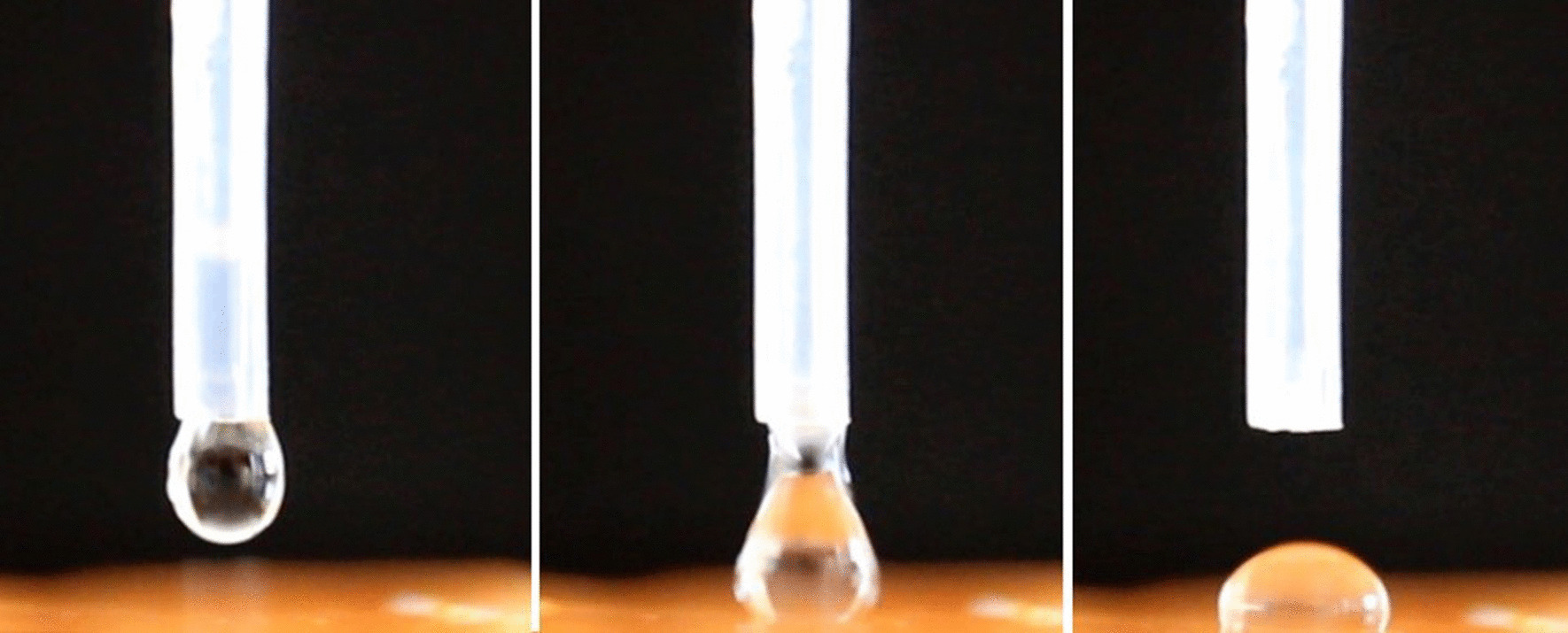
A polyether, polyvinylsiloxanes and vinyl polyether silicone hybrid elastomeric impression materials were used in the study. Dimensional accuracy was evaluated through taking impressions of a metallic mold with four posts representing a partially edentulous maxillary arch, that were then poured with stone. Accuracy was calculated from the mean of measurements taken between fixed points on the casts using digital single-lens reflex camera to produce high-resolution digital pictures for all the casts with magnification up to 35×. Hydrophilicity was assessed by contact angle measurements using AutoCAD software. The detail reproduction was measured under dry conditions according to ANSI/ADA Standard No. 19 and under wet conditions as per ISO 4823. A metallic mold was used with three V shaped grooves of 20, 50, and 75 µm width. Specimens were prepared and examination was made immediately after setting using digital images at a magnification of 16×.
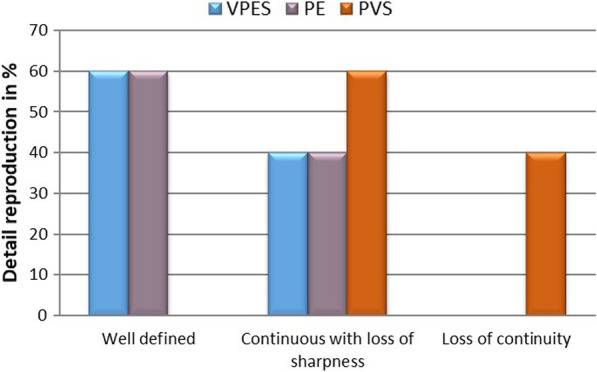
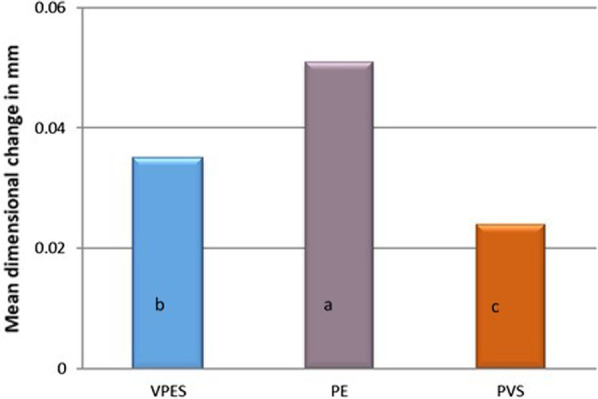
The hybrid impression (0.035 mm) material showed significantly higher dimensional accuracy compared to the polyether (0.051 mm) but was not as accurate as the polyvinyl siloxane impression material (0.024 mm). The contact angles of the hybrid material before and after setting was significantly lower than the parent materials. With regard to the detail reproduction, the three tested materials were able precisely to reproduce the three grooves of the mold under dry conditions. Whereas, under wet conditions, the hybrid material showed higher prevalence of well-defined reproduction of details same as polyether but higher than polyvinylsiloxane that showed prevalence of details with loss of sharpness and continuity.
The digital technique used could be a more reliable and an easier method for assessment of impression materials properties. The hybridization of polyvinyl siloxane and polyether yielded a promising material that combines the good merits of both materials and overcomes some of their drawbacks.
本研究旨在使用改良的数字技术和软件比较混合乙烯基硅氧烷醚与聚醚和聚硅氧烷母体弹性体的尺寸精度、亲水性和细节再现性。这是为了帮助解决不同制造商使用不同的常见手动方法发表的不同研究之间的冲突。
本研究使用了聚醚、聚硅氧烷和乙烯基聚醚硅弹性印模材料。通过对代表上颌部分无牙弓的四个立柱的金属模具进行印模,然后用石进行浇注来评估尺寸精度。在铸件上固定点之间的平均值进行测量,使用数字单镜头反光相机拍摄高分辨率数字照片,对所有铸件进行放大倍数高达 35×的拍摄,以计算精度。使用 AutoCAD 软件评估亲水角测量值。根据 ANSI/ADA 标准 No.19 在干燥条件下和根据 ISO 4823 在湿条件下测量细节再现性。使用带有 20、50 和 75µm 宽度的三个 V 形槽的金属模具。设置后立即制备试件并进行检查,使用数字图像在 16×放大倍数下进行检查。
混合印模材料(0.035mm)的尺寸精度明显高于聚醚材料(0.051mm),但不如聚硅氧烷印模材料(0.024mm)精确。混合材料在设置前后的接触角明显低于母体材料。关于细节再现性,三种测试材料在干燥条件下能够精确地再现模具的三个凹槽。然而,在湿条件下,混合材料显示出较高的细节再现清晰度,与聚醚相同,但高于聚硅氧烷,聚硅氧烷显示出细节清晰度的损失和连续性。
使用的数字技术可能是评估印模材料性能的更可靠和更容易的方法。聚硅氧烷和聚醚的杂交产生了一种有前途的材料,它结合了两种材料的优点,并克服了它们的一些缺点。