Division of Pathology, NMR-Metabolomics Core, Cincinnati Children's Hospital Medical Center, Cincinnati, OH, United States of America.
Department of Pediatrics, University of Cincinnati College of Medicine, Cincinnati, OH, United States of America.
PLoS One. 2022 Sep 6;17(9):e0274128. doi: 10.1371/journal.pone.0274128. eCollection 2022.
Advances in detection techniques and treatment have increased the diagnosis of breast cancer at early stages; however, recurrence occurs in all breast cancer subtypes, and both recurrent and de novo metastasis are typically treatment resistant. A growing body of evidence supports the notion that metabolic plasticity drives cancer recurrence. RON and DEK are proteins that promote cancer metastasis and synergize mechanistically to activate β-catenin, but the metabolic consequences are unknown.
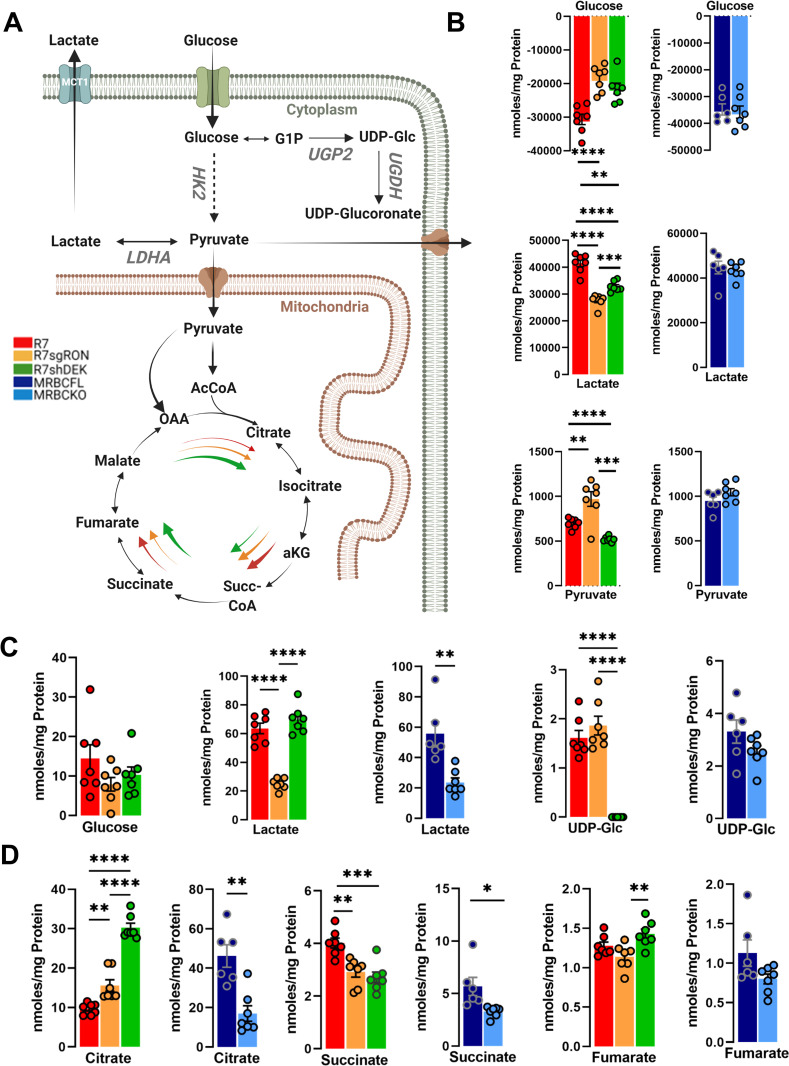
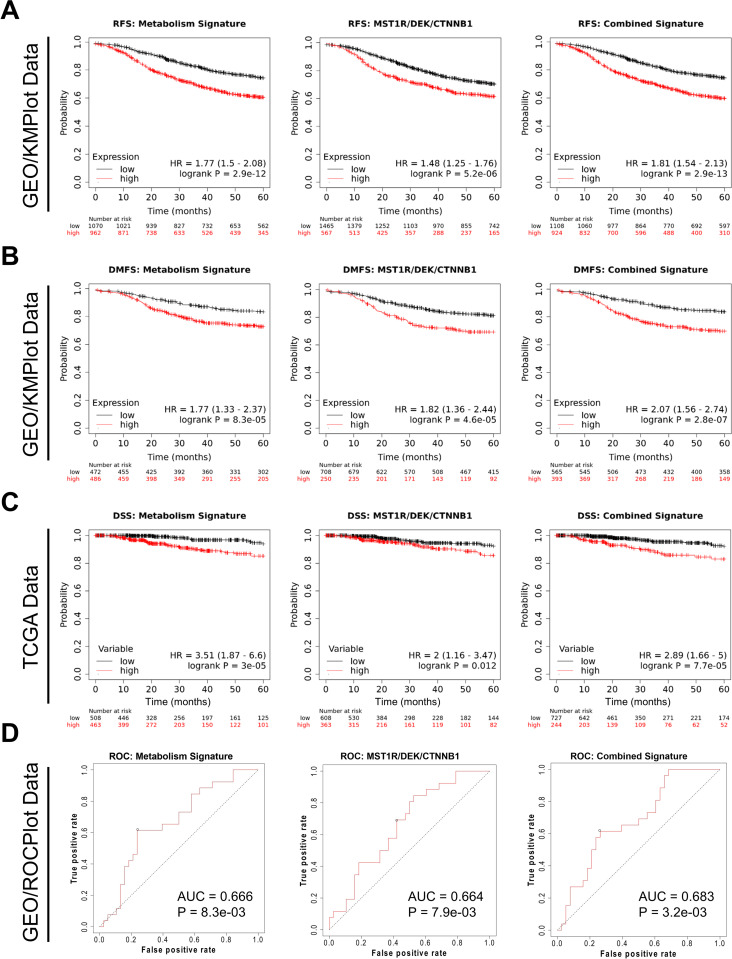
To ascertain RON-DEK-β-catenin dependent metabolic pathways, we utilized an NMR-based metabolomics approach to determine steady state levels of metabolites. We also interrogated altered metabolic pathway gene expression for prognostic capacity in breast cancer patient relapse-free and distant metastasis-free survival and discover a metabolic signature that is likely associated with recurrence.
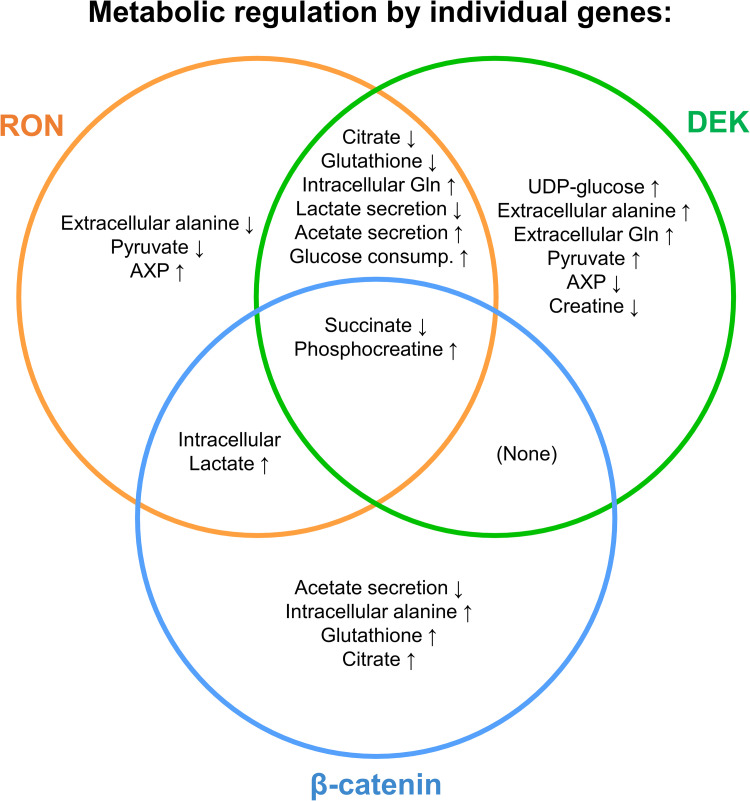
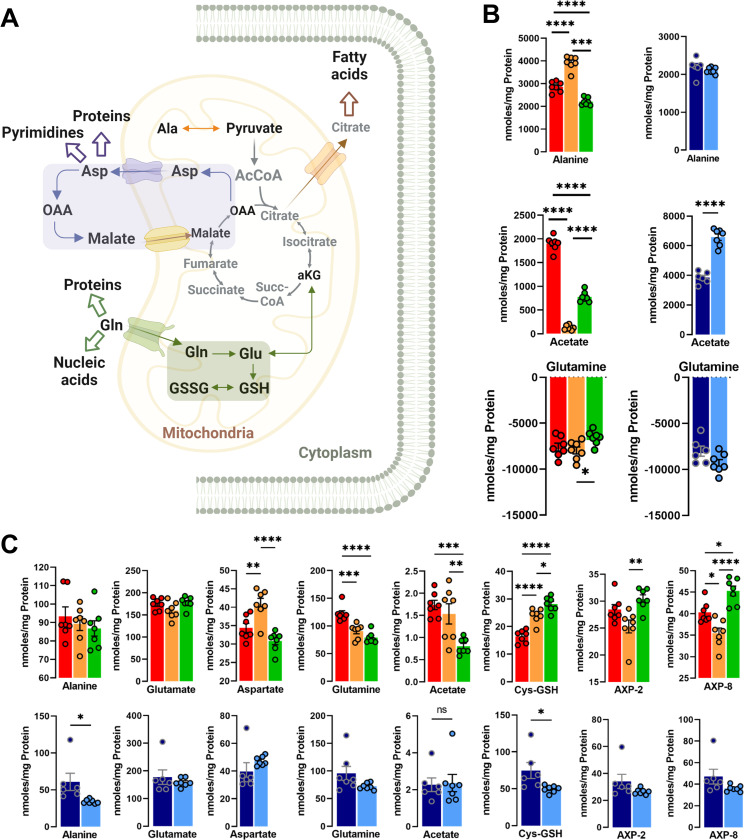
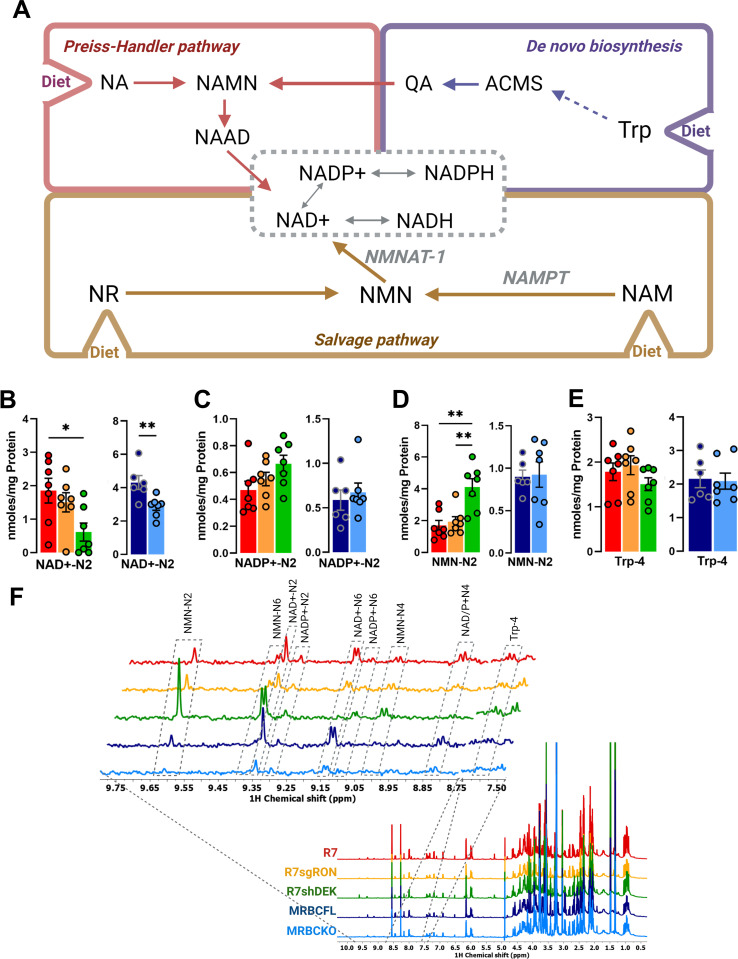
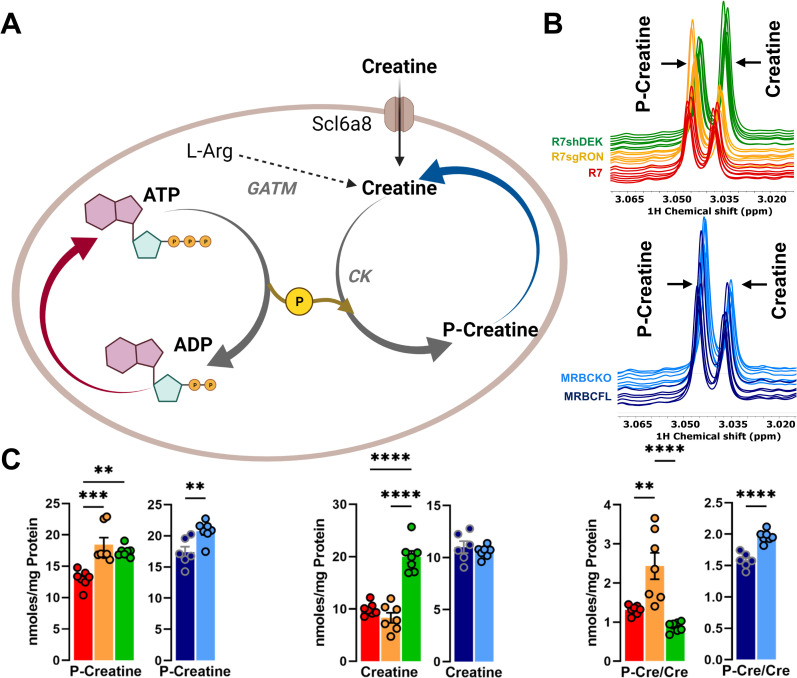
RON-DEK-β-catenin loss showed a consistent metabolite regulation of succinate and phosphocreatine. Consistent metabolite alterations between RON and DEK loss (but not β-catenin) were found in media glucose consumption, lactate secretion, acetate secretion, and intracellular glutamine and glutathione levels. Consistent metabolite alterations between RON and β-catenin loss (and not DEK) were found only in intracellular lactate levels. Further pathway hits include β-catenin include glycolysis, glycosylation, TCA cycle/anaplerosis, NAD+ production, and creatine dynamics. Genes in these pathways epistatic to RON-DEK-β-catenin were used to define a gene signature that prognosticates breast cancer patient survival and response to chemotherapy.
The RON-DEK-β-catenin axis regulates the numerous metabolic pathways with significant associations to breast cancer patient outcomes.
检测技术和治疗方法的进步提高了乳腺癌早期诊断的水平;然而,所有乳腺癌亚型都有复发的可能,并且复发和新发转移通常对治疗有抵抗性。越来越多的证据支持这样一种观点,即代谢可塑性驱动癌症复发。RON 和 DEK 是促进癌症转移的蛋白质,它们在机制上协同作用激活β-catenin,但代谢后果尚不清楚。
为了确定 RON-DEK-β-catenin 依赖性代谢途径,我们利用基于 NMR 的代谢组学方法来确定代谢物的稳态水平。我们还研究了改变的代谢途径基因表达,以确定其在乳腺癌患者无复发生存和无远处转移生存中的预后能力,并发现了一个可能与复发相关的代谢特征。
RON-DEK-β-catenin 的缺失显示出琥珀酸和磷酸肌酸的一致代谢调节。RON 和 DEK 缺失(而不是β-catenin)之间存在一致的代谢物变化,表现在培养基葡萄糖消耗、乳酸分泌、乙酸盐分泌以及细胞内谷氨酰胺和谷胱甘肽水平。RON 和β-catenin 缺失(而不是 DEK)之间只发现了细胞内乳酸水平的一致代谢物变化。进一步的通路命中包括β-catenin 包括糖酵解、糖基化、TCA 循环/补料、NAD+产生和肌酸动力学。这些通路中与 RON-DEK-β-catenin 遗传上位性的基因被用于定义一个基因特征,该特征可预测乳腺癌患者的生存和对化疗的反应。
RON-DEK-β-catenin 轴调节着与乳腺癌患者结局有显著关联的众多代谢途径。