Lauder Kirsty, McDowall Almuth, Tenenbaum Harriet R
Centre for Neurodiversity Research at Work, Birkbeck College, London, United Kingdom.
School of Psychology, University of Surrey, Surrey, United Kingdom.
Front Psychol. 2022 Aug 22;13:893469. doi: 10.3389/fpsyg.2022.893469. eCollection 2022.
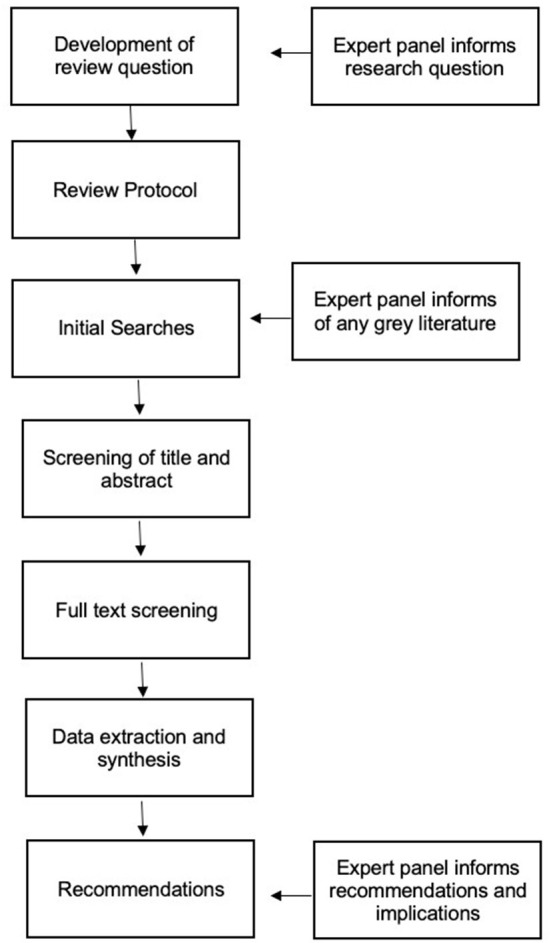
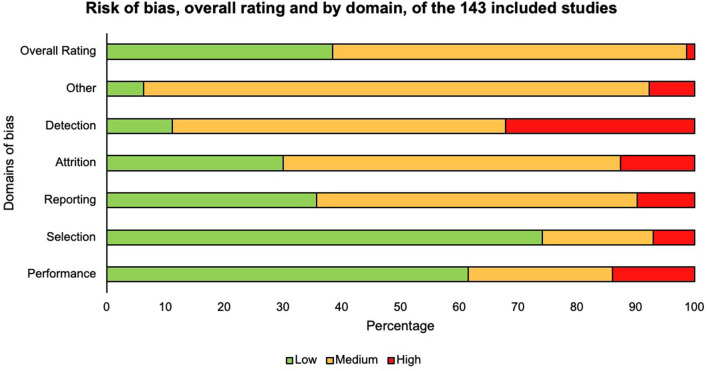
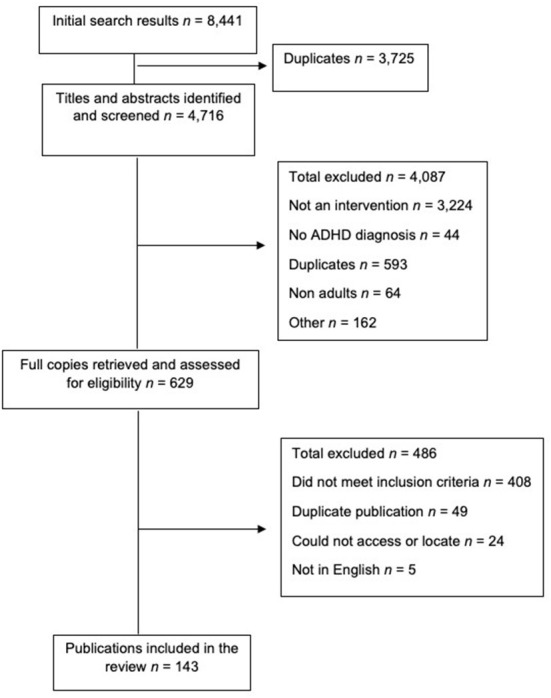
Attention Deficit Hyperactivity Disorder (ADHD) is estimated to affect 3.5% of the global workforce. Despite the high prevalence rate, little is known about how best to support adults with ADHD (ADHDers) at work. Relevant research is dispersed across different disciplines such as medicine, health studies and psychology. Therefore, it is important to synthesize interventions aimed at ADHDers to examine what learning can be gleaned for effective workplace support. We conducted a systematic review of relevant interventions framed by realist evaluation and the Context-Intervention-Mechanism-Outcome classification to identify key mechanisms of effectiveness for workplace interventions. We searched 10 databases including a range of journals from medical science to business management applying predetermined inclusion criteria and quality appraisal through a risk of bias assessment for quantitative and qualitative methods. We synthesized 143 studies with realist evaluation. Most studies evaluated the effectiveness of pharmacological interventions highlighting the dominance of the medical approach to supporting ADHDers. Key mechanisms of effectiveness were identified from psychosocial interventions including group therapy, involvement of people in the ADHDers network, and the importance of the client-patient relationship. Overall, there is limited research that examines the effectiveness of workplace interventions for ADHDers. Furthermore, much of the existing research evaluates pharmacological interventions which is difficult to transfer to the workplace context. It is recommended that future research and practice consider the key mechanisms identified in this review when designing interventions as well as barriers to accessing support such as disclosure and self-awareness.
据估计,注意缺陷多动障碍(ADHD)影响着全球3.5%的劳动力。尽管患病率很高,但对于如何在工作中最好地支持患有ADHD的成年人(ADHD患者)却知之甚少。相关研究分散在医学、健康研究和心理学等不同学科中。因此,综合针对ADHD患者的干预措施,以研究能从中学到什么来提供有效的职场支持,这一点很重要。我们对以现实主义评价和情境-干预-机制-结果分类为框架的相关干预措施进行了系统综述,以确定职场干预措施有效性的关键机制。我们搜索了10个数据库,包括一系列从医学到商业管理的期刊,应用预定的纳入标准,并通过对定量和定性方法的偏倚风险评估进行质量评估。我们综合了143项采用现实主义评价的研究。大多数研究评估了药物干预的有效性,突出了医学方法在支持ADHD患者方面的主导地位。从心理社会干预措施中确定了有效性的关键机制,包括团体治疗、让人们参与ADHD患者网络以及医患关系的重要性。总体而言,研究职场干预措施对ADHD患者有效性的研究有限。此外,现有研究大多评估药物干预,而这些干预措施很难应用于职场环境。建议未来的研究和实践在设计干预措施时考虑本综述中确定的关键机制,以及获得支持的障碍,如信息披露和自我意识。