School of Materials Science and Engineering, Wuhan University of Technology, 122 Luoshi Road, Wuhan, Hubei, 430070, China.
Department of Chemistry, Brandeis University, 415 South Street, Waltham, MA, 02454, USA.
Angew Chem Int Ed Engl. 2022 Nov 2;61(44):e202210568. doi: 10.1002/anie.202210568. Epub 2022 Oct 5.
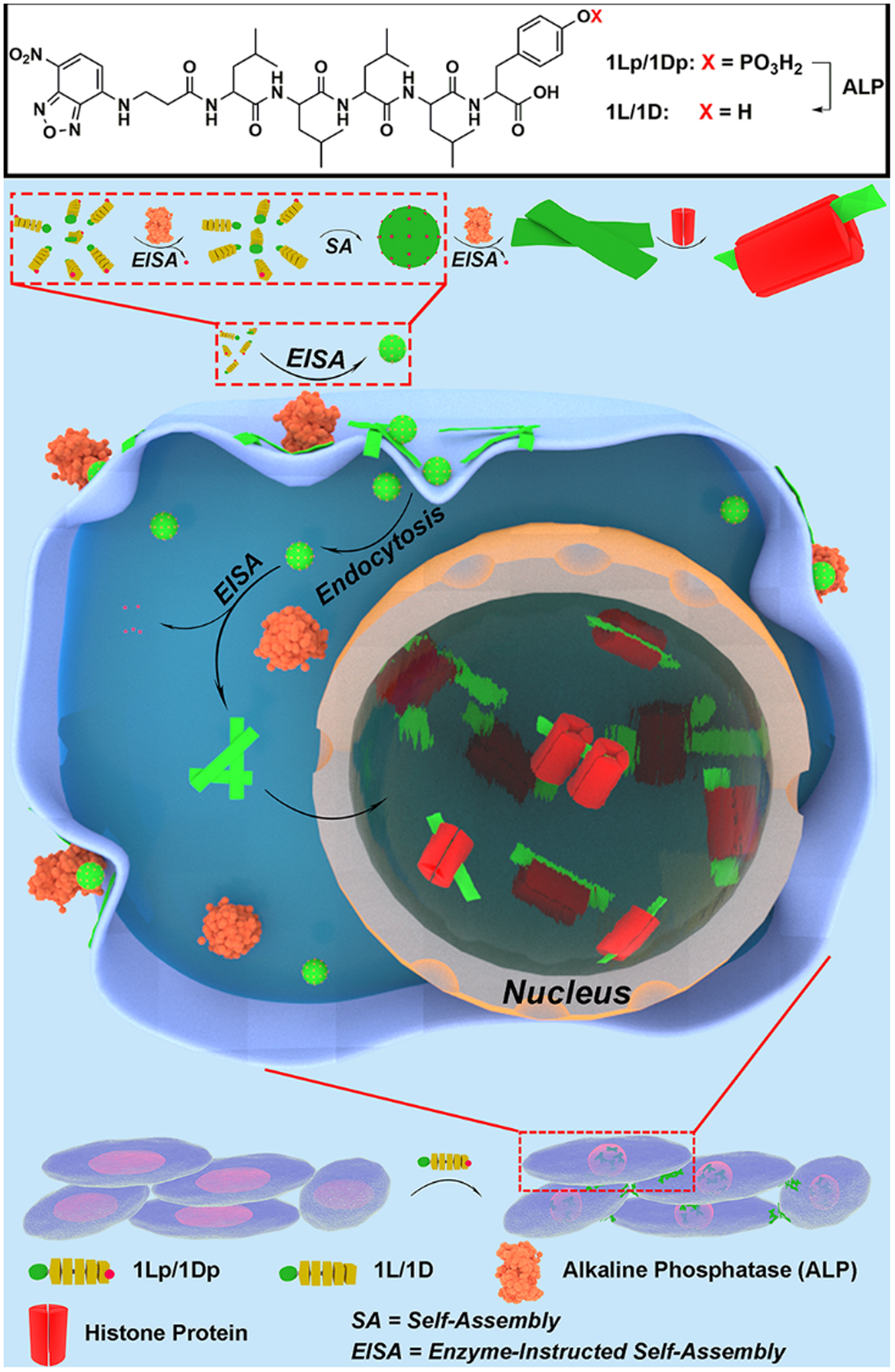
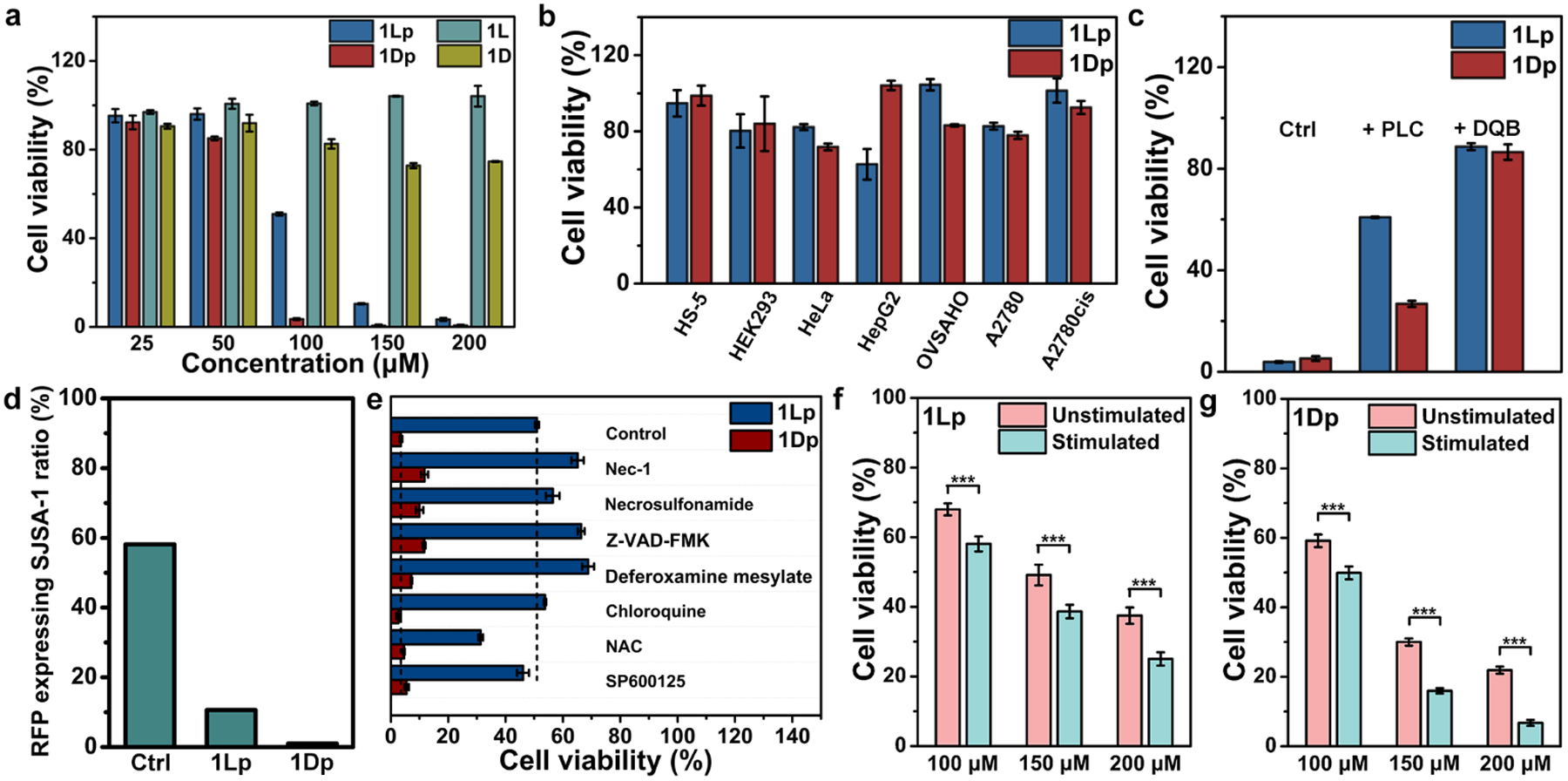
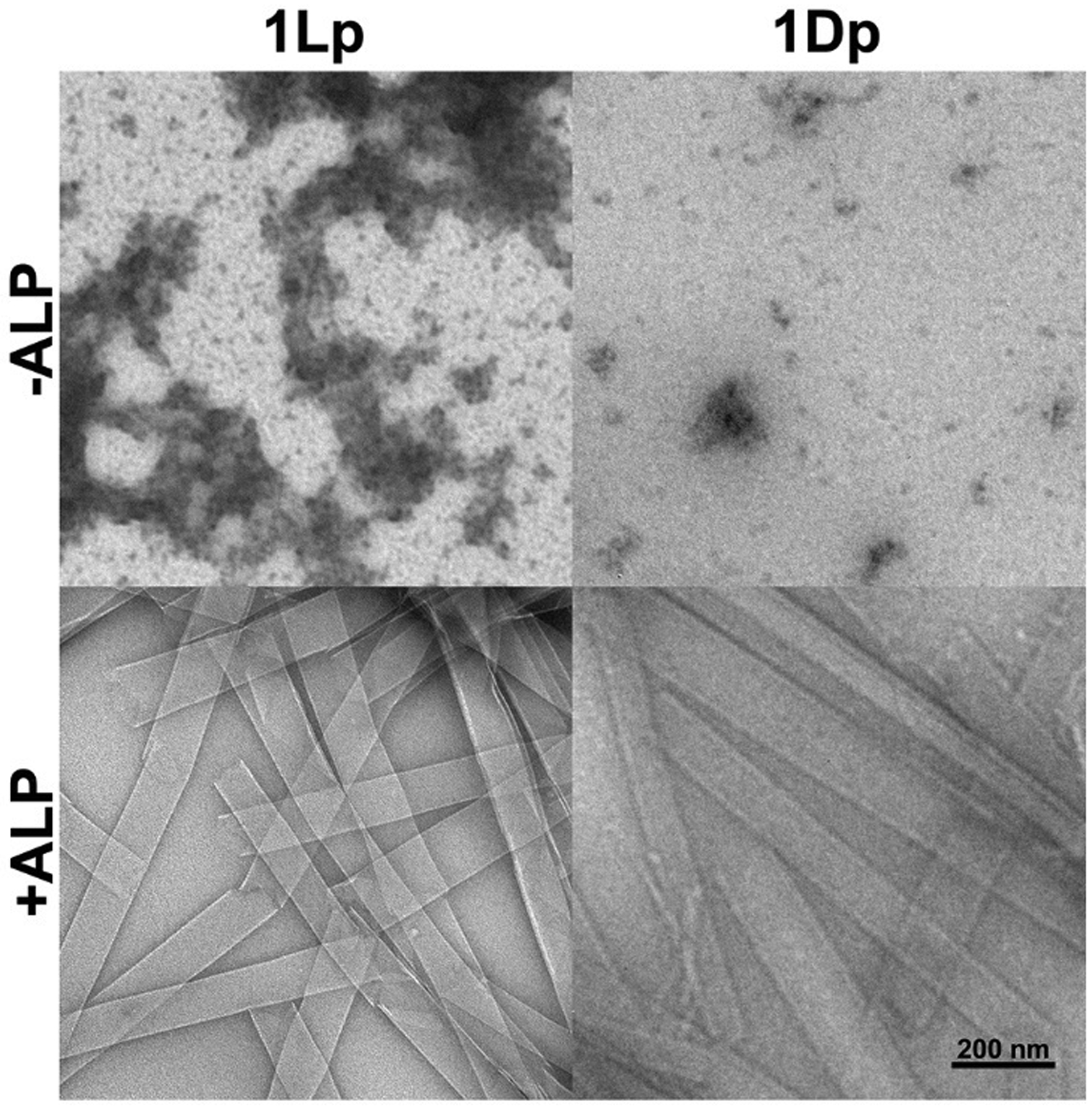
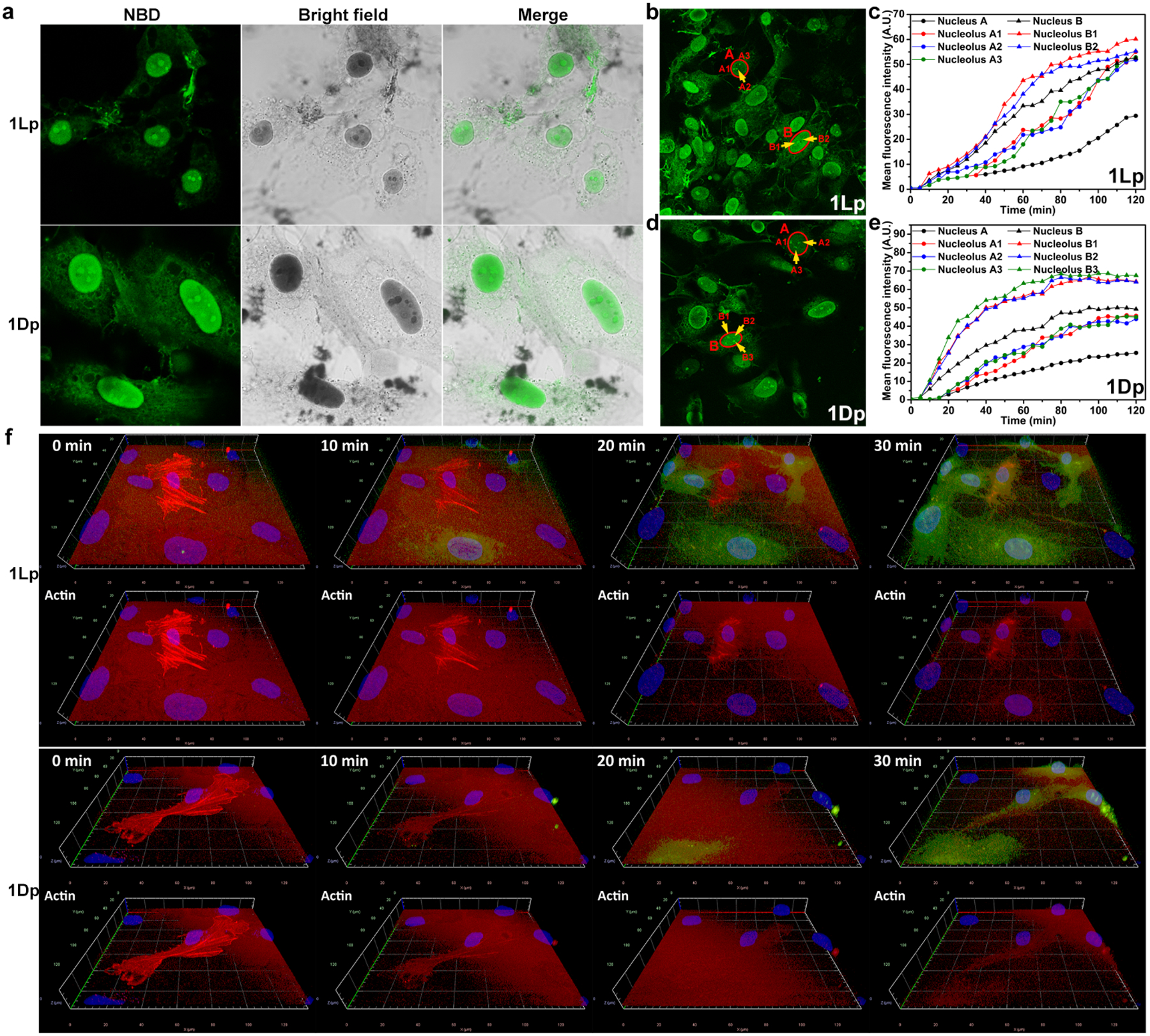
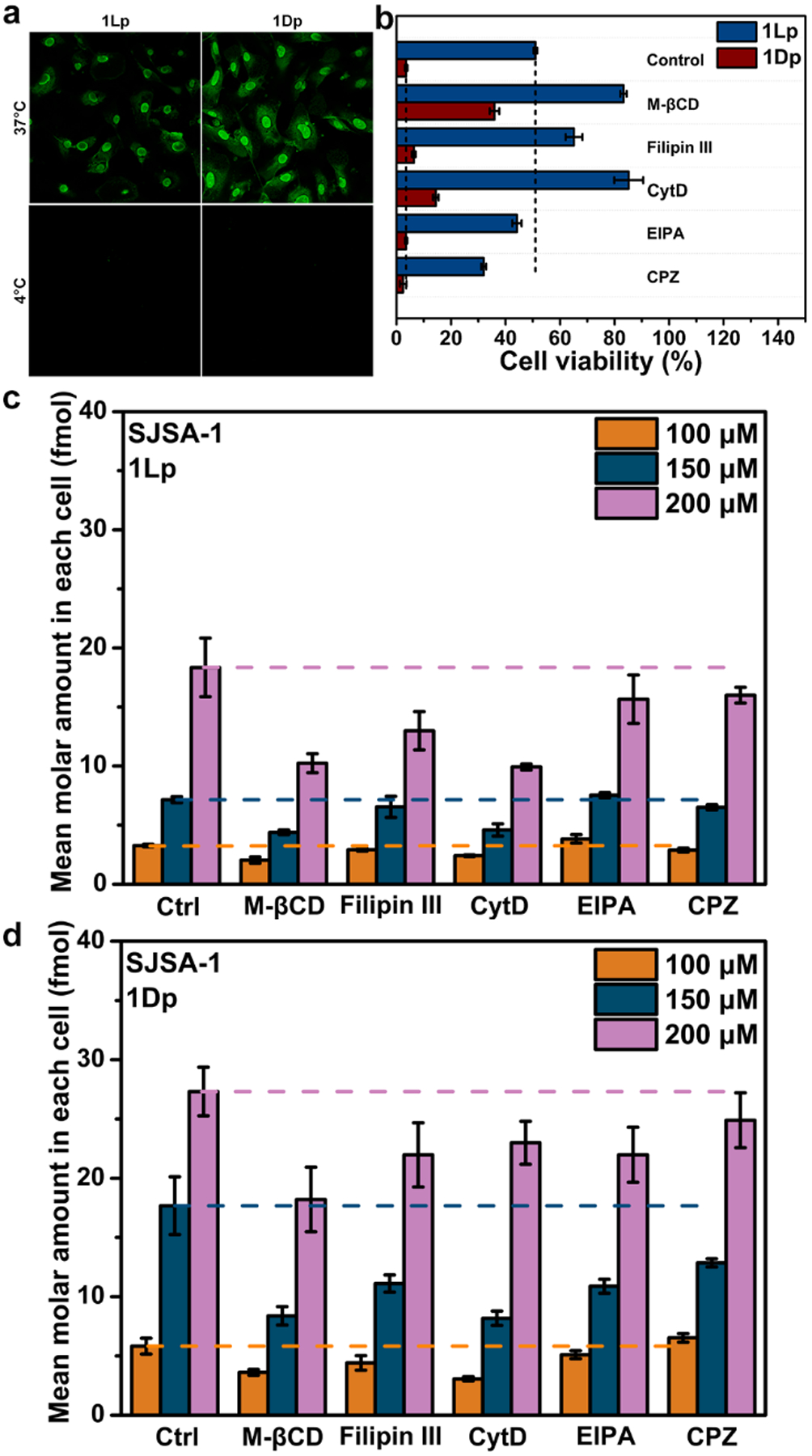
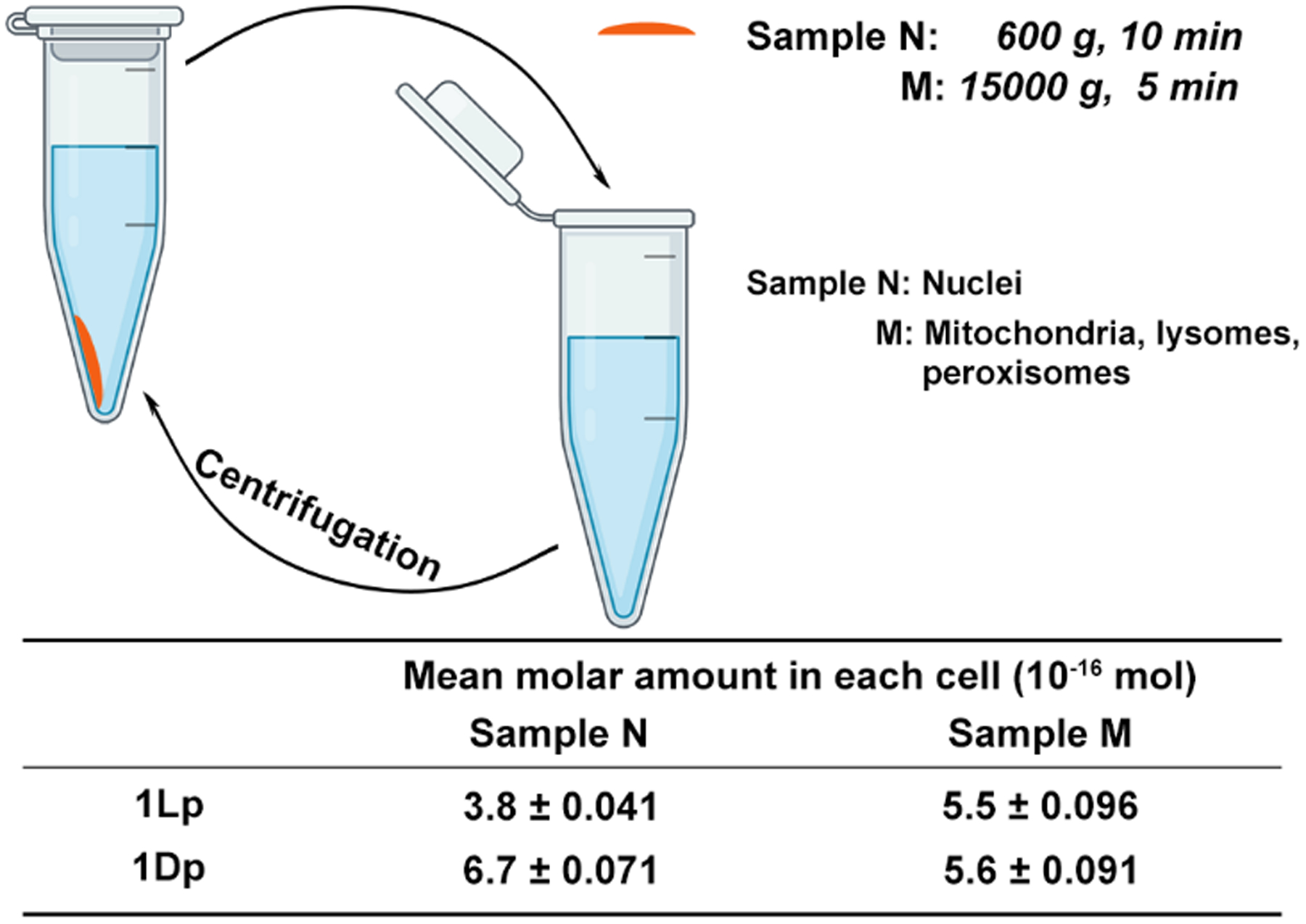
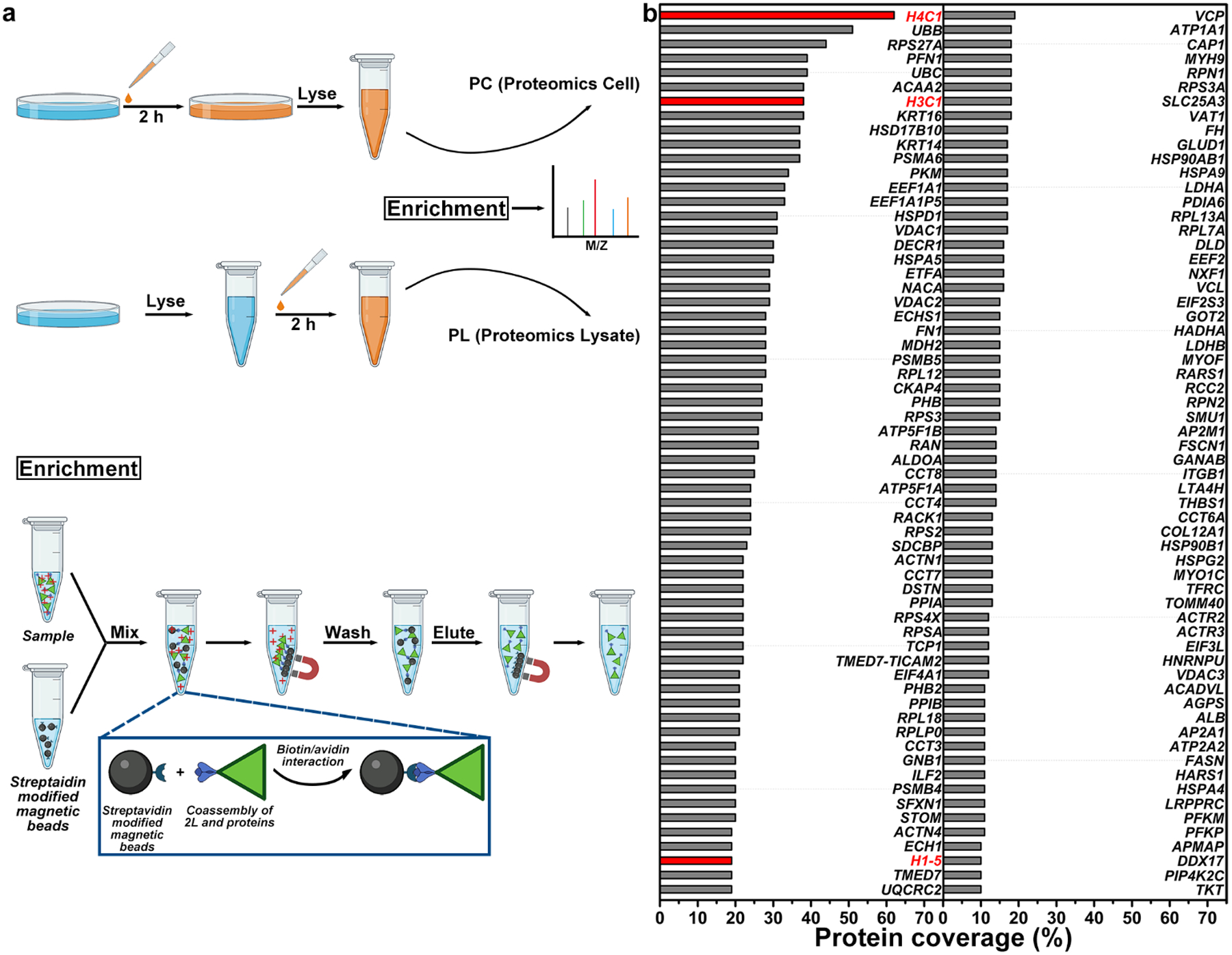
Herein, we show intranuclear nanoribbons formed upon dephosphorylation of leucine-rich L- or D-phosphopeptide catalyzed by alkaline phosphatase (ALP) to selectively kill osteosarcoma cells. Being dephosphorylated by ALP, the peptides are first transformed into micelles and then converted into nanoribbons. The peptides/assemblies first aggregate on cell membranes, then enter cells via endocytosis, and finally accumulate in nuclei (mainly in nucleoli). Proteomics analysis suggests that the assemblies interact with histone proteins. The peptides kill osteosarcoma cells rapidly and are nontoxic to normal cells. Moreover, the repeated stimulation of the osteosarcoma cells by the peptides sensitizes the cancer cells rather than inducing resistance. This work not only illustrates a novel mechanism for nucleus targeting, but may also pave a new way for selectively killing osteosarcoma cells and minimizing drug resistance.
在此,我们展示了富亮氨酸 L-或 D-磷酸肽在碱性磷酸酶(ALP)催化下脱磷酸化形成的核内纳米带,可选择性杀死骨肉瘤细胞。经 ALP 脱磷酸化后,肽首先转化为胶束,然后转化为纳米带。这些肽/组装体首先在细胞膜上聚集,然后通过内吞作用进入细胞,最终在核内(主要在核仁中)积累。蛋白质组学分析表明,这些组装体与组蛋白相互作用。这些肽能快速杀死骨肉瘤细胞,对正常细胞无毒。此外,肽对骨肉瘤细胞的反复刺激会使癌细胞变得敏感,而不是诱导耐药性。这项工作不仅阐明了一种新的核靶向机制,而且可能为选择性杀伤骨肉瘤细胞和最小化耐药性开辟新途径。