Aisa Haji Akber, Xin Xue-Lei, Tang Dan
Key Laboratory of Plant Resources and Chemistry of Arid Zone, Xinjiang Technical Institute of Physics and Chemistry, Chinese Academy of Sciences, Urumqi 830011, China.
State Key Laboratory Basis of Xinjiang Indigenous Medicinal Plants Resource Utilization, Xinjiang Technical Institute of Physics and Chemistry, Chinese Academy of Sciences, Urumqi 830011, China.
Chin Herb Med. 2020 May 15;12(3):224-236. doi: 10.1016/j.chmed.2020.05.001. eCollection 2020 Jul.
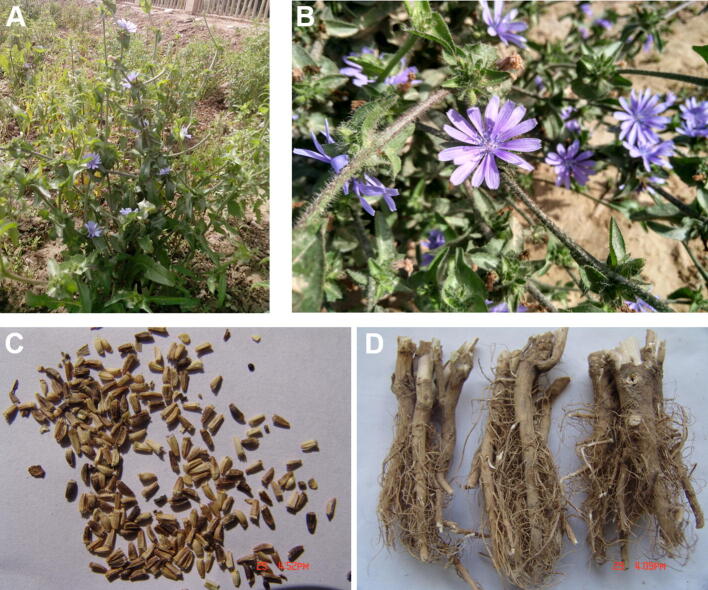
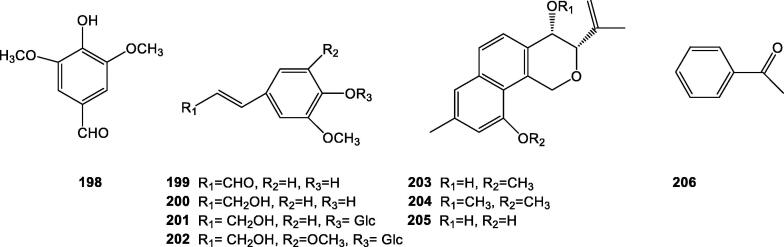
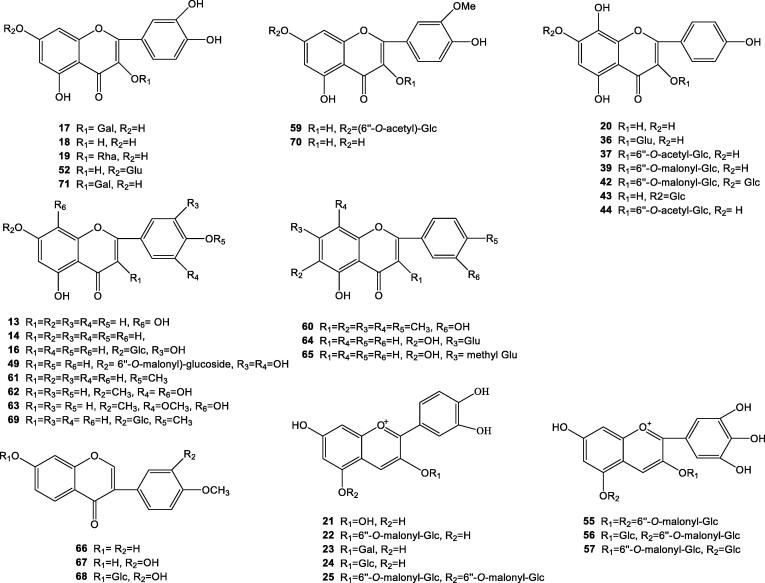
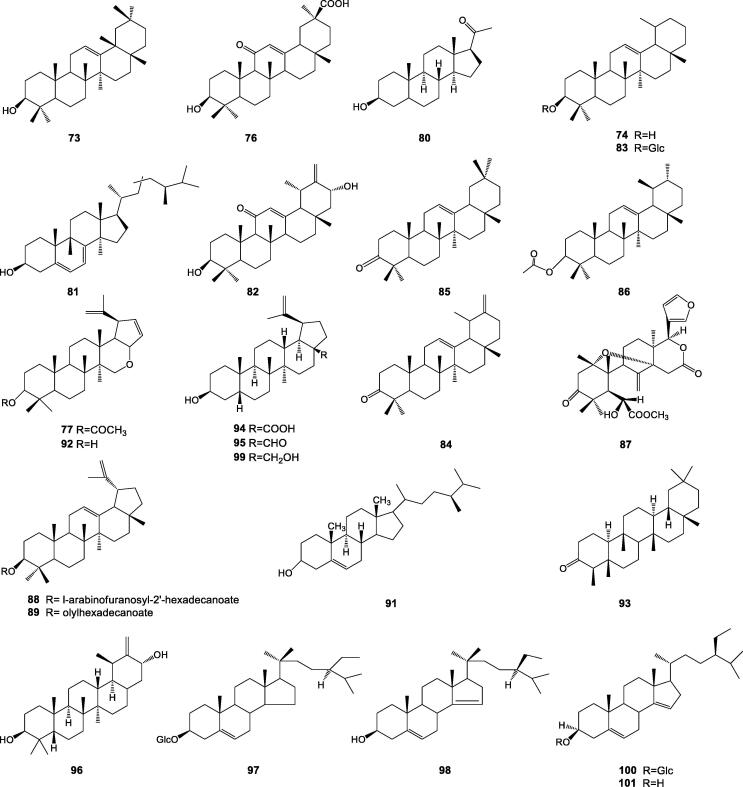
Plants of genus are famous due to their therapeutic and medicinal properties. They are used as traditional medicine and edible food. To date, several scholars concentrated on compounds belonging to coumarins, flavonoids, sesquiterpenoids, triterpenoids, steroids, organic acids and other chemical constituents. Pharmacological effects such as photo-protective, hepatoprotective, anti-diabetic and lipid lowering, antioxidant, anti-inflammation, antifungal, antimalarial, increased bone mineral density, as well as vasorelaxant and antitumour activity were wildly reported. In this study, botanical resources, ethnopharmacological application, chemical constituents and bioactivities, as well as safety and toxicity of clinical applications of genus were reviewed, which may provide a reliable basis for further development and utilization of genetic resources.
[该属植物]因其治疗和药用特性而闻名。它们被用作传统药物和可食用食物。迄今为止,几位学者专注于香豆素、黄酮类化合物、倍半萜、三萜、甾体、有机酸和其他化学成分。广泛报道了其光保护、保肝、抗糖尿病和降脂、抗氧化、抗炎、抗真菌、抗疟疾、增加骨矿物质密度以及血管舒张和抗肿瘤活性等药理作用。本研究对[该属植物]的植物资源、民族药理学应用、化学成分和生物活性以及临床应用的安全性和毒性进行了综述,可为进一步开发利用[该属植物]的遗传资源提供可靠依据。