Cellular and Molecular Biology Research Center, Health Research Institute, Babol University of Medical Sciences, Babol, Iran.
Student Research Committee, Babol University of Medical Sciences, Babol, Iran.
Front Immunol. 2022 Aug 31;13:947401. doi: 10.3389/fimmu.2022.947401. eCollection 2022.
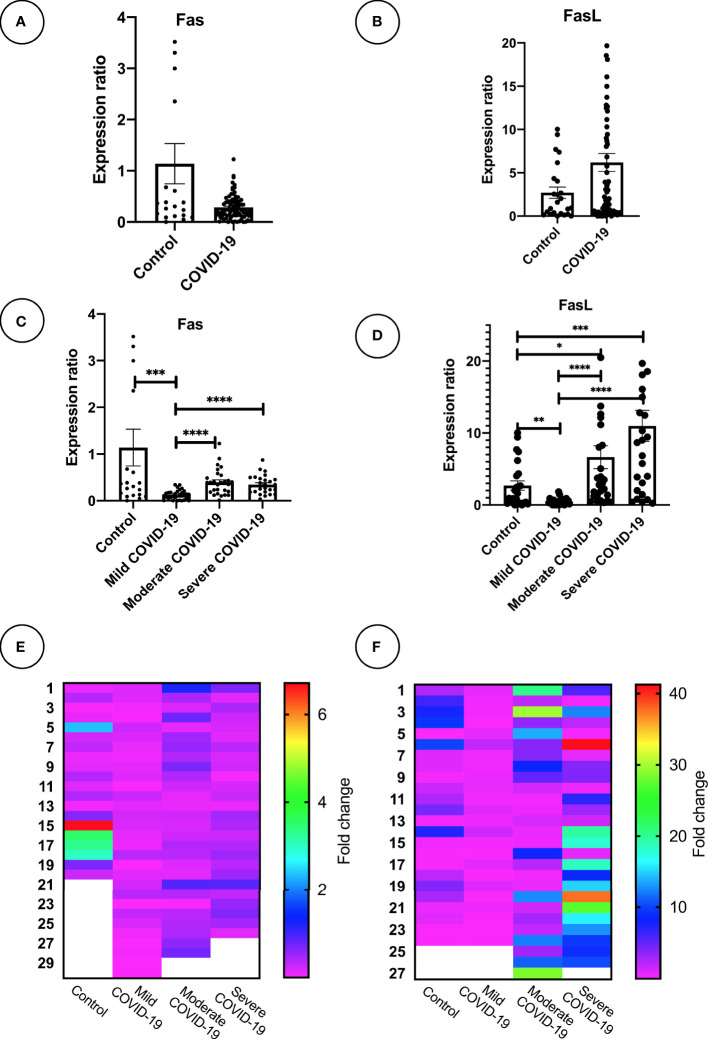
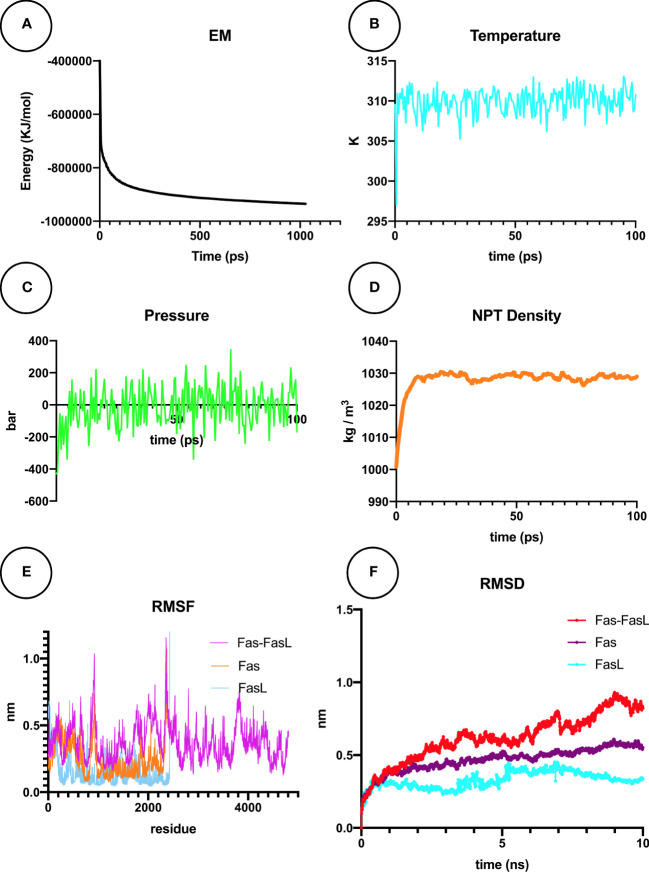
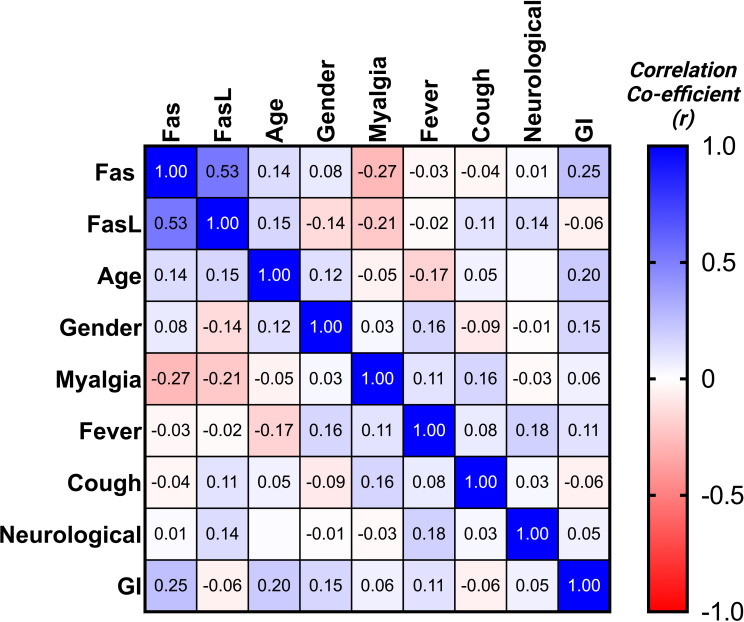
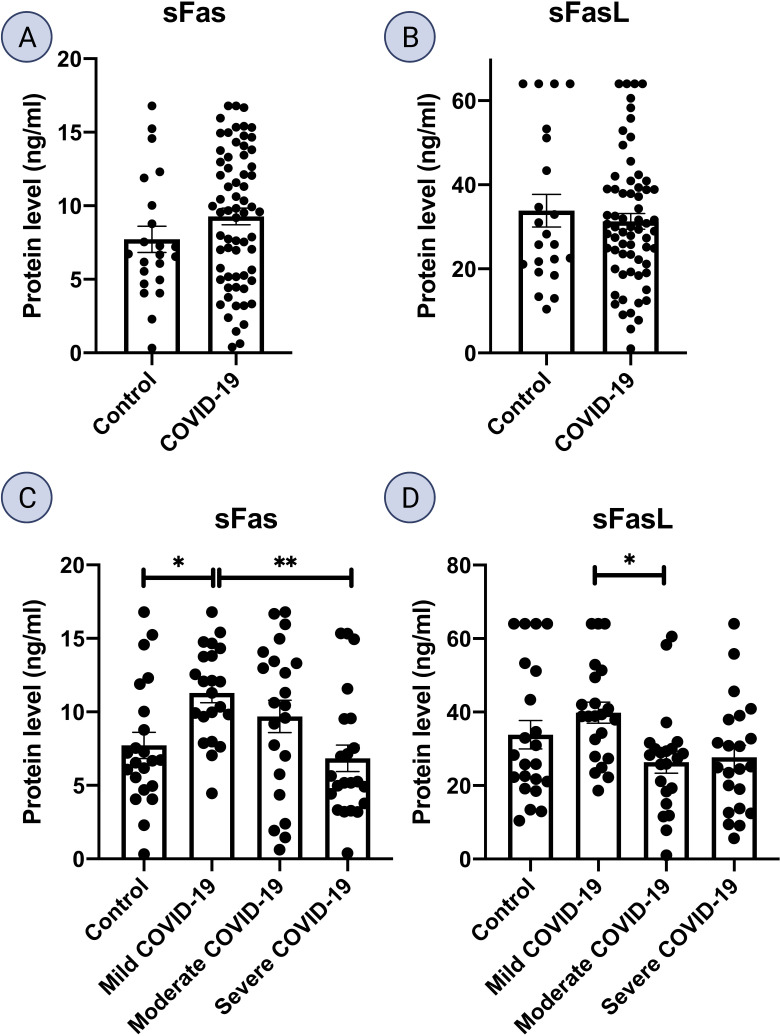
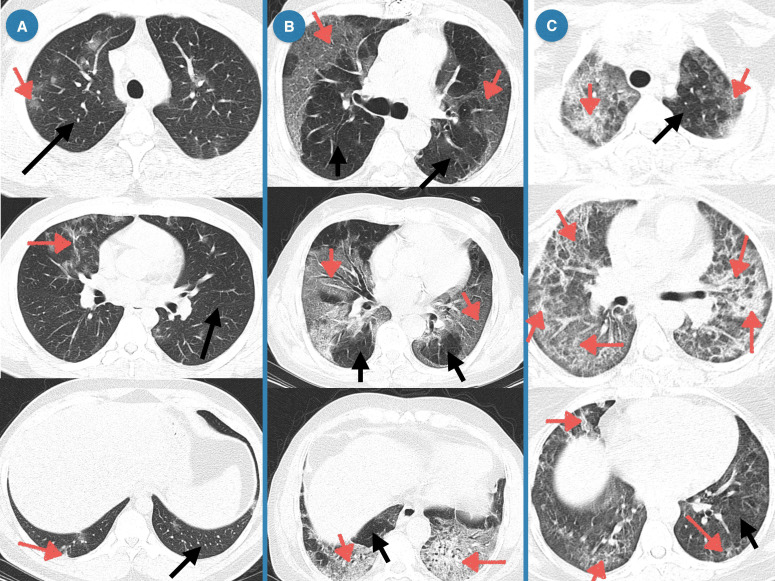
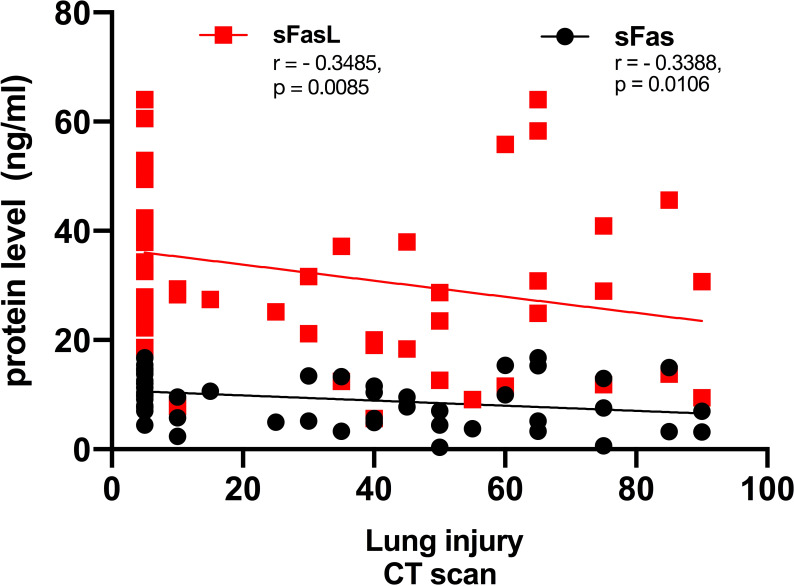
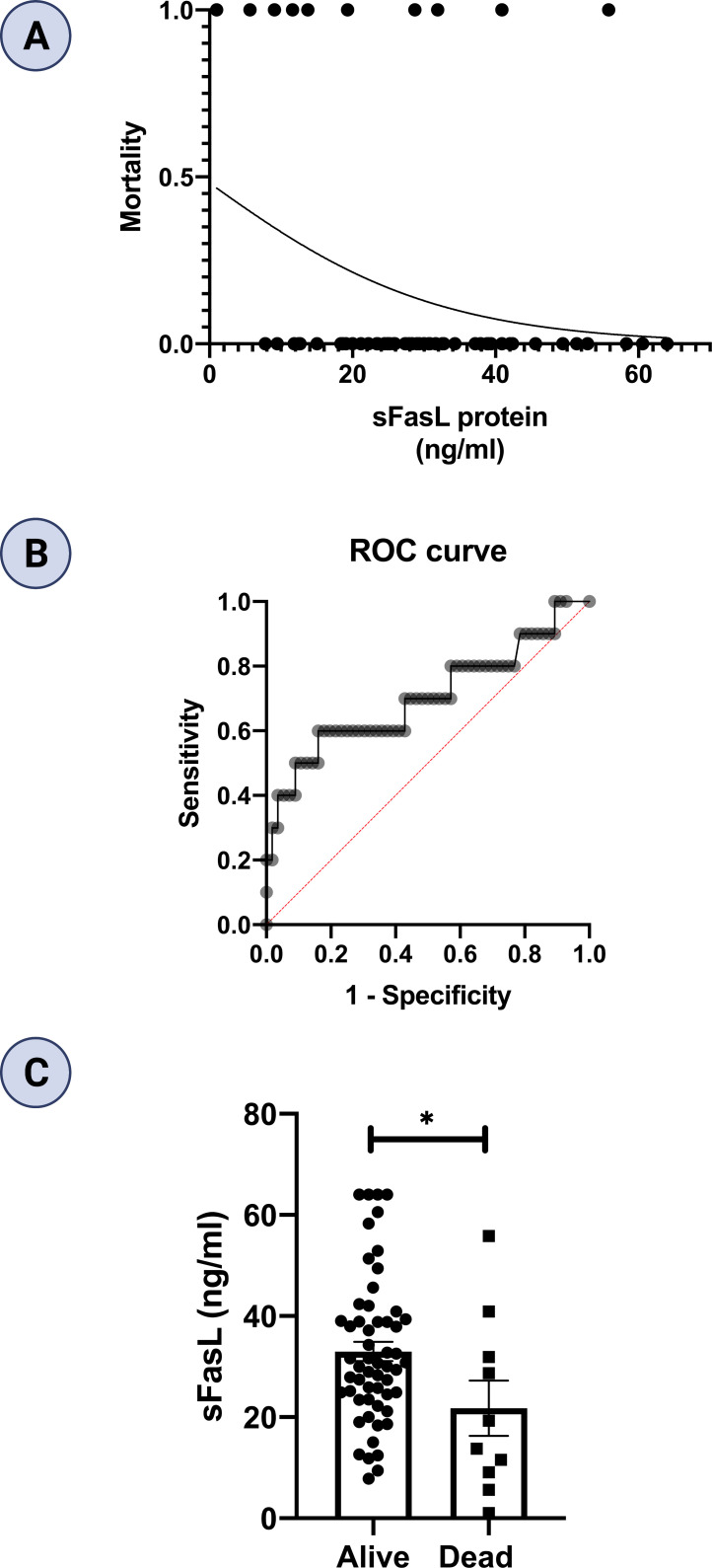
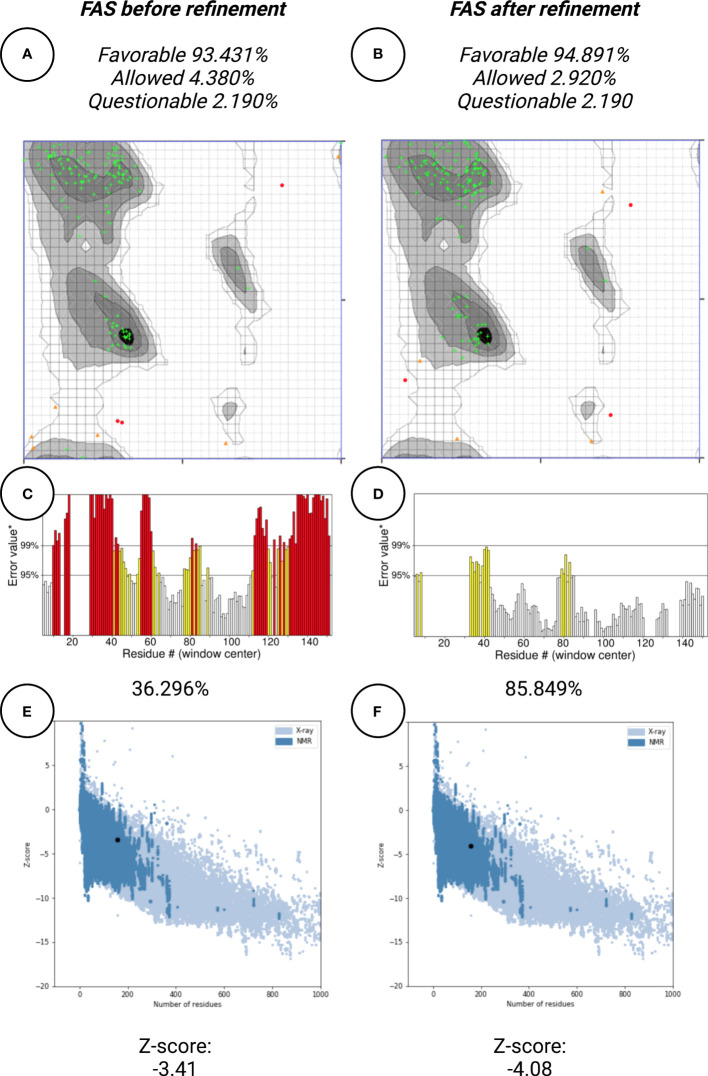
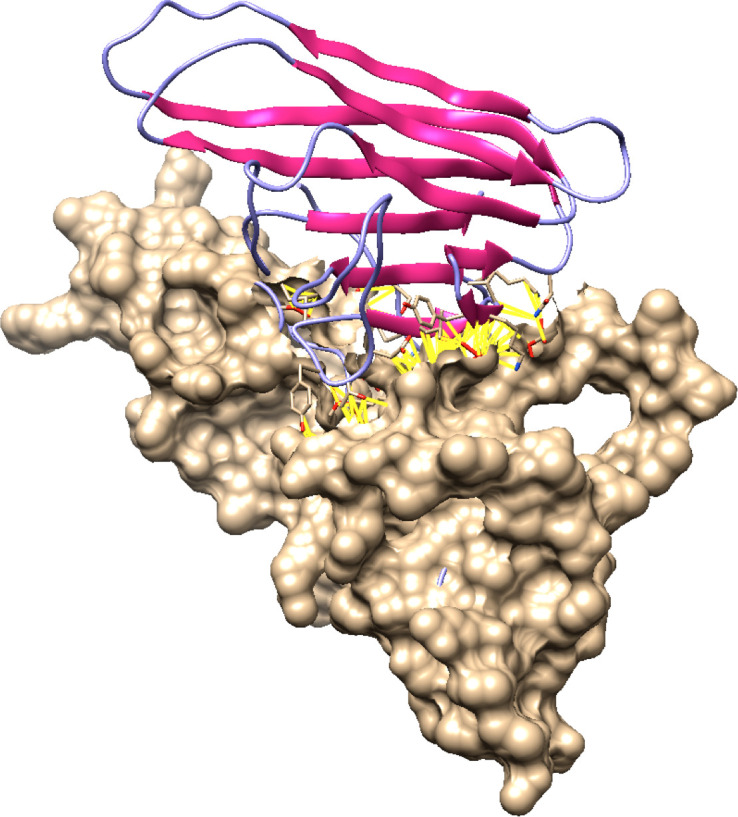
Finding cytokine storm initiator factors associated with uncontrolled inflammatory immune response is necessary in COVID-19 patients. The aim was the identification of Fas/Fas Ligand (FasL) role in lung involvement and mortality of COVID-19 patients. In this case-control study, mild (outpatient), moderate (hospitalized), and severe (ICU) COVID-19 patients and healthy subjects were investigated. RNA isolated from PBMCs for cDNA synthesis and expression of mFas/mFasL mRNA was evaluated by RT-PCR. Serum sFas/sFasL protein by ELISA and severity of lung involvement by CT-scan were evaluated. Also, we docked Fas and FasL Bioinformatics software () to predict the best-fit Fas/FasL complex and performed molecular dynamics simulation (MDS) in hyponatremia and fever (COVID-19 patients), and healthy conditions. mFasL expression was increased in moderate and severe COVID-19 patients compared to the control group. Moreover, mFas expression showed an inverse correlation with myalgia symptom in COVID-19 patients. Elevation of sFasL protein in serum was associated with reduced lung injury and mortality. Bioinformatics analysis confirmed that blood profile alterations of COVID-19 patients, such as fever and hyponatremia could affect Fas/FasL complex interactions. Our translational findings showed that decreased sFasL is associated with lung involvement; severity and mortality in COVID-19 patients. We think that sFasL is a mediator of neutrophilia and lymphopenia in COVID-19. However, additional investigation is suggested. This is the first report describing that the serum sFasL protein is a severity and mortality prognostic marker for the clinical management of COVID-19 patients.
在 COVID-19 患者中,寻找与不受控制的炎症免疫反应相关的细胞因子风暴启动因子是必要的。目的是确定 Fas/Fas 配体 (FasL) 在 COVID-19 患者肺部受累和死亡率中的作用。在这项病例对照研究中,研究了轻度(门诊)、中度(住院)和重度(ICU)COVID-19 患者和健康受试者。从 PBMC 中分离 RNA 用于 cDNA 合成,并通过 RT-PCR 评估 mFas/mFasL mRNA 的表达。通过 ELISA 评估血清 sFas/sFasL 蛋白,通过 CT 扫描评估肺部受累的严重程度。此外,我们使用 Fas 和 FasL 生物信息学软件 () 对接来预测 Fas/FasL 复合物的最佳拟合,并在低钠血症和发热(COVID-19 患者)以及健康条件下进行分子动力学模拟 (MDS)。与对照组相比,中度和重度 COVID-19 患者的 mFasL 表达增加。此外,COVID-19 患者的 mFas 表达与肌痛症状呈负相关。血清 sFasL 蛋白升高与肺损伤和死亡率降低有关。生物信息学分析证实,COVID-19 患者的血液特征改变,如发热和低钠血症,可能会影响 Fas/FasL 复合物相互作用。我们的转化研究结果表明,sFasL 减少与 COVID-19 患者的肺部受累、严重程度和死亡率相关。我们认为 sFasL 是 COVID-19 中性粒细胞增多和淋巴细胞减少的介质。然而,建议进行进一步的研究。这是第一个描述血清 sFasL 蛋白是 COVID-19 患者临床管理中严重程度和死亡率的预后标志物的报告。