Solid Tumor Research Center, Cellular and Molecular Medicine Institute, Urmia University of Medical Sciences, Shafa St, Ershad Blvd., P.O. BoX: 1138, Urmia, 57147, Iran.
Institute of Molecular Biophysics, Florida State University, Florida, USA.
Cell Commun Signal. 2022 Sep 19;20(1):145. doi: 10.1186/s12964-022-00959-4.
Exosomes are progressively known as significant mediators of cell-to-cell communication. They convey active biomolecules to target cells and have vital functions in several physiological and pathological processes, and show substantial promise as novel treatment strategies for diseases.
In this review study, we studied numerous articles over the past two decades published on application of exosomes in different diseases as well as on perspective and challenges in this field.
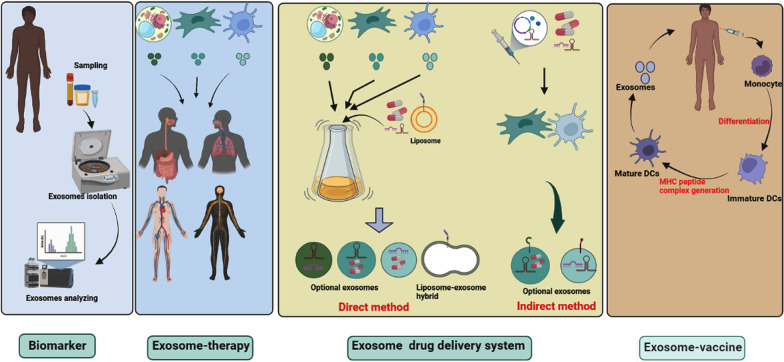
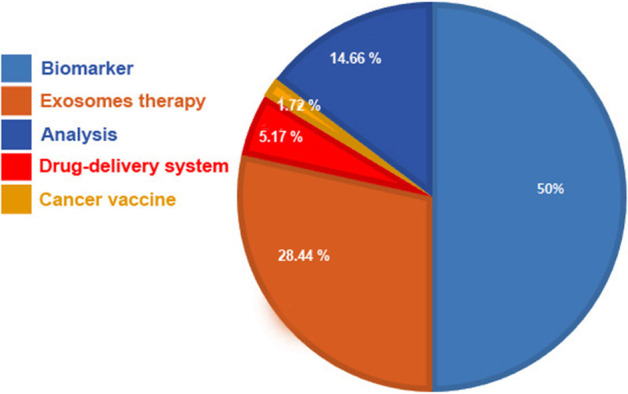
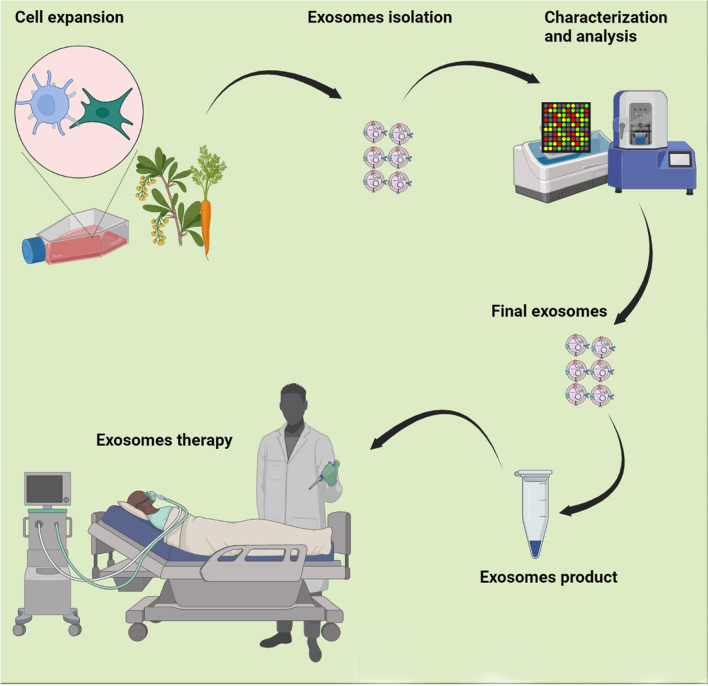
The main clinical application of exosomes are using them as a biomarker, cell-free therapeutic agents, drug delivery carriers, basic analysis for exosome kinetics, and cancer vaccine. Different exosomes from human or plant sources are utilized in various clinical trials. Most researchers used exosomes from the circulatory system for biomarker experiments. Mesenchymal stem cells (MSCs) and dendritic cells (DCs) are two widely held cell sources for exosome use. MSCs-derived exosomes are commonly used for inflammation treatment and drug delivery, while DCs-exosomes are used to induce inflammation response in cancer patients. However, the clinical application of exosomes faces various questions and challenges. In addition, translation of exosome-based clinical trials is required to conform to specific good manufacturing practices (GMP). In this review, we summarize exosomes in the clinical trials according to the type of application and disease. We also address the main questions and challenges regarding exosome kinetics and clinical applications.
Exosomes are promising platforms for treatment of many diseases in clinical trials. This exciting field is developing hastily, understanding of the underlying mechanisms that direct the various observed roles of exosomes remains far from complete and needs further multidisciplinary research in working with these small vesicles. Video Abstract.
外泌体逐渐被认为是细胞间通讯的重要介质。它们将活性生物分子传递到靶细胞,并在多种生理和病理过程中发挥重要功能,作为疾病的新型治疗策略具有巨大的潜力。
在这项综述研究中,我们研究了过去二十年中发表的大量关于外泌体在不同疾病中的应用以及该领域的前景和挑战的文章。
外泌体的主要临床应用是将其用作生物标志物、无细胞治疗剂、药物输送载体、外泌体动力学的基础分析和癌症疫苗。来自人类或植物来源的不同外泌体正在各种临床试验中得到应用。大多数研究人员使用循环系统中的外泌体进行生物标志物实验。间充质干细胞 (MSCs) 和树突状细胞 (DCs) 是两种广泛应用的外泌体来源细胞。MSCs 衍生的外泌体通常用于炎症治疗和药物输送,而 DCs 衍生的外泌体用于诱导癌症患者的炎症反应。然而,外泌体的临床应用面临着各种问题和挑战。此外,基于外泌体的临床试验的转化需要符合特定的良好生产规范 (GMP)。在本综述中,我们根据应用类型和疾病对外泌体在临床试验中的应用进行了总结。我们还讨论了关于外泌体动力学和临床应用的主要问题和挑战。
外泌体是临床试验中治疗多种疾病的有前途的平台。这个令人兴奋的领域正在迅速发展,对外泌体各种观察到的作用所指导的潜在机制的理解还远远不够,需要与这些小囊泡一起进行进一步的多学科研究。视频摘要。