• 文献检索
  • 文档翻译
  • 深度研究
  • 学术资讯
  • Suppr Zotero 插件Zotero 插件
  • 邀请有礼
  • 套餐&价格
  • 历史记录
应用&插件
Suppr Zotero 插件Zotero 插件浏览器插件Mac 客户端Windows 客户端微信小程序
定价
高级版会员购买积分包购买API积分包
服务
文献检索文档翻译深度研究API 文档MCP 服务
关于我们
关于 Suppr公司介绍联系我们用户协议隐私条款
关注我们

Suppr 超能文献

核心技术专利:CN118964589B侵权必究
粤ICP备2023148730 号-1Suppr @ 2026

文献检索

告别复杂PubMed语法,用中文像聊天一样搜索,搜遍4000万医学文献。AI智能推荐,让科研检索更轻松。

立即免费搜索

文件翻译

保留排版,准确专业,支持PDF/Word/PPT等文件格式,支持 12+语言互译。

免费翻译文档

深度研究

AI帮你快速写综述,25分钟生成高质量综述,智能提取关键信息,辅助科研写作。

立即免费体验

鸟类疟原虫(血孢子虫目,疟原虫科)的关键特征。

Keys to the avian Haemoproteus parasites (Haemosporida, Haemoproteidae).

机构信息

Nature Research Centre, Akademijos 2, 2100, LT-08412, Vilnius, Lithuania.

出版信息

Malar J. 2022 Sep 19;21(1):269. doi: 10.1186/s12936-022-04235-1.

DOI:10.1186/s12936-022-04235-1
PMID:36123731
原文链接:https://pmc.ncbi.nlm.nih.gov/articles/PMC9487097/
Abstract

BACKGROUND

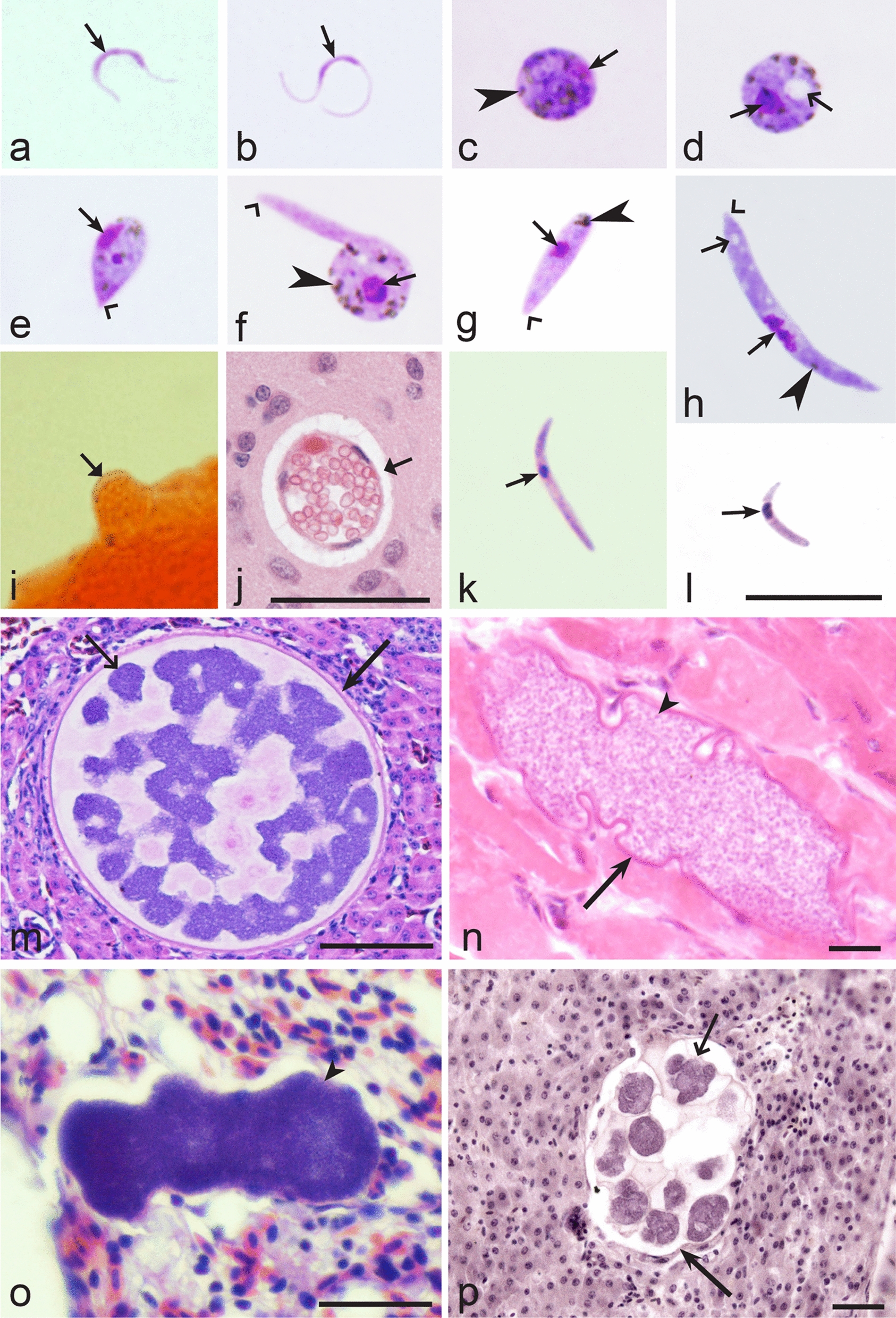
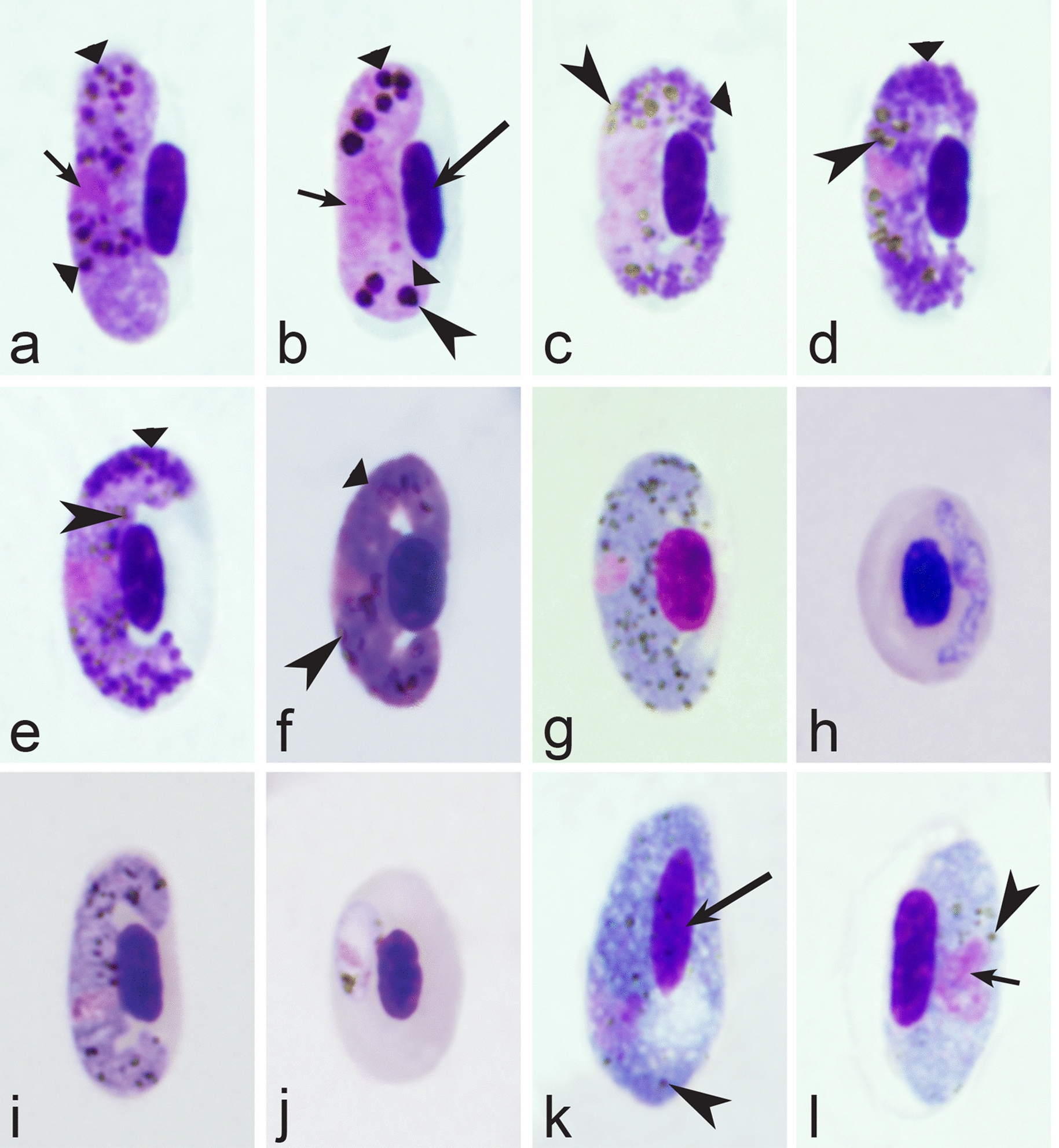
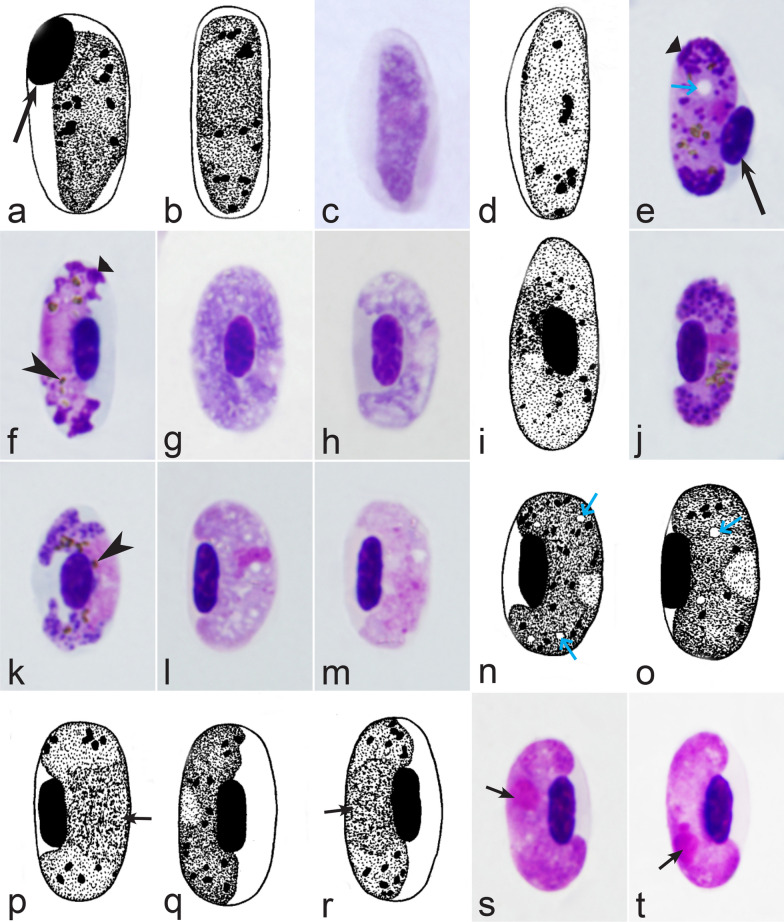
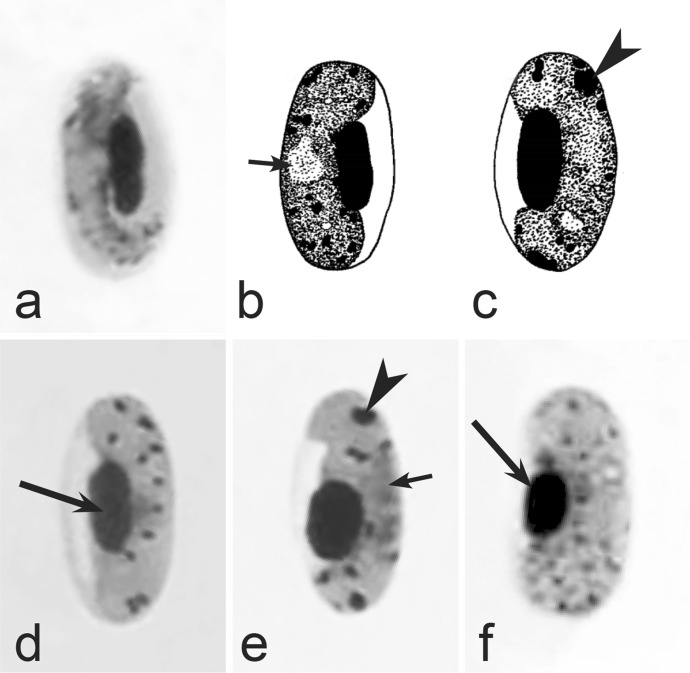
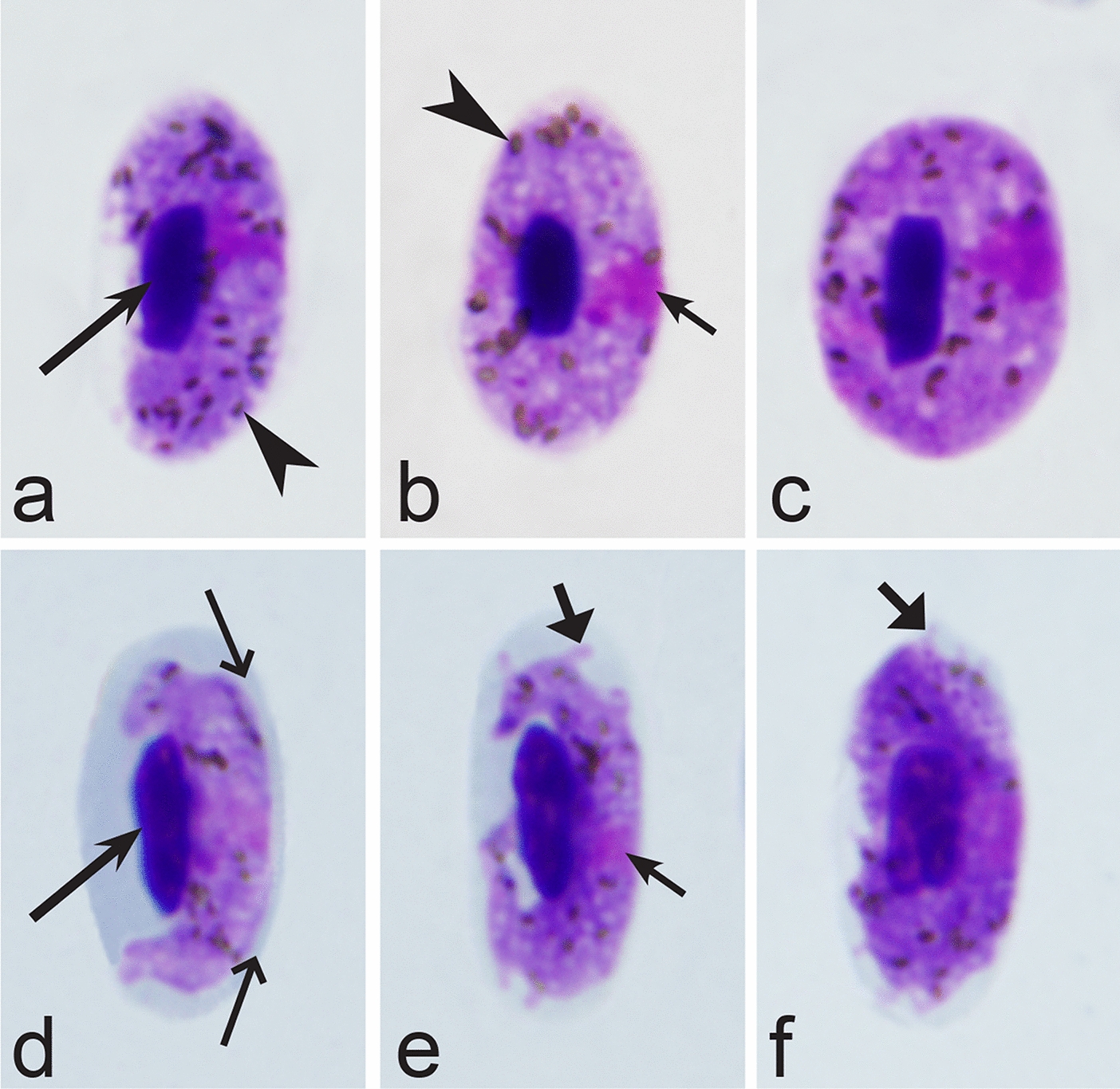
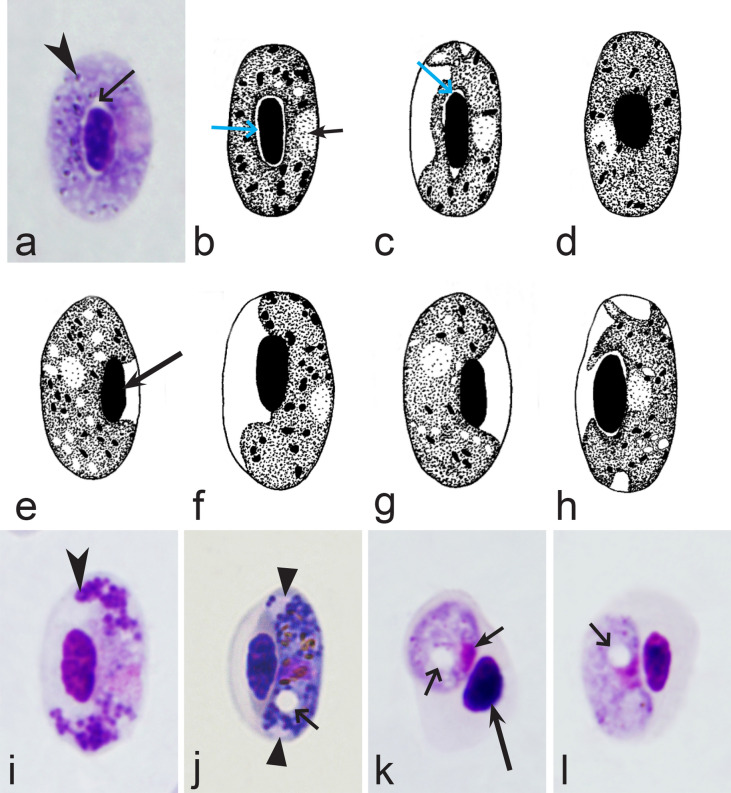
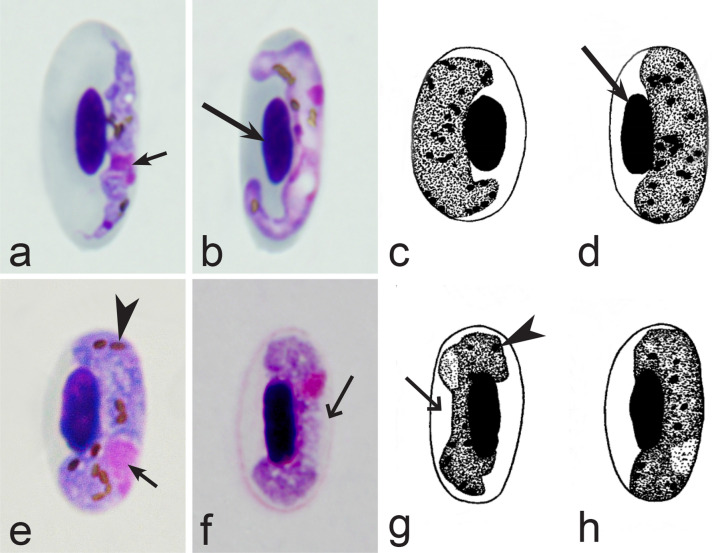
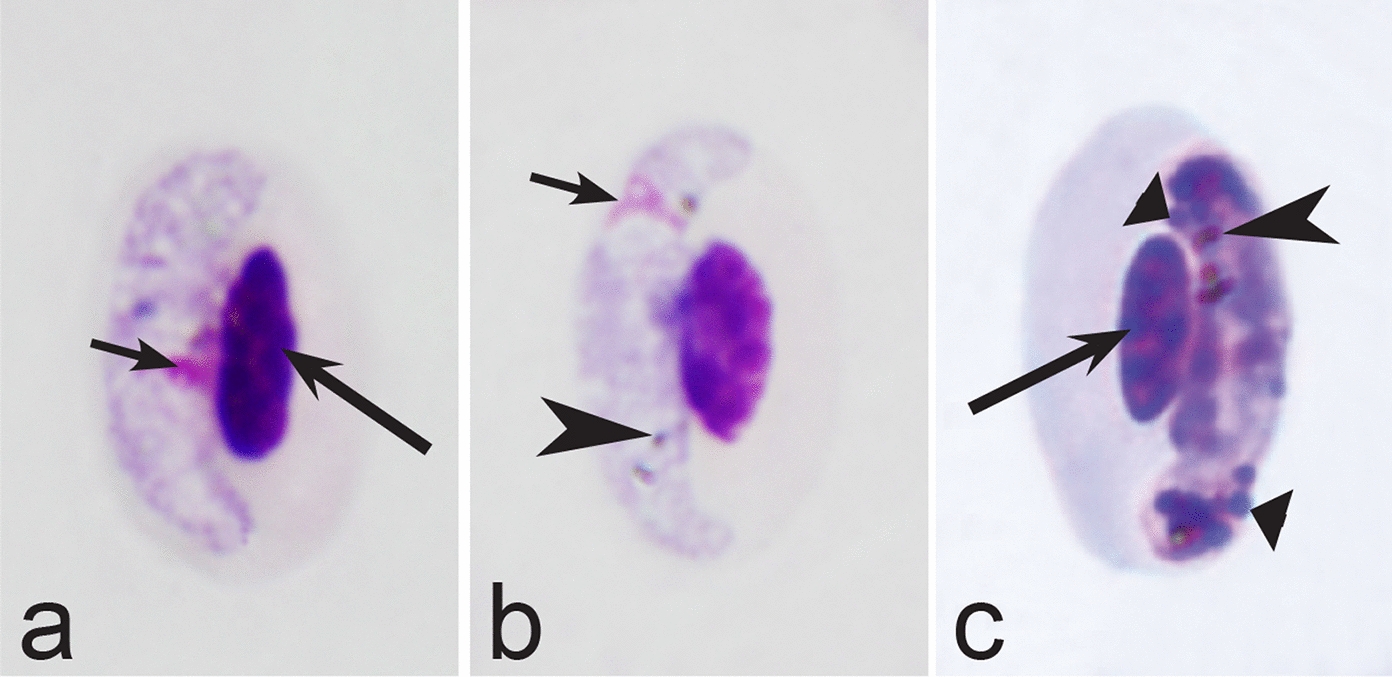
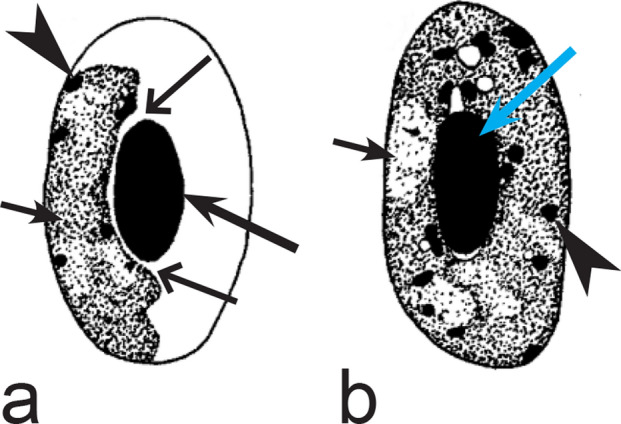
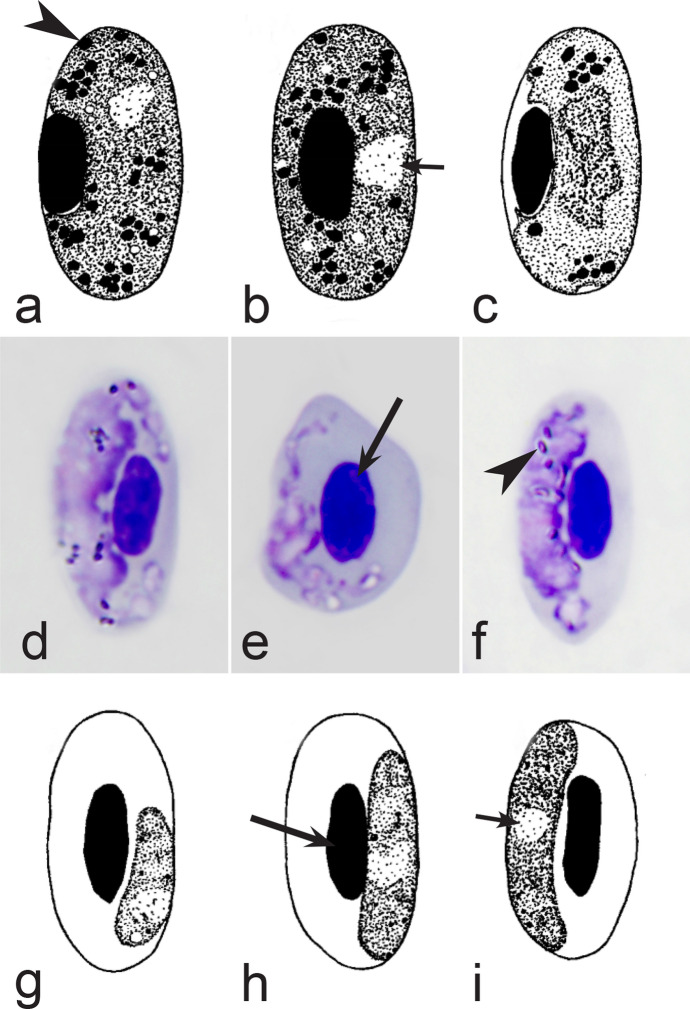
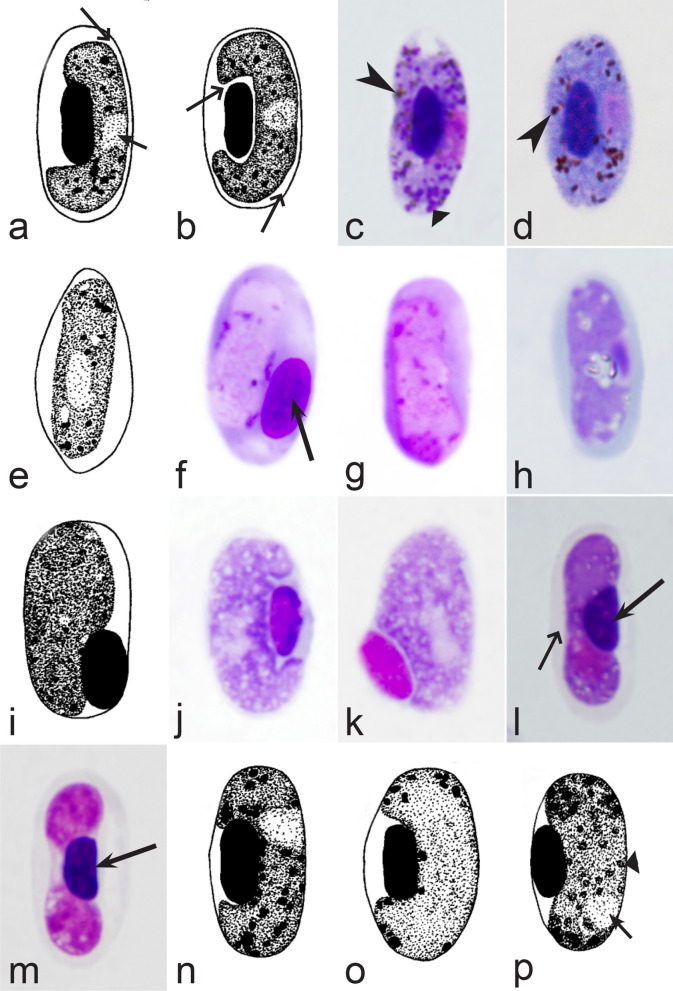
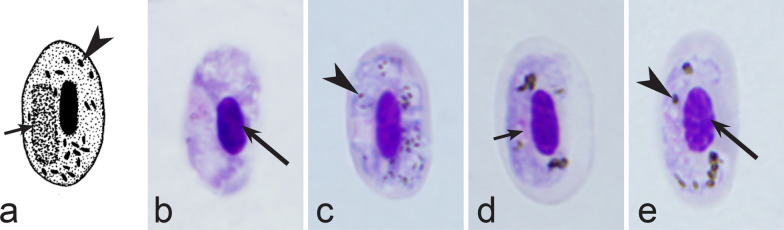
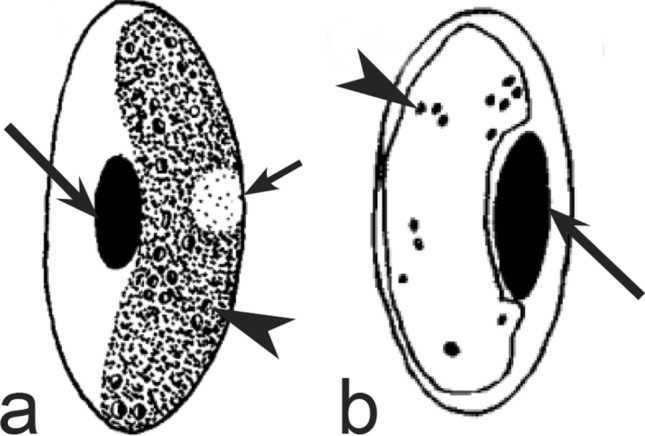
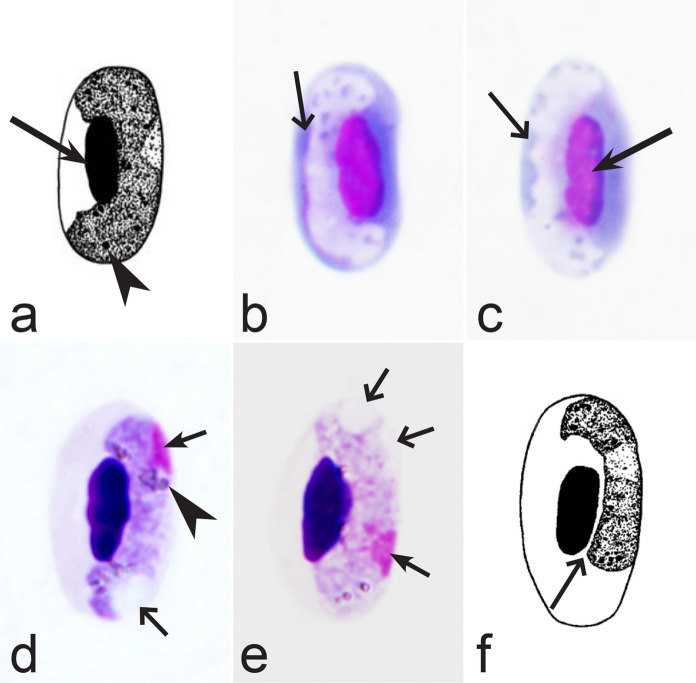
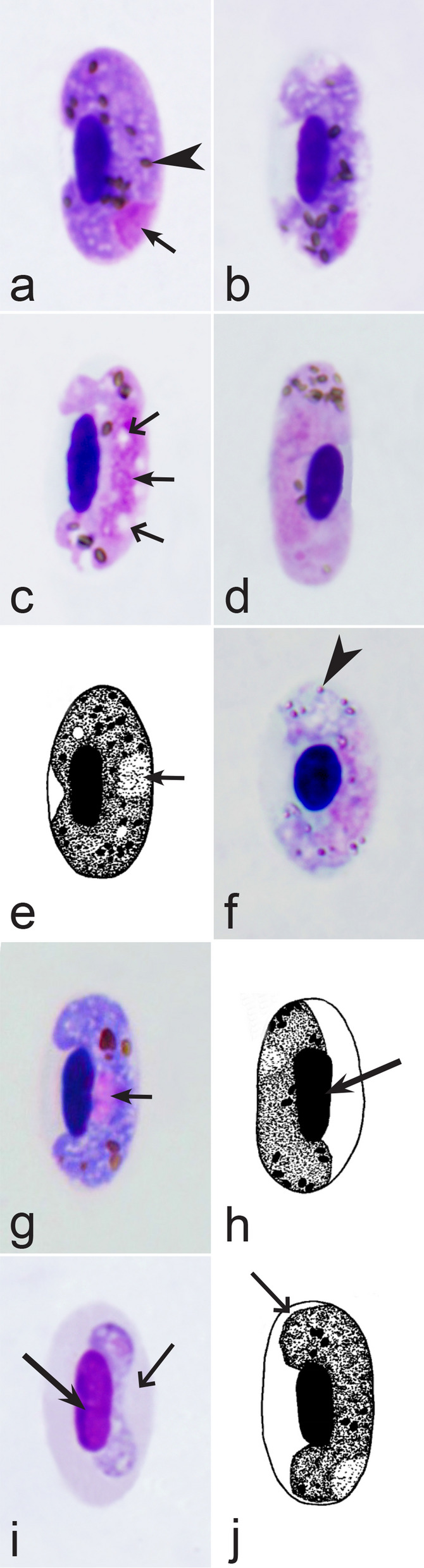
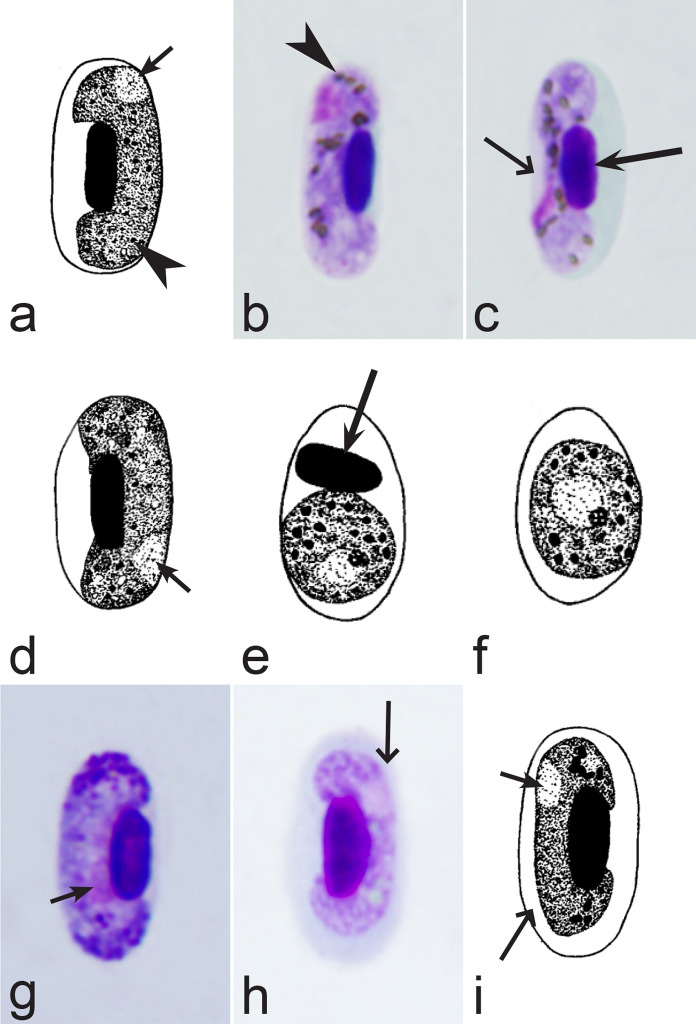
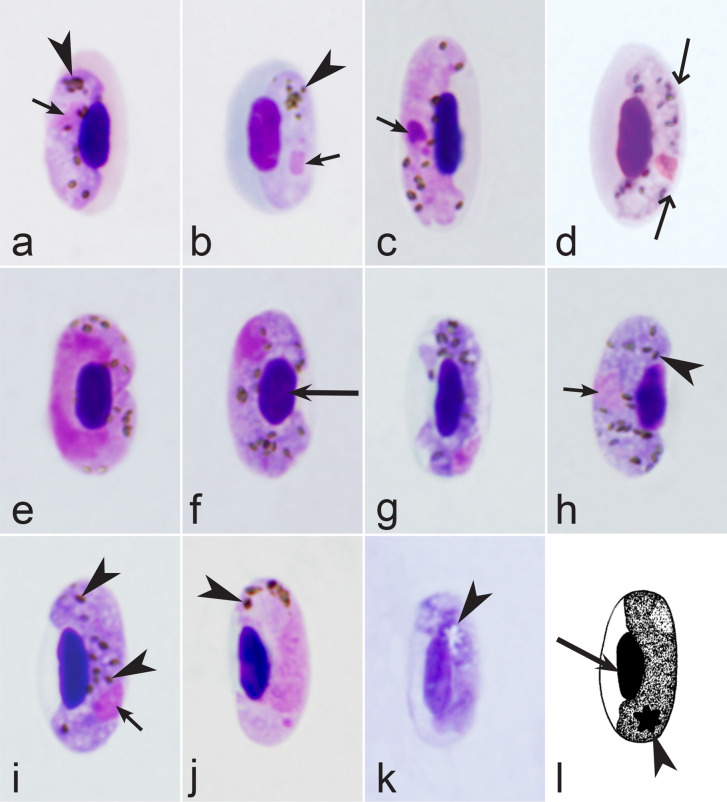
Haemoproteus is a sister genus to malaria parasites (Plasmodium), which both belong to the order Haemosporida (Apicomplexa). Parasites of both genera are flourishing in birds, however, Haemoproteus species are noticeably less investigated. This is unfortunate because knowledge about close relatives of malaria pathogens is important for better understanding the evolutionary origin and basic biological features of the entire group of haemosporidian infections. Moreover, recent findings show that Haemoproteus species can cause severe damage of various bird organs due to megalomeronts and other exo-erythrocytic stages. These haemosporidians are remarkably diverse, but remain neglected partly due to difficulties in species identification. Hundreds of Haemoproteus genetic lineages have been reported in birds, and numerous new lineages are found each year, but most remain unidentified to the species level. Numerous new Haemoproteus pathogens were described during the past 20 years. However, keys for their identification are absent. Identification of Haemoproteus species remains a difficult task and is an obstacle for better understanding of the distribution and epidemiology of these parasites. This study aimed to develop comprehensive keys for the identification of described avian Haemoproteus species using morphological features of their blood stages (gametocytes).

METHODS

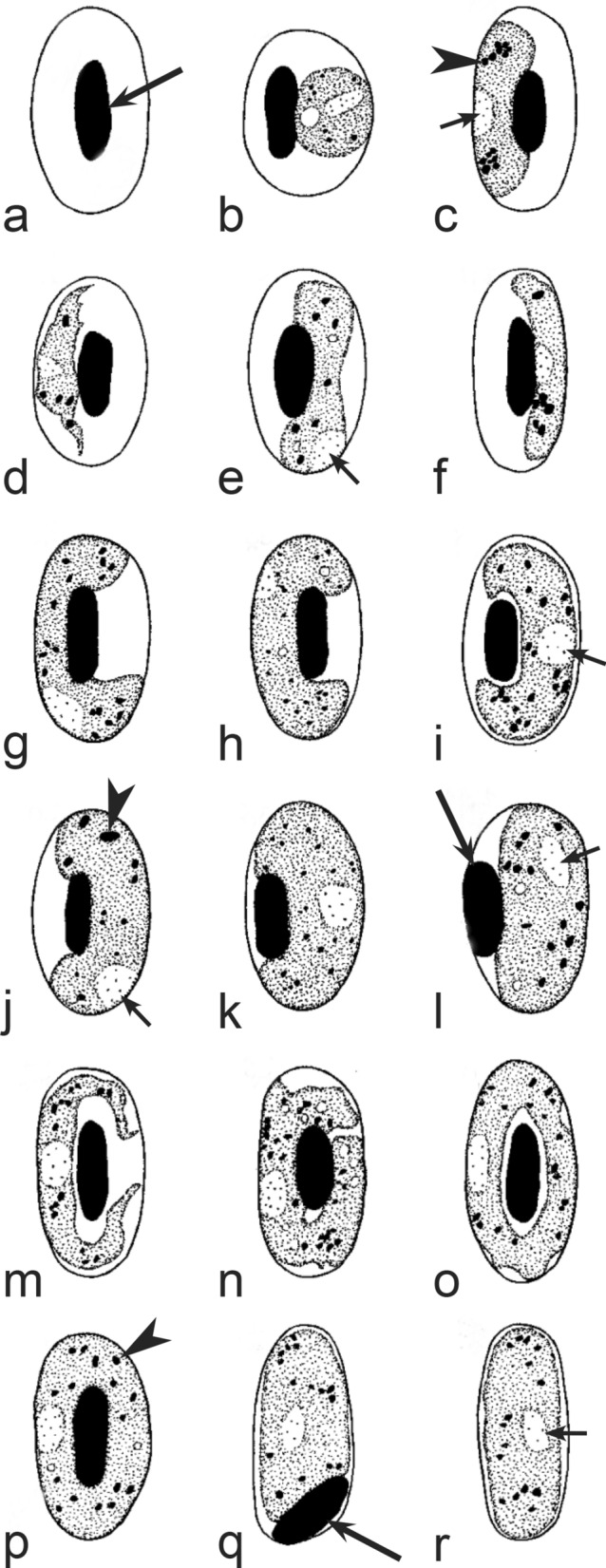
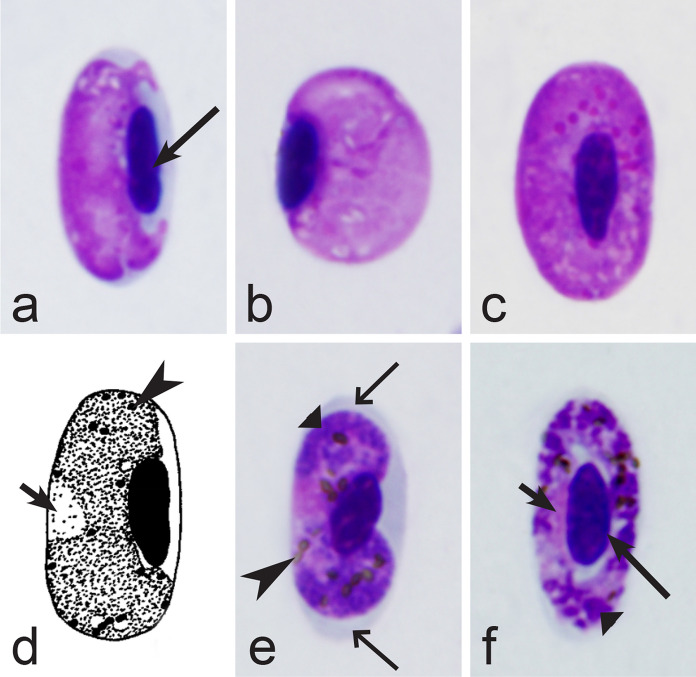
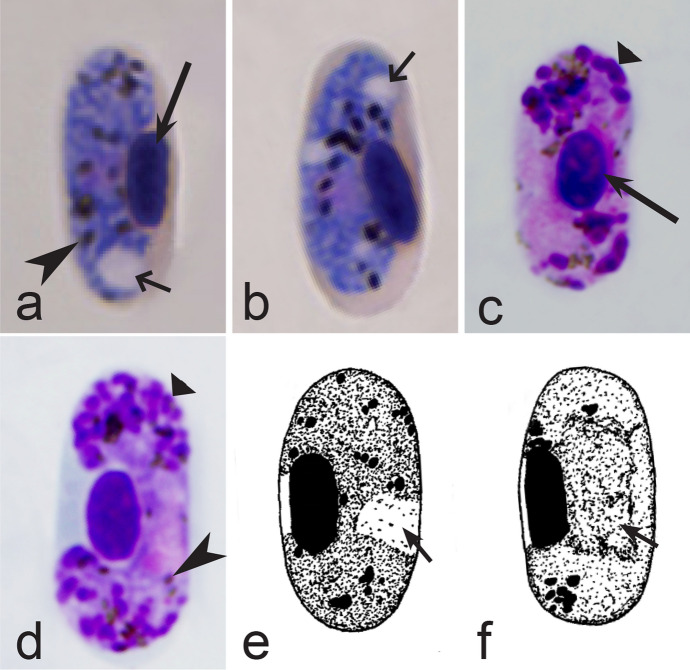
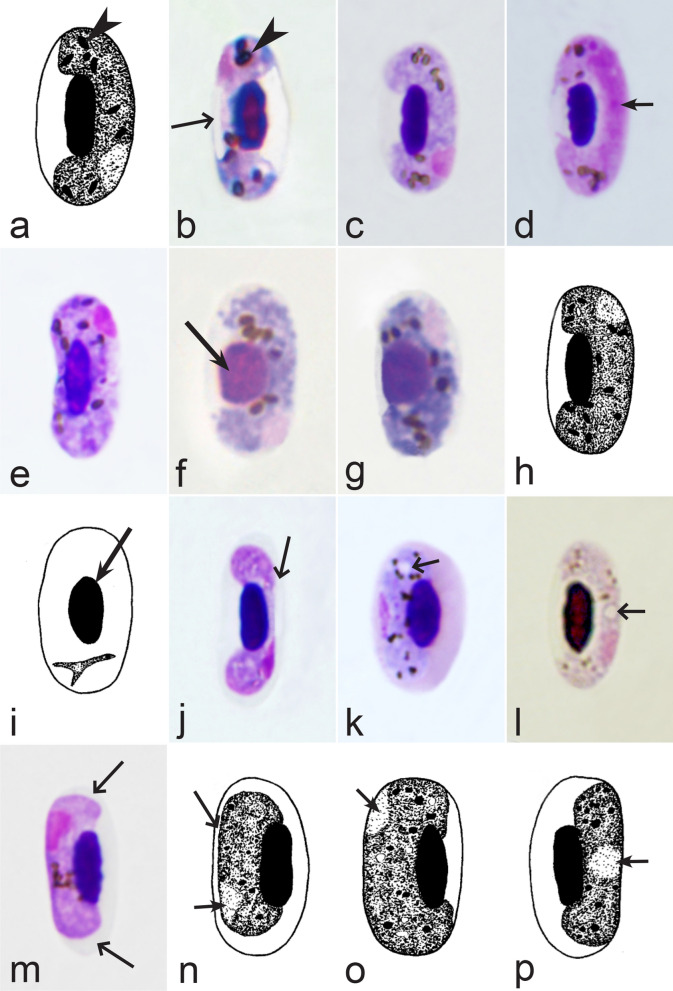
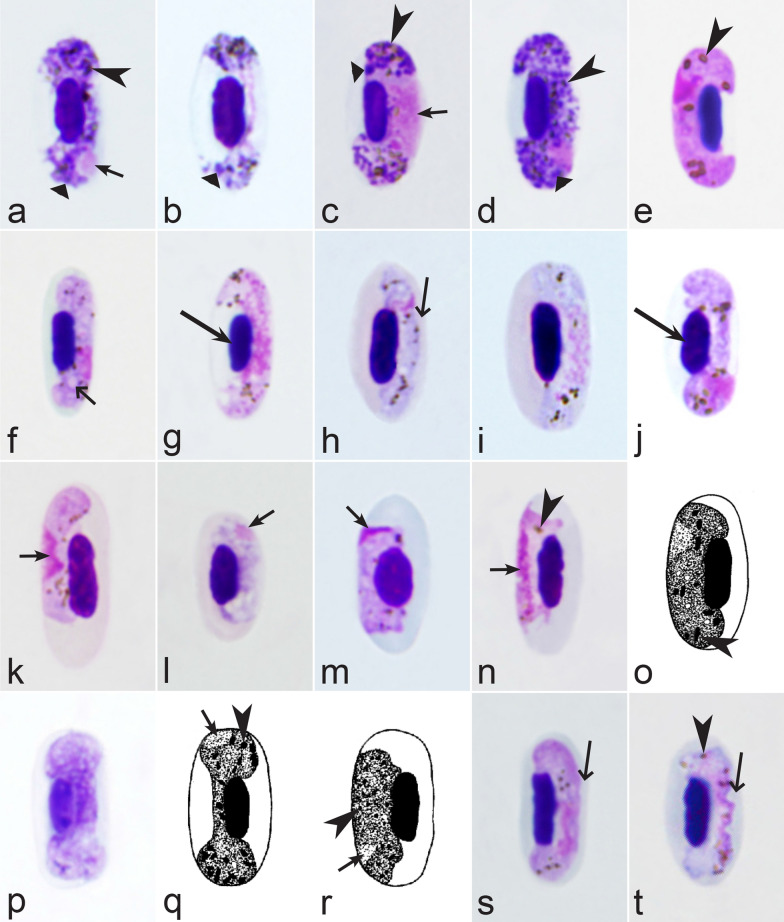
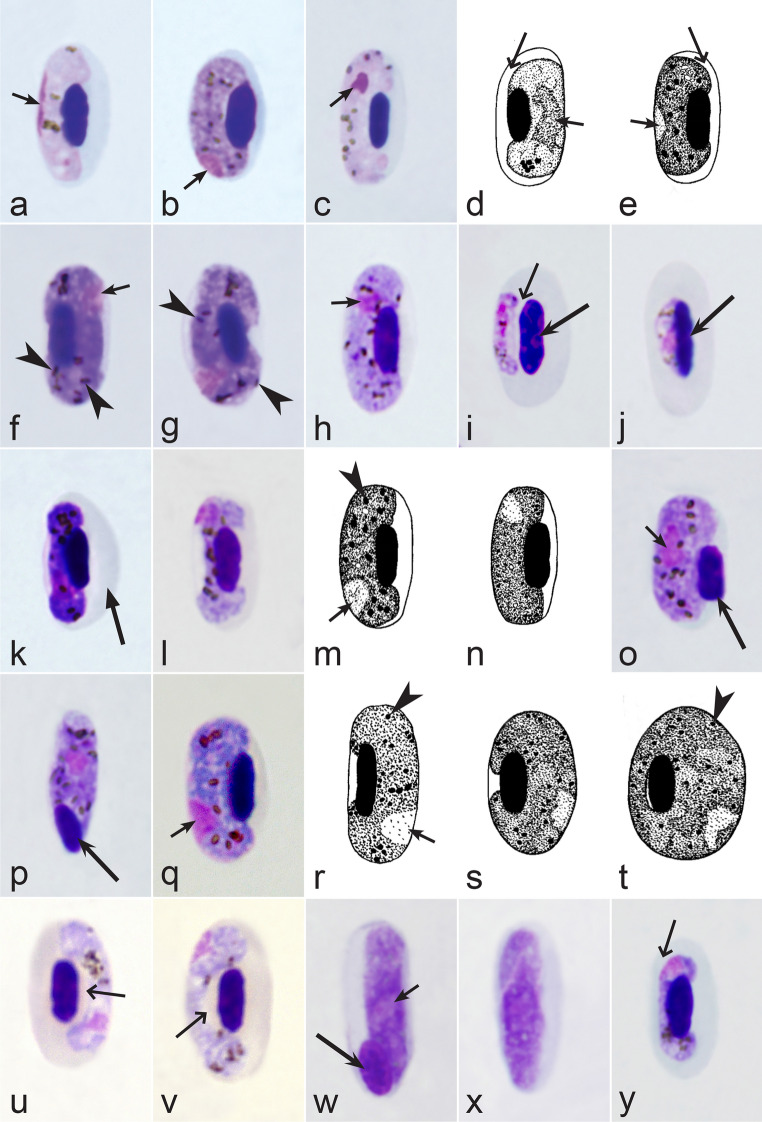
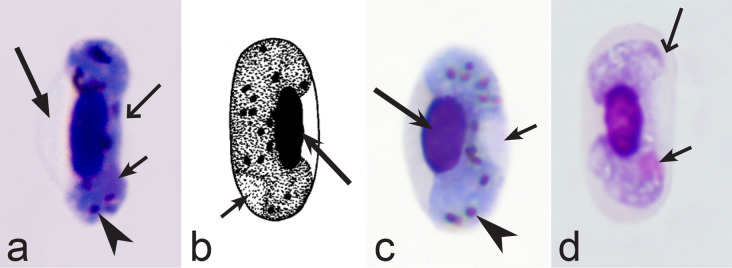
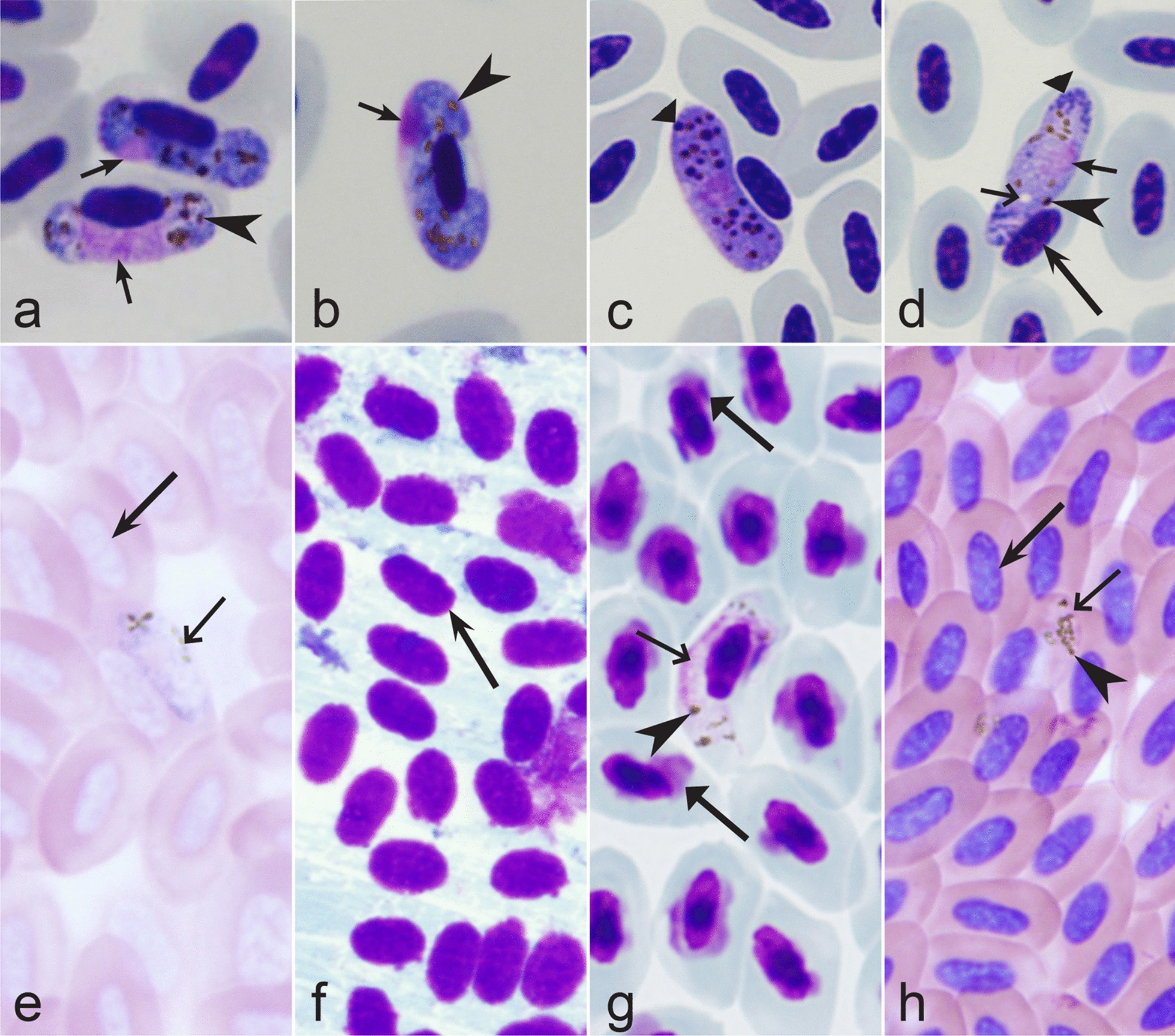
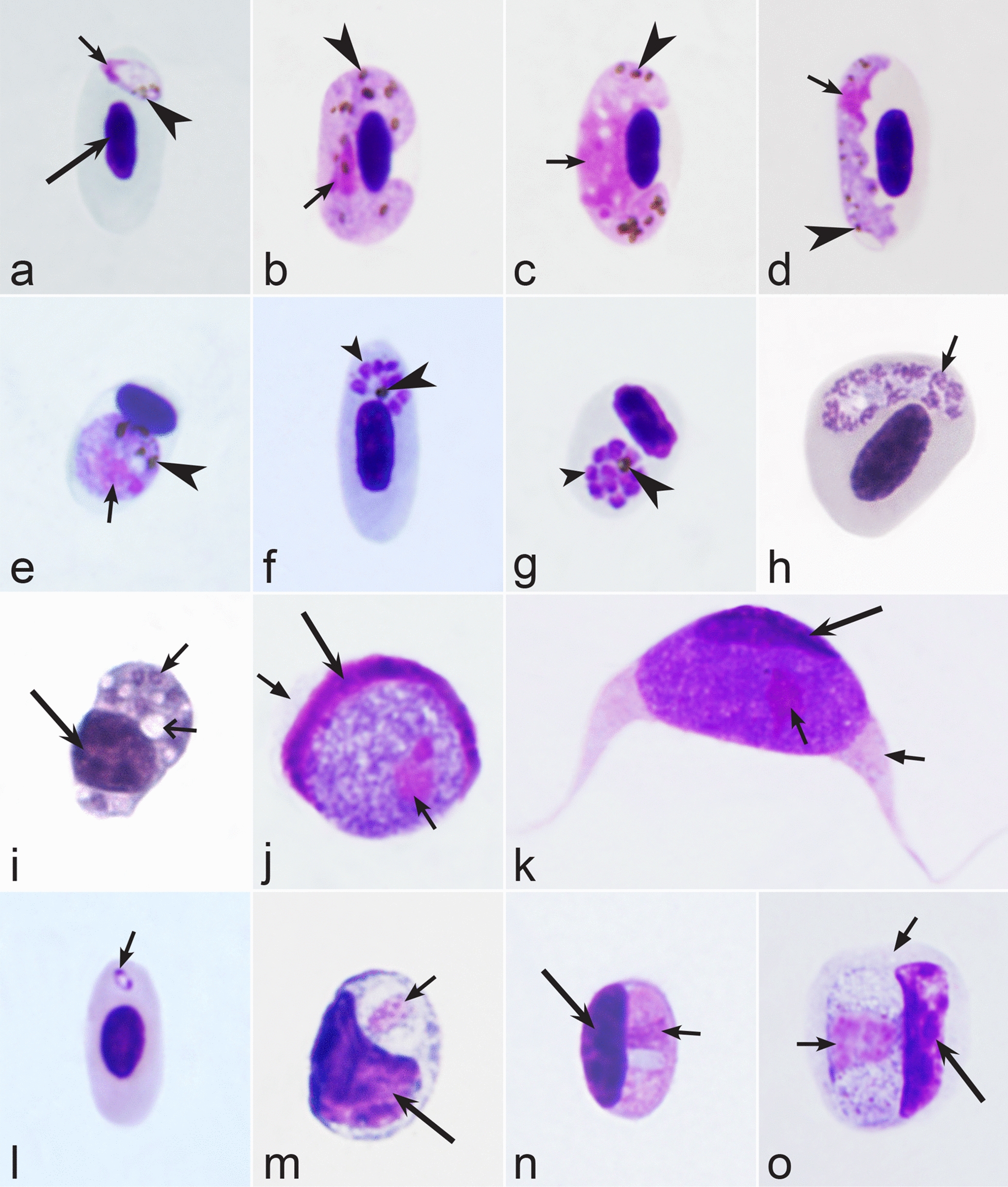
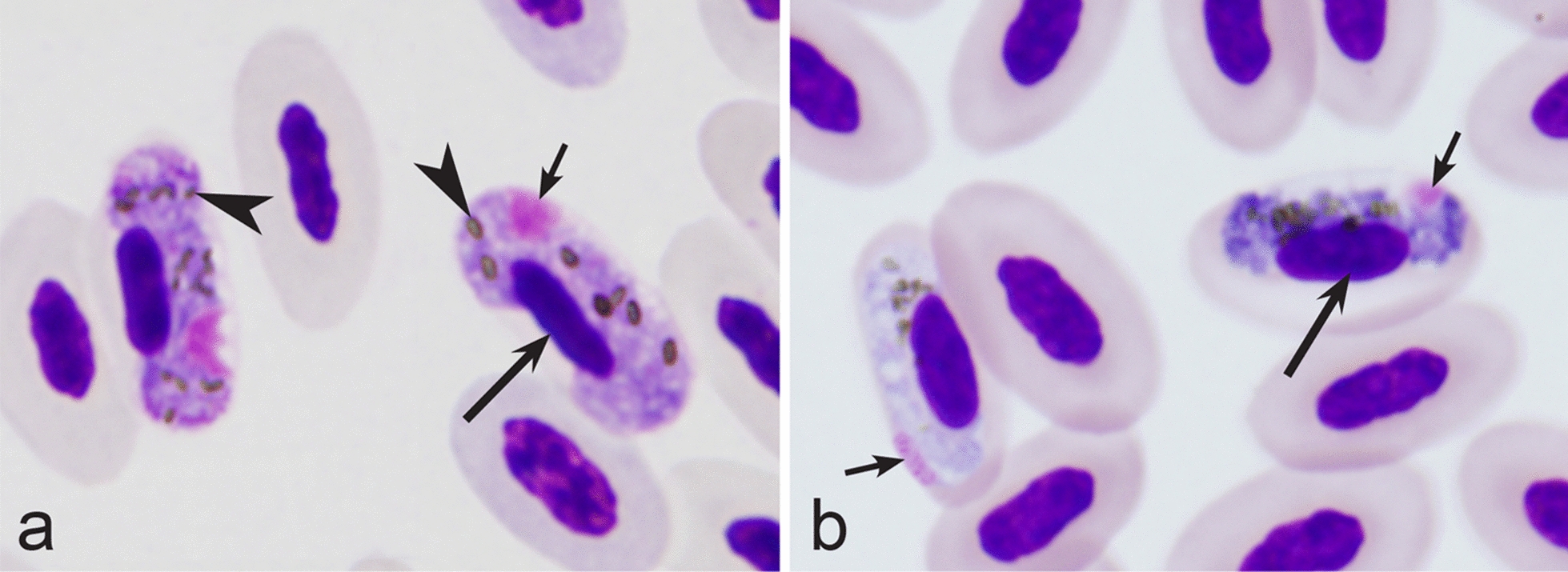
Type and voucher preparations of avian Haemoproteus species were accessed in museums in Europe, Australia and the USA. Gametocytes of most described species were examined, and these data formed a background for this study. The data also were considered from published articles containing parasite species descriptions. The method of dichotomous keys was applied. The most difficult steps in the keys were accompanied with references to the corresponding parasite pictures.

RESULTS

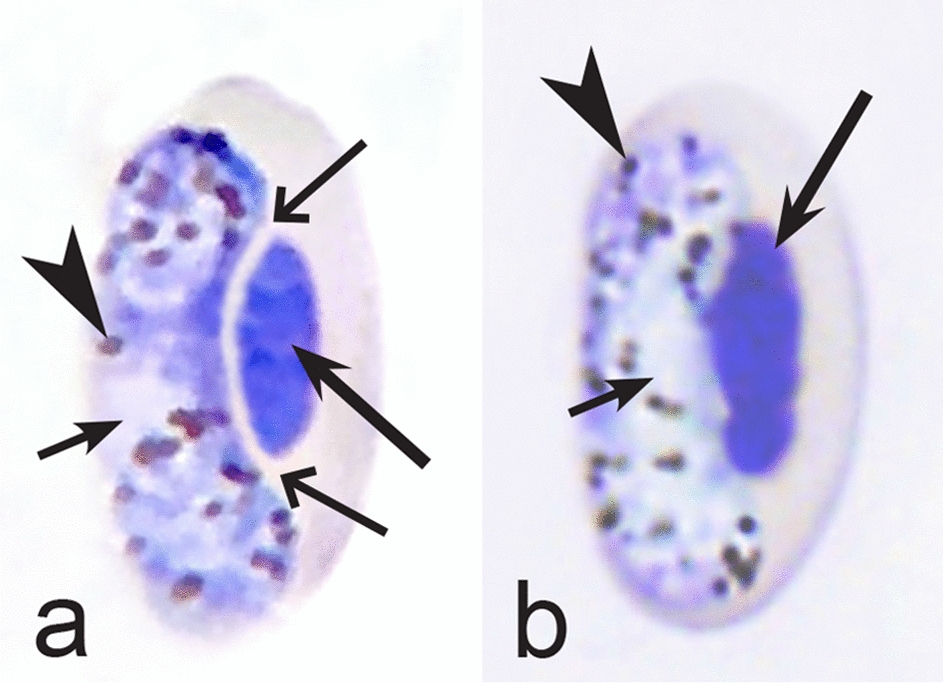
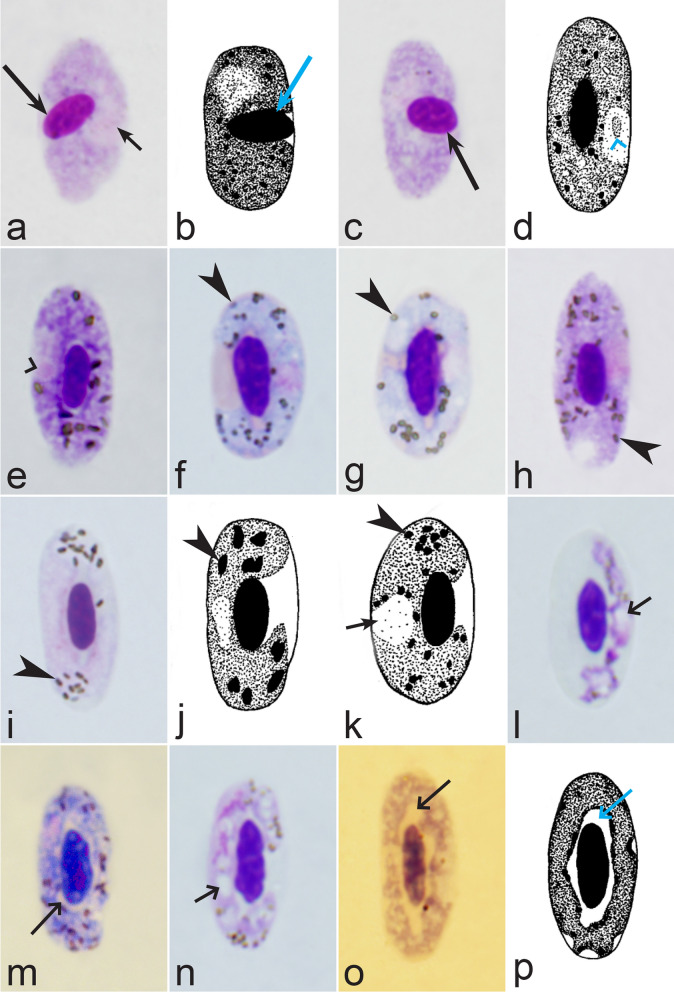
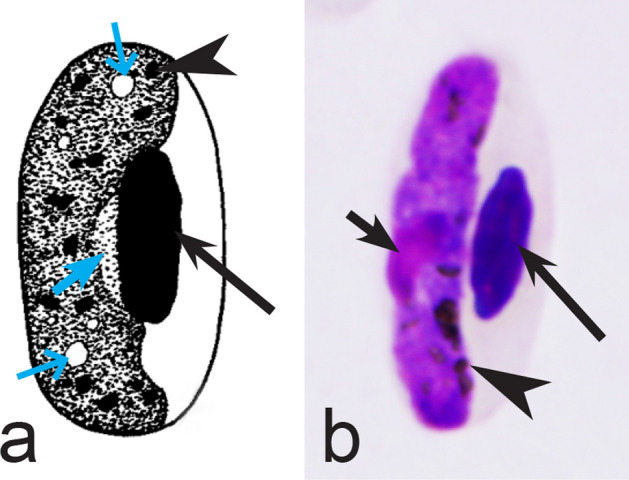
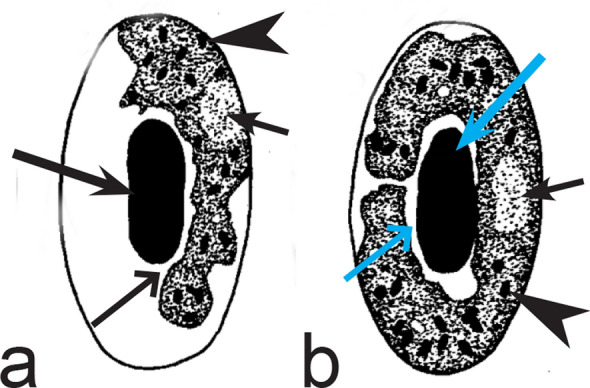
In all, 201 published articles were included in this review. Morphological diagnostic features of gametocytes of all described Haemoproteus species were analysed and compared. Illustrated keys for identification of these parasite species were developed. Available information about the molecular characterization of Haemoproteus parasites was provided.

CONCLUSION

This review shows that 177 described species of avian Haemoproteus can be distinguished and identified in blood films using morphological characters of their gametocytes and host cells. These species were incorporated in the keys. Information about possible morphologically cryptic parasites was provided. Molecular markers are available for only 42% of the described Haemoproteus parasites, calling for researchers to fill this gap.

摘要

背景

血孢子虫是疟原虫(疟原虫)的姊妹属,两者都属于血孢子虫目(Apicomplexa)。这两个属的寄生虫在鸟类中都很繁盛,然而,血孢子虫的研究明显较少。这很不幸,因为了解疟原虫病原体的近亲对于更好地了解整个血孢子虫感染群的进化起源和基本生物学特征很重要。此外,最近的研究结果表明,由于巨合子和其他红细胞外阶段,血孢子虫物种会对各种鸟类器官造成严重损害。这些血孢子虫种类繁多,但由于物种鉴定困难,部分仍被忽视。据报道,鸟类中有数百种血孢子虫遗传谱系,每年都会发现许多新的谱系,但大多数仍未鉴定到种的水平。在过去的 20 年中,描述了许多新的血孢子虫病原体。但是,缺乏识别它们的关键。血孢子虫物种的鉴定仍然是一项艰巨的任务,也是更好地了解这些寄生虫的分布和流行病学的障碍。本研究旨在使用其血液阶段(配子体)的形态特征,为已描述的禽血孢子虫物种开发全面的鉴定钥匙。

方法

在欧洲、澳大利亚和美国的博物馆中查阅了禽血孢子虫物种的类型和凭证标本。检查了大多数描述物种的配子体,并将这些数据作为本研究的背景。这些数据还来自包含寄生虫物种描述的已发表文章。应用了二项式钥匙法。钥匙中最困难的步骤附有相应寄生虫图片的参考。

结果

总共纳入了本综述的 201 篇已发表文章。分析和比较了所有描述的血孢子虫物种配子体的形态诊断特征,并开发了这些寄生虫物种的鉴定钥匙。提供了有关血孢子虫寄生虫分子特征的信息。

结论

本综述表明,在血片中使用其配子体和宿主细胞的形态特征,可以区分和鉴定 177 种已描述的禽血孢子虫物种。这些物种被纳入了钥匙。提供了有关可能形态隐窝寄生虫的信息。只有 42%的描述血孢子虫寄生虫有分子标记,呼吁研究人员填补这一空白。
https://cdn.ncbi.nlm.nih.gov/pmc/blobs/3cff/9487097/f6144d78334d/12936_2022_4235_Fig39_HTML.jpg
https://cdn.ncbi.nlm.nih.gov/pmc/blobs/3cff/9487097/5cbc8afed87a/12936_2022_4235_Fig1_HTML.jpg
https://cdn.ncbi.nlm.nih.gov/pmc/blobs/3cff/9487097/629ffe738e94/12936_2022_4235_Fig2_HTML.jpg
https://cdn.ncbi.nlm.nih.gov/pmc/blobs/3cff/9487097/c30c6dd18038/12936_2022_4235_Fig3_HTML.jpg
https://cdn.ncbi.nlm.nih.gov/pmc/blobs/3cff/9487097/c7481d4588df/12936_2022_4235_Fig4_HTML.jpg
https://cdn.ncbi.nlm.nih.gov/pmc/blobs/3cff/9487097/338bcdb43809/12936_2022_4235_Fig5_HTML.jpg
https://cdn.ncbi.nlm.nih.gov/pmc/blobs/3cff/9487097/f4ffcac9f5d5/12936_2022_4235_Fig6_HTML.jpg
https://cdn.ncbi.nlm.nih.gov/pmc/blobs/3cff/9487097/a2076e744adc/12936_2022_4235_Fig7_HTML.jpg
https://cdn.ncbi.nlm.nih.gov/pmc/blobs/3cff/9487097/7ab18b411a47/12936_2022_4235_Fig8_HTML.jpg
https://cdn.ncbi.nlm.nih.gov/pmc/blobs/3cff/9487097/1a0f125768fc/12936_2022_4235_Fig9_HTML.jpg
https://cdn.ncbi.nlm.nih.gov/pmc/blobs/3cff/9487097/b0c65ca40c70/12936_2022_4235_Fig10_HTML.jpg
https://cdn.ncbi.nlm.nih.gov/pmc/blobs/3cff/9487097/8b9769b143c4/12936_2022_4235_Fig11_HTML.jpg
https://cdn.ncbi.nlm.nih.gov/pmc/blobs/3cff/9487097/c3dae500f58b/12936_2022_4235_Fig12_HTML.jpg
https://cdn.ncbi.nlm.nih.gov/pmc/blobs/3cff/9487097/bd01fb0f29e0/12936_2022_4235_Fig13_HTML.jpg
https://cdn.ncbi.nlm.nih.gov/pmc/blobs/3cff/9487097/8c165f6280b7/12936_2022_4235_Fig14_HTML.jpg
https://cdn.ncbi.nlm.nih.gov/pmc/blobs/3cff/9487097/b8530ab87822/12936_2022_4235_Fig15_HTML.jpg
https://cdn.ncbi.nlm.nih.gov/pmc/blobs/3cff/9487097/e33852ac28cb/12936_2022_4235_Fig16_HTML.jpg
https://cdn.ncbi.nlm.nih.gov/pmc/blobs/3cff/9487097/ea90607c9728/12936_2022_4235_Fig17_HTML.jpg
https://cdn.ncbi.nlm.nih.gov/pmc/blobs/3cff/9487097/c88e85f520a1/12936_2022_4235_Fig18_HTML.jpg
https://cdn.ncbi.nlm.nih.gov/pmc/blobs/3cff/9487097/e42ded569df3/12936_2022_4235_Fig19_HTML.jpg
https://cdn.ncbi.nlm.nih.gov/pmc/blobs/3cff/9487097/9524473c63c7/12936_2022_4235_Fig20_HTML.jpg
https://cdn.ncbi.nlm.nih.gov/pmc/blobs/3cff/9487097/bfa8e5641140/12936_2022_4235_Fig21_HTML.jpg
https://cdn.ncbi.nlm.nih.gov/pmc/blobs/3cff/9487097/bb39326df2be/12936_2022_4235_Fig22_HTML.jpg
https://cdn.ncbi.nlm.nih.gov/pmc/blobs/3cff/9487097/314eecf0f8b9/12936_2022_4235_Fig23_HTML.jpg
https://cdn.ncbi.nlm.nih.gov/pmc/blobs/3cff/9487097/99b23a8a2a19/12936_2022_4235_Fig24_HTML.jpg
https://cdn.ncbi.nlm.nih.gov/pmc/blobs/3cff/9487097/50687a7baf72/12936_2022_4235_Fig25_HTML.jpg
https://cdn.ncbi.nlm.nih.gov/pmc/blobs/3cff/9487097/99ebb5390c0d/12936_2022_4235_Fig26_HTML.jpg
https://cdn.ncbi.nlm.nih.gov/pmc/blobs/3cff/9487097/52001f401556/12936_2022_4235_Fig27_HTML.jpg
https://cdn.ncbi.nlm.nih.gov/pmc/blobs/3cff/9487097/4635e748e2bf/12936_2022_4235_Fig28_HTML.jpg
https://cdn.ncbi.nlm.nih.gov/pmc/blobs/3cff/9487097/df171e38e30a/12936_2022_4235_Fig29_HTML.jpg
https://cdn.ncbi.nlm.nih.gov/pmc/blobs/3cff/9487097/7f03edf8e1cd/12936_2022_4235_Fig30_HTML.jpg
https://cdn.ncbi.nlm.nih.gov/pmc/blobs/3cff/9487097/d4e926066eae/12936_2022_4235_Fig31_HTML.jpg
https://cdn.ncbi.nlm.nih.gov/pmc/blobs/3cff/9487097/b730ad9438ba/12936_2022_4235_Fig32_HTML.jpg
https://cdn.ncbi.nlm.nih.gov/pmc/blobs/3cff/9487097/88b3d42ea99e/12936_2022_4235_Fig33a_HTML.jpg
https://cdn.ncbi.nlm.nih.gov/pmc/blobs/3cff/9487097/8a80723097bb/12936_2022_4235_Fig34_HTML.jpg
https://cdn.ncbi.nlm.nih.gov/pmc/blobs/3cff/9487097/68d0b347d8ac/12936_2022_4235_Fig35a_HTML.jpg
https://cdn.ncbi.nlm.nih.gov/pmc/blobs/3cff/9487097/ede478fcf6c2/12936_2022_4235_Fig36_HTML.jpg
https://cdn.ncbi.nlm.nih.gov/pmc/blobs/3cff/9487097/69da7e000810/12936_2022_4235_Fig37_HTML.jpg
https://cdn.ncbi.nlm.nih.gov/pmc/blobs/3cff/9487097/de8bcd7118e1/12936_2022_4235_Fig38_HTML.jpg
https://cdn.ncbi.nlm.nih.gov/pmc/blobs/3cff/9487097/f6144d78334d/12936_2022_4235_Fig39_HTML.jpg
https://cdn.ncbi.nlm.nih.gov/pmc/blobs/3cff/9487097/5cbc8afed87a/12936_2022_4235_Fig1_HTML.jpg
https://cdn.ncbi.nlm.nih.gov/pmc/blobs/3cff/9487097/629ffe738e94/12936_2022_4235_Fig2_HTML.jpg
https://cdn.ncbi.nlm.nih.gov/pmc/blobs/3cff/9487097/c30c6dd18038/12936_2022_4235_Fig3_HTML.jpg
https://cdn.ncbi.nlm.nih.gov/pmc/blobs/3cff/9487097/c7481d4588df/12936_2022_4235_Fig4_HTML.jpg
https://cdn.ncbi.nlm.nih.gov/pmc/blobs/3cff/9487097/338bcdb43809/12936_2022_4235_Fig5_HTML.jpg
https://cdn.ncbi.nlm.nih.gov/pmc/blobs/3cff/9487097/f4ffcac9f5d5/12936_2022_4235_Fig6_HTML.jpg
https://cdn.ncbi.nlm.nih.gov/pmc/blobs/3cff/9487097/a2076e744adc/12936_2022_4235_Fig7_HTML.jpg
https://cdn.ncbi.nlm.nih.gov/pmc/blobs/3cff/9487097/7ab18b411a47/12936_2022_4235_Fig8_HTML.jpg
https://cdn.ncbi.nlm.nih.gov/pmc/blobs/3cff/9487097/1a0f125768fc/12936_2022_4235_Fig9_HTML.jpg
https://cdn.ncbi.nlm.nih.gov/pmc/blobs/3cff/9487097/b0c65ca40c70/12936_2022_4235_Fig10_HTML.jpg
https://cdn.ncbi.nlm.nih.gov/pmc/blobs/3cff/9487097/8b9769b143c4/12936_2022_4235_Fig11_HTML.jpg
https://cdn.ncbi.nlm.nih.gov/pmc/blobs/3cff/9487097/c3dae500f58b/12936_2022_4235_Fig12_HTML.jpg
https://cdn.ncbi.nlm.nih.gov/pmc/blobs/3cff/9487097/bd01fb0f29e0/12936_2022_4235_Fig13_HTML.jpg
https://cdn.ncbi.nlm.nih.gov/pmc/blobs/3cff/9487097/8c165f6280b7/12936_2022_4235_Fig14_HTML.jpg
https://cdn.ncbi.nlm.nih.gov/pmc/blobs/3cff/9487097/b8530ab87822/12936_2022_4235_Fig15_HTML.jpg
https://cdn.ncbi.nlm.nih.gov/pmc/blobs/3cff/9487097/e33852ac28cb/12936_2022_4235_Fig16_HTML.jpg
https://cdn.ncbi.nlm.nih.gov/pmc/blobs/3cff/9487097/ea90607c9728/12936_2022_4235_Fig17_HTML.jpg
https://cdn.ncbi.nlm.nih.gov/pmc/blobs/3cff/9487097/c88e85f520a1/12936_2022_4235_Fig18_HTML.jpg
https://cdn.ncbi.nlm.nih.gov/pmc/blobs/3cff/9487097/e42ded569df3/12936_2022_4235_Fig19_HTML.jpg
https://cdn.ncbi.nlm.nih.gov/pmc/blobs/3cff/9487097/9524473c63c7/12936_2022_4235_Fig20_HTML.jpg
https://cdn.ncbi.nlm.nih.gov/pmc/blobs/3cff/9487097/bfa8e5641140/12936_2022_4235_Fig21_HTML.jpg
https://cdn.ncbi.nlm.nih.gov/pmc/blobs/3cff/9487097/bb39326df2be/12936_2022_4235_Fig22_HTML.jpg
https://cdn.ncbi.nlm.nih.gov/pmc/blobs/3cff/9487097/314eecf0f8b9/12936_2022_4235_Fig23_HTML.jpg
https://cdn.ncbi.nlm.nih.gov/pmc/blobs/3cff/9487097/99b23a8a2a19/12936_2022_4235_Fig24_HTML.jpg
https://cdn.ncbi.nlm.nih.gov/pmc/blobs/3cff/9487097/50687a7baf72/12936_2022_4235_Fig25_HTML.jpg
https://cdn.ncbi.nlm.nih.gov/pmc/blobs/3cff/9487097/99ebb5390c0d/12936_2022_4235_Fig26_HTML.jpg
https://cdn.ncbi.nlm.nih.gov/pmc/blobs/3cff/9487097/52001f401556/12936_2022_4235_Fig27_HTML.jpg
https://cdn.ncbi.nlm.nih.gov/pmc/blobs/3cff/9487097/4635e748e2bf/12936_2022_4235_Fig28_HTML.jpg
https://cdn.ncbi.nlm.nih.gov/pmc/blobs/3cff/9487097/df171e38e30a/12936_2022_4235_Fig29_HTML.jpg
https://cdn.ncbi.nlm.nih.gov/pmc/blobs/3cff/9487097/7f03edf8e1cd/12936_2022_4235_Fig30_HTML.jpg
https://cdn.ncbi.nlm.nih.gov/pmc/blobs/3cff/9487097/d4e926066eae/12936_2022_4235_Fig31_HTML.jpg
https://cdn.ncbi.nlm.nih.gov/pmc/blobs/3cff/9487097/b730ad9438ba/12936_2022_4235_Fig32_HTML.jpg
https://cdn.ncbi.nlm.nih.gov/pmc/blobs/3cff/9487097/88b3d42ea99e/12936_2022_4235_Fig33a_HTML.jpg
https://cdn.ncbi.nlm.nih.gov/pmc/blobs/3cff/9487097/8a80723097bb/12936_2022_4235_Fig34_HTML.jpg
https://cdn.ncbi.nlm.nih.gov/pmc/blobs/3cff/9487097/68d0b347d8ac/12936_2022_4235_Fig35a_HTML.jpg
https://cdn.ncbi.nlm.nih.gov/pmc/blobs/3cff/9487097/ede478fcf6c2/12936_2022_4235_Fig36_HTML.jpg
https://cdn.ncbi.nlm.nih.gov/pmc/blobs/3cff/9487097/69da7e000810/12936_2022_4235_Fig37_HTML.jpg
https://cdn.ncbi.nlm.nih.gov/pmc/blobs/3cff/9487097/de8bcd7118e1/12936_2022_4235_Fig38_HTML.jpg
https://cdn.ncbi.nlm.nih.gov/pmc/blobs/3cff/9487097/f6144d78334d/12936_2022_4235_Fig39_HTML.jpg

相似文献

1
Keys to the avian Haemoproteus parasites (Haemosporida, Haemoproteidae).鸟类疟原虫(血孢子虫目,疟原虫科)的关键特征。
Malar J. 2022 Sep 19;21(1):269. doi: 10.1186/s12936-022-04235-1.
2
Molecular characterization of six widespread avian haemoproteids, with description of three new Haemoproteus species.六种广泛分布的禽血孢子虫的分子特征,描述了三种新的血孢子虫物种。
Acta Trop. 2019 Sep;197:105051. doi: 10.1016/j.actatropica.2019.105051. Epub 2019 Jun 8.
3
Co-infecting Haemoproteus species (Haemosporida, Apicomplexa) show different host tissue tropism during exo-erythrocytic development in Fringilla coelebs (Fringillidae).在雀形目燕雀科的普通朱雀(Fringilla coelebs)的红细胞外期发育过程中,共感染的血孢子虫(Haemosporida,Apicomplexa)表现出不同的宿主组织嗜性。
Int J Parasitol. 2024 Jan;54(1):1-22. doi: 10.1016/j.ijpara.2023.07.004. Epub 2023 Aug 19.
4
Exo-erythrocytic development of avian malaria and related haemosporidian parasites.禽类疟疾及相关血孢子虫寄生虫的红细胞外期发育
Malar J. 2017 Mar 3;16(1):101. doi: 10.1186/s12936-017-1746-7.
5
Description of Haemoproteus asymmetricus n. sp. (Haemoproteidae), with remarks on predictability of the DNA haplotype networks in haemosporidian parasite taxonomy research.新种不对称血变虫(Haemoproteus asymmetricus n. sp.)的描述,兼论血孢子虫寄生虫分类学研究中DNA单倍型网络的可预测性
Acta Trop. 2021 Jun;218:105905. doi: 10.1016/j.actatropica.2021.105905. Epub 2021 Mar 26.
6
Patterns of Haemoproteus majoris (Haemosporida, Haemoproteidae) megalomeront development.大血巴尔通体(血孢子目,血巴尔通体科)巨殖体发育模式。
Acta Trop. 2020 Dec;212:105706. doi: 10.1016/j.actatropica.2020.105706. Epub 2020 Sep 18.
7
Exo-erythrocytic development of two Haemoproteus species (Haemosporida, Haemoproteidae), with description of Haemoproteus dumbbellus, a new blood parasite of bunting birds (Emberizidae).两种血孢子虫(血孢子目,血孢子科)的红细胞外发育,描述一种新的雀形目鸟类(燕雀科)血液寄生虫 Haemoproteus dumbbellus。
Int J Parasitol. 2023 Sep;53(10):531-543. doi: 10.1016/j.ijpara.2023.02.009. Epub 2023 May 30.
8
Keys to the avian malaria parasites.鸟类疟疾寄生虫鉴定要点。
Malar J. 2018 May 29;17(1):212. doi: 10.1186/s12936-018-2359-5.
9
The life-cycle of the avian haemosporidian parasite Haemoproteus majoris, with emphasis on the exoerythrocytic and sporogonic development.禽血鞭毛原生动物疟原虫(Haemoproteus majoris)的生命周期,重点是外红细胞期和配子体期发育。
Parasit Vectors. 2019 Nov 4;12(1):516. doi: 10.1186/s13071-019-3773-4.
10
Molecular characterization of five widespread avian haemosporidian parasites (Haemosporida), with perspectives on the PCR-based detection of haemosporidians in wildlife.五种广泛分布的鸟类血孢子虫寄生虫(血孢子虫目)的分子特征,以及基于PCR检测野生动物血孢子虫的前景
Parasitol Res. 2014 Jun;113(6):2251-63. doi: 10.1007/s00436-014-3880-2. Epub 2014 Apr 13.

引用本文的文献

1
Characterization of co-infections of haemosporidian parasites in Swinhoes pheasant (): Utilizing nanopore sequencing for species-level detection and mitochondrial-genome analysis.环颈雉血孢子虫寄生虫共感染的特征分析:利用纳米孔测序进行物种水平检测和线粒体基因组分析。
Curr Res Parasitol Vector Borne Dis. 2025 Aug 27;8:100313. doi: 10.1016/j.crpvbd.2025.100313. eCollection 2025.
2
Impact of hemoparasite load on hematological, biochemical, and immunological parameters in ISA Brown laying hens in southern Togo.多哥南部ISA褐壳蛋鸡血液寄生虫负荷对血液学、生化和免疫学参数的影响
Poult Sci. 2025 Aug 18;104(11):105689. doi: 10.1016/j.psj.2025.105689.
3

本文引用的文献

1
A new haemosporidian parasite from the Red-legged Seriema (Cariamiformes, Cariamidae).一种来自红腿叫鹤(叫鹤目,叫鹤科)的新型血孢子虫寄生虫。
Int J Parasitol Parasites Wildl. 2022 Feb 28;18:12-19. doi: 10.1016/j.ijppaw.2022.02.009. eCollection 2022 Aug.
2
Increase of avian Plasmodium circumflexum prevalence, but not of other malaria parasites and related haemosporidians in northern Europe during the past 40 years.过去 40 年间,北欧地区禽类疟原虫(Plasmodium circumflexum)的流行率增加,但其他疟原虫和相关血孢子虫的流行率并未增加。
Malar J. 2022 Mar 24;21(1):105. doi: 10.1186/s12936-022-04116-7.
3
Massive Infection of Lungs with Exo-Erythrocytic Meronts in European Robin during Natural Haemoproteosis.
A literature review on the role of Culicoides in the transmission of avian blood parasites in Europe.
关于库蠓在欧洲鸟类血液寄生虫传播中作用的文献综述。
Parasit Vectors. 2025 Aug 3;18(1):329. doi: 10.1186/s13071-025-06957-y.
4
Molecular detection of Haemoproteus columbae Kruse, 1890 (Haemospororida: Haemoproteidae) in Columba livia Gmelin, 1789 (Columbiformes: Columbidae) in southern Brazil.1890年克鲁斯氏鸽血变原虫(血孢子虫目:血变原虫科)在巴西南部1789年的家鸽(鸽形目:鸠鸽科)中的分子检测
Rev Bras Parasitol Vet. 2025 Jun 13;34(2):e018524. doi: 10.1590/S1984-29612025027. eCollection 2025.
5
Molecular Prevalence of Avian Haemosporidian Parasites in Southeast Asia: Systematic Review and Meta-Analysis.东南亚禽疟原虫寄生虫的分子流行率:系统评价与荟萃分析
Animals (Basel). 2025 Feb 21;15(5):636. doi: 10.3390/ani15050636.
6
First report of Matryoshka RNA virus in an African-European migrant bird.非洲-欧洲候鸟中套娃RNA病毒的首次报告。
PLoS One. 2025 Mar 4;20(3):e0319395. doi: 10.1371/journal.pone.0319395. eCollection 2025.
7
A new blood parasite of the accentor birds: description, molecular characterization, phylogenetic relationships and distribution.雀鹀科鸟类的一种新血液寄生虫:描述、分子特征、系统发育关系及分布
Parasitology. 2024 Sep;151(10):1163-1173. doi: 10.1017/S0031182024000878. Epub 2024 Nov 15.
8
First record and molecular diversity of haemosporidian parasites in Sula leucogaster (Boddaert, 1783) from the southeastern Brazilian coast.首次记录并分析了东南巴西南部海岸白腹海番鸭(Boddaert,1783)血液寄生原虫的分子多样性。
Parasitol Res. 2024 Oct 30;123(10):364. doi: 10.1007/s00436-024-08374-z.
9
Identification of Haemoproteus infection in an imported grey crowned crane (Balearica regulorum) in China.鉴定在中国进口的灰冠鹤(Balearica regulorum)中的疟原虫感染。
Parasitol Res. 2024 Oct 11;123(10):349. doi: 10.1007/s00436-024-08373-0.
10
Avian haemosporidians of the genera Plasmodium and Haemoproteus from resident and Neotropical migrant birds in Colombia.哥伦比亚留鸟和新热带区迁徙鸟类中的疟原虫属和血孢子虫属禽血孢子虫。
Parasitol Res. 2024 Jun 26;123(6):252. doi: 10.1007/s00436-024-08260-8.
欧洲知更鸟自然感染血变虫病期间肺部出现大量含红细胞外裂殖体的感染
Animals (Basel). 2021 Nov 16;11(11):3273. doi: 10.3390/ani11113273.
4
First Report of (Haemosporida, Haemoproteidae) Megalomeronts in the Brain of an Avian Host, with Description of Megalomerogony of , the Blood Parasite of the Common Starling.禽类宿主大脑中(血孢子虫目,血变科)巨型滋养体的首次报告,兼述家八哥血液寄生虫的巨型滋养体发育过程。
Animals (Basel). 2021 Sep 27;11(10):2824. doi: 10.3390/ani11102824.
5
Haemoproteus columbae infection in a straggler racing pigeon sheltered in Japan.日本庇护的流浪赛鸽中出现疟原虫感染。
J Vet Med Sci. 2021 Nov 16;83(11):1760-1763. doi: 10.1292/jvms.21-0404. Epub 2021 Sep 24.
6
(Apicomplexa, Lankesterellidae) Blood Parasites of Passeriform Birds: Prevalence, Molecular and Morphological Characterization, with Notes on Sporozoite Persistence In Vivo and Development In Vitro.雀形目鸟类的(顶复门,兰氏血孢子虫科)血液寄生虫:患病率、分子和形态特征,以及关于子孢子在体内的持久性和体外发育的注释
Animals (Basel). 2021 May 18;11(5):1451. doi: 10.3390/ani11051451.
7
Description of Haemoproteus asymmetricus n. sp. (Haemoproteidae), with remarks on predictability of the DNA haplotype networks in haemosporidian parasite taxonomy research.新种不对称血变虫(Haemoproteus asymmetricus n. sp.)的描述,兼论血孢子虫寄生虫分类学研究中DNA单倍型网络的可预测性
Acta Trop. 2021 Jun;218:105905. doi: 10.1016/j.actatropica.2021.105905. Epub 2021 Mar 26.
8
Avian Malaria and Related Parasites from Resident and Migratory Birds in the Brazilian Atlantic Forest, with Description of a New Species.巴西大西洋森林中留鸟和候鸟身上的禽疟及相关寄生虫,并描述了一个新物种。
Pathogens. 2021 Jan 21;10(2):103. doi: 10.3390/pathogens10020103.
9
A fatal case of a captive snowy owl (Bubo scandiacus) with Haemoproteus infection in Japan.日本一只圈养雪鸮(Bubo scandiacus)因感染血巴尔通体而死亡的案例。
Parasitol Res. 2021 Jan;120(1):277-288. doi: 10.1007/s00436-020-06972-1. Epub 2020 Nov 16.
10
An Unbiased Molecular Approach Using 3'-UTRs Resolves the Avian Family-Level Tree of Life.一种基于 3'UTR 的无偏分子方法解决了鸟类科水平的生命之树。
Mol Biol Evol. 2021 Jan 4;38(1):108-127. doi: 10.1093/molbev/msaa191.