Jiang Shiyao, Huang Jingjing, He Hua, Liu Yueying, Liang Lu, Sun Xiaoyan, Li Yi, Cong Li, Qing Bei, Jiang Yiqun
The Key Laboratory of Model Animal and Stem Cell Biology in Hunan Province, Hunan Normal University, Changsha 410013, China.
School of Medicine, Hunan Normal University, Changsha 410013, China.
Cancers (Basel). 2022 Sep 9;14(18):4395. doi: 10.3390/cancers14184395.
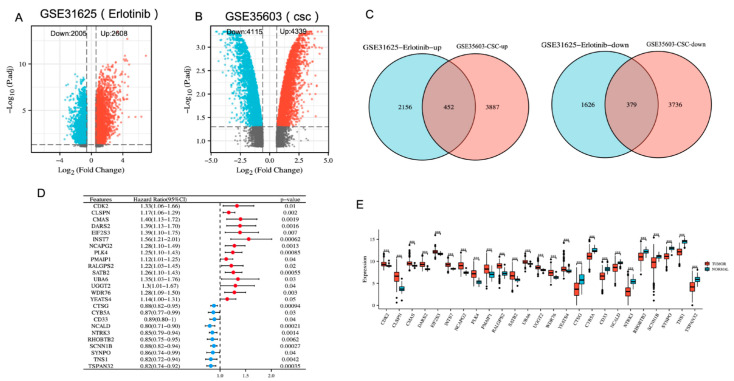
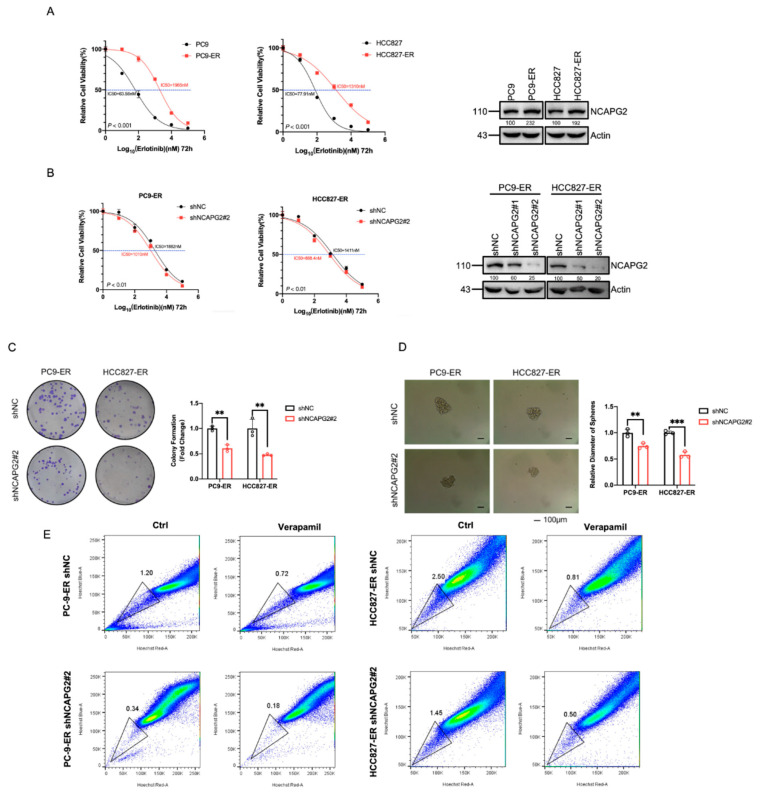
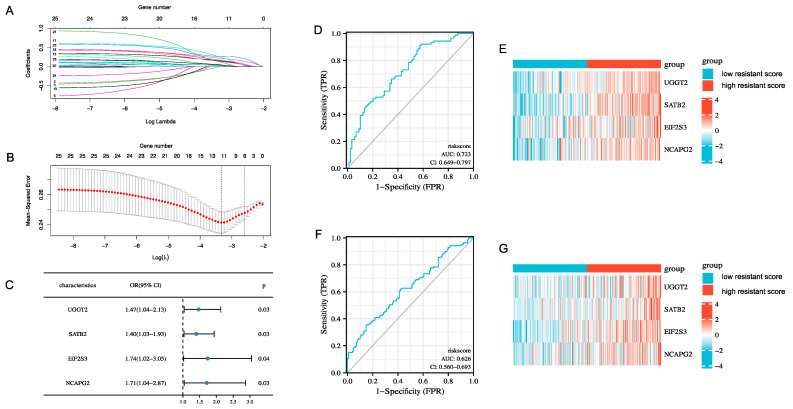
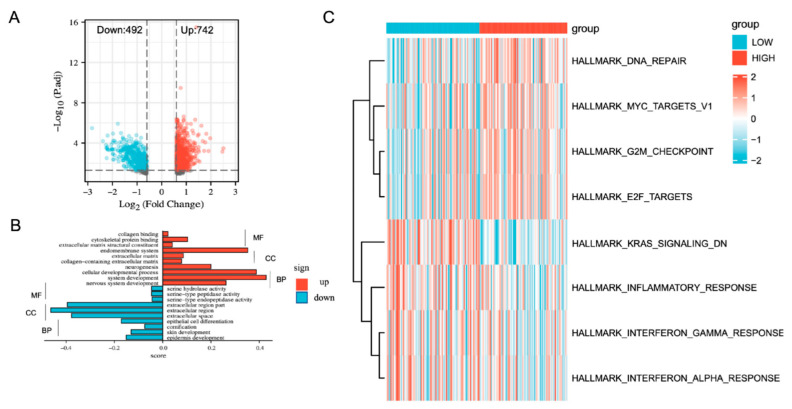
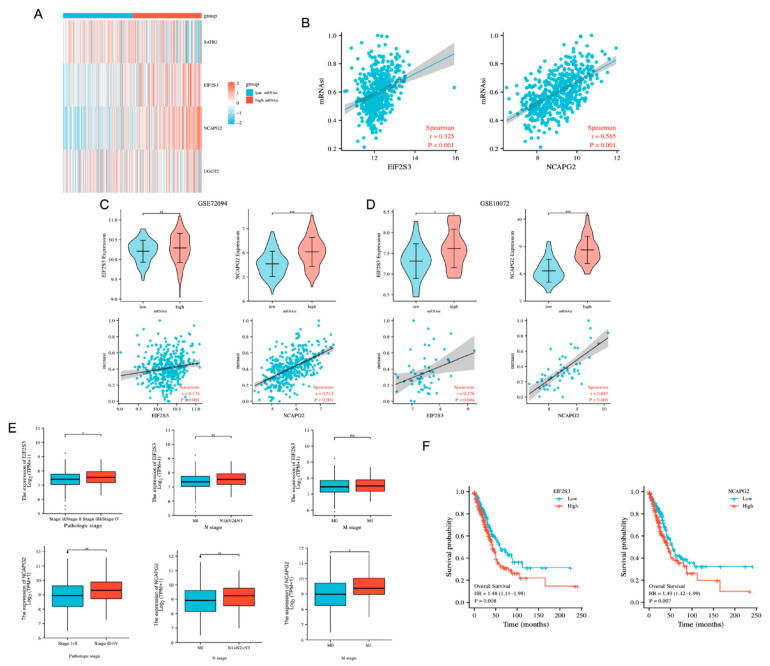
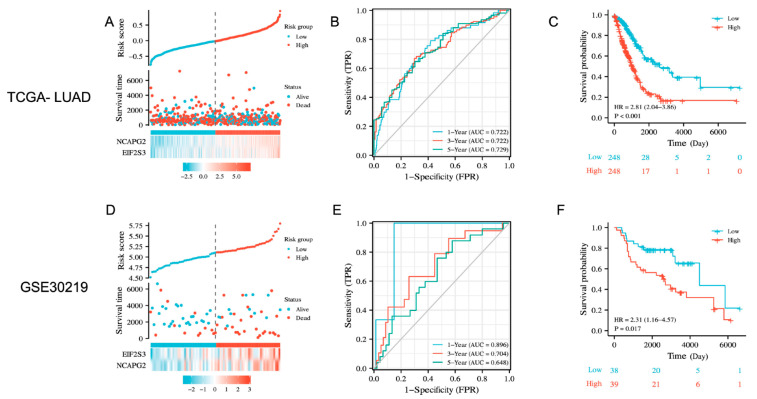
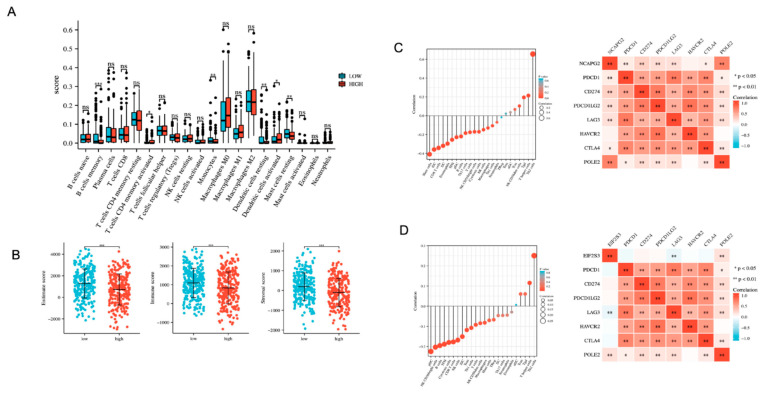
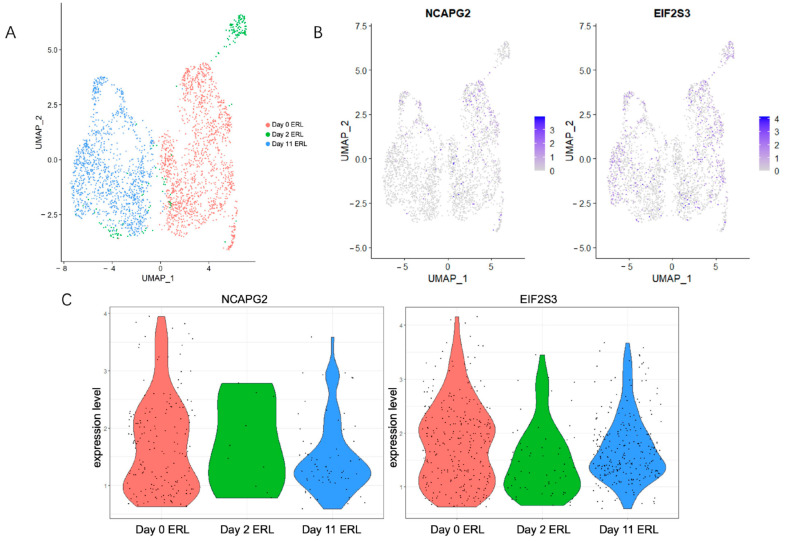
Erlotinib is a highly specific and reversible epidermal growth factor receptor tyrosine kinase inhibitor (EGFR-TKI), but resistance inevitably develops as the disease progresses. Erlotinib resistance and cancer stem cells (CSCs) are poor factors hindering the prognosis of patients with lung adenocarcinoma (LUAD). Although studies have shown that erlotinib resistance and CSCs can jointly promote cancer development, the mechanism is currently unclear. Here, we investigated the potential biomarker and molecular mechanism of erlotinib resistance and cancer stemness in LUAD. An erlotinib resistance model based on four genes was constructed from The Cancer Genome Atlas (TCGA), the GEO database, the Cancer Cell Line Encyclopedia (CCLE), and the Genomics of Drug Sensitivity in Cancer (GDSC). Through multiple bioinformatic analyses, was identified as a key gene for erlotinib resistance and stemness in LUAD. Further in vitro experiments demonstrated that maintains stemness and contributes to erlotinib resistance in LUAD. In summary, plays a vital role in stemness and erlotinib resistance in LUAD.
厄洛替尼是一种高度特异性且可逆的表皮生长因子受体酪氨酸激酶抑制剂(EGFR-TKI),但随着疾病进展,耐药性不可避免地会出现。厄洛替尼耐药性和癌症干细胞(CSCs)是阻碍肺腺癌(LUAD)患者预后的不良因素。尽管研究表明厄洛替尼耐药性和CSCs可共同促进癌症发展,但其机制目前尚不清楚。在此,我们研究了LUAD中厄洛替尼耐药性和癌症干性的潜在生物标志物及分子机制。基于四个基因构建了来自癌症基因组图谱(TCGA)、基因表达综合数据库(GEO)、癌症细胞系百科全书(CCLE)和癌症药物敏感性基因组学(GDSC)的厄洛替尼耐药模型。通过多项生物信息学分析,确定 为LUAD中厄洛替尼耐药性和干性的关键基因。进一步的体外实验表明, 在LUAD中维持干性并导致厄洛替尼耐药。总之, 在LUAD的干性和厄洛替尼耐药性中起着至关重要的作用。