Tsivileva Olga M, Koftin Oleg V, Evseeva Nina V
Laboratory of Microbiology, Institute of Biochemistry and Physiology of Plants and Microorganisms, Saratov Scientific Centre of the Russian Academy of Sciences (IBPPM RAS), 13 Prospekt Entuziastov, Saratov 410049, Russia.
Department of Biochemistry, V.I. Razumovsky Saratov State Medical University, 112 ul. Bol'shaya Kazach'ya, Saratov 410012, Russia.
Antibiotics (Basel). 2022 Aug 26;11(9):1156. doi: 10.3390/antibiotics11091156.
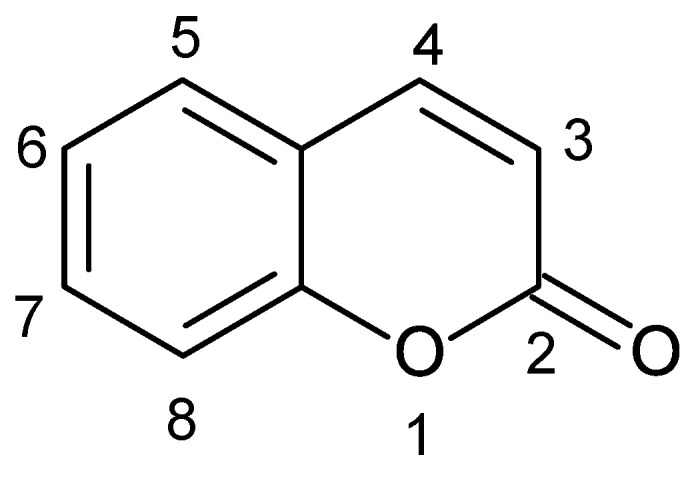
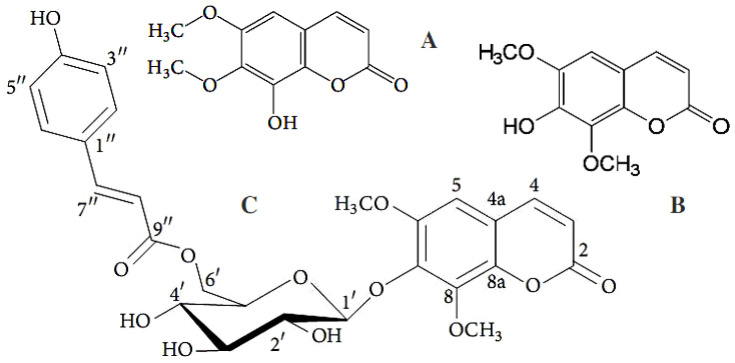
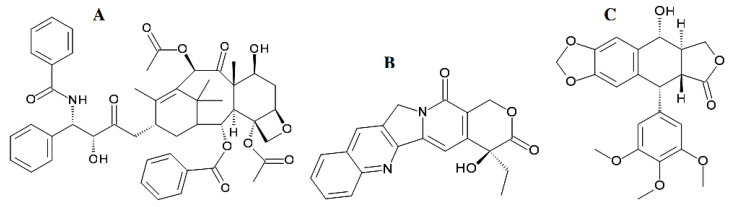
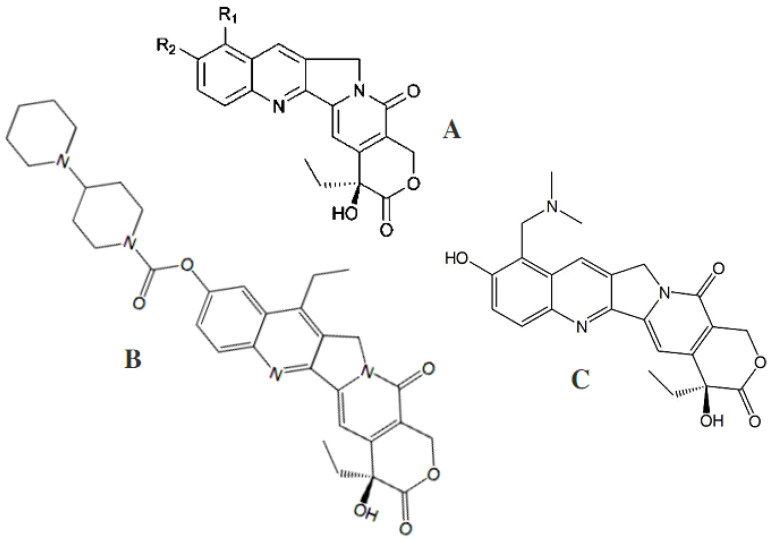
Coumarins are a structurally varied set of 2-chromen-2-one compounds categorized also as members of the benzopyrone group of secondary metabolites. Coumarin derivatives attract interest owing to their wide practical application and the unique reactivity of fused benzene and pyrone ring systems in molecular structure. Coumarins have their own specific fingerprints as antiviral, antimicrobial, antioxidant, anti-inflammatory, antiadipogenic, cytotoxic, apoptosis, antitumor, antitubercular, and cytotoxicity agents. Natural products have played an essential role in filling the pharmaceutical pipeline for thousands of years. Biological effects of natural coumarins have laid the basis of low-toxic and highly effective drugs. Presently, more than 1300 coumarins have been identified in plants, bacteria, and fungi. Fungi as cultivated microbes have provided many of the nature-inspired syntheses of chemically diverse drugs. Endophytic fungi bioactivities attract interest, with applications in fields as diverse as cancer and neuronal injury or degeneration, microbial and parasitic infections, and others. Fungal mycelia produce several classes of bioactive molecules, including a wide group of coumarins. Of promise are further studies of conditions and products of the natural and synthetic coumarins' biotransformation by the fungal cultures, aimed at solving the urgent problem of searching for materials for biomedical engineering. The present review evaluates the fungal coumarins, their structure-related peculiarities, and their future therapeutic potential. Special emphasis has been placed on the coumarins successfully bioprospected from fungi, whereas an industry demand for the same coumarins earlier found in plants has faced hurdles. Considerable attention has also been paid to some aspects of the molecular mechanisms underlying the coumarins' biological activity. The compounds are selected and grouped according to their cytotoxic, anticancer, antibacterial, antifungal, and miscellaneous effects.
香豆素是一组结构多样的2-色烯-2-酮化合物,也被归类为次生代谢产物苯并吡喃酮类的成员。香豆素衍生物因其广泛的实际应用以及分子结构中稠合苯环和吡喃酮环系统的独特反应性而备受关注。香豆素作为抗病毒、抗菌、抗氧化、抗炎、抗脂肪生成、细胞毒性、凋亡、抗肿瘤、抗结核和细胞毒性剂有其自身特定的特性。数千年来,天然产物在填充制药渠道方面发挥了重要作用。天然香豆素的生物学效应奠定了低毒高效药物的基础。目前,已在植物、细菌和真菌中鉴定出1300多种香豆素。作为培养微生物的真菌为许多受自然启发的化学多样药物的合成提供了条件。内生真菌的生物活性引起了人们的兴趣,其应用领域涵盖癌症、神经元损伤或退化、微生物和寄生虫感染等多个方面。真菌菌丝体产生几类生物活性分子,包括多种香豆素。对真菌培养物对天然和合成香豆素进行生物转化的条件和产物进行进一步研究很有前景,旨在解决寻找生物医学工程材料这一紧迫问题。本综述评估了真菌香豆素、它们与结构相关的特性及其未来的治疗潜力。特别强调了从真菌中成功生物勘探得到的香豆素,而此前在植物中发现的相同香豆素的工业需求却面临障碍。还对香豆素生物活性背后分子机制的一些方面给予了相当关注。这些化合物根据其细胞毒性、抗癌、抗菌、抗真菌和其他作用进行选择和分类。