Division of Endocrinology, Metabolism and Diabetes, First Department of Pediatrics, National and Kapodistrian University of Athens Medical School, 'Aghia Sophia' Children's Hospital, 11527 Athens, Greece.
Division of Endocrinology and Metabolism, Center for Clinical, Experimental Surgery and Translational Research, Biomedical Research Foundation of the Academy of Athens, 11527 Athens, Greece.
Nutrients. 2022 Sep 13;14(18):3772. doi: 10.3390/nu14183772.
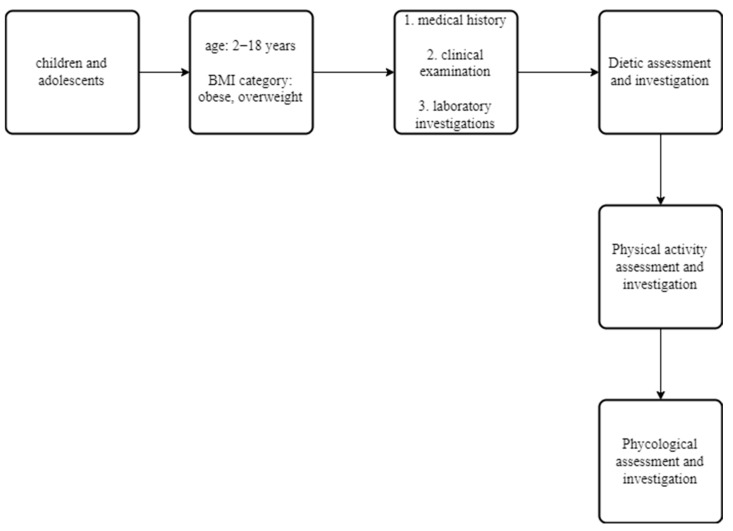
The adipose and bone tissues demonstrate considerable interconnected endocrine function. In the present study, we determined the concentrations of fibroblast growth factor-23 (FGF-23), osteopontin, neutrophil gelatinase-associated lipocalin (NGAL) and sclerostin in 345 children and adolescents who were overweight or obese (mean age ± SD mean: 10.36 ± 0.16 years; 172 males, 173 females; 181 prepubertal; and 164 pubertal) before and after their participation in a comprehensive life-style intervention program of diet and exercise for one year. Following the one-year life-style interventions, there was a significant decrease in BMI (p < 0.01), FGF-23 (p < 0.05), osteopontin (p < 0.01) and NGAL (p < 0.01), and an increase in sclerostin (p < 0.01) concentrations. BMI z-score (b = 0.242, p < 0.05) and fat mass (b = 0.431, p < 0.05) were the best positive predictors and waist-to-height ratio (WHtR) (b = −0.344, p < 0.05) was the best negative predictor of the change of osteopontin. NGAL concentrations correlated positively with HbA1C (b = 0.326, p < 0.05), WHtR (b = 0.439, p < 0.05) and HOMA-IR (b = 0.401, p < 0.05), while BMI (b = 0.264, p < 0.05), fat mass (b = 1.207, p < 0.05), HDL (b = 0.359, p < 0.05) and waist circumference (b = 0.263, p < 0.05) were the best positive predictors of NGAL. These results indicate that FGF-23, osteopontin, NGAL and sclerostin are associated with being overweight or obese and are altered in relation to alterations in BMI. They also indicate a crosstalk between adipose tissue and bone tissue and may play a role as potential biomarkers of glucose metabolism. Further studies are required to delineate the physiological mechanisms underlying this association in children and adolescents.
脂肪组织和骨骼组织表现出相当大的内分泌功能相互关联。在本研究中,我们测定了 345 名超重或肥胖儿童和青少年(平均年龄 ± SD 均值:10.36 ± 0.16 岁;男性 172 名,女性 173 名;181 名青春期前;164 名青春期后)在参与为期一年的饮食和运动综合生活方式干预计划前后成纤维细胞生长因子 23(FGF-23)、骨桥蛋白、中性粒细胞明胶酶相关脂质运载蛋白(NGAL)和硬化蛋白的浓度。经过一年的生活方式干预,BMI(p<0.01)、FGF-23(p<0.05)、骨桥蛋白(p<0.01)和 NGAL(p<0.01)显著下降,而硬化蛋白浓度增加(p<0.01)。BMI z 评分(b=0.242,p<0.05)和脂肪量(b=0.431,p<0.05)是最佳正预测因子,腰围身高比(WHtR)(b=-0.344,p<0.05)是骨桥蛋白变化的最佳负预测因子。NGAL 浓度与 HbA1C(b=0.326,p<0.05)、WHtR(b=0.439,p<0.05)和 HOMA-IR(b=0.401,p<0.05)呈正相关,而 BMI(b=0.264,p<0.05)、脂肪量(b=1.207,p<0.05)、HDL(b=0.359,p<0.05)和腰围(b=0.263,p<0.05)是 NGAL 的最佳正预测因子。这些结果表明,FGF-23、骨桥蛋白、NGAL 和硬化蛋白与超重或肥胖有关,并与 BMI 的变化有关。它们还表明脂肪组织和骨骼组织之间存在相互作用,并可能作为葡萄糖代谢的潜在生物标志物发挥作用。需要进一步的研究来阐明儿童和青少年中这种关联的生理机制。