School of Microbiology, University College Cork, T12 K8AF Cork, Ireland.
APC Microbiome Ireland, University College Cork, T12 K8AF Cork, Ireland.
Viruses. 2022 Sep 9;14(9):1996. doi: 10.3390/v14091996.
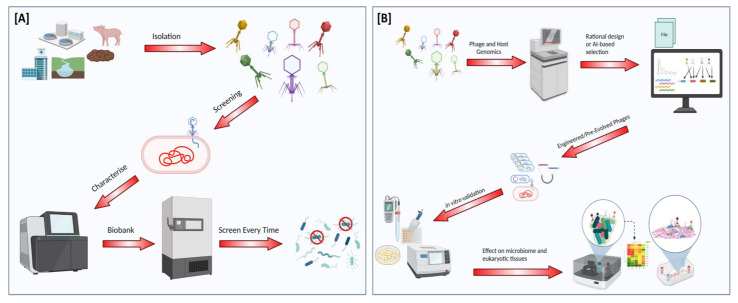
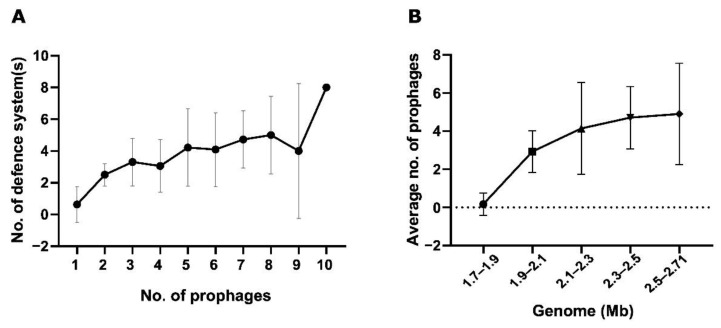
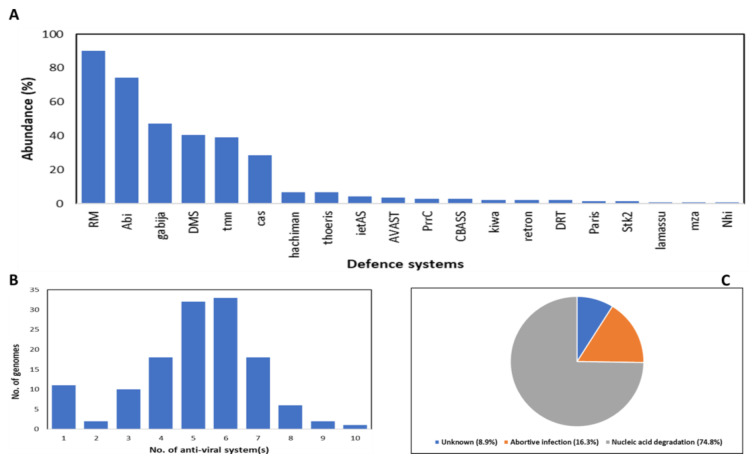
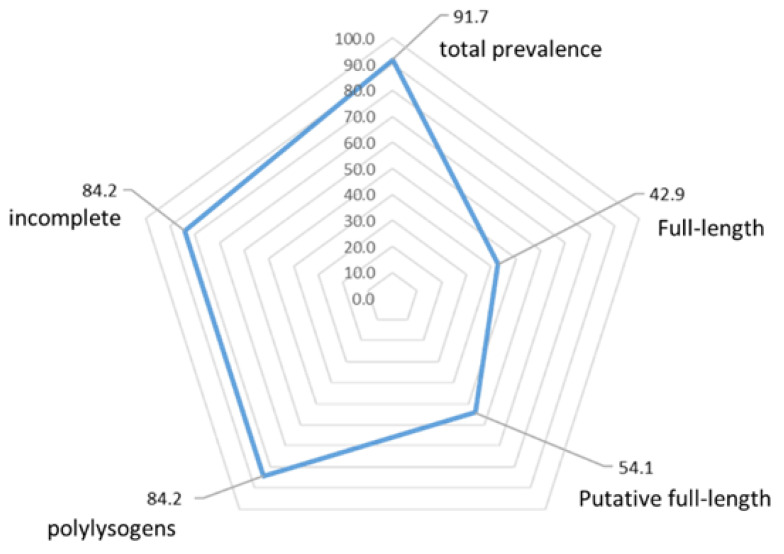
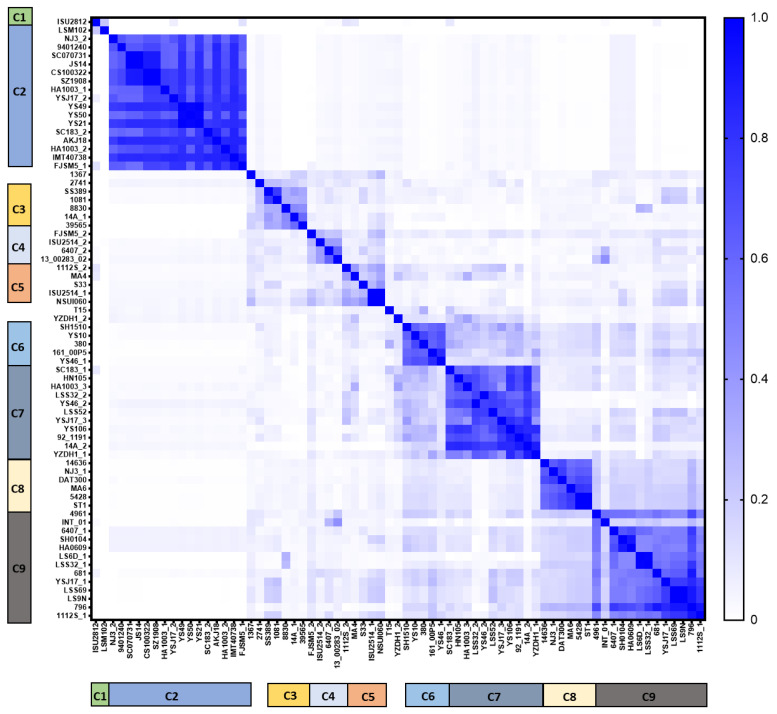
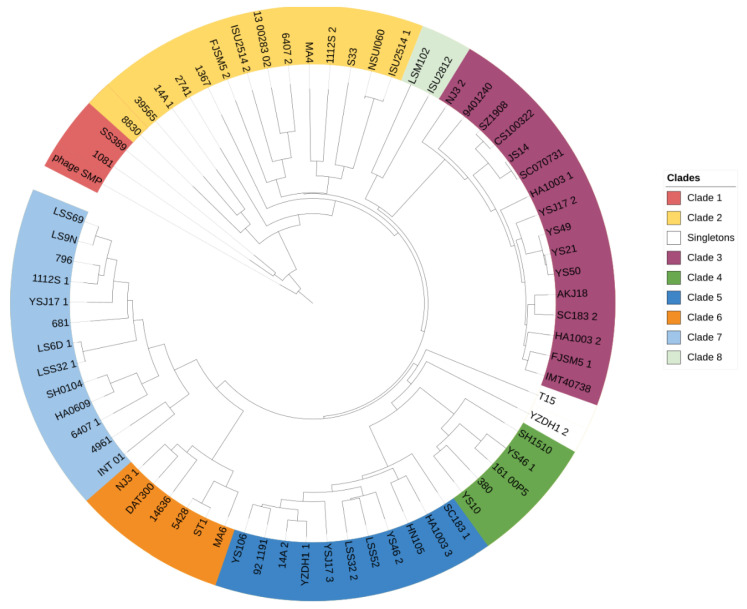
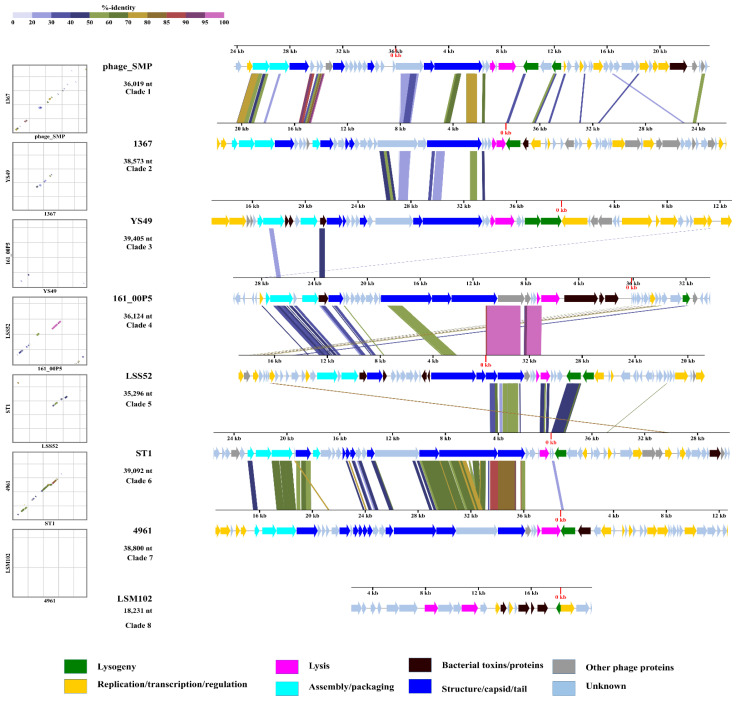
Bacterial infections of livestock threaten the sustainability of agriculture and public health through production losses and contamination of food products. While prophylactic and therapeutic application of antibiotics has been successful in managing such infections, the evolution and spread of antibiotic-resistant strains along the food chain and in the environment necessitates the development of alternative or adjunct preventive and/or therapeutic strategies. Additionally, the growing consumer preference for "greener" antibiotic-free food products has reinforced the need for novel and safer approaches to controlling bacterial infections. The use of bacteriophages (phages), which can target and kill bacteria, are increasingly considered as a suitable measure to reduce bacterial infections and contamination in the food industry. This review primarily elaborates on the recent veterinary applications of phages and discusses their merits and limitations. Furthermore, using as a model, we describe the prevalence of prophages and the anti-viral defence arsenal in the genome of the pathogen as a means to define the genetic building blocks that are available for the (synthetic) development of phage-based treatments. The data and approach described herein may provide a framework for the development of therapeutics against an array of bacterial pathogens.
家畜的细菌感染通过生产损失和食品污染威胁着农业和公共卫生的可持续性。虽然预防性和治疗性应用抗生素在管理此类感染方面取得了成功,但抗生素耐药菌株在食物链和环境中的进化和传播需要开发替代或辅助的预防和/或治疗策略。此外,消费者对“更绿色”无抗生素食品的需求不断增长,这也加强了控制细菌感染的新的和更安全方法的必要性。噬菌体(phages)的使用,其可以靶向并杀死细菌,越来越被认为是减少食品工业中细菌感染和污染的一种合适措施。本综述主要阐述了噬菌体在兽医领域的最新应用,并讨论了它们的优点和局限性。此外,我们以 作为模型,描述了病原体基因组中前噬菌体和抗病毒防御武器库的流行情况,作为确定可用于(合成)开发噬菌体治疗方法的遗传构建块的一种手段。本文描述的数据和方法可以为针对一系列细菌病原体的治疗方法的开发提供框架。