Department of Animal Production and Breeding, College of Agriculture and Veterinary Medicine, Qassim University, Al-Qassim 51452, Saudi Arabia; Department of Poultry Production, Faculty of Agriculture, Ain Shams University, Hadayek Shoubra, 11241 Cairo, Egypt.
Department of Poultry Production, Faculty of Agriculture, Ain Shams University, Hadayek Shoubra, 11241 Cairo, Egypt.
Poult Sci. 2022 Nov;101(11):102157. doi: 10.1016/j.psj.2022.102157. Epub 2022 Aug 31.
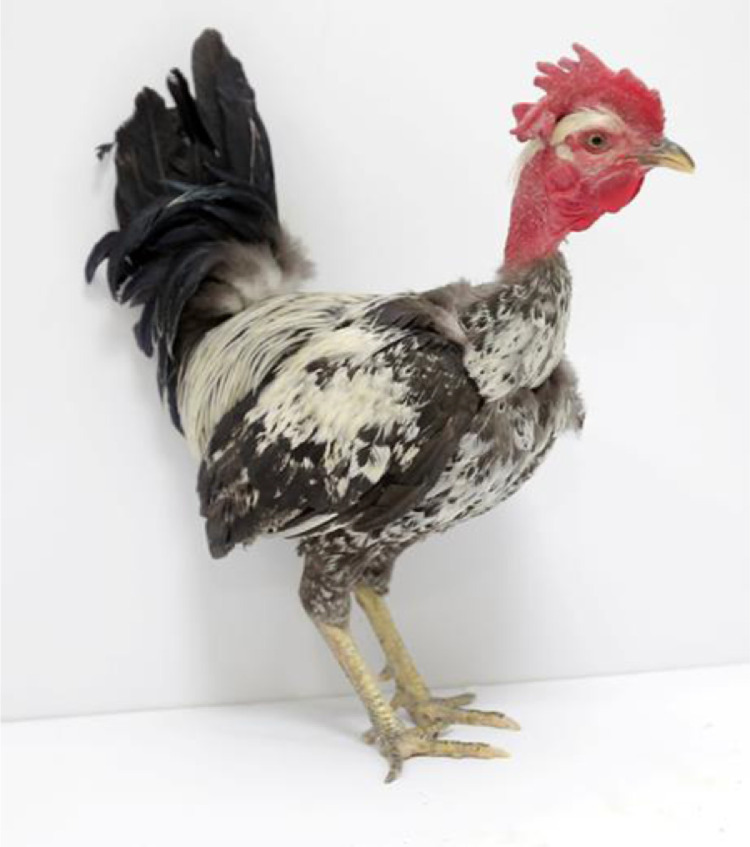
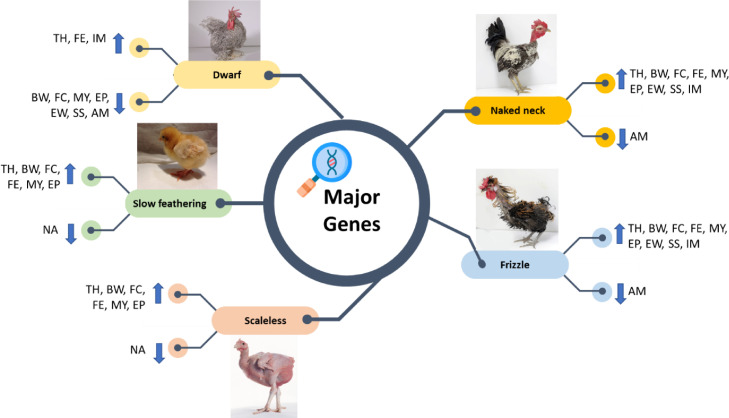
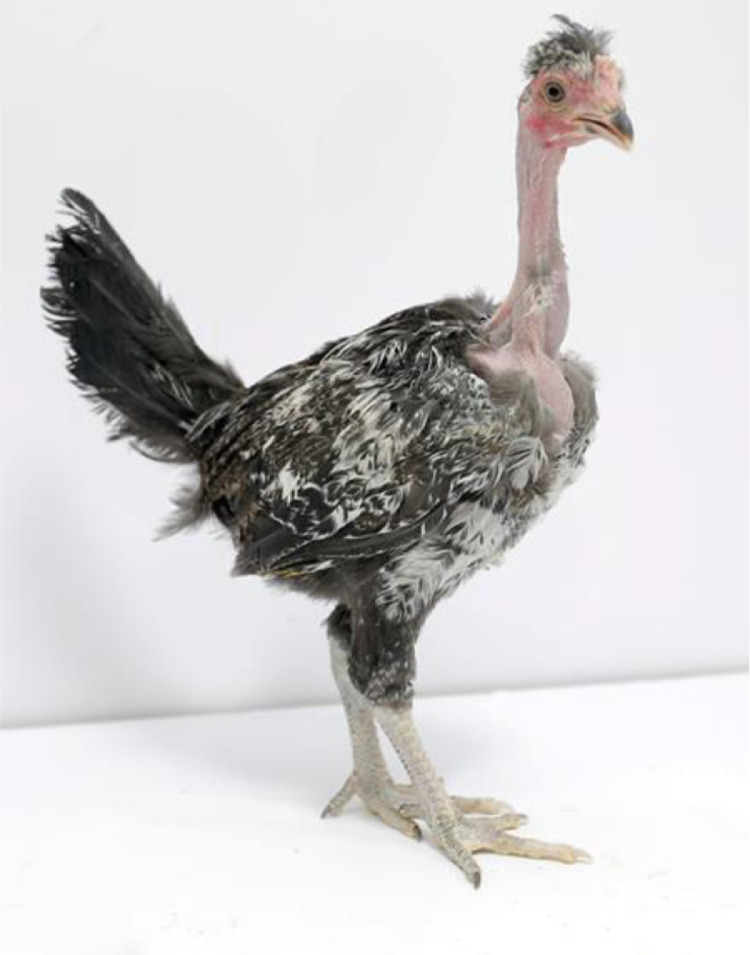
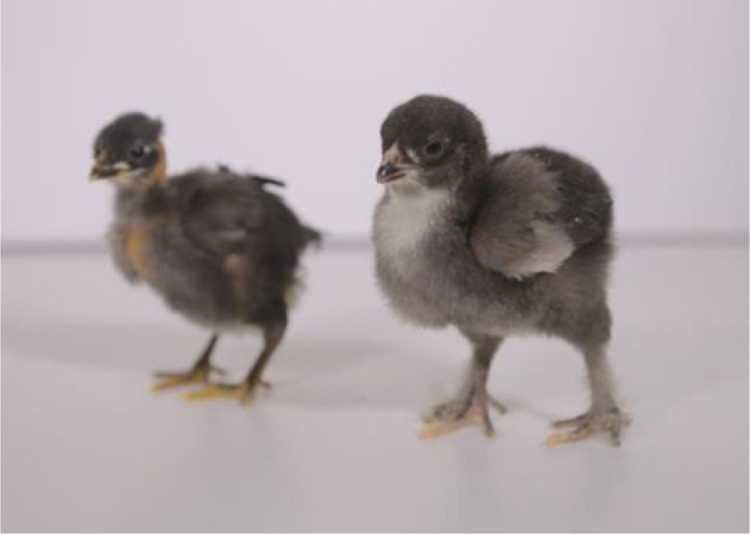
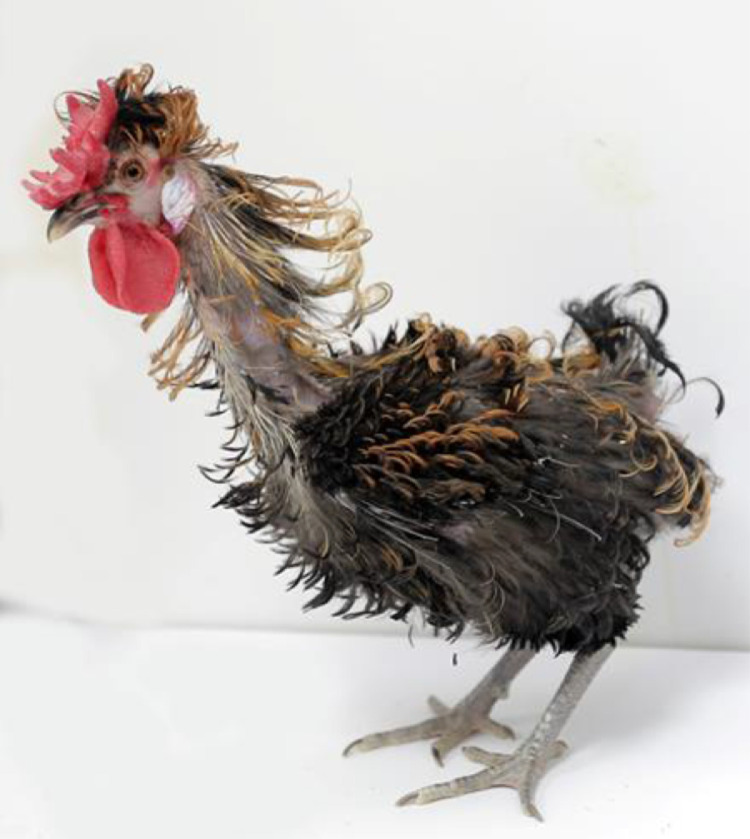
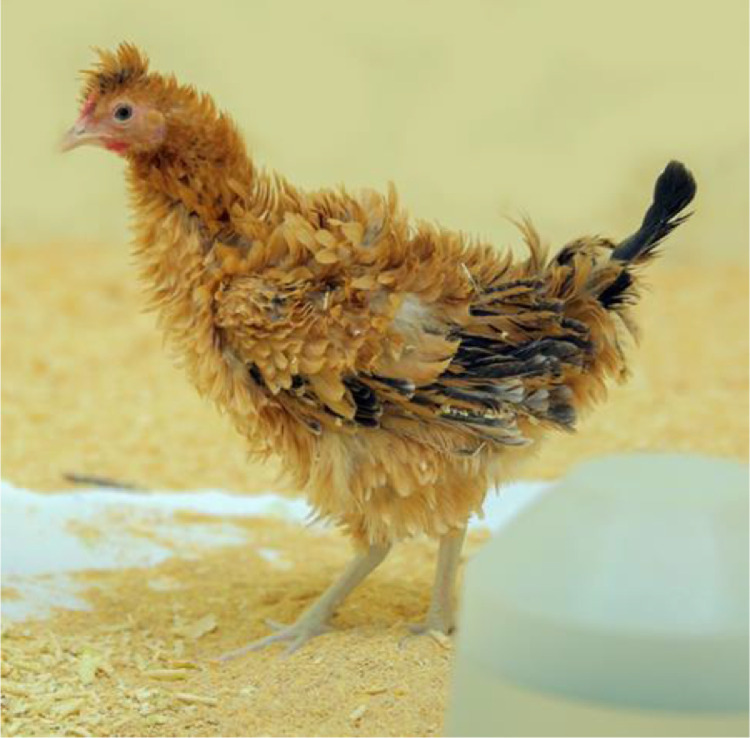
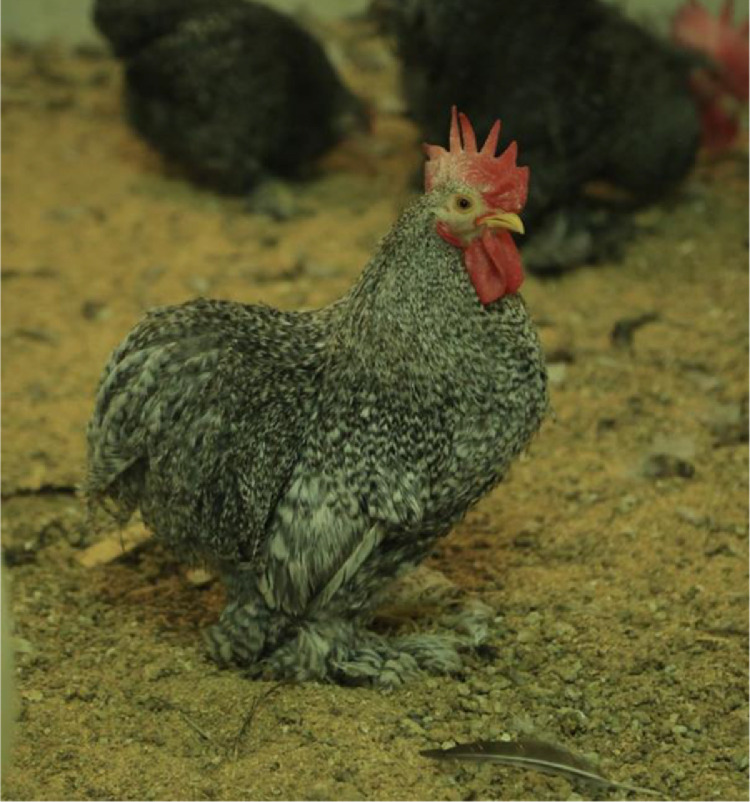
Acceleration of global warming has emerged as one of the biggest environmental challenges facing poultry farming. In heat stressed flocks, massive mortality rates and substantial damage to productive performance (eggs and meat) are commonly noticed. Because birds do not have sweat glands, they cannot tolerate high temperatures, especially when combined with high humidity. Under this harsh environmental condition, the birds reduce their feed consumption to decline metabolic energy rate. At an ambient temperature of more than 26°C, the bird increases panting and reduces metabolic rate to get rid of the body's heat increment. There are many scenarios that can be followed to alleviate the adverse effects of heat stress. Management practices, nutritional modification, and/or feed additives are frequently used in poultry farms. However, introducing major genes such as naked neck (Na), frizzle (F), slow feathering (K), and dwarf (dw) could be adopted as a significant solution to improve productive performance in birds raised under high environmental temperatures. The birds carrying these mutations gain popularity owing to their ornamental appearance and highly productive performance at high temperatures. Moreover, utilizing dwarf gene in broiler breeders as a dam line improves adaptability, survivability, and hatchability in flocks kept in hot climates. At hatch, the sex-linked slow feathering mutation has been widely used for wing sexing in some egg-type breeds. The potential use of major genes as a breeding strategy to enhance heat tolerance in chickens has been extensively reviewed.
全球变暖的加速已成为家禽养殖面临的最大环境挑战之一。在受热应激的禽类中,大量死亡率和生产性能(鸡蛋和肉类)的严重受损是常见的现象。由于鸟类没有汗腺,它们无法承受高温,尤其是当高温与高湿度结合时。在这种恶劣的环境条件下,鸟类会减少采食量以降低代谢能率。当环境温度超过 26°C 时,鸟类会增加呼吸频率并降低代谢率,以散发身体的热量增量。有许多可以采取的措施来缓解热应激的不利影响。管理措施、营养调整和/或饲料添加剂经常在家禽养殖场使用。然而,引入主要基因,如裸颈(Na)、卷毛(F)、慢羽(K)和矮脚(dw),可以作为提高高温下鸟类生产性能的重要解决方案。携带这些突变的鸟类因其观赏外观和在高温下的高产性能而受到欢迎。此外,在炎热气候下饲养的鸡群中,利用矮脚基因作为母系,可以提高适应性、存活率和孵化率。在孵化时,性连锁慢羽突变已广泛用于一些蛋鸡品种的翅膀性别鉴定。主要基因作为一种提高鸡耐热性的育种策略的潜在用途已被广泛研究。