Suo Huizhen, Hochnadel Inga, Petriv Nataliia, Franke Raimo, Schmidt Jennifer, Limanska Nataliia, Tugai Alisa, Jedicke Nils, Broenstrup Mark, Manns Michael P, Yevsa Tetyana
Department of Gastroenterology, Hepatology and Endocrinology, Hannover Medical School, Hannover, Germany.
Department of Chemical Biology, Helmholtz Centre for Infection Research, Braunschweig, Germany.
Front Pharmacol. 2022 Sep 12;13:906468. doi: 10.3389/fphar.2022.906468. eCollection 2022.
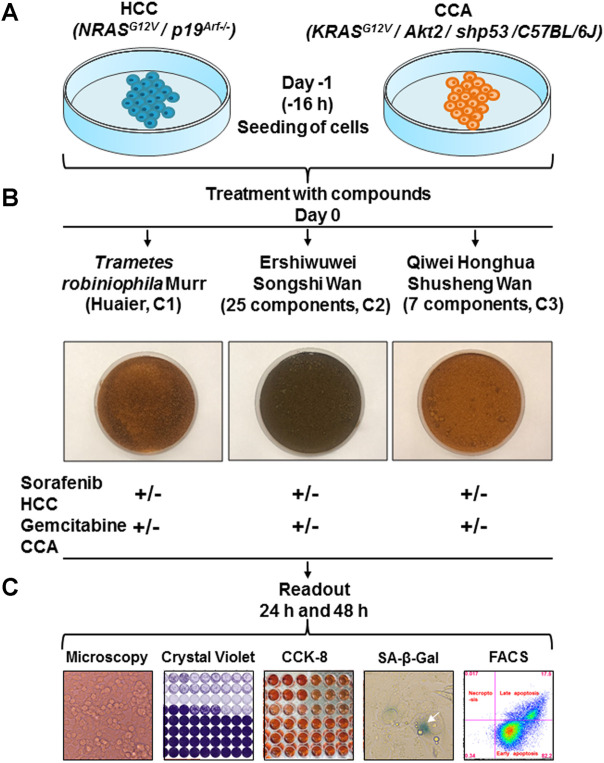
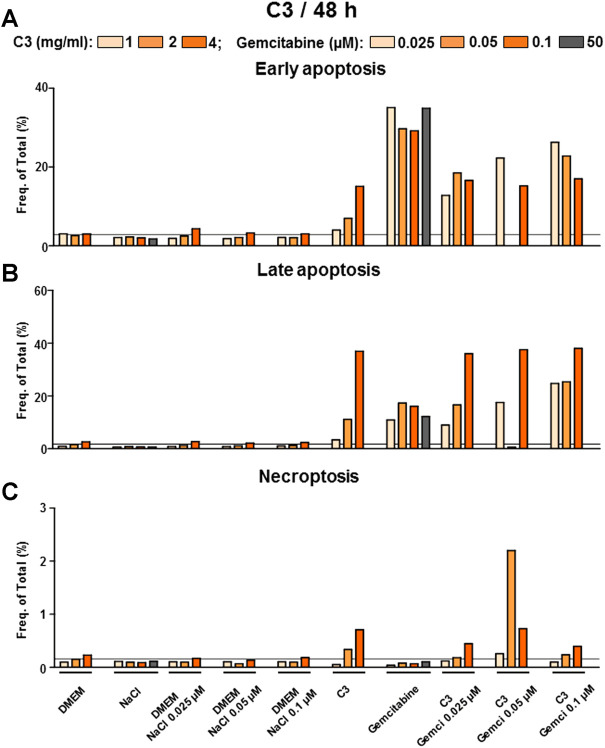
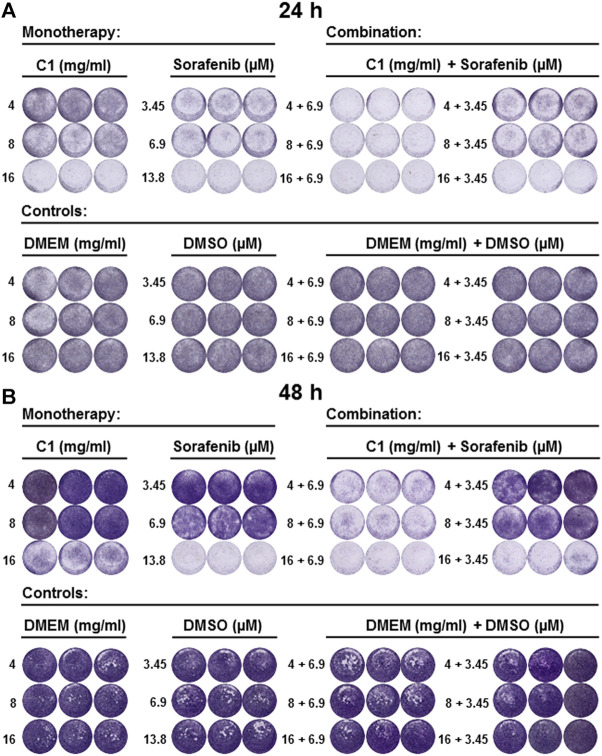
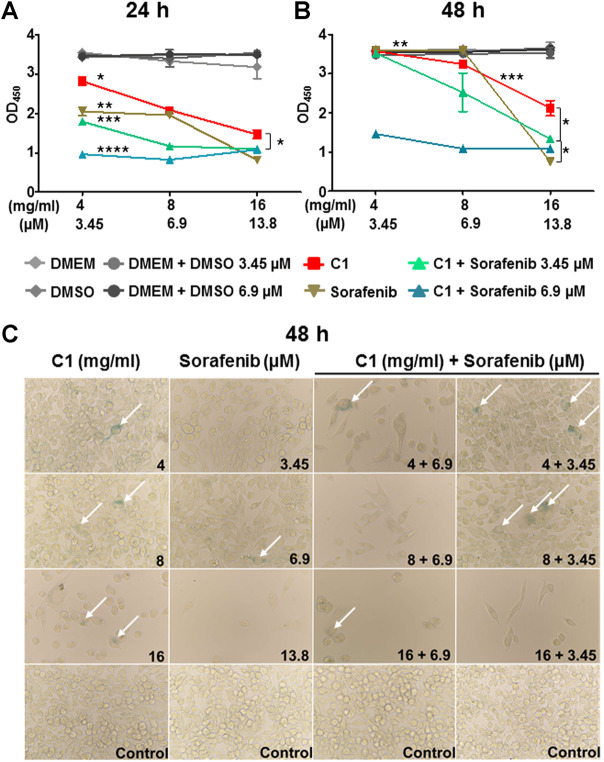
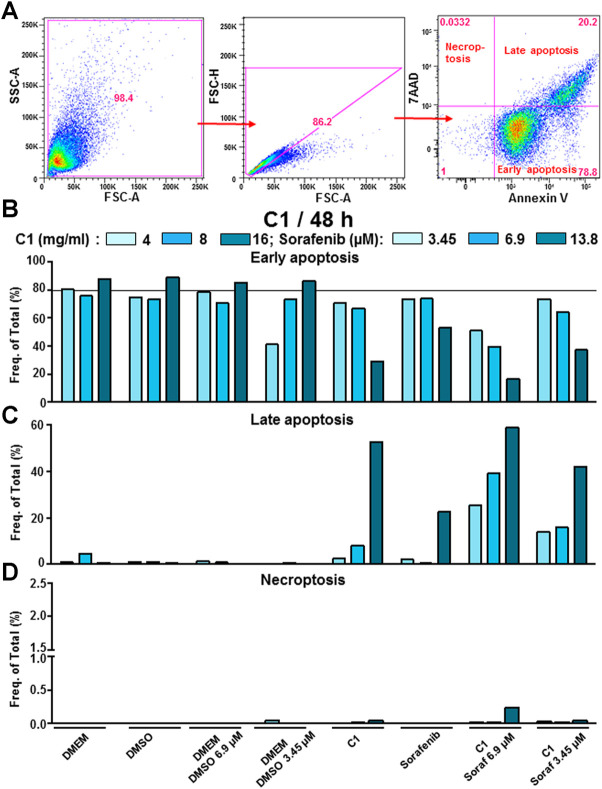
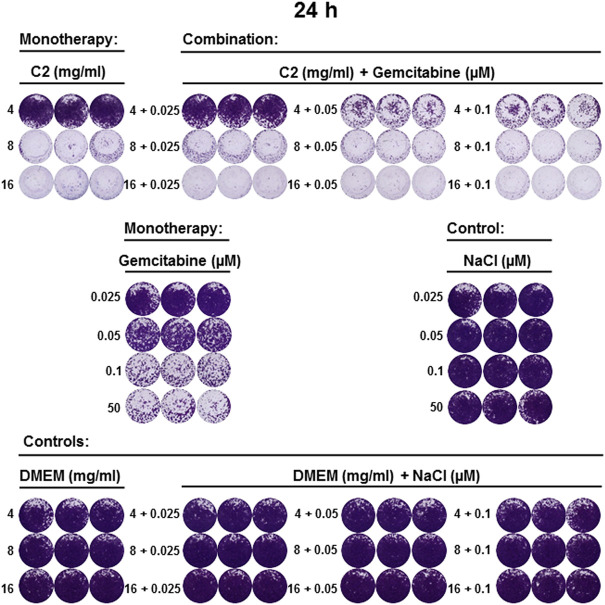
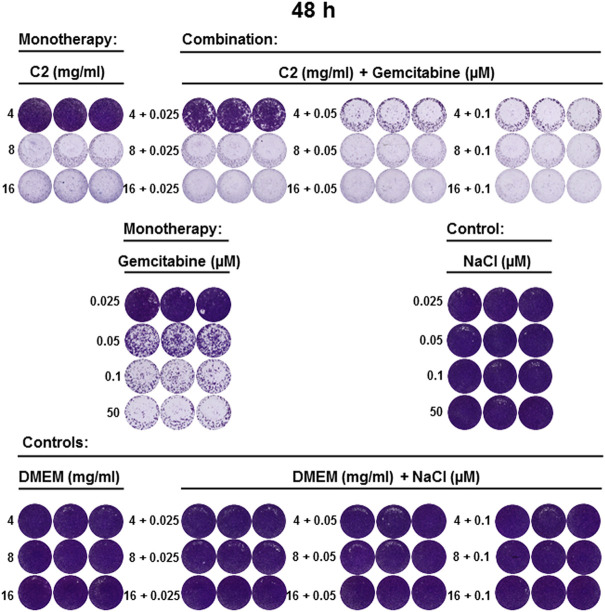
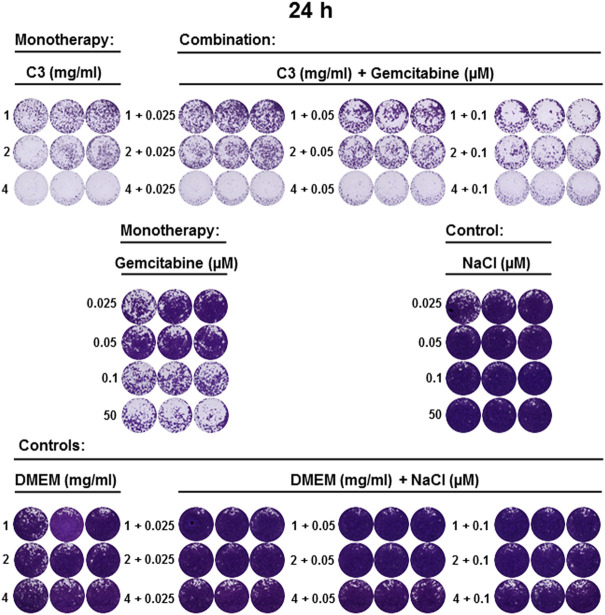
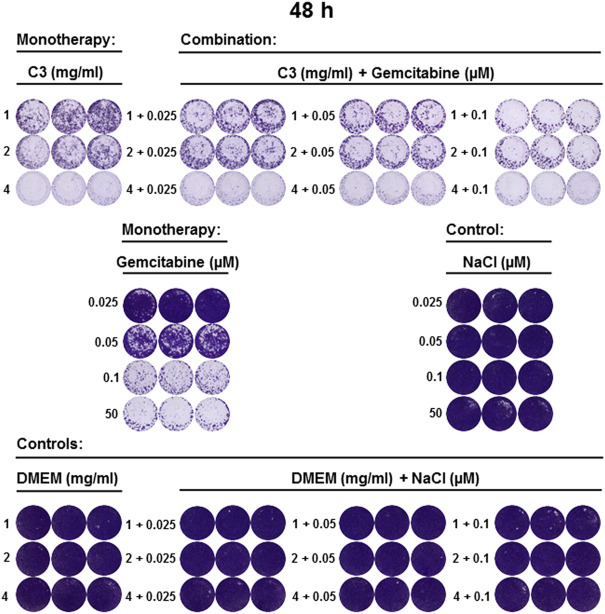
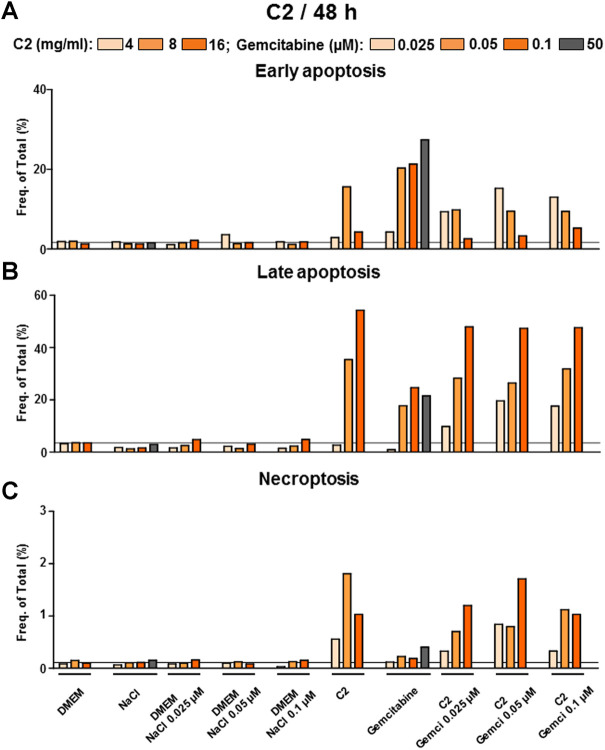
In this study, we investigated compounds of plant and mushroom origin belonging to Traditional Chinese Medicine (TCM) and to Traditional Tibetan Medicine (TTM): a sandy beige mushroom Murr, commonly known as Huaier/TCM as well as Ershiwuwei Songshi Wan and Qiwei Honghua Shusheng Wan, which both belong to TTM. We aimed to study the efficacy of TTM and TCM in hepatocellular carcinoma (HCC) and cholangiocarcinoma (CCA) . TCM and TTM were tested either as a monotherapy, or in combination with standard therapeutics: sorafenib for HCC treatment and gemcitabine for CCA. We also discovered a protective mechanism behind the most successful therapeutic combinations. The results demonstrated that TCM and TTM inhibited the proliferation of cancer cells in a time- and dose-dependent manner. The results were compared to classical chemotherapeutics currently used in the clinic: sorafenib for HCC and gemcitabine for CCA. In HCC settings, a combination of Huaier (16 mg/ml) with half of the human plasma concentration of sorafenib, Qiwei Honghua Shusheng Wan (1 mg/ml) monotherapy as well as its combination with half or even a quarter dose of the human plasma concentration of sorafenib represented the most efficient treatments, inhibiting the growth of HCC cells more effectively than the standard therapy. The inhibitory mechanism relied on a strong induction of apoptosis. In CCA settings, Ershiwuwei Songshi Wan and Qiwei Honghua Shusheng Wan as monotherapies or in combination with very low doses of gemcitabine inhibited the growth of CCA cells more efficiently than the standard therapy. Importantly, Ershiwuwei Songshi Wan at the 8 and 16 mg/ml concentrations and Qiwei Honghua Shusheng Wan at the 4 mg/ml concentration were efficacious with gemcitabine applied at massively reduced concentrations. The protective mechanism in CCA relied on a strong induction of early and late apoptosis. Cellular senescence and necroptosis were not associated with protection against HCC/CCA. Combination therapy with TCM or TTM allowed for a dose reduction of standard chemotherapeutics. This is especially important as both chemotherapeutic drugs show strong side effects in patients. The reduction of chemotherapeutics and the synergistic effect observed while applying them in combination with TCM and TTM has strong perspectives for the clinic and patients suffering from HCC and CCA.
在本研究中,我们调查了源自中药(TCM)和藏药(TTM)的植物和蘑菇类化合物:一种沙褐色蘑菇Murr,俗称槐耳/中药,以及都属于藏药的二十五味松石丸和七味红花殊胜丸。我们旨在研究中药和藏药在肝细胞癌(HCC)和胆管癌(CCA)中的疗效。中药和藏药分别作为单一疗法进行测试,或与标准疗法联合使用:用于治疗HCC的索拉非尼和用于治疗CCA的吉西他滨。我们还发现了最成功的治疗组合背后的保护机制。结果表明,中药和藏药以时间和剂量依赖性方式抑制癌细胞增殖。将结果与目前临床上使用的经典化疗药物进行比较:用于HCC的索拉非尼和用于CCA的吉西他滨。在HCC治疗中,槐耳(16毫克/毫升)与一半人体血浆浓度的索拉非尼联合使用、七味红花殊胜丸(1毫克/毫升)单一疗法及其与一半甚至四分之一人体血浆浓度的索拉非尼联合使用代表了最有效的治疗方法,比标准疗法更有效地抑制HCC细胞生长。抑制机制依赖于强烈的凋亡诱导。在CCA治疗中,二十五味松石丸和七味红花殊胜丸作为单一疗法或与极低剂量的吉西他滨联合使用比标准疗法更有效地抑制CCA细胞生长。重要的是,浓度为8和16毫克/毫升的二十五味松石丸以及浓度为4毫克/毫升的七味红花殊胜丸在大幅降低吉西他滨浓度的情况下仍有效。CCA中的保护机制依赖于强烈的早期和晚期凋亡诱导。细胞衰老和坏死性凋亡与预防HCC/CCA无关。中药或藏药联合治疗可降低标准化疗药物的剂量。这一点尤为重要,因为这两种化疗药物在患者中均显示出强烈的副作用。化疗药物的减少以及与中药和藏药联合使用时观察到的协同效应,对于HCC和CCA患者的临床治疗具有重要前景。