Division of Plastic and Reconstructive Surgery, Washington University, St. Louis, Missouri, USA; Department of Population Medicine, College of Medicine, QU Health, Qatar University, Doha, Qatar.
Department of Population Medicine, College of Medicine, QU Health, Qatar University, Doha, Qatar.
Biomol Biomed. 2023 Mar 16;23(2):235-247. doi: 10.17305/bjbms.2022.8175.
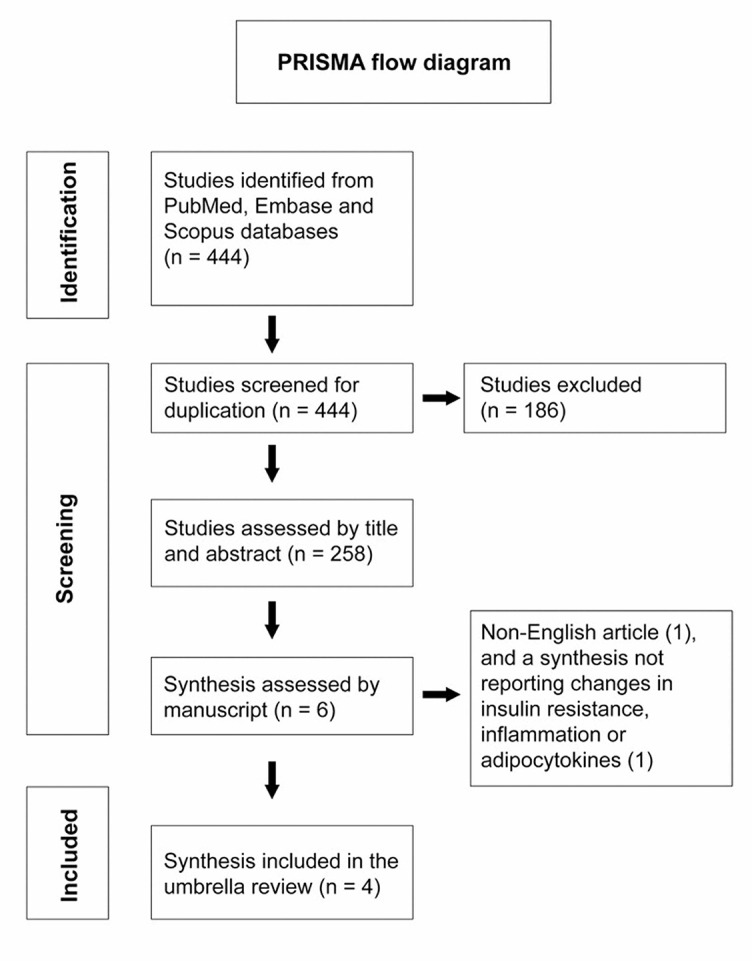
Although obesity is a preventable disease, maintaining a normal body weight can be very challenging and difficult, which has led to a significant increase in the demand for surgical subcutaneous fat removal (SSFR) to improve physical appearance. The need for SSFR is further exacerbated because of the global rise in the number of bariatric surgeries, which is currently the single most durable intervention for mitigating obesity. Fat tissue is now recognized as a vital endocrine organ that produces several bioactive proteins. Thus, SSFR-mediated weight (fat) loss can potentially have significant metabolic effects; however, currently, there is no consensus on this issue. This review focuses on the metabolic sequelae after SSFR interventions for dealing with cosmetic body appearance. Data was extracted from existing systematic reviews and the diversity of possible metabolic changes after SSFR are reported along with gaps in the knowledge and future directions for research and practice. We conclude that there is a potential for metabolic sequelae after SSFR interventions and their clinical implications for the safety of the procedures as well as for our understanding of subcutaneous adipose tissue biology and insulin resistance are discussed.
尽管肥胖是一种可预防的疾病,但保持正常的体重可能非常具有挑战性和困难,这导致了对手术皮下脂肪去除(SSFR)以改善身体外观的需求显著增加。由于全球接受减肥手术的人数增加,这种需求进一步加剧,减肥手术目前是缓解肥胖的唯一最持久的干预措施。脂肪组织现在被认为是一个重要的内分泌器官,它产生几种生物活性蛋白。因此,SSFR 介导的体重(脂肪)减轻可能会产生重大的代谢影响;然而,目前对此问题尚无共识。这篇综述重点关注 SSFR 干预美容身体外观后的代谢后果。从现有的系统评价中提取数据,并报告 SSFR 后可能发生的代谢变化的多样性,以及知识空白和未来的研究和实践方向。我们得出结论,SSFR 干预后可能会产生代谢后果,其对手术安全性的临床意义以及我们对皮下脂肪组织生物学和胰岛素抵抗的理解都需要进一步讨论。