Department of Immunology, Hebei Medical University, Shijiazhuang, China.
Key Laboratory of Immune Mechanism and Intervention on Serious Disease in Hebei Province, Hebei Medical University, Shijiazhuang, China.
Front Immunol. 2022 Sep 20;13:977235. doi: 10.3389/fimmu.2022.977235. eCollection 2022.
Infants with respiratory syncytial virus (RSV)-associated bronchiolitis are at increased risk of childhood asthma. Recent studies demonstrated that certain infections induce innate immune memory (also termed trained immunity), especially in macrophages, to respond more strongly to future stimuli with broad specificity, involving in human inflammatory diseases. Metabolic reprogramming increases the capacity of the innate immune cells to respond to a secondary stimulation, is a crucial step for the induction of trained immunity. We hypothesize that specific metabolic reprogramming of lung trained macrophages induced by neonatal respiratory infection is crucial for childhood allergic asthma.
To address the role of metabolic reprogramming in lung trained macrophages induced by respiratory virus infection in allergic asthma.
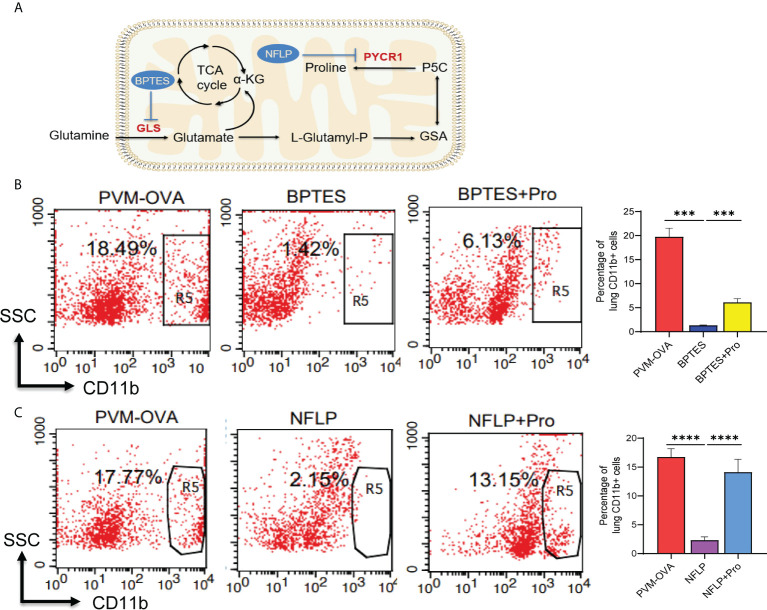
Neonatal mice were infected and sensitized by the natural rodent pathogen Pneumonia virus of mice (PVM), a mouse equivalent strain of human RSV, combined with ovalbumin (OVA). Lung CD11b macrophages in the memory phase were re-stimulated to investigate trained immunity and metabonomics. Adoptive transfer, metabolic inhibitor and restore experiments were used to explore the role of specific metabolic reprogramming in childhood allergic asthma.
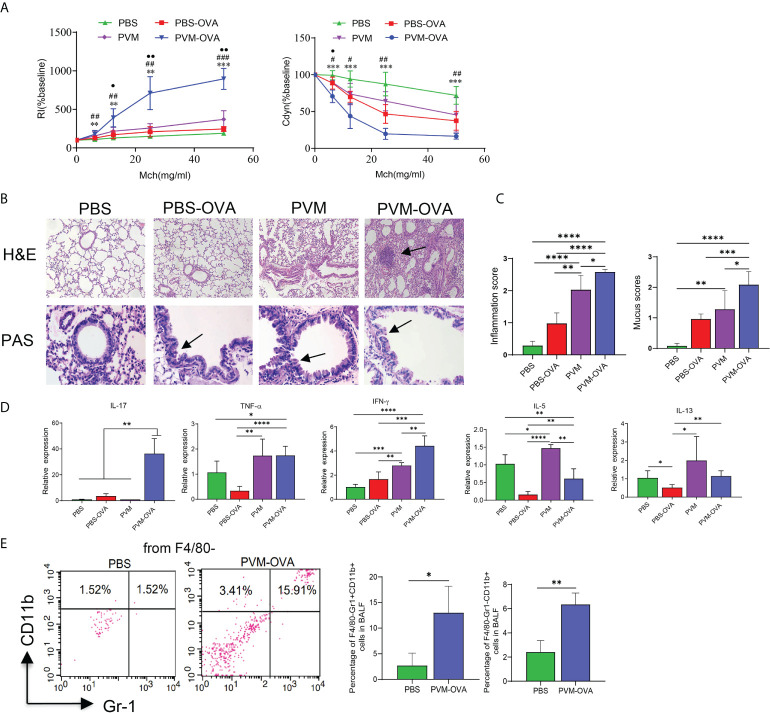
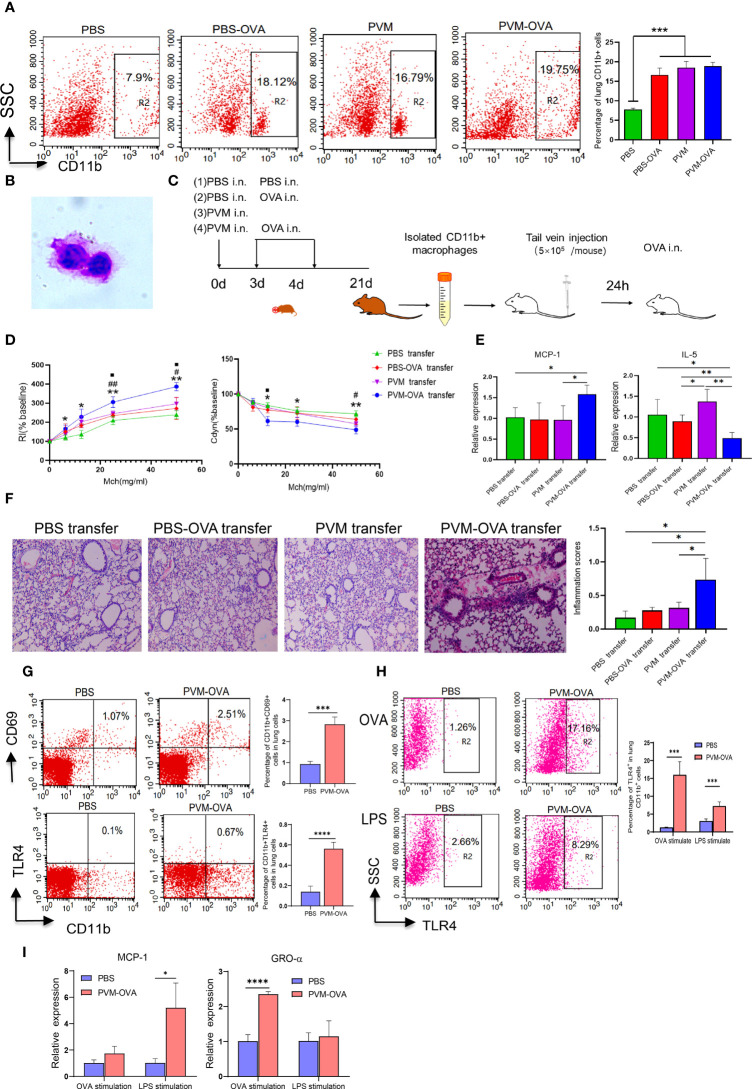
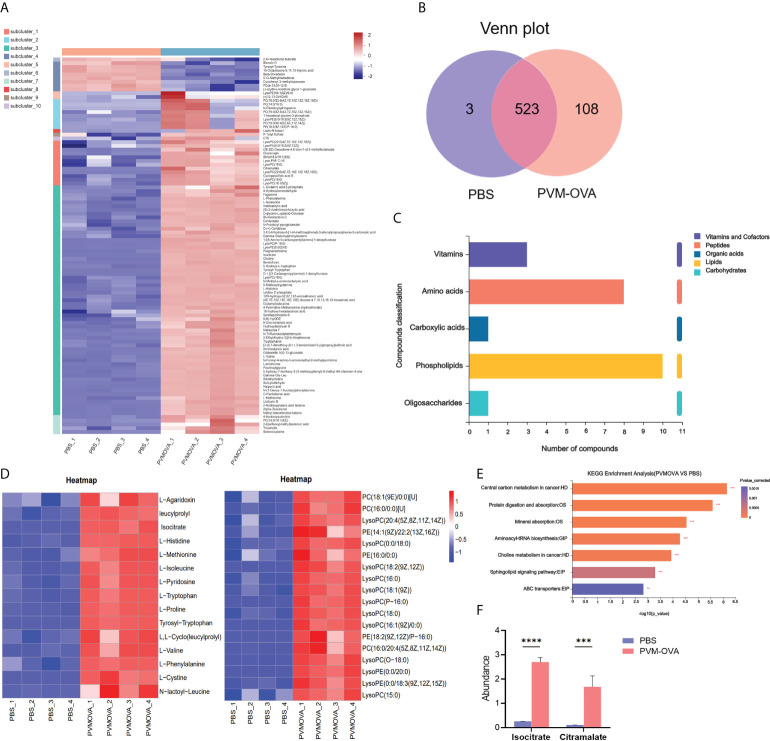
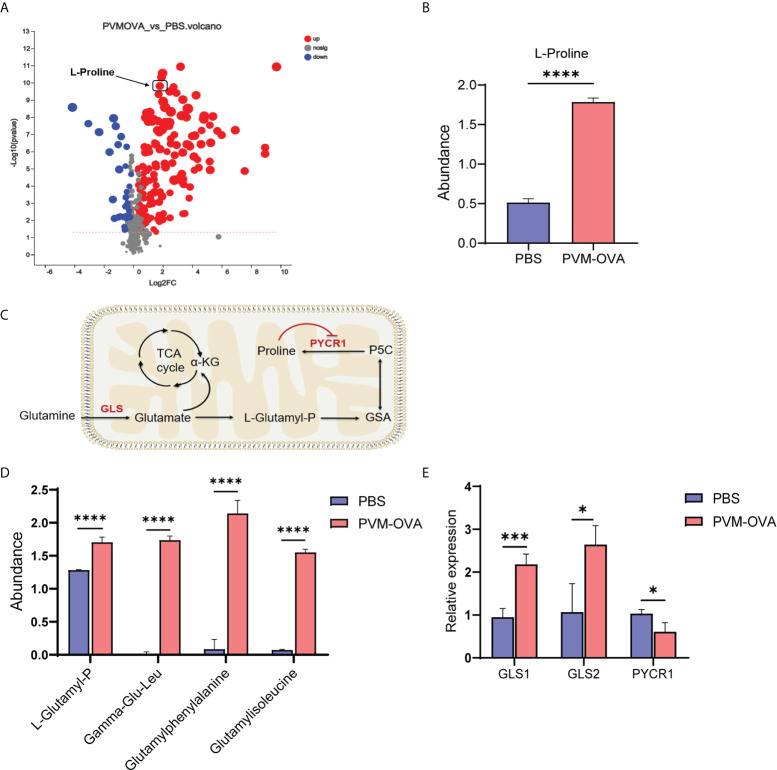
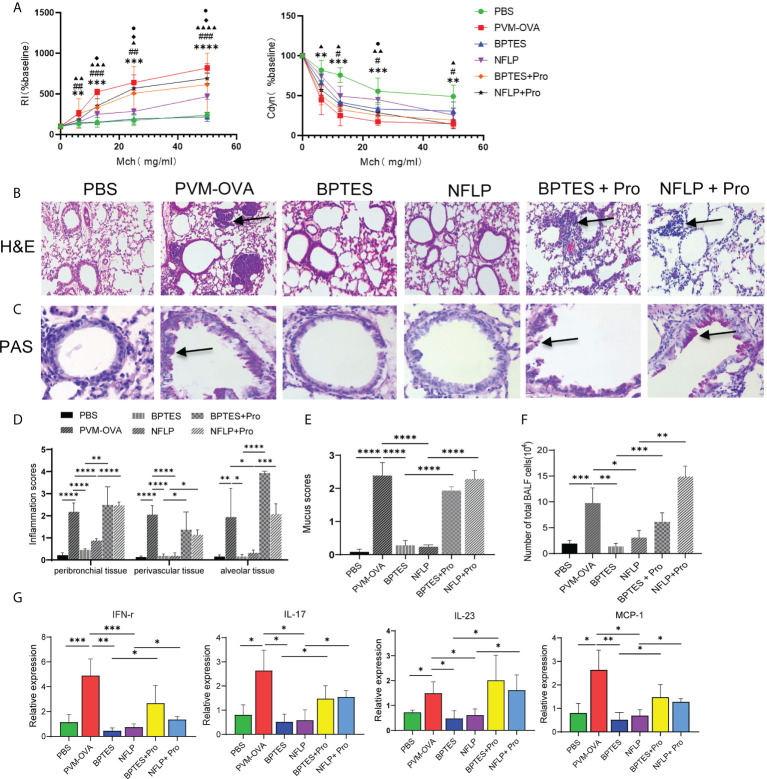
PVM infection combined with OVA sensitization in neonatal mice resulted in non-Th2 (Th1/Th17) type allergic asthma following OVA challenge in childhood of mice. Lung CD11b macrophages in the memory phage increased, and showed enhanced inflammatory responses following re-stimulation, suggesting trained macrophages. Adoptive transfer of the trained macrophages mediated the allergic asthma in childhood. The trained macrophages showed metabolic reprogramming after re-stimulation. Notably, proline biosynthesis remarkably increased. Inhibition of proline biosynthesis suppressed the development of the trained macrophages as well as the Th1/Th17 type allergic asthma, while supplement of proline recovered the trained macrophages as well as the allergic asthma.
Proline metabolism reprogramming of trained macrophages induced by early respiratory infection combined with allergen sensitization contributes to development of allergic asthma in childhood. Proline metabolism could be a well target for prevention of allergic asthma in childhood.
呼吸道合胞病毒(RSV)相关细支气管炎的婴儿患儿童哮喘的风险增加。最近的研究表明,某些感染会诱导先天免疫记忆(也称为训练有素的免疫),尤其是在巨噬细胞中,使其对未来具有广泛特异性的刺激产生更强的反应,这与人类炎症性疾病有关。代谢重编程增加了先天免疫细胞对二次刺激的反应能力,是诱导训练有素免疫的关键步骤。我们假设由新生儿呼吸道感染诱导的肺训练巨噬细胞的特定代谢重编程对于儿童过敏性哮喘至关重要。
探讨代谢重编程在呼吸道病毒感染诱导的肺训练巨噬细胞中的作用及其在过敏性哮喘中的作用。
用天然啮齿动物病原体鼠肺炎病毒(PVM)感染和致敏新生小鼠,PVM 是人类 RSV 的鼠同源株,同时结合卵清蛋白(OVA)。在记忆期重新刺激肺 CD11b 巨噬细胞,以研究训练有素的免疫和代谢组学。采用过继转移、代谢抑制剂和恢复实验探讨特定代谢重编程在儿童过敏性哮喘中的作用。
PVM 感染联合 OVA 致敏新生小鼠,导致幼年小鼠 OVA 激发后出现非 Th2(Th1/Th17)型过敏性哮喘。记忆期的肺 CD11b 巨噬细胞增加,重新刺激后表现出增强的炎症反应,提示存在训练有素的巨噬细胞。过继转移训练有素的巨噬细胞介导了幼年时期的过敏性哮喘。重新刺激后,训练有素的巨噬细胞表现出代谢重编程。值得注意的是,脯氨酸生物合成显著增加。脯氨酸生物合成的抑制抑制了训练有素的巨噬细胞的发展以及 Th1/Th17 型过敏性哮喘,而脯氨酸的补充则恢复了训练有素的巨噬细胞和过敏性哮喘。
早期呼吸道感染联合变应原致敏诱导的训练有素巨噬细胞的脯氨酸代谢重编程有助于儿童过敏性哮喘的发生。脯氨酸代谢可能是预防儿童过敏性哮喘的一个很好的靶点。