Garcia-Aguirre Gerardo, Henaine-Berra Andree, Salcedo-Villanueva Guillermo
Retina Department, Asociación para Evitar la Ceguera en México I.A.P., Mexico City 04030, Mexico.
School of Medicine and Health Sciences, Tecnologico de Monterrey, Mexico City 14380, Mexico.
J Clin Med. 2022 Sep 20;11(19):5502. doi: 10.3390/jcm11195502.
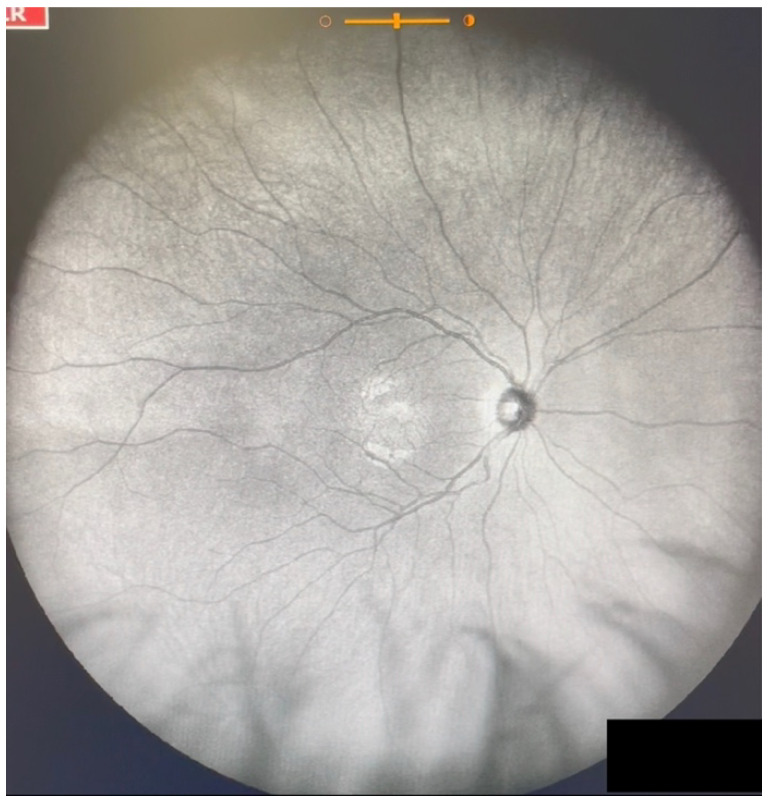
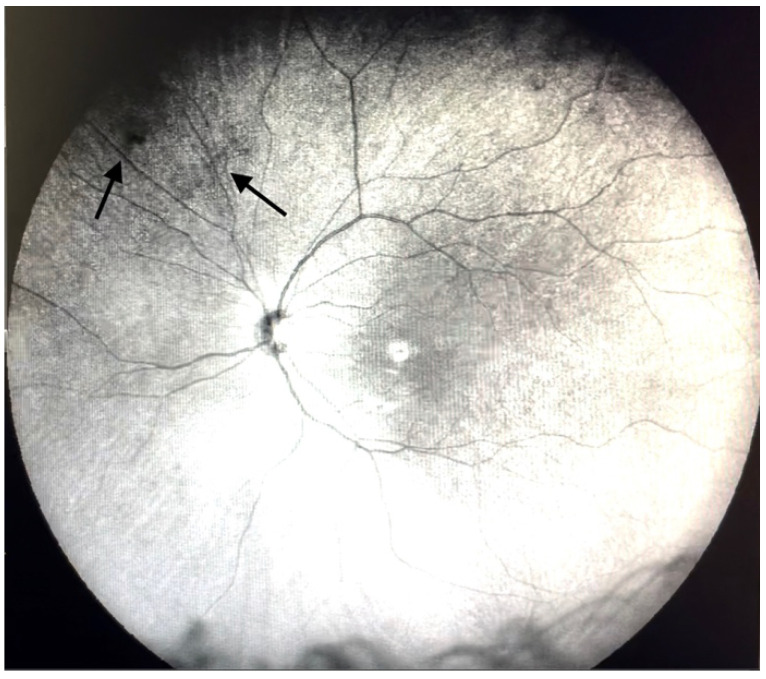
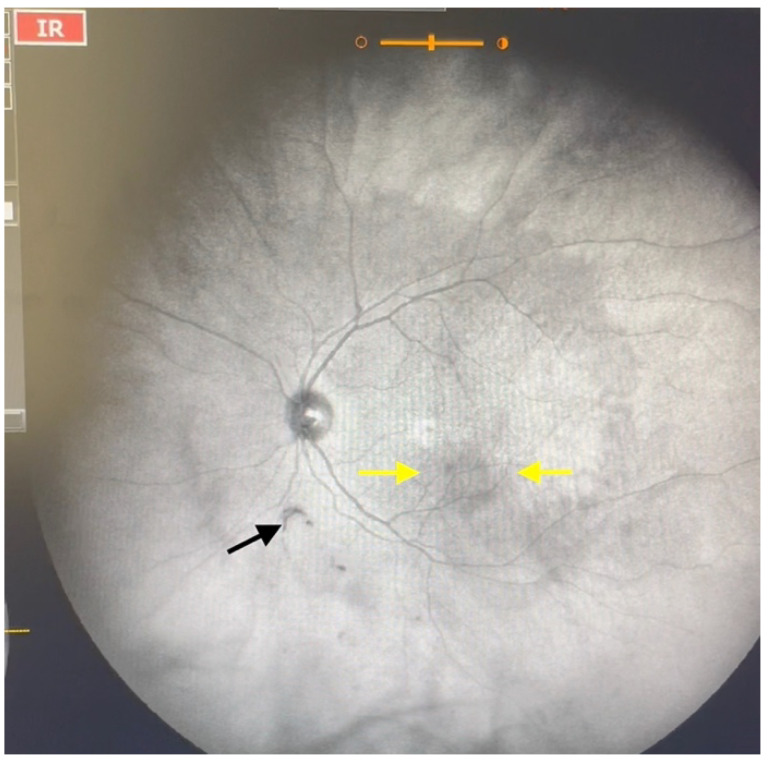
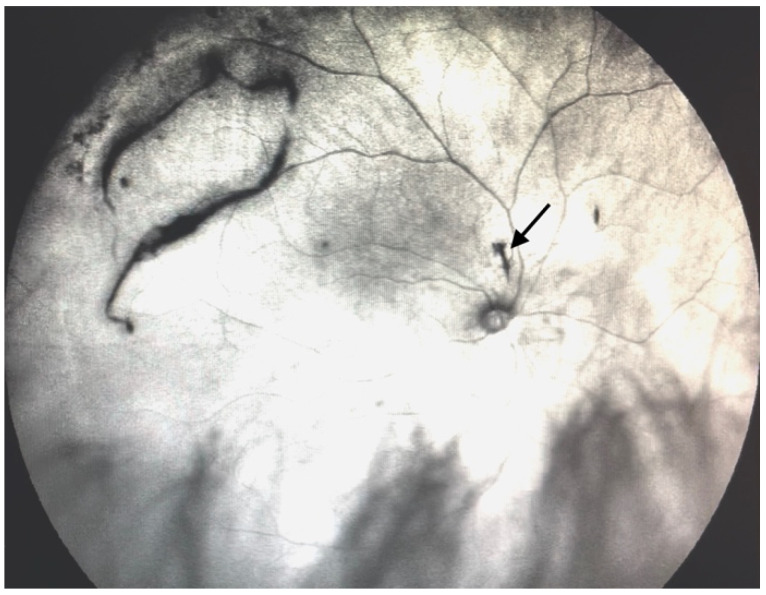
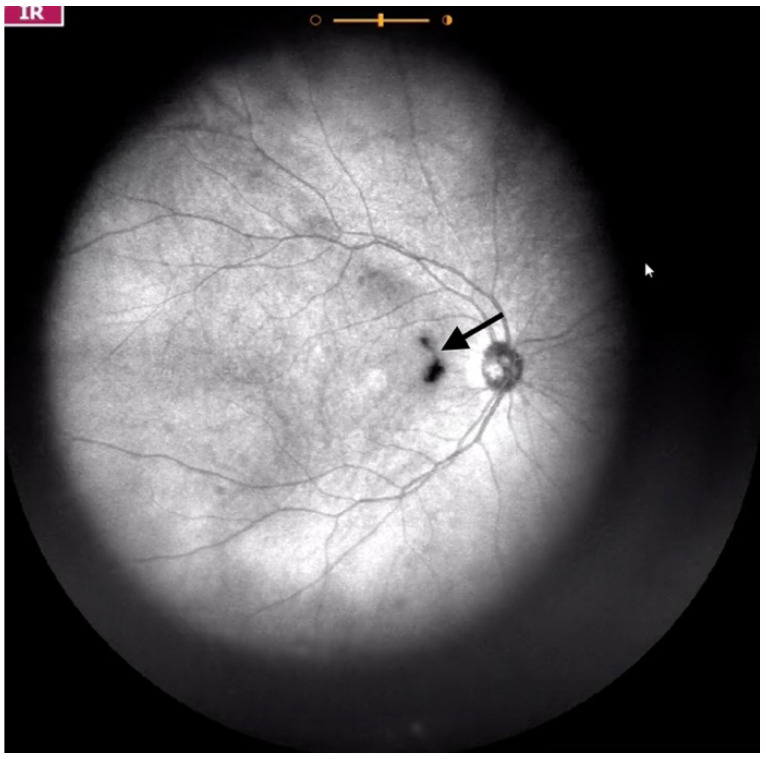
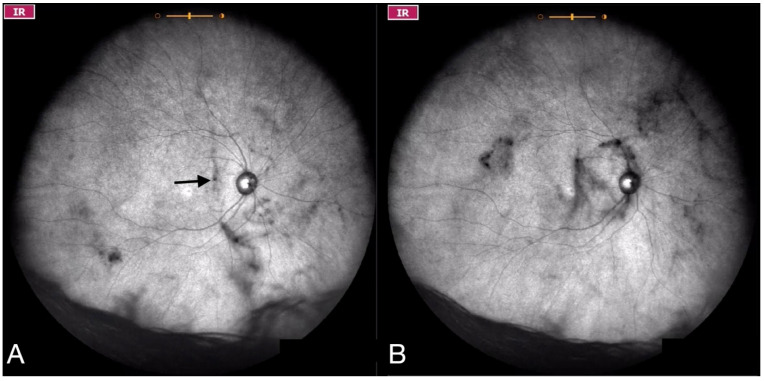
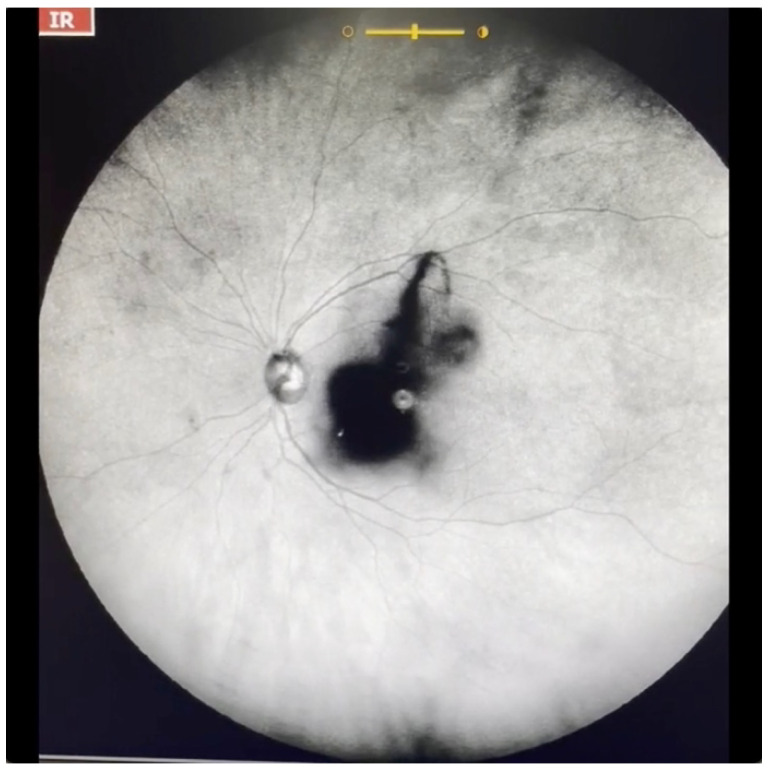
To describe the appearance of vitreous opacities using dynamic ultra-widefield infrared confocal scanning laser ophthalmoscopy (IRcSLO).
Retrospective case series.
Eyes of patients complaining of myodesopsia were analyzed using dynamic ultra-widefield IRcSLO imaging (Nidek Mirante, Nidek Co., Ltd., Gamagori, Japan), and classified according to a vitreous opacity severity scale.
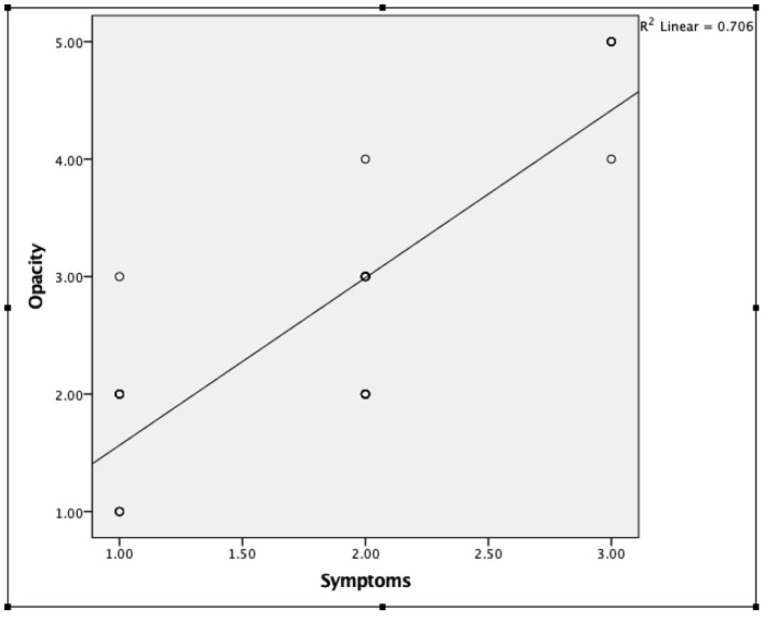
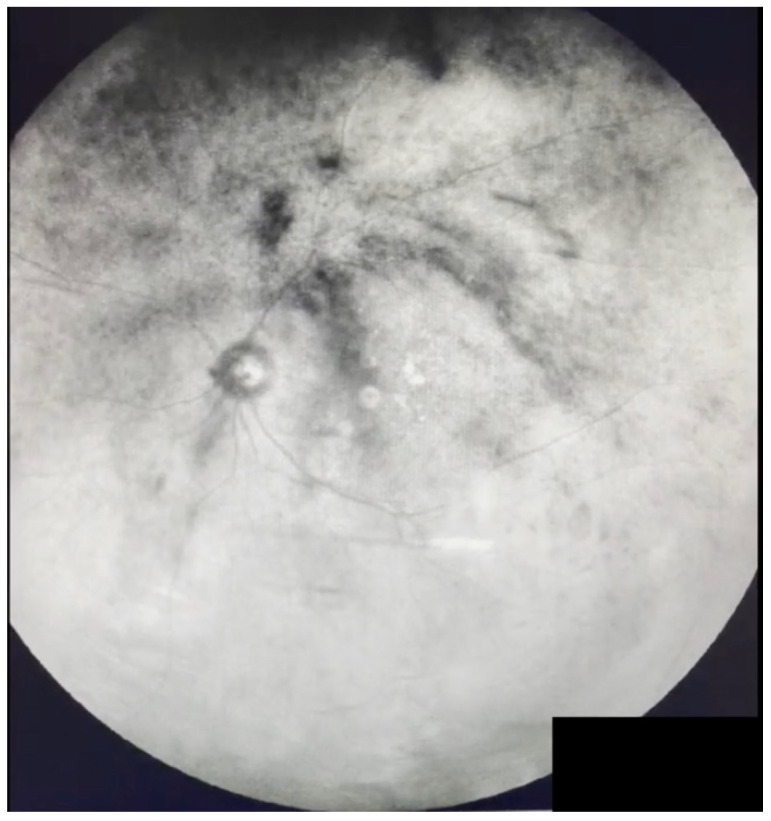
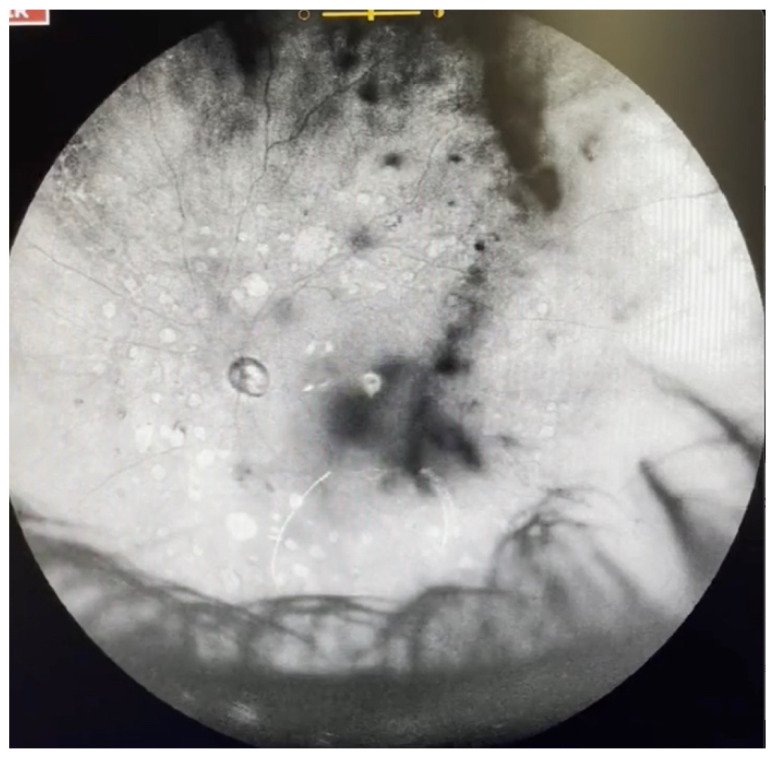
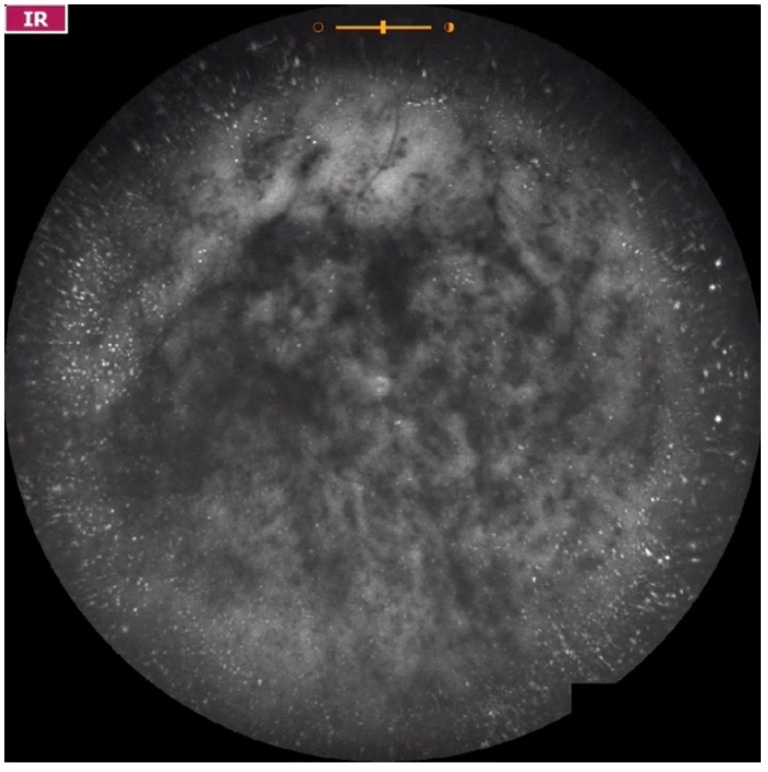
Thirty eyes of 21 patients were included in this study. The average age was 56 years. Symptom duration ranged from 1 to more than 365 days. The most common cause of vitreous floaters was posterior vitreous detachment (63.3%), followed by vitreous syneresis (23.3%), asteroid hyalosis (10%) and vitreous hemorrhage (3.3%). Opacities were classified as Grade 1 in three eyes (10%), Grade 2 in 10 eyes (33.3%), Grade 3 in 11 eyes (36.6%), Grade 4 in two eyes (6.6%) and Grade 5 in four eyes (13.3%). Patients with Grade 1 opacities were younger than patients with opacities Grade 2 or greater. A visible Weiss ring could be identified in 0% of eyes with Grade 1 opacities, 40% of eyes with Grade 2 opacities, 100% of eyes with Grade 3 opacities, and 100% of eyes with Grade 4 opacities. In patients with Grade 5 opacities, a Weiss ring could not be identified.
Dynamic ultra-widefield IRcSLO imaging is a useful tool to evaluate patients with vitreous floaters. It allows for accurate visualization of the number, density, and behavior of the shadows that vitreous opacities project over a very wide area of the retina, which has a positive correlation with patient perception of floaters.
使用动态超广角红外共焦扫描激光检眼镜(IRcSLO)描述玻璃体混浊的表现。
回顾性病例系列。
使用动态超广角IRcSLO成像(日本蒲郡市尼德克公司的尼德克Mirante)对主诉有飞蚊症的患者眼睛进行分析,并根据玻璃体混浊严重程度量表进行分类。
本研究纳入了21例患者的30只眼睛。平均年龄为56岁。症状持续时间为1天至超过365天。玻璃体混浊最常见的原因是玻璃体后脱离(63.3%),其次是玻璃体液化(23.3%)、星状玻璃体变性(10%)和玻璃体积血(3.3%)。混浊被分类为1级的有3只眼(10%),2级的有10只眼(33.3%),3级的有11只眼(36.6%),4级的有2只眼(6.6%),5级的有4只眼(13.3%)。1级混浊患者比2级及以上混浊患者年轻。1级混浊眼中0%能识别出可见的魏氏环,2级混浊眼中40%能识别出,3级混浊眼中100%能识别出,4级混浊眼中100%能识别出。5级混浊患者中无法识别出魏氏环。
动态超广角IRcSLO成像对于评估有玻璃体混浊的患者是一种有用的工具。它能够准确显示玻璃体混浊在视网膜非常大的区域投射的阴影的数量、密度和动态,这与患者对飞蚊症的感知呈正相关。