Zaharia Anamaria, Gavrila Ana-Mihaela, Caras Iuliana, Trica Bogdan, Chiriac Anita-Laura, Gifu Catalina Ioana, Neblea Iulia Elena, Stoica Elena-Bianca, Dolana Sorin Viorel, Iordache Tanta-Verona
National Institute for Research & Development in Chemistry and Petrochemistry ICECHIM, Advanced Polymer Materials and Polymer Recycling Group, Spl. Independentei 202, 6th District, 060021 Bucharest, Romania.
National Institute for Medico-Military Research and Development "Cantacuzino", Spl. Independentei 103, 5th District, 011061 Bucharest, Romania.
Polymers (Basel). 2022 Oct 7;14(19):4200. doi: 10.3390/polym14194200.
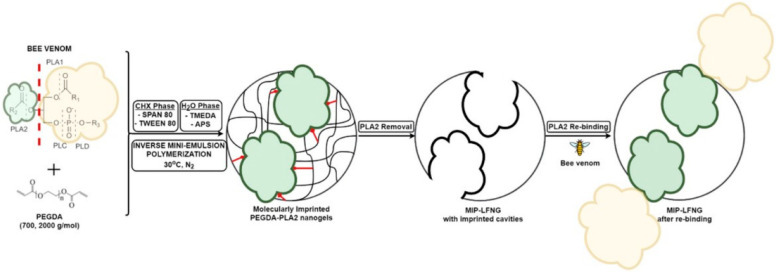
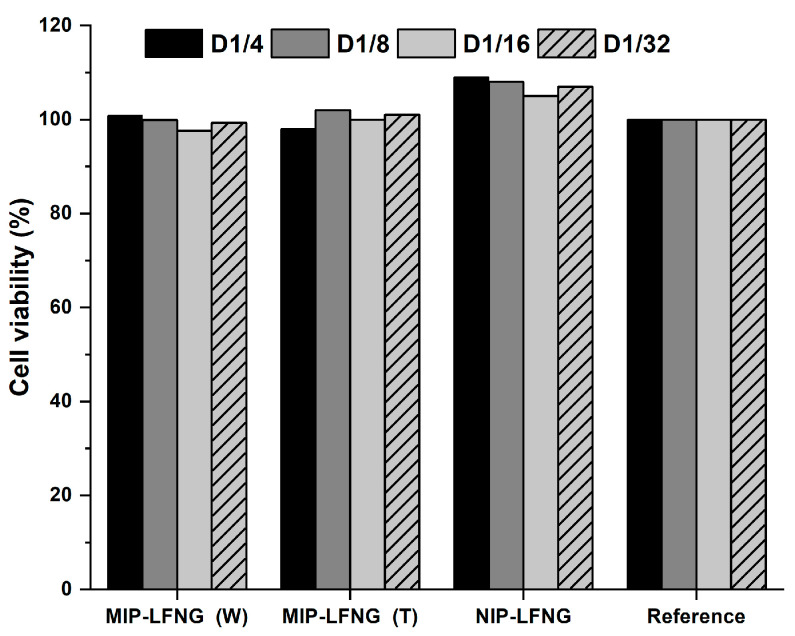
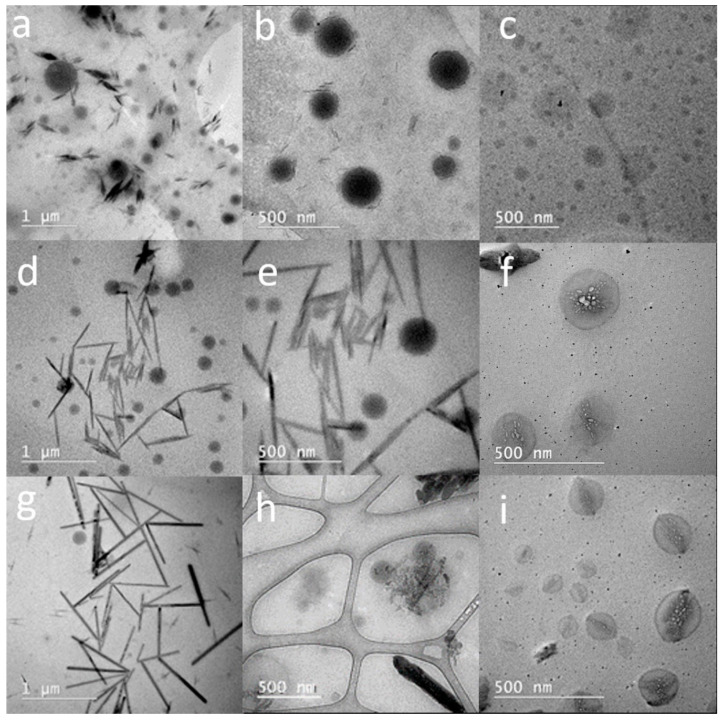
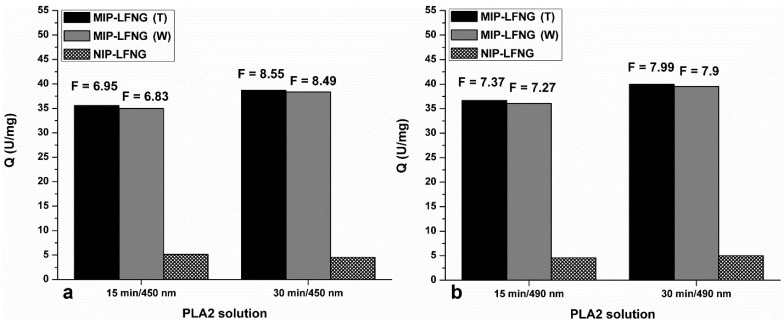
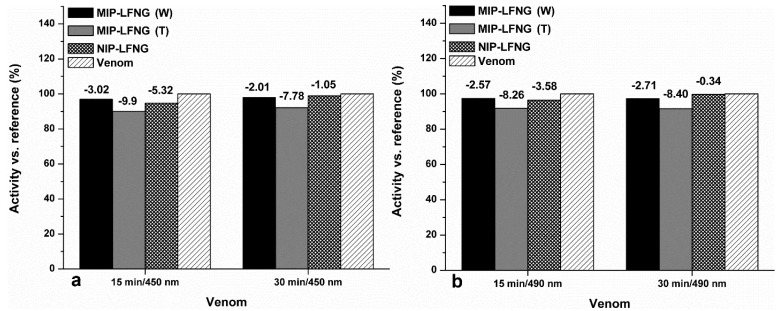
In this study, ligand-free nanogels (LFNGs) as potential antivenom mimics were developed with the aim of preventing hypersensitivity and other side effects following massive bee attacks. For this purpose, poly (ethylene glycol) diacrylate was chosen as a main synthetic biocompatible matrix to prepare the experimental LFNGs. The overall concept uses inverse mini-emulsion polymerization as the main route to deliver nanogel caps with complementary cavities for phospholipase A2 (PLA2) from bee venom, created artificially with the use of molecular imprinting (MI) technologies. The morphology and the hydrodynamic features of the nanogels were confirmed by transmission electron microscopy (TEM) and dynamic light scattering (DLS) analysis. The following rebinding experiments evidenced the specificity of molecularly imprinted LFNG for PLA2, with rebinding capacities up to 8-fold higher compared to the reference non-imprinted nanogel, while the in vitro binding assays of PLA2 from commercial bee venom indicated that such synthetic nanogels are able to recognize and retain the targeted PLA2 enzyme. The results were finally collaborated with in vitro cell-viability experiments and resulted in a strong belief that such LFNG may actually be used for future therapies against bee envenomation.
在本研究中,开发了无配体纳米凝胶(LFNGs)作为潜在的抗蛇毒血清模拟物,旨在预防大规模蜜蜂蜇伤后的过敏反应和其他副作用。为此,选择聚乙二醇二丙烯酸酯作为主要的合成生物相容性基质来制备实验性LFNGs。总体概念是利用反向微乳液聚合作为主要途径,通过分子印迹(MI)技术人工创建具有与蜂毒磷脂酶A2(PLA2)互补腔的纳米凝胶帽。通过透射电子显微镜(TEM)和动态光散射(DLS)分析确认了纳米凝胶的形态和流体动力学特征。随后的再结合实验证明了分子印迹LFNG对PLA2的特异性,其再结合能力比参考非印迹纳米凝胶高8倍,而来自商业蜂毒的PLA2的体外结合试验表明,这种合成纳米凝胶能够识别并保留靶向的PLA2酶。结果最终与体外细胞活力实验相结合,坚定了人们对这种LFNG可实际用于未来蜜蜂蜇伤治疗的信念。