Helmholtz Zentrum München-German Research Center for Environmental Health (GmbH), Institute of Radiation Medicine, Neuherberg, Germany.
Institut de Radioprotection et Sûreté Nucléaire (IRSN), PSE-SANTE/SESANE/LRSI, Fontenay-aux-Roses, France.
Radiat Environ Biophys. 2022 Nov;61(4):579-596. doi: 10.1007/s00411-022-01000-5. Epub 2022 Oct 14.
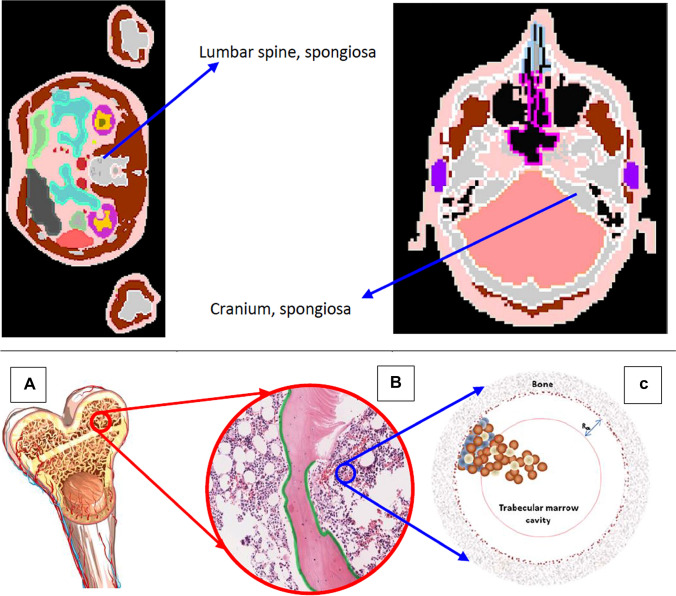
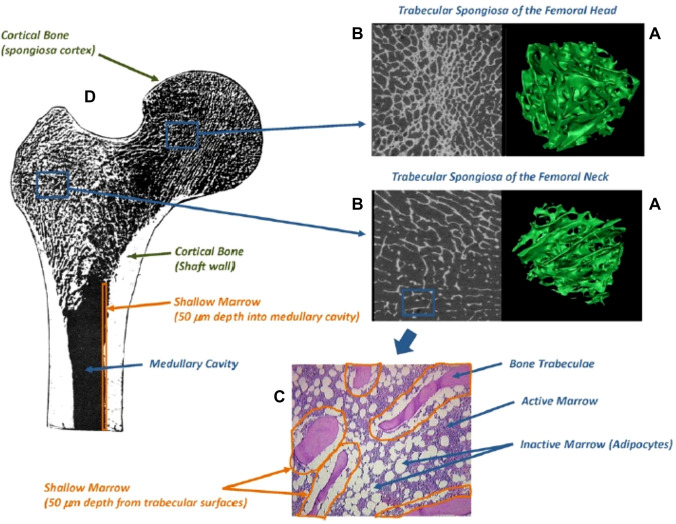
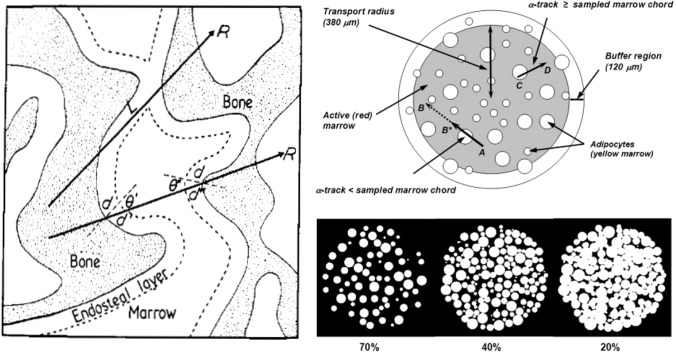
Heterogeneity of dose distribution has been shown at different spatial scales in diagnostic nuclear medicine. In cancer treatment using new radiopharmaceuticals with alpha-particle emitters, it has shown an extensive degree of dose heterogeneity affecting both tumour control and toxicity of organs at risk. This review aims to provide an overview of generalized internal dosimetry in nuclear medicine and highlight the need of consideration of the dose heterogeneity within organs at risk. The current methods used for patient dosimetry in radiopharmaceutical therapy are summarized. Bio-distribution and dose heterogeneities of alpha-particle emitting pharmaceutical Ra (Xofigo) within bone tissues are presented as an example. In line with the strategical research agendas of the Multidisciplinary European Low Dose Initiative (MELODI) and the European Radiation Dosimetry Group (EURADOS), future research direction of pharmacokinetic modelling and dosimetry in patient radiopharmaceutical therapy are recommended.
在诊断核医学中,已经在不同的空间尺度上显示出剂量分布的异质性。在使用具有α粒子发射体的新型放射性药物进行癌症治疗时,已经显示出广泛的剂量异质性,这会影响肿瘤控制和风险器官的毒性。本综述旨在概述核医学中的广义内部剂量学,并强调需要考虑风险器官内的剂量异质性。总结了放射性药物治疗中当前用于患者剂量测定的方法。以骨骼组织内发射α粒子的放射性药物 Ra(Xofigo)为例,介绍了其生物分布和剂量异质性。根据多学科欧洲低剂量倡议(MELODI)和欧洲放射剂量学组(EURADOS)的战略研究议程,建议了放射性药物治疗中药代动力学建模和剂量学的未来研究方向。