Dergaa Ismail, Musa Sarah, Romdhani Mohamed, Souissi Amine, Abdulmalik Mariam Ali, Chamari Karim, Saad Helmi Ben
Primary Health Care Corporation (PHCC), Doha, P.O. Box 26555, Qatar.
High Institute of Sport and Physical Education of Sfax, Sfax University, Sfax, Tunisia.
Biol Sport. 2022 Oct;39(4):1073-1080. doi: 10.5114/biolsport.2022.113293. Epub 2022 Feb 10.
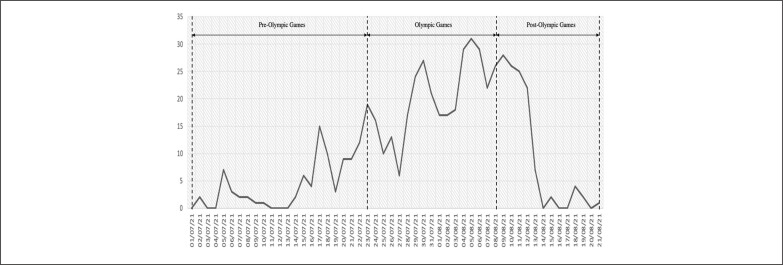
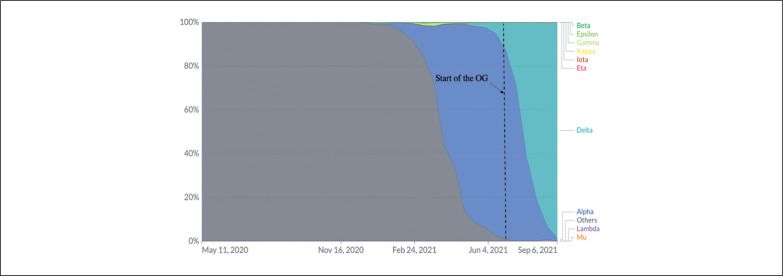
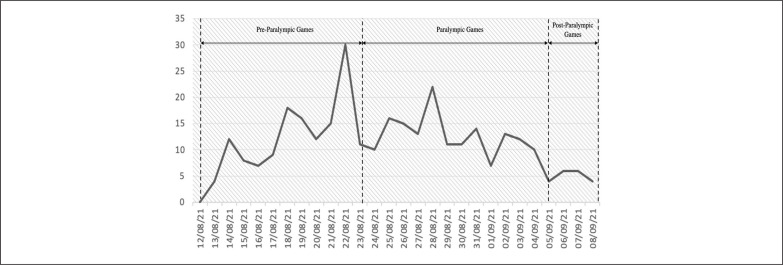
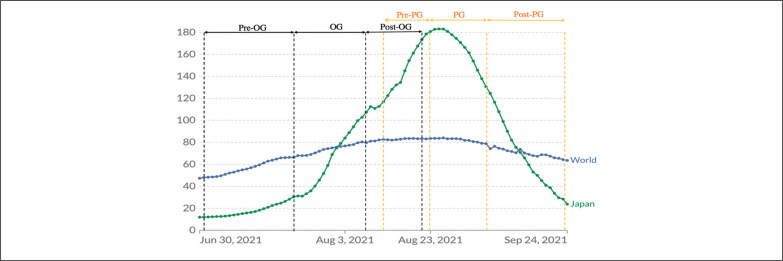
Preparation for the FIFA World Cup 2022 (WC2022) comes in the time of the COVID-19 pandemic. This study aims were to (i) provide a brief overview of the 2020 Tokyo Olympic and Paralympic games in the context of the COVID-19 pandemic, and (ii) highlight the potential challenges and opportunities central to the hosting of the FIFA WC2022. The organisation, public health policies and prevention protocols of the postponed 2020 Olympic/Paralympic Games (Tokyo July-August 2021), the infection rates during the event, as well as the upcoming WC2022 and its related preparations and challenges, were analysed. An unparalleled International Olympic Committee (IOC) effort, together with the Japanese government and people's perseverance and drive, enabled the safe delivery of the Tokyo Olympic/Paralympic Games, which left a legacy beyond sport. This has been aided by the collection of critical data and lessons learnt throughout the games. The stringent public health policies and especially the tight bubble system for players and their respective delegations have certainly been the key components that ensured the successful containment of COVID-19 within the targeted population. One of the most significant lessons learned from the Tokyo 2020 Olympics is the improvement made in controlling COVID-19 in the context of mass gathering events. Strict infection control strategies to prevent future COVID-19 transmission during the FIFA World Cup 2022 are an immediate priority in Qatar and are constantly being prepared. The planned measures and health care strategies appear to be well adjusted to the risk, especially for the large anticipated number of visitors, and can provide sufficient guarantees to conduct relatively "safe" mega sports events.
2022年国际足联世界杯(2022年世界杯)的筹备工作正值新冠疫情期间。本研究旨在:(i)在新冠疫情背景下简要概述2020年东京奥运会和残奥会;(ii)强调举办2022年国际足联世界杯的核心潜在挑战与机遇。分析了推迟至2021年7月至8月在东京举办的2020年奥运会/残奥会的组织情况、公共卫生政策及预防方案、赛事期间的感染率,以及即将到来的2022年世界杯及其相关筹备工作和挑战。国际奥委会前所未有的努力,加上日本政府以及民众的毅力与干劲,使得东京奥运会/残奥会得以安全举办,留下了超越体育范畴的遗产。这得益于赛事期间关键数据的收集及经验教训的总结。严格的公共卫生政策,尤其是针对运动员及其各自代表团的严格“气泡”系统,无疑是确保在目标人群中成功遏制新冠疫情的关键因素。从2020年东京奥运会汲取的最重要经验之一,是在大规模聚集活动背景下防控新冠疫情方面取得的进步。卡塔尔当下的首要任务是制定严格的感染控制策略,以防2022年国际足联世界杯期间新冠疫情再次传播,并且相关准备工作正在持续进行。计划采取的措施和医疗保健策略似乎已根据风险进行了充分调整,特别是考虑到预期大量的游客,能够为举办相对“安全”的大型体育赛事提供充分保障。