School of Pharmacy, University College London, 29-39 Brunswick Square, London WC1N 1AX, UK.
Institute of Structural and Molecular Biology, Birkbeck College, London WC1E 7HX, UK.
Int J Mol Sci. 2022 Oct 18;23(20):12448. doi: 10.3390/ijms232012448.
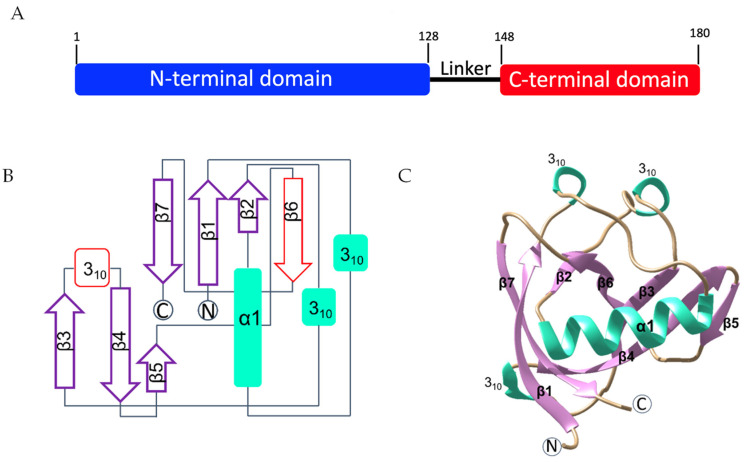
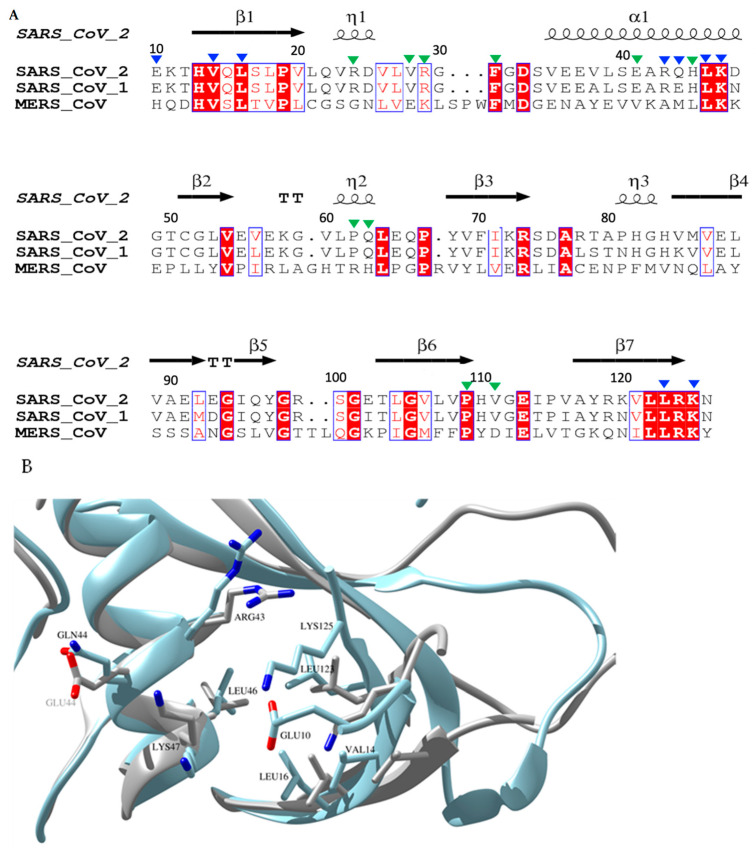
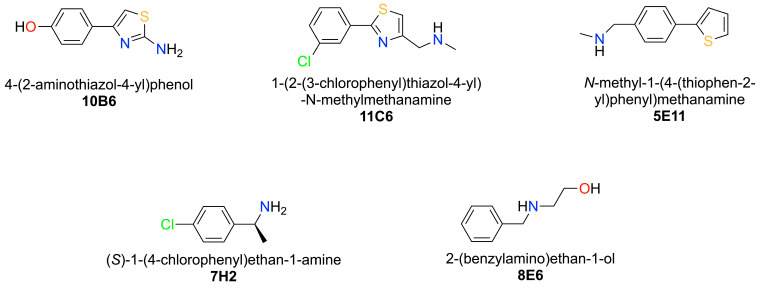
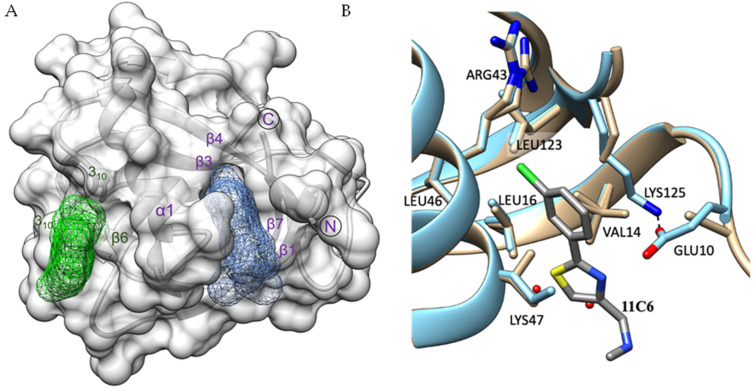
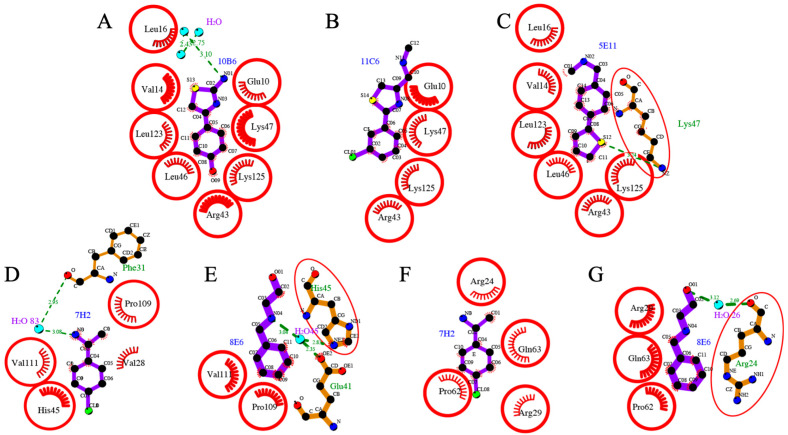
The regular reappearance of coronavirus (CoV) outbreaks over the past 20 years has caused significant health consequences and financial burdens worldwide. The most recent and still ongoing novel CoV pandemic, caused by Severe Acute Respiratory Syndrome coronavirus 2 (SARS-CoV-2) has brought a range of devastating consequences. Due to the exceptionally fast development of vaccines, the mortality rate of the virus has been curbed to a significant extent. However, the limitations of vaccination efficiency and applicability, coupled with the still high infection rate, emphasise the urgent need for discovering safe and effective antivirals against SARS-CoV-2 by suppressing its replication or attenuating its virulence. Non-structural protein 1 (nsp1), a unique viral and conserved leader protein, is a crucial virulence factor for causing host mRNA degradation, suppressing interferon (IFN) expression and host antiviral signalling pathways. In view of the essential role of nsp1 in the CoV life cycle, it is regarded as an exploitable target for antiviral drug discovery. Here, we report a variety of fragment hits against the N-terminal domain of SARS-CoV-2 nsp1 identified by fragment-based screening via X-ray crystallography. We also determined the structure of nsp1 at atomic resolution (0.99 Å). Binding affinities of hits against nsp1 and potential stabilisation were determined by orthogonal biophysical assays such as microscale thermophoresis and thermal shift assays. We identified two ligand-binding sites on nsp1, one deep and one shallow pocket, which are not conserved between the three medically relevant SARS, SARS-CoV-2 and MERS coronaviruses. Our study provides an excellent starting point for the development of more potent nsp1-targeting inhibitors and functional studies on SARS-CoV-2 nsp1.
过去 20 年来,冠状病毒(CoV)的定期爆发在全球范围内造成了重大的健康后果和经济负担。由严重急性呼吸系统综合征冠状病毒 2(SARS-CoV-2)引起的最新且仍在持续的新型 CoV 大流行带来了一系列毁灭性的后果。由于疫苗的异常快速发展,病毒的死亡率已在很大程度上得到遏制。然而,疫苗效率和适用性的局限性,再加上仍然很高的感染率,强调了迫切需要发现针对 SARS-CoV-2 的安全有效的抗病毒药物,以抑制其复制或减弱其毒力。非结构蛋白 1(nsp1)是一种独特的病毒和保守的先导蛋白,是导致宿主 mRNA 降解、抑制干扰素(IFN)表达和宿主抗病毒信号通路的关键毒力因子。鉴于 nsp1 在 CoV 生命周期中的重要作用,它被认为是抗病毒药物发现的可利用靶标。在这里,我们通过 X 射线晶体学的基于片段的筛选报告了针对 SARS-CoV-2 nsp1 的 N 端结构域的各种片段命中。我们还以原子分辨率(0.99Å)确定了 nsp1 的结构。通过微尺度热泳动和热移位测定等正交生物物理测定法,测定了命中物对 nsp1 的结合亲和力和潜在稳定性。我们确定了 nsp1 上的两个配体结合位点,一个深口袋和一个浅口袋,它们在三种与医学相关的 SARS、SARS-CoV-2 和 MERS 冠状病毒之间并不保守。我们的研究为开发更有效的 nsp1 靶向抑制剂和 SARS-CoV-2 nsp1 的功能研究提供了一个极好的起点。