Bondar Maryna, Pedro Filipa, Oliveira M Conceição, da Fonseca M Manuela R, Cesário M Teresa
iBB- Institute for Bioengineering and Biosciences, Bioengineering Department, Instituto Superior Técnico, Universidade de Lisboa, Lisboa, Portugal.
Associate Laboratory i4HB, Institute for Health and Bioeconomy, Instituto Superior Técnico, Universidade de Lisboa, Lisboa, Portugal.
Front Bioeng Biotechnol. 2022 Oct 10;10:934432. doi: 10.3389/fbioe.2022.934432. eCollection 2022.
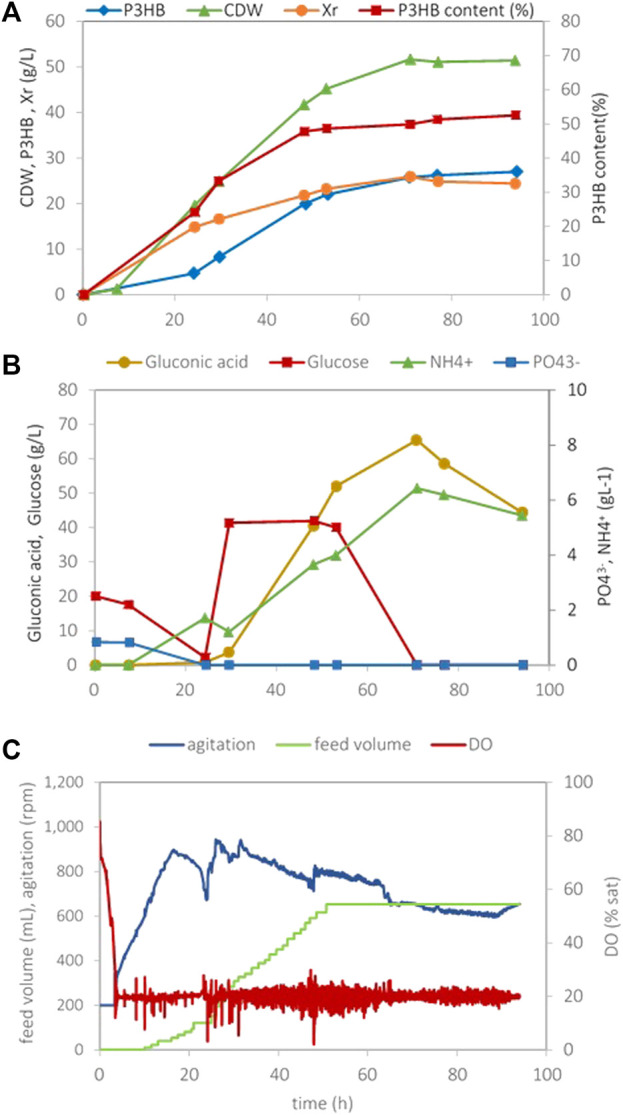
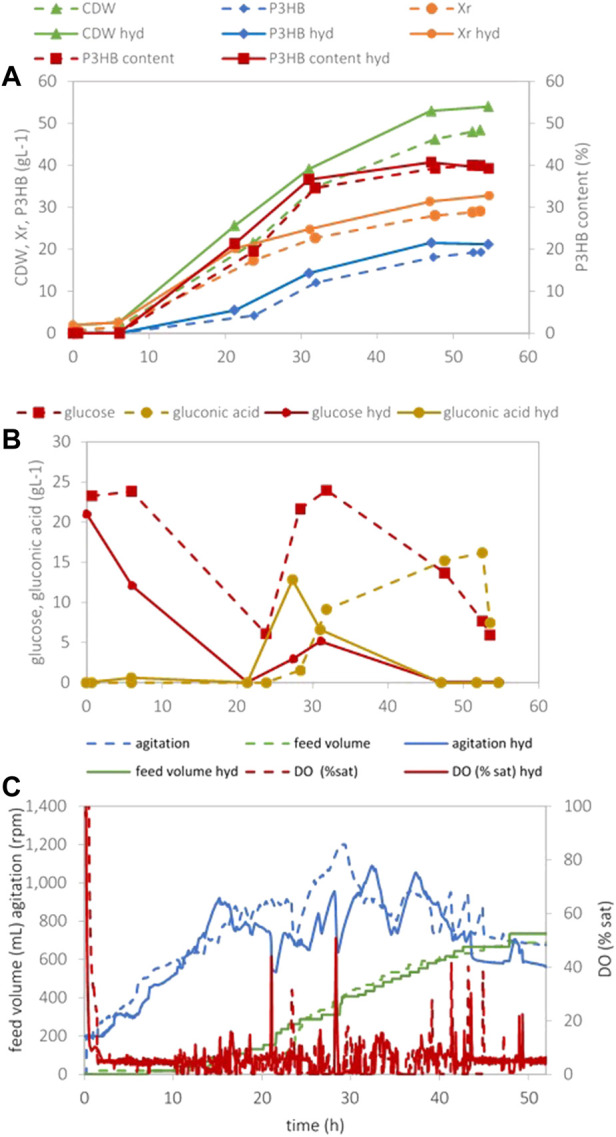
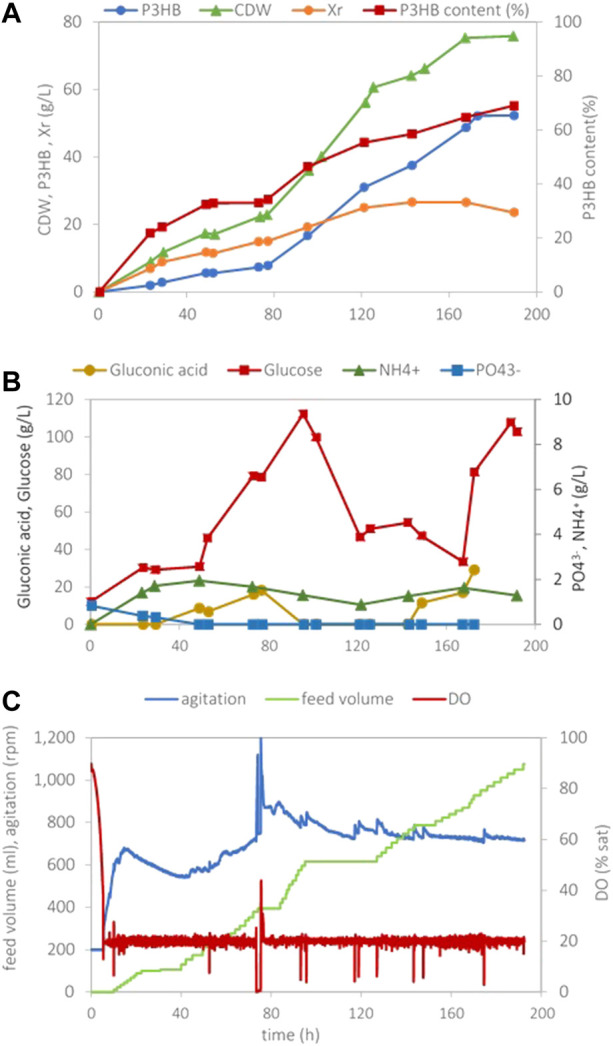
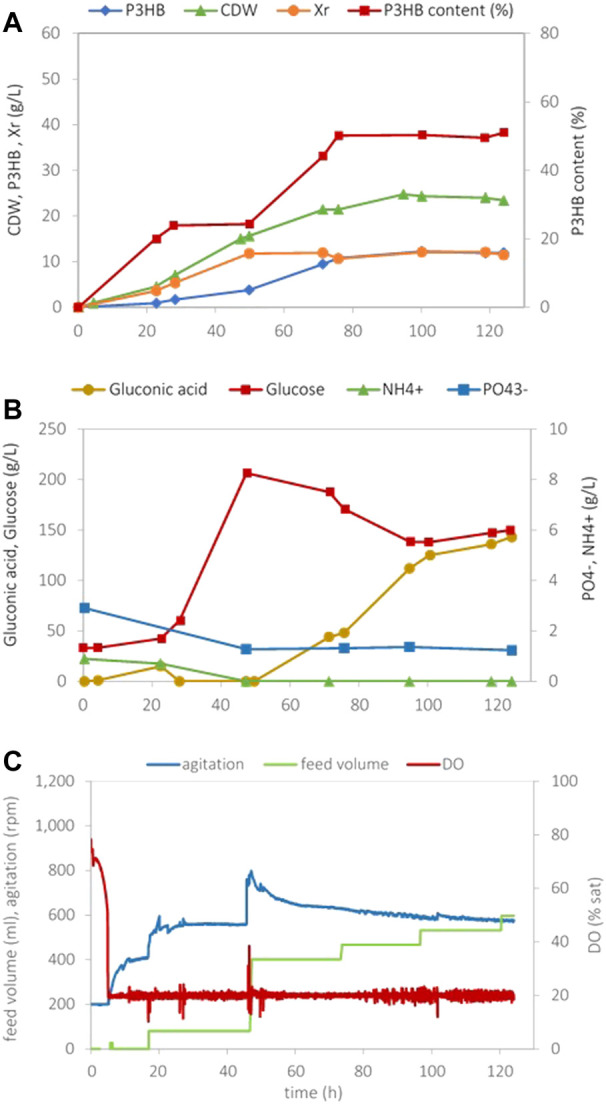
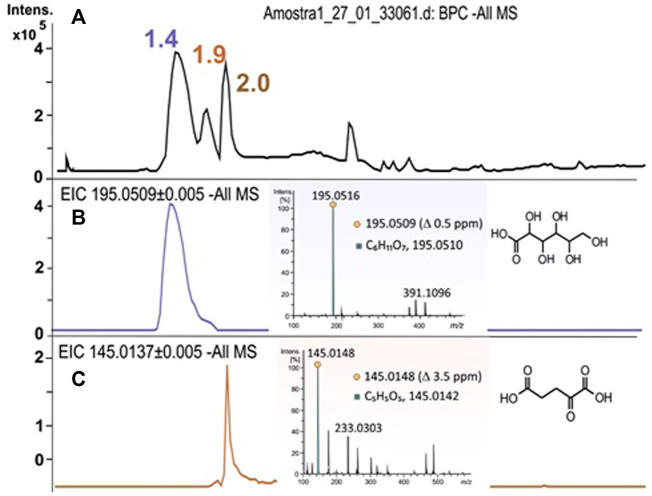
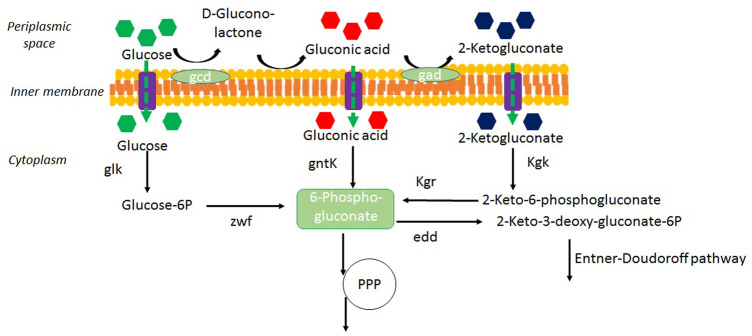
Polyhydroxyalkanoate (PHA) production using halophilic bacteria has been revisited because less severe operational conditions with respect to sterility can be applied, also alleviating production costs. was selected because it is a moderate halophile able to grow and attain high poly-3-hydroxybutyrate (P3HB) contents under 5-45 g/L NaCl concentrations, conditions that discourage microbial contamination. Industrial residues of the red alga after agar extraction were used as sugar platform to reduce costs associated with the carbon source. These residues still comprise a high carbohydrate content (30-40% w/w) of mainly cellulose, and their hydrolysates can be used as substrates for the bioproduction of value-added products. Preliminary assays using glucose were carried out to determine the best conditions for growth and P3HB production by in bioreactor fed-batch cultivations. Two strategies were addressed, namely nitrogen or phosphorus limitation, to promote polymer accumulation. Similar P3HB cell contents of 50% (g/g) and yields of 0.11-0.15 g /g were attained under both conditions. However, higher specific productivities were reached under P-limitation, and thus, this strategy was adopted in the subsequent study. Two organic acids, resulting from glucose metabolism, were identified to be gluconic and 2-oxoglutaric acid. Reducing the oxygen concentration in the cultivation medium to 5% sat was found to minimize organic acid production and enhance the yield of polymer on sugar to 0.20 g/g. Finally, fed-batch cultivations using hydrolysates as the only C-source achieved an overall volumetric productivity of 0.47 g/(L.h), 40% polymer accumulation, and negligible gluconic acid production.
利用嗜盐细菌生产聚羟基脂肪酸酯(PHA)已被重新审视,因为可以采用对无菌要求不太严格的操作条件,这也有助于降低生产成本。之所以选择[具体细菌名称未给出],是因为它是一种中度嗜盐菌,能够在5-45 g/L的NaCl浓度下生长并积累高含量的聚-3-羟基丁酸酯(P3HB),这种条件不利于微生物污染。红藻[具体红藻名称未给出]琼脂提取后的工业残渣被用作糖平台,以降低与碳源相关的成本。这些残渣仍含有高碳水化合物含量(30-40% w/w),主要是纤维素,其水解产物可作为生物生产增值产品的底物。使用葡萄糖进行了初步试验,以确定[具体细菌名称未给出]在生物反应器分批补料培养中生长和生产P3HB的最佳条件。研究了两种策略,即氮限制或磷限制,以促进聚合物积累。在这两种条件下,P3HB细胞含量均达到50%(g/g),产量为0.11-0.15 g /g。然而,在磷限制条件下达到了更高的比生产率,因此,该策略被用于后续研究。葡萄糖代谢产生的两种有机酸被鉴定为葡萄糖酸和2-氧代戊二酸。发现将培养基中的氧气浓度降低至5%饱和度可使有机酸产量降至最低,并将聚合物对糖的产率提高至0.20 g/g。最后,使用[具体细菌名称未给出]水解产物作为唯一碳源的分批补料培养实现了0.47 g/(L·h)的总容积生产率、40%的聚合物积累以及可忽略不计的葡萄糖酸产量。