Feng Lixiang, Yang Jun, Zhang Wei, Wang Xiong, Li Lili, Peng Min, Luo Pengcheng
Department of Urology, Wuhan Third Hospital, School of Medicine, Wuhan University of Science and Technology, Wuhan, China.
Department of Urology, Wuhan Third Hospital, Wuhan, China.
Front Oncol. 2022 Oct 10;12:994703. doi: 10.3389/fonc.2022.994703. eCollection 2022.
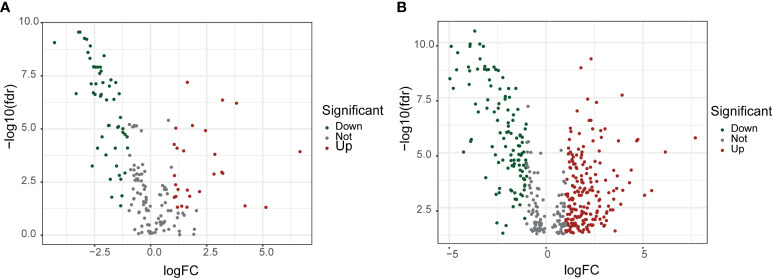
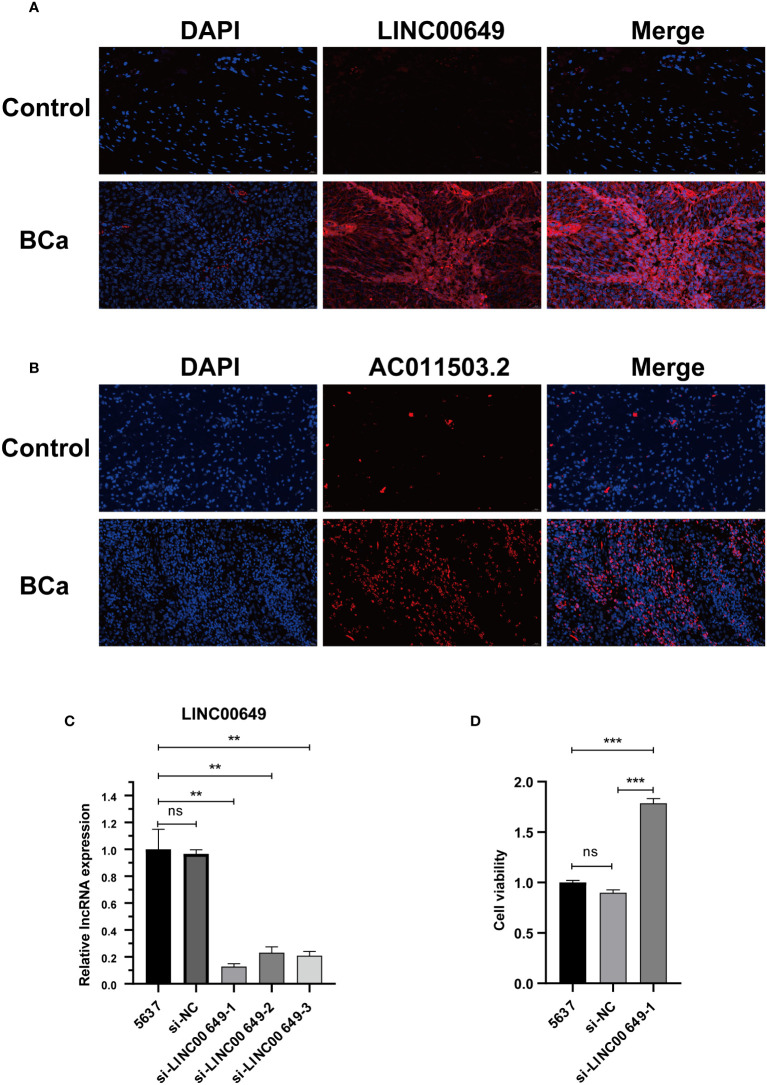
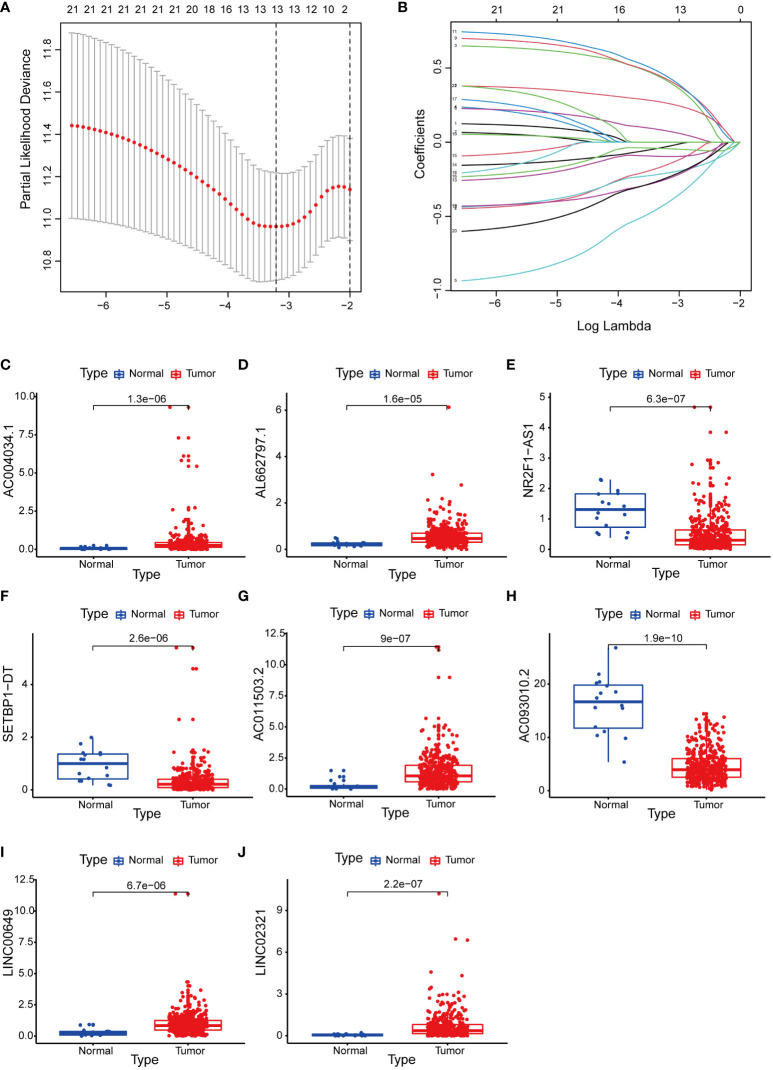
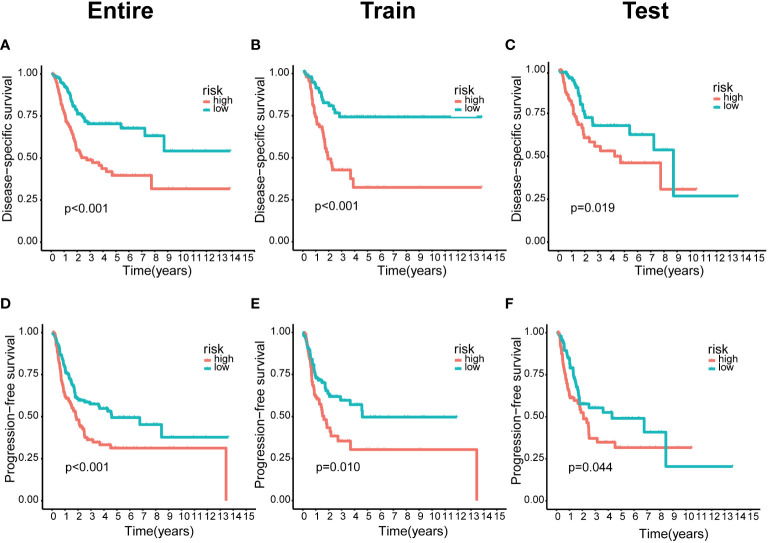
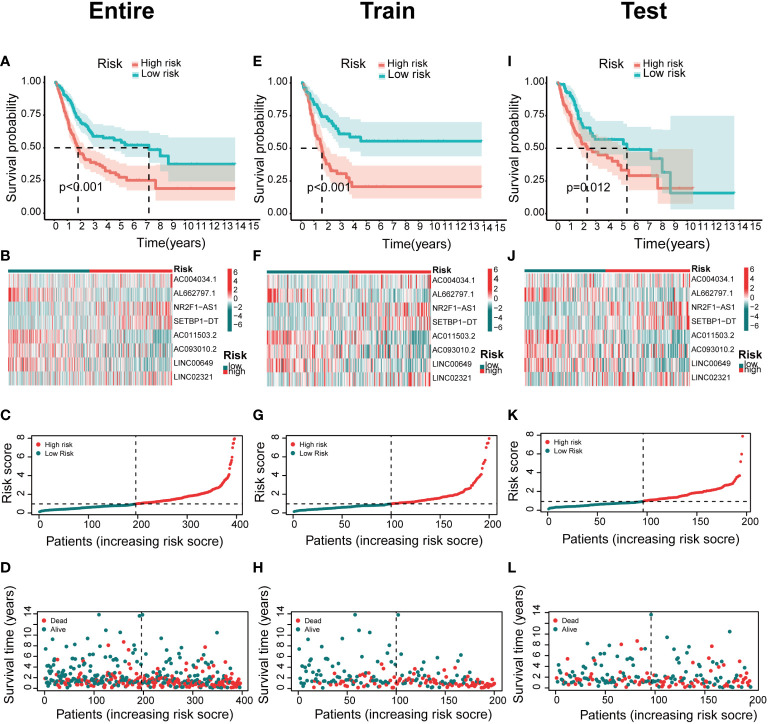
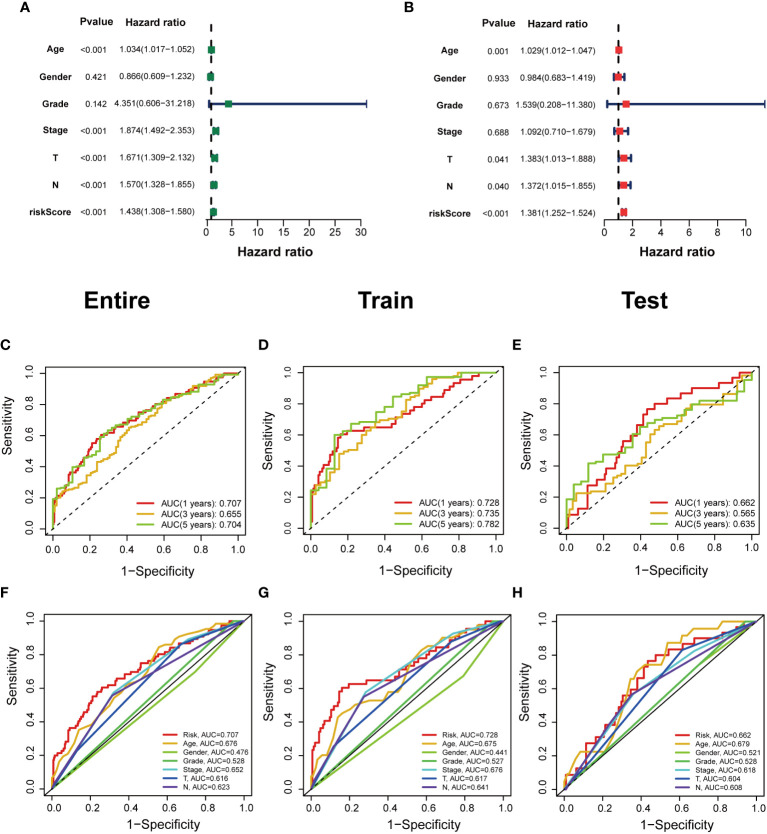
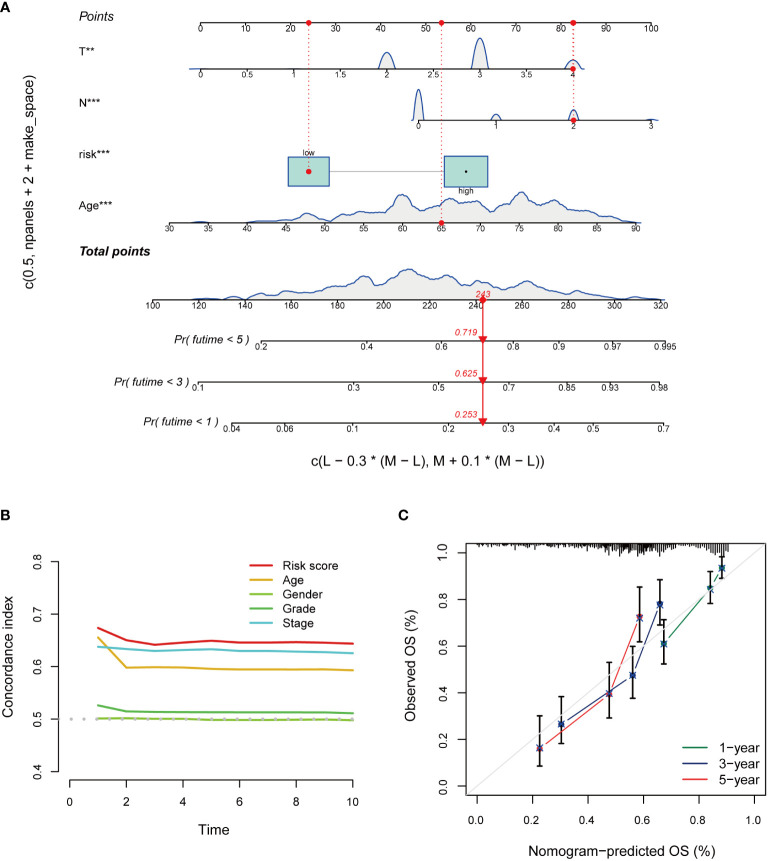
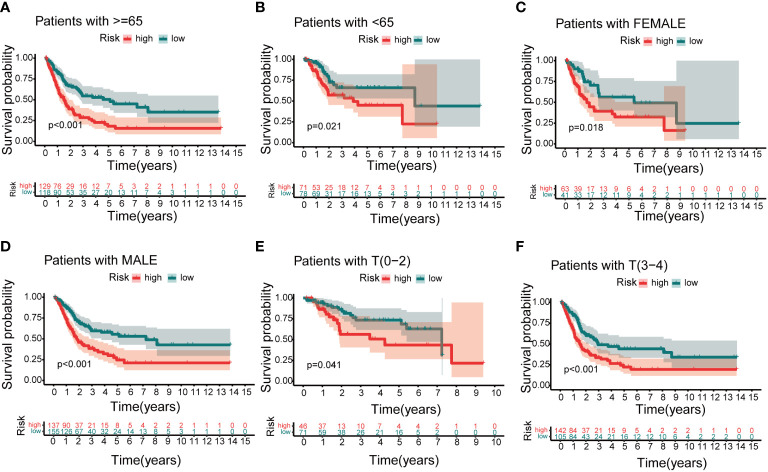
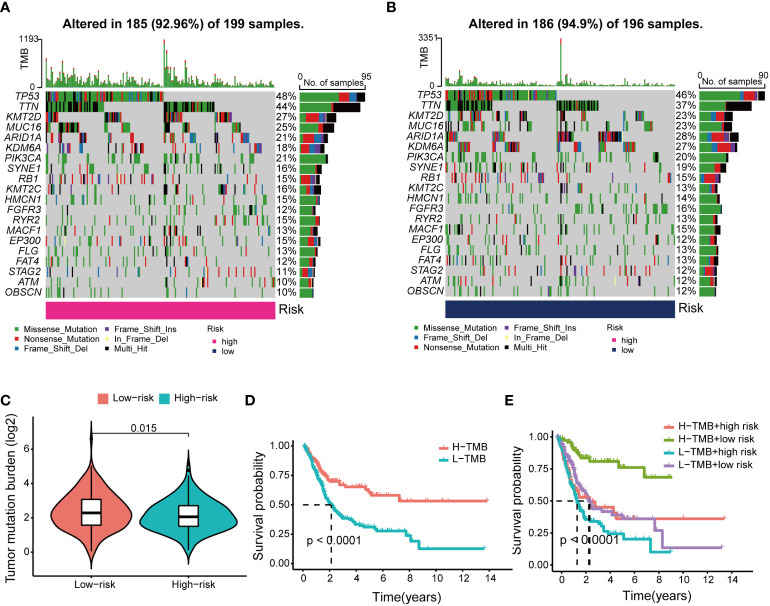
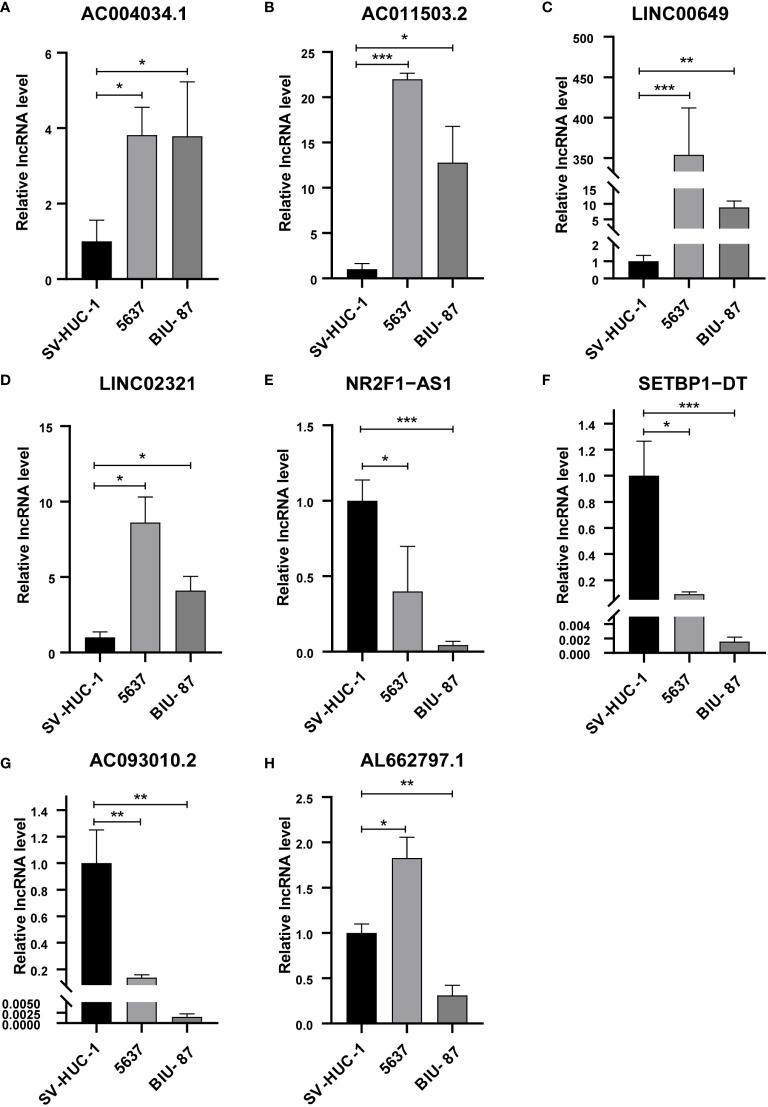
Based on the importance of basement membrane (BM) in cancer invasion and metastasis, we constructed a BM-associated lncRNA risk model to group bladder cancer (BCa) patients. Transcriptional and clinical data of BCa patients were downloaded from The Cancer Genome Atlas (TCGA), and the expressed genes of BM-related proteins were obtained from the BM-BASE database. We download the GSE133624 chip data from the GEO database as an external validation dataset. We screened for statistically different BM genes between tumors and adjacent normal tissues. Co-expression analysis of lncRNAs and differentially expressed BM genes was performed to identify BM-related lncRNAs. Then, differentially expressed BM-related lncRNAs (DEBMlncRNAs) between tumor and normal tissues were identified. Univariate/multivariate Cox regression analysis was performed to select lncRNAs for risk assessment. LASSO analysis was performed to build a prognostic model. We constructed a model containing 8 DEBMlncRNAs (AC004034.1, AL662797.1, NR2F1-AS1, SETBP1-DT, AC011503.2, AC093010.2, LINC00649 and LINC02321). The prognostic risk model accurately predicted the prognosis of BCa patients and revealed that tumor aggressiveness and distant metastasis were associated with higher risk scores. In this model, we constructed a nomogram to assist clinical decision-making based on clinicopathological characteristics such as age, T, and N. The model also showed good predictive power for the tumor microenvironment and mutational burden. We validated the expression of eight lncRNAs using the dataset GSE133624 and two human bladder cancer cell lines (5637, BIU-87) and examined the expression and cellular localization of LINC00649 and AC011503.2 using a human bladder cancer tissue chip. We found that knockdown of LINC00649 expression in 5637 cells promoted the proliferation of 5637 cells.Our eight DEBMlncRNA risk models provide new insights into predicting prognosis, tumor invasion, and metastasis in BCa patients.
基于基底膜(BM)在癌症侵袭和转移中的重要性,我们构建了一个与BM相关的lncRNA风险模型,用于对膀胱癌(BCa)患者进行分组。从癌症基因组图谱(TCGA)下载BCa患者的转录和临床数据,并从BM-BASE数据库中获取BM相关蛋白的表达基因。我们从基因表达综合数据库(GEO)下载GSE133624芯片数据作为外部验证数据集。我们筛选了肿瘤组织与相邻正常组织之间具有统计学差异的BM基因。对lncRNAs与差异表达的BM基因进行共表达分析,以鉴定与BM相关的lncRNAs。然后,确定肿瘤组织与正常组织之间差异表达的与BM相关的lncRNAs(DEBMlncRNAs)。进行单因素/多因素Cox回归分析以选择用于风险评估的lncRNAs。进行LASSO分析以建立预后模型。我们构建了一个包含8个DEBMlncRNAs(AC004034.1、AL662797.1、NR2F1-AS1、SETBP1-DT、AC011503.2、AC093010.2、LINC00649和LINC02321)的模型。该预后风险模型准确预测了BCa患者的预后,并表明肿瘤侵袭性和远处转移与较高的风险评分相关。在该模型中,我们构建了一个列线图,以根据年龄、T分期和N分期等临床病理特征辅助临床决策。该模型对肿瘤微环境和突变负荷也显示出良好的预测能力。我们使用数据集GSE133624以及两个人膀胱癌细胞系(5637、BIU-87)验证了8个lncRNAs的表达,并使用人膀胱癌组织芯片检测了LINC00649和AC011503.2的表达及细胞定位。我们发现敲低5637细胞中LINC00649的表达可促进5637细胞的增殖。我们的8个DEBMlncRNA风险模型为预测BCa患者的预后、肿瘤侵袭和转移提供了新的见解。