Institute for Neurodegenerative Diseases, University of California, San Francisco, San Francisco, CA, USA.
Biomedical Sciences Graduate Program, University of California, San Francisco, San Francisco, CA, USA.
Nat Neurosci. 2022 Nov;25(11):1528-1542. doi: 10.1038/s41593-022-01180-9. Epub 2022 Oct 27.
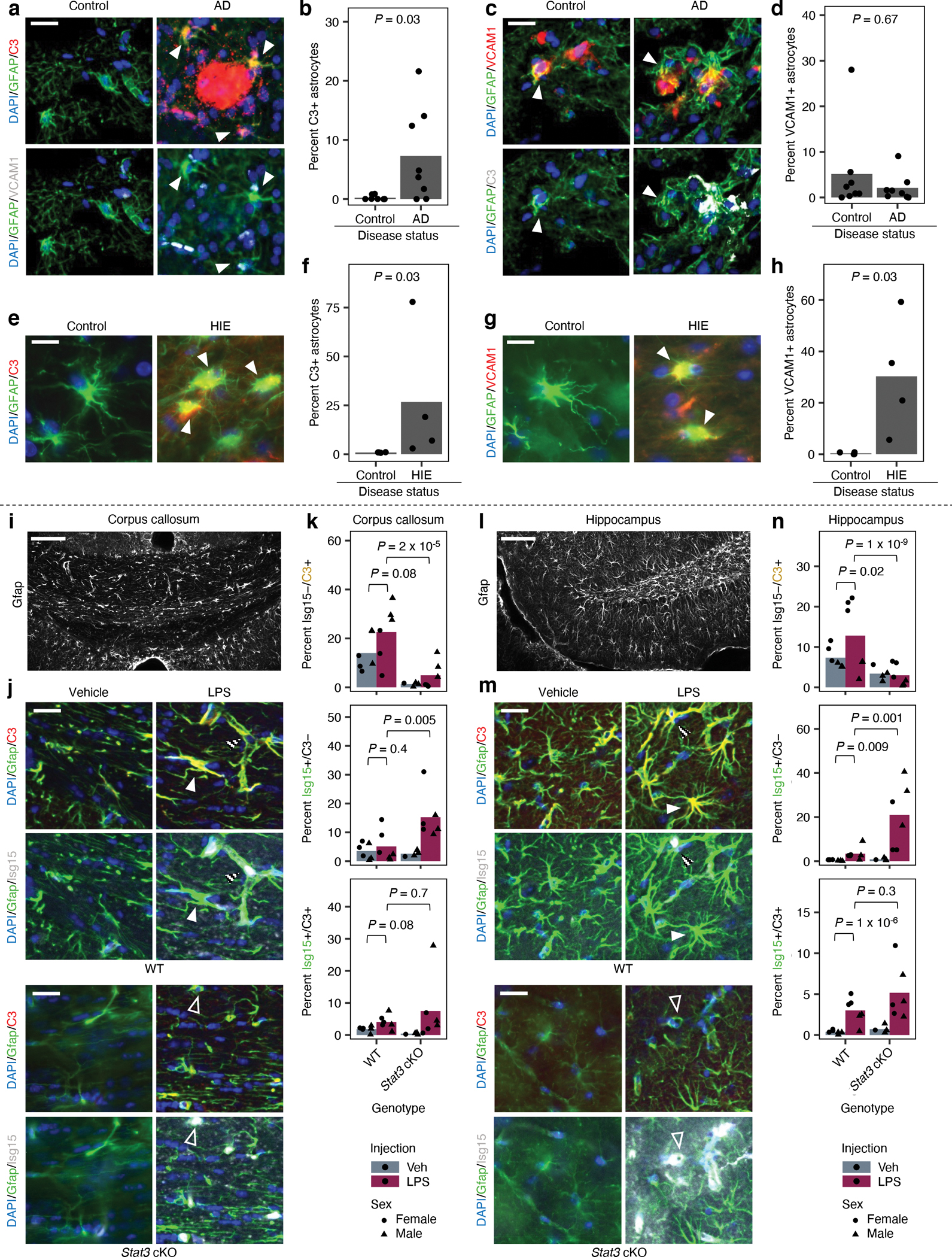
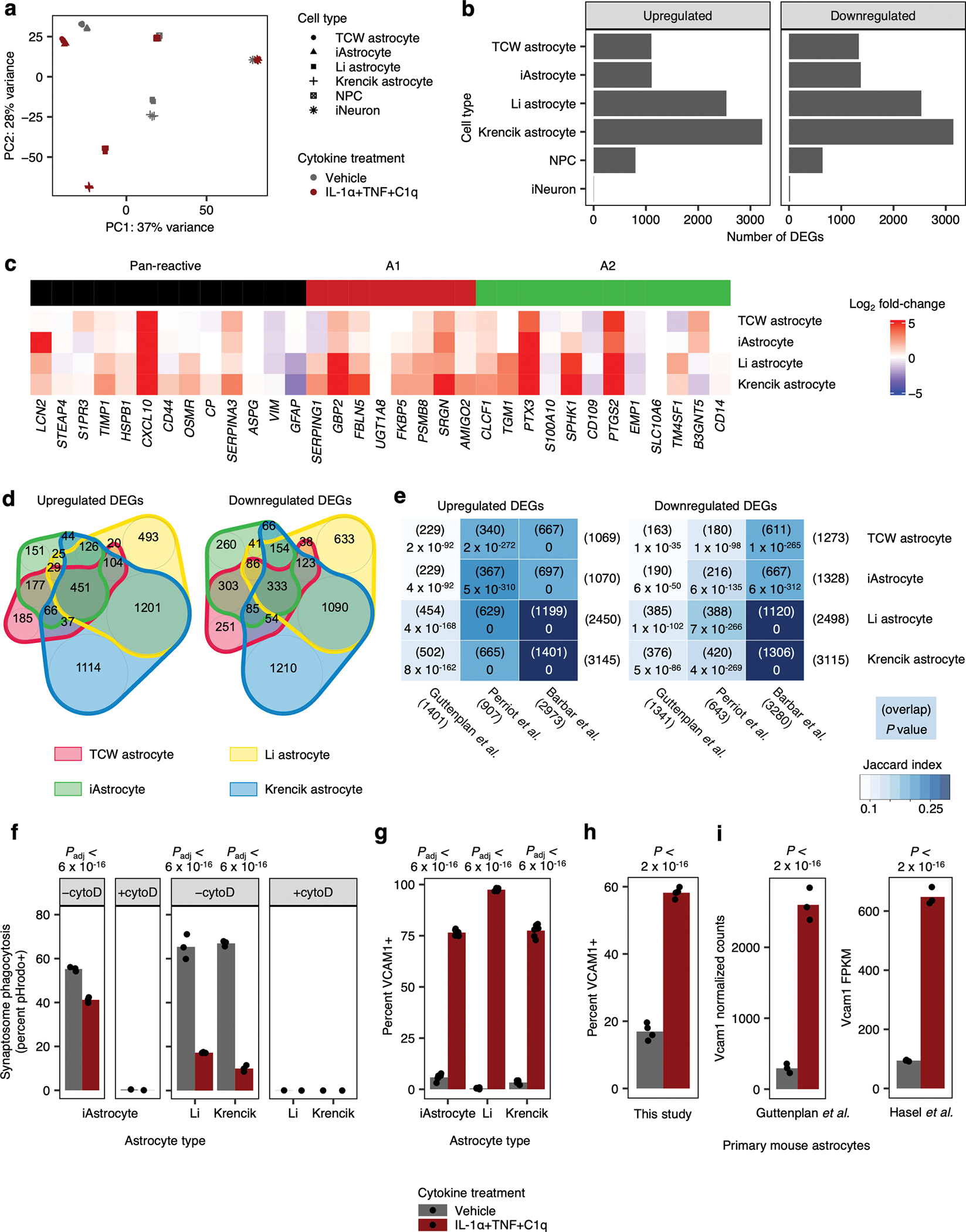
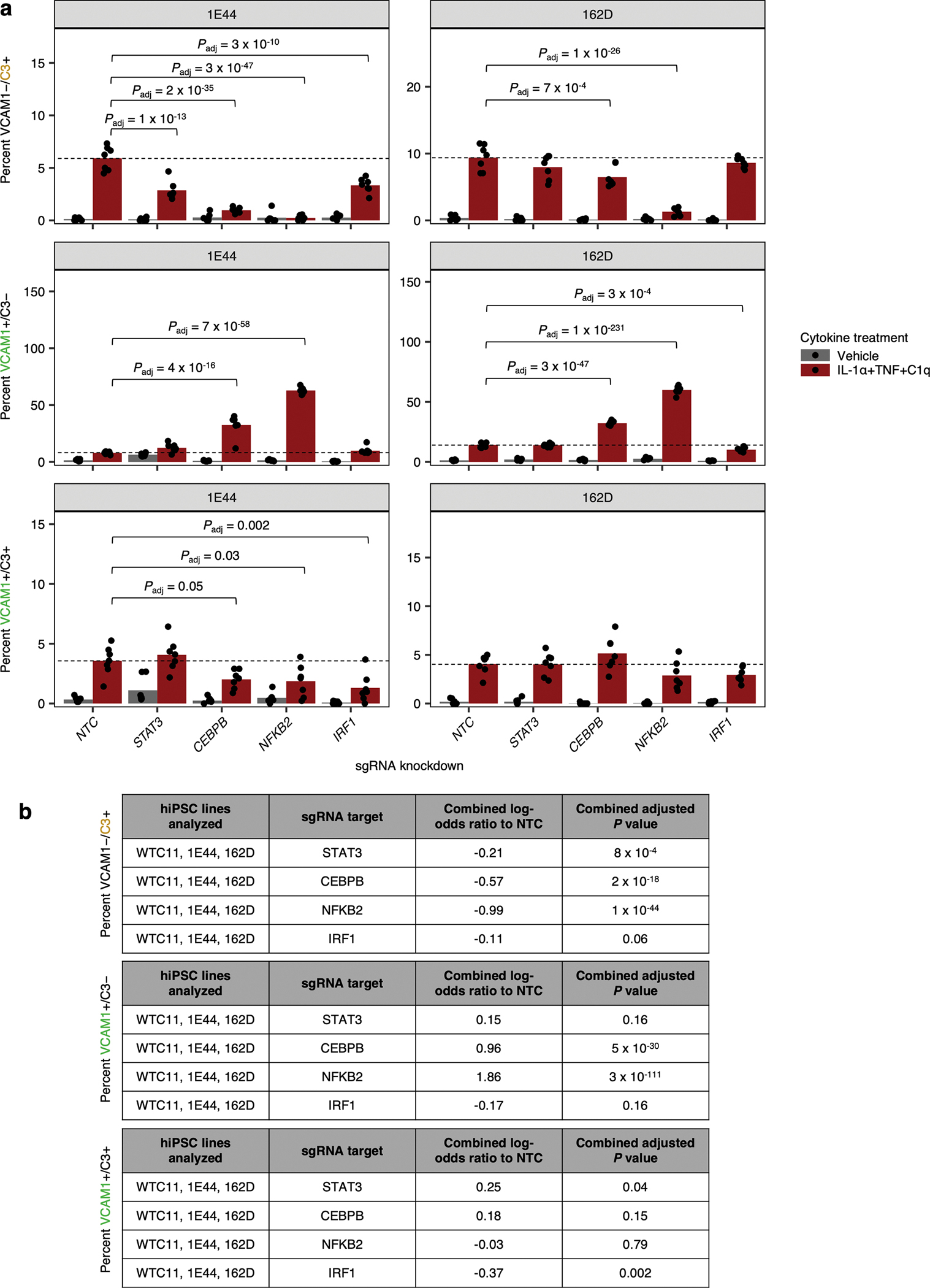
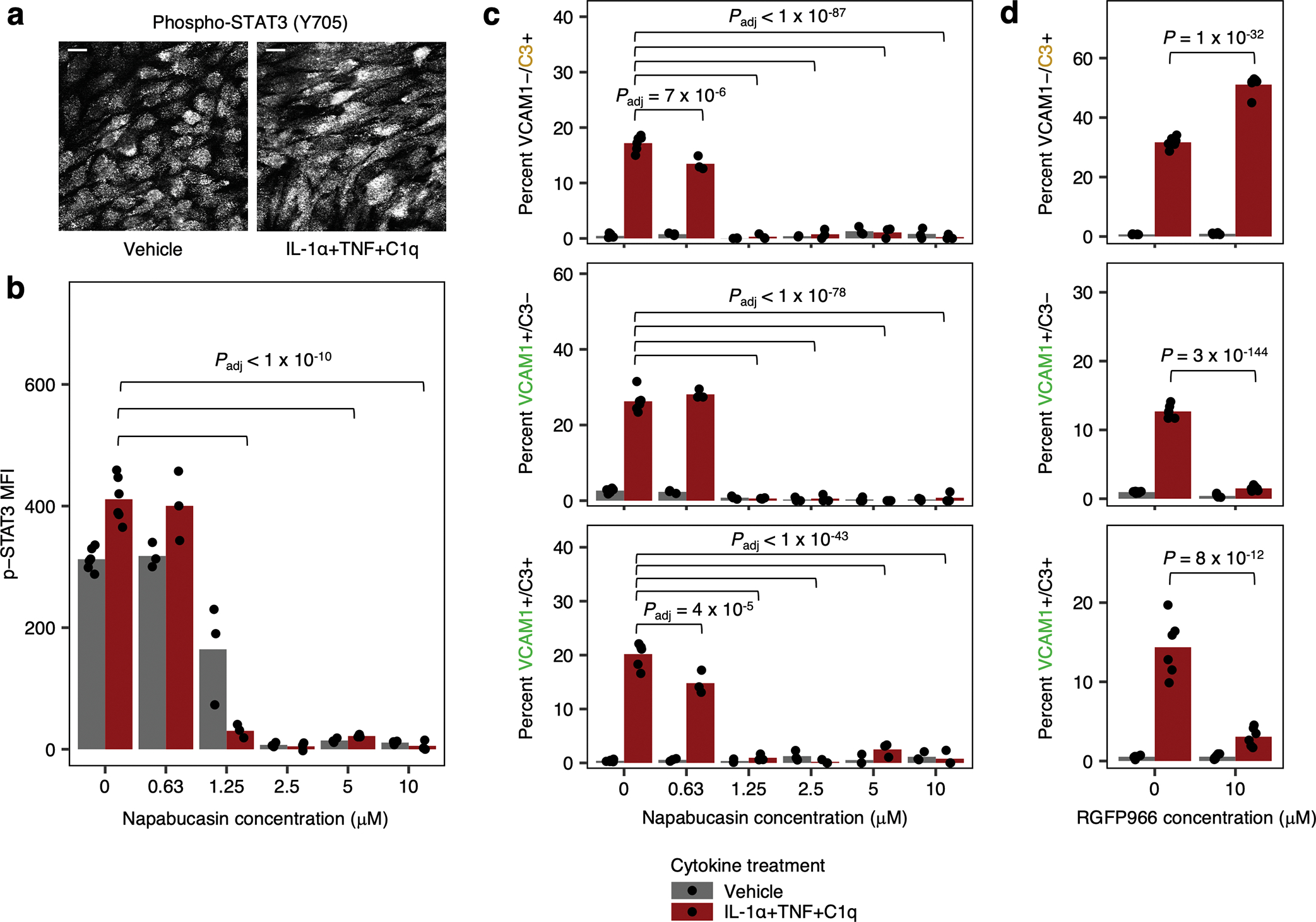
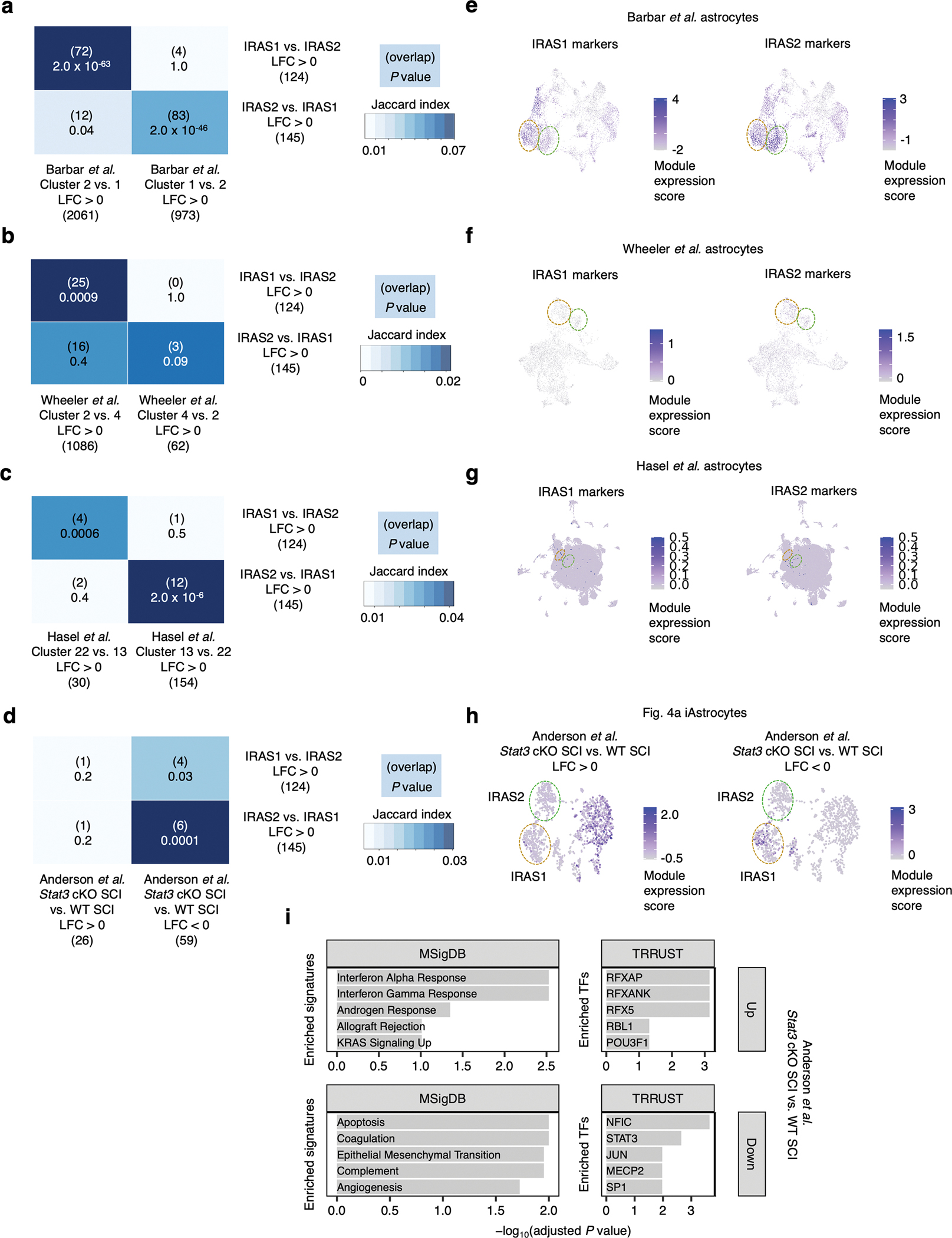
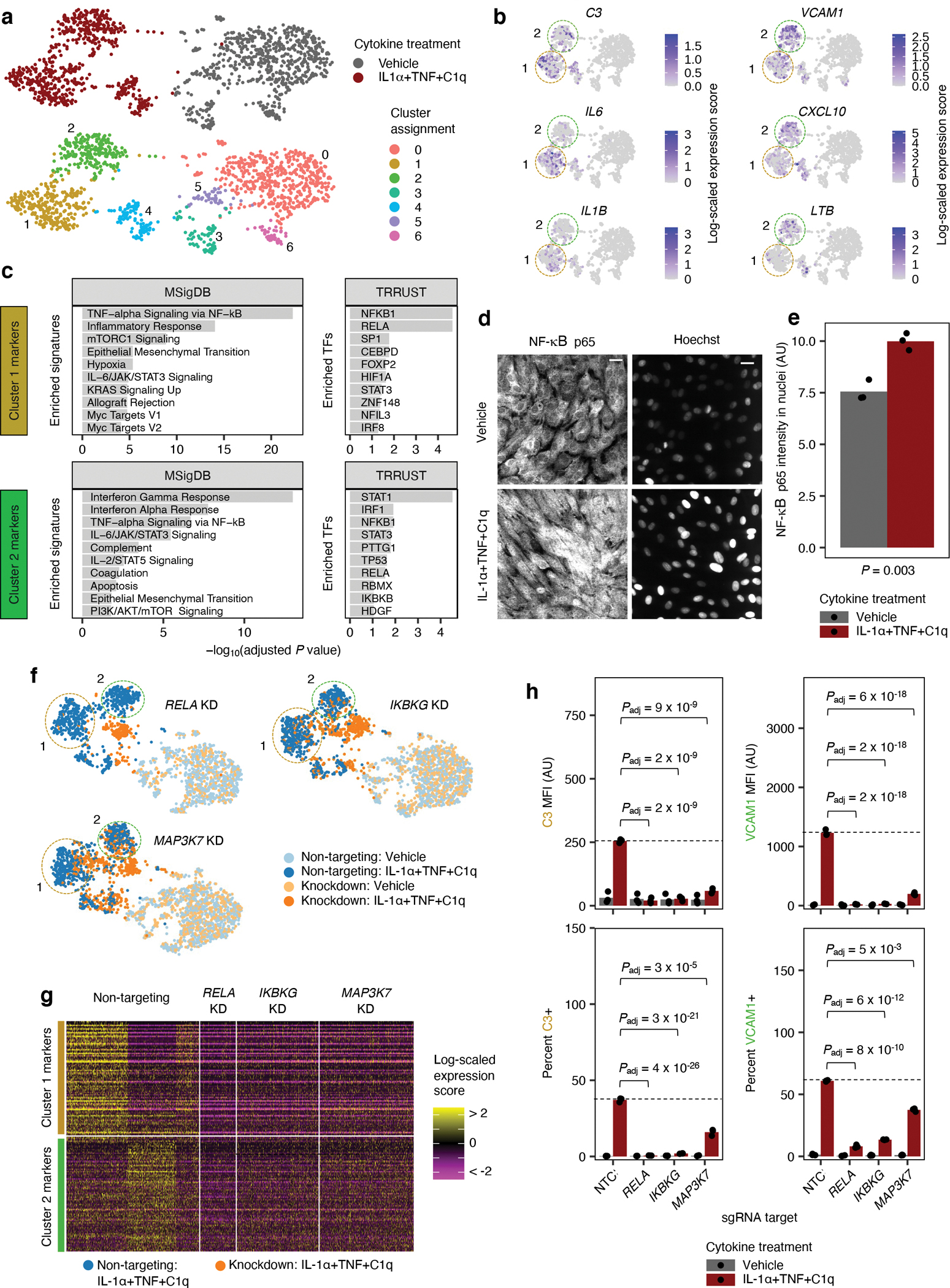
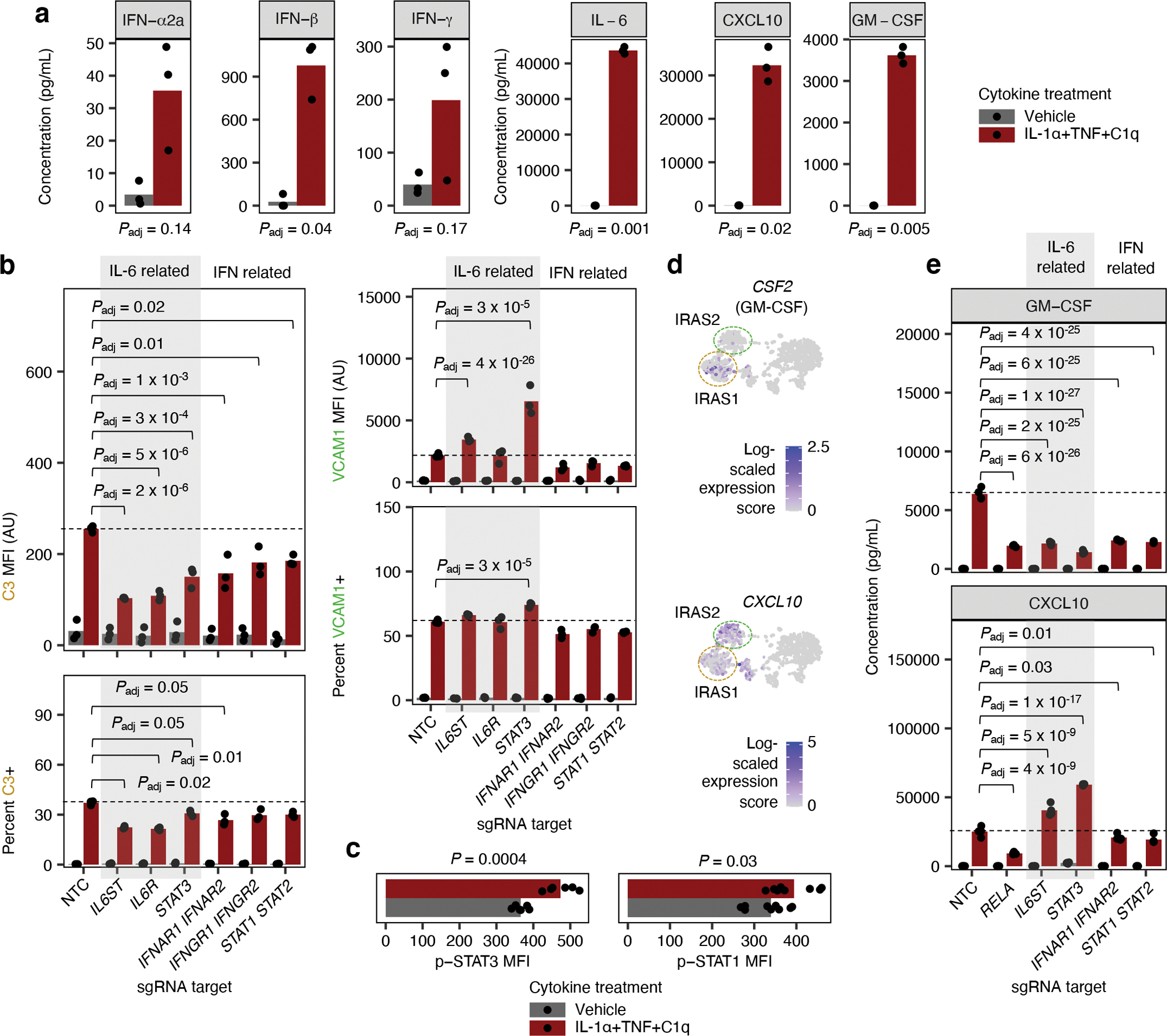
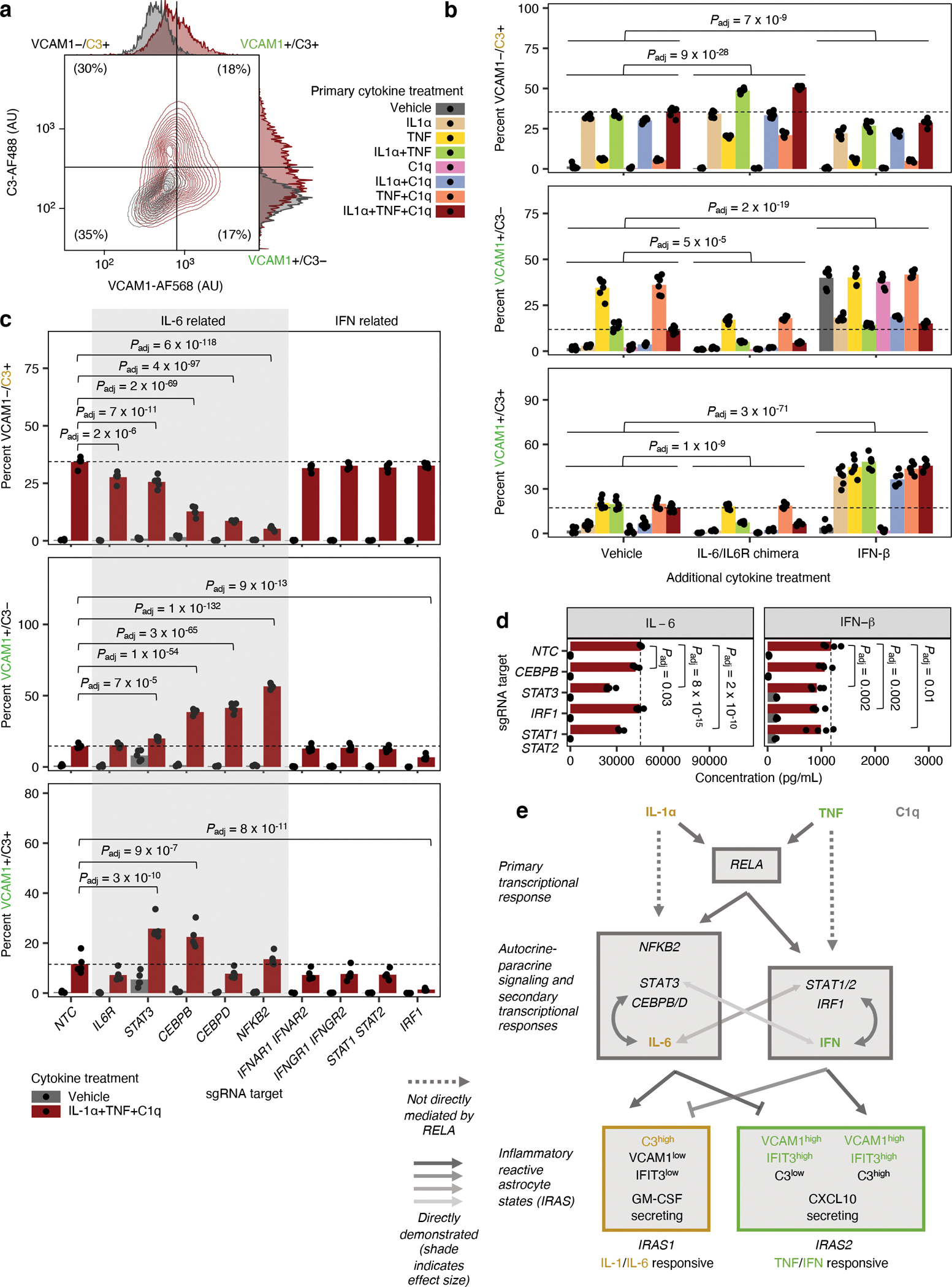
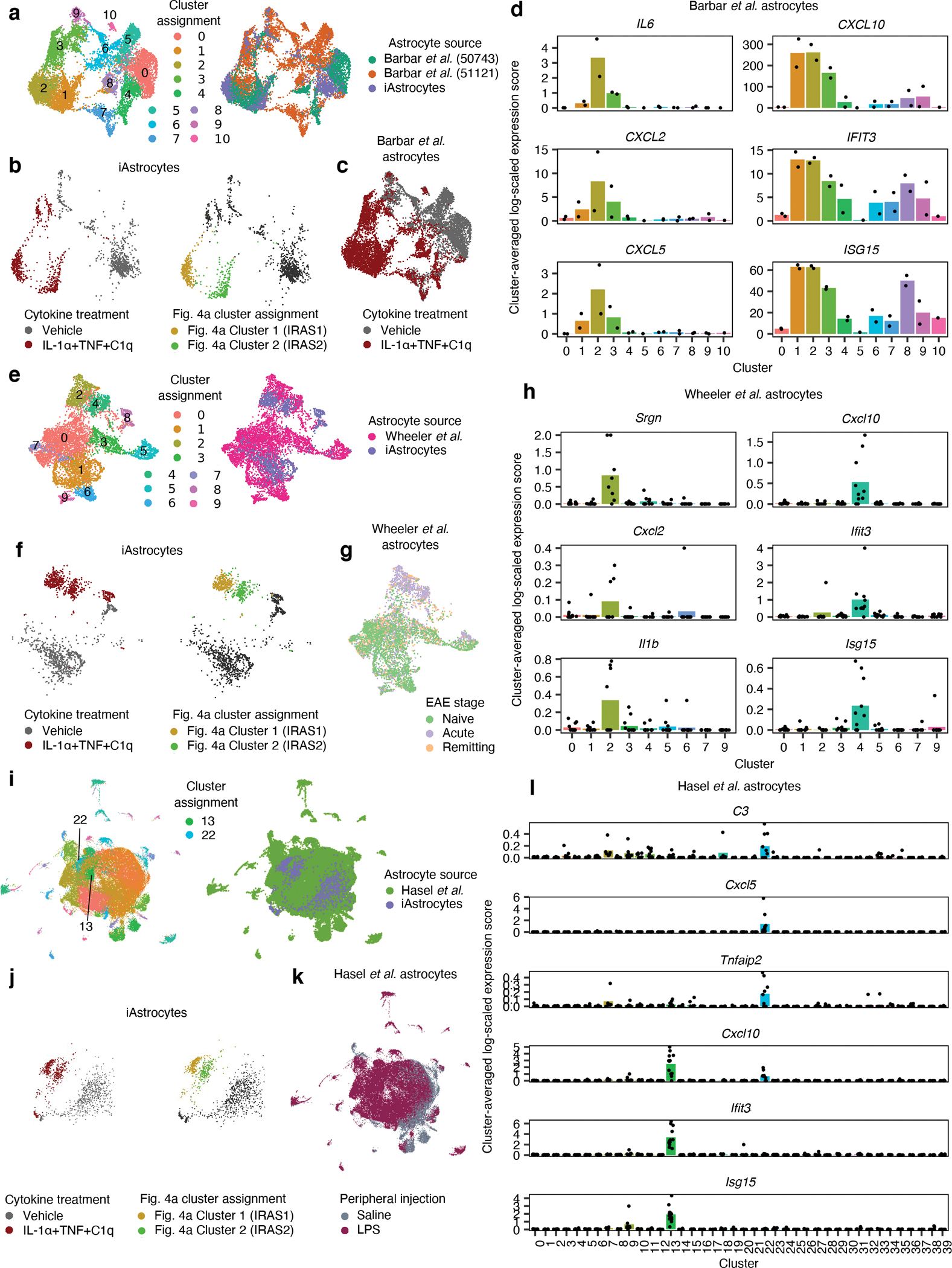
Astrocytes become reactive in response to insults to the central nervous system by adopting context-specific cellular signatures and outputs, but a systematic understanding of the underlying molecular mechanisms is lacking. In this study, we developed CRISPR interference screening in human induced pluripotent stem cell-derived astrocytes coupled to single-cell transcriptomics to systematically interrogate cytokine-induced inflammatory astrocyte reactivity. We found that autocrine-paracrine IL-6 and interferon signaling downstream of canonical NF-κB activation drove two distinct inflammatory reactive signatures, one promoted by STAT3 and the other inhibited by STAT3. These signatures overlapped with those observed in other experimental contexts, including mouse models, and their markers were upregulated in human brains in Alzheimer's disease and hypoxic-ischemic encephalopathy. Furthermore, we validated that markers of these signatures were regulated by STAT3 in vivo using a mouse model of neuroinflammation. These results and the platform that we established have the potential to guide the development of therapeutics to selectively modulate different aspects of inflammatory astrocyte reactivity.
星形胶质细胞在中枢神经系统受到损伤后会产生反应,表现出特定的细胞特征和功能输出,但对其潜在的分子机制尚缺乏系统的了解。在这项研究中,我们开发了一种在人诱导多能干细胞衍生的星形胶质细胞中进行 CRISPR 干扰筛选的方法,并结合单细胞转录组学,系统地研究了细胞因子诱导的炎症性星形胶质细胞反应性。我们发现,细胞内自分泌旁分泌的白细胞介素 6 和干扰素信号转导,是通过经典的 NF-κB 激活的下游途径驱动两种不同的炎症反应性特征的,一种是由 STAT3 促进的,另一种是由 STAT3 抑制的。这些特征与在其他实验环境中观察到的特征重叠,包括在小鼠模型中,其标志物在阿尔茨海默病和缺氧缺血性脑病的人类大脑中上调。此外,我们使用神经炎症的小鼠模型验证了这些特征标志物是由 STAT3 体内调节的。这些结果和我们建立的平台有可能指导治疗方法的开发,以选择性地调节炎症性星形胶质细胞反应的不同方面。