Quack Martin, Seyfang Georg, Wichmann Gunther
Physical Chemistry, ETH Zürich CH-8093 Zurich Switzerland
Chem Sci. 2022 Sep 2;13(36):10598-10643. doi: 10.1039/d2sc01323a. eCollection 2022 Sep 21.
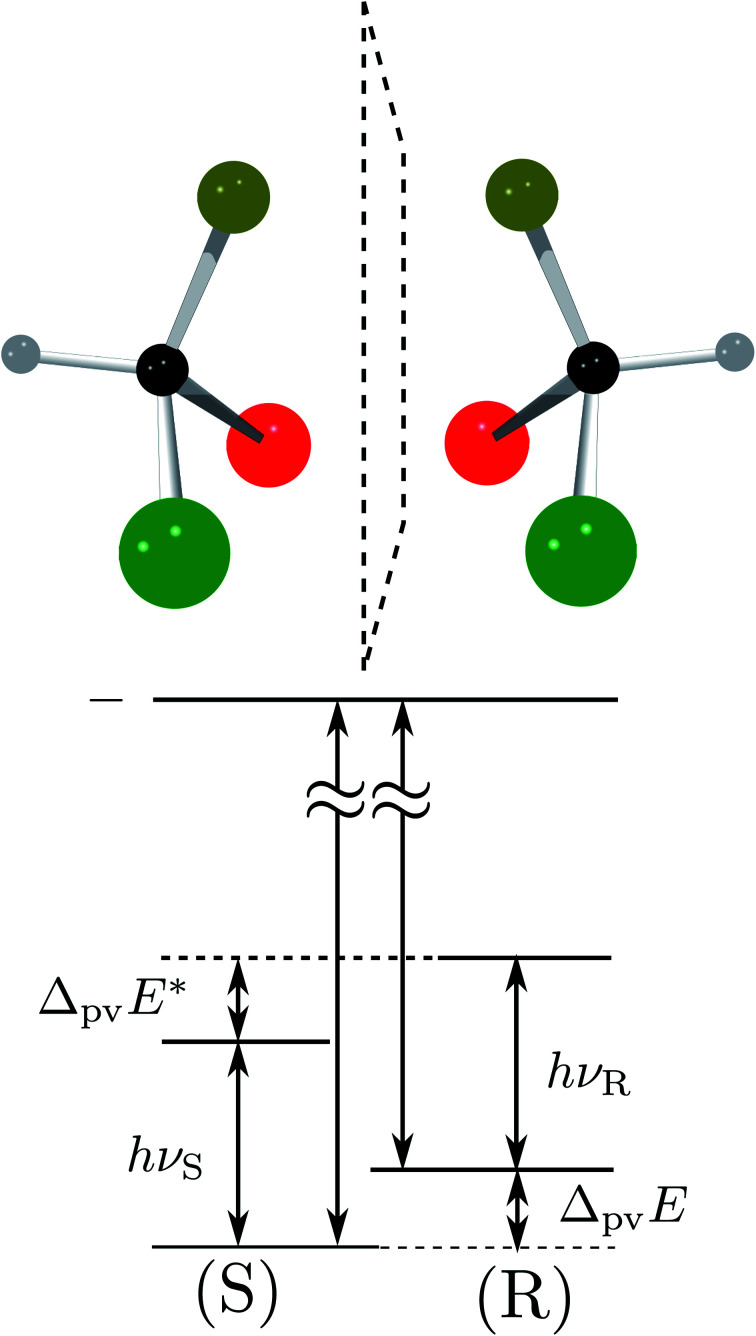
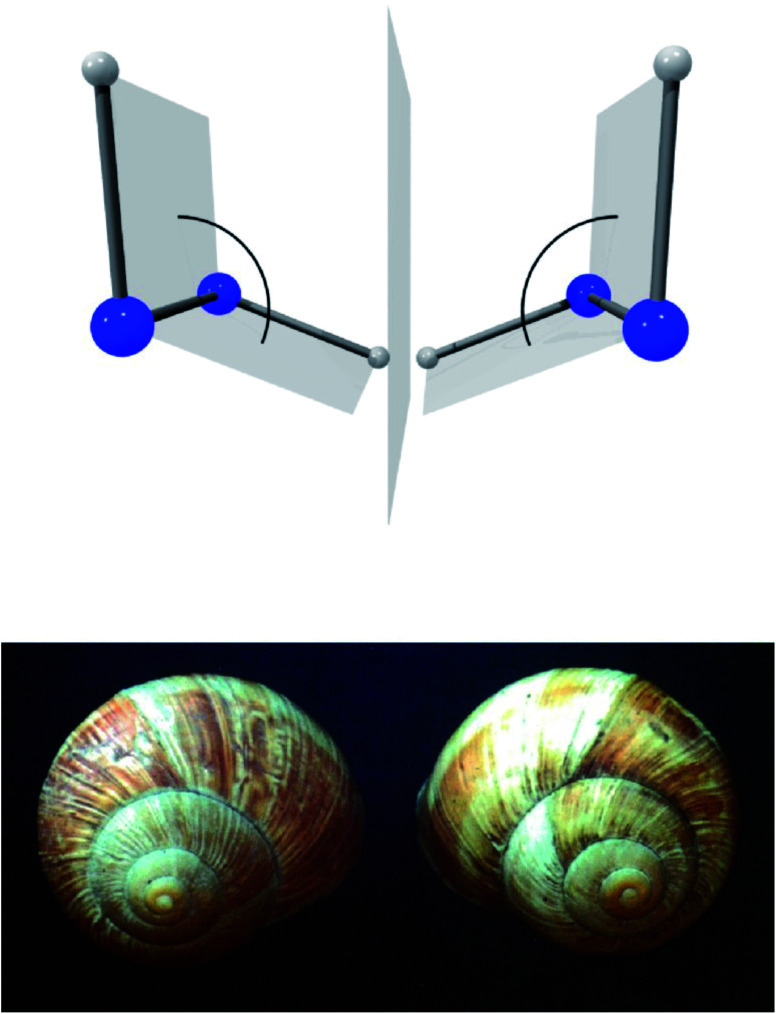
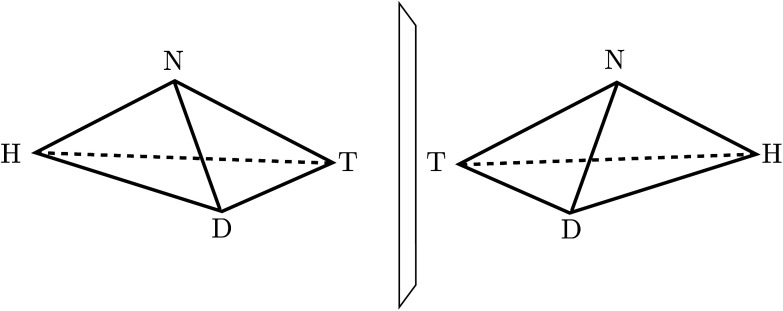
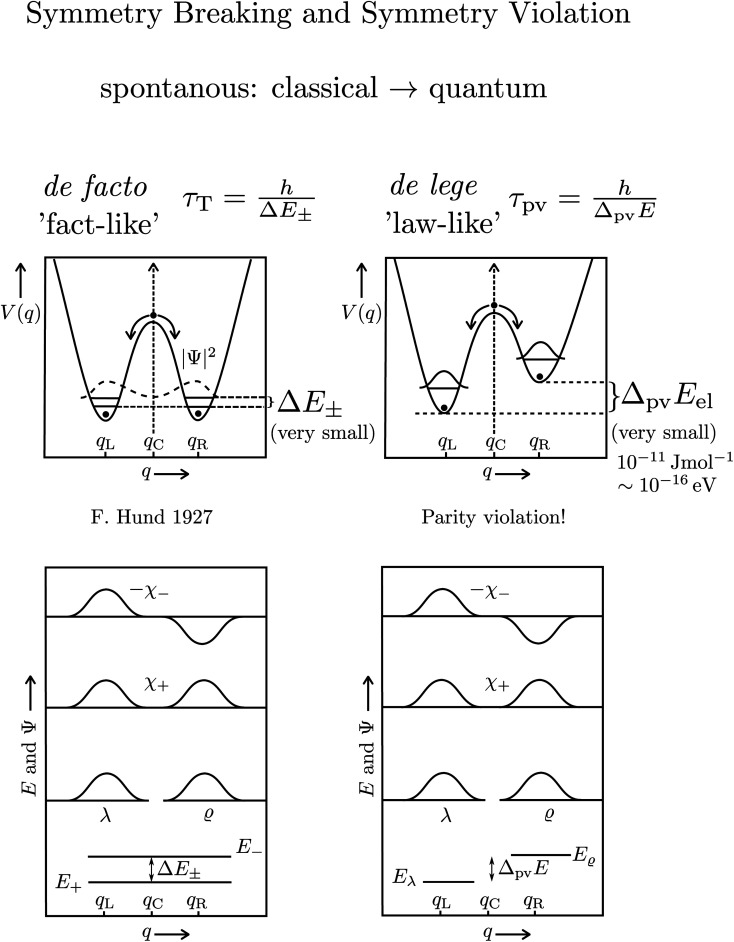
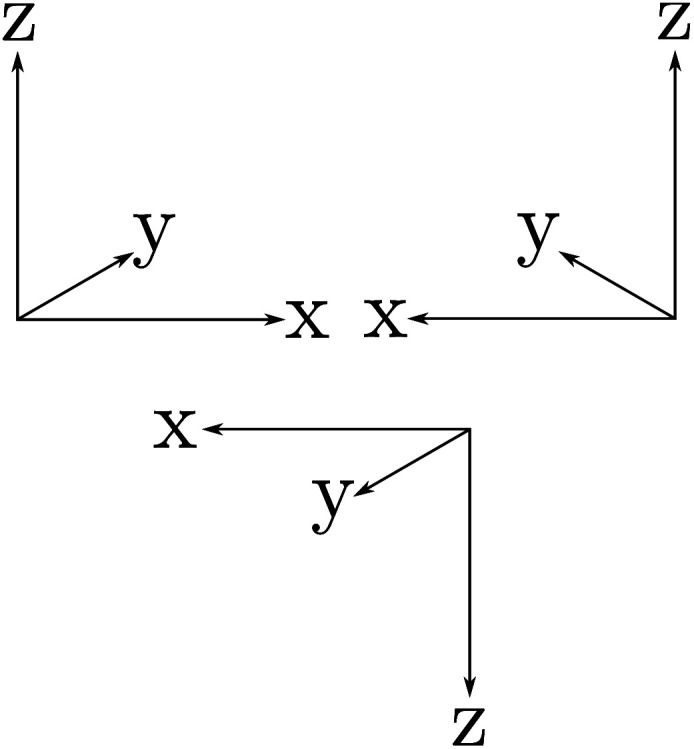
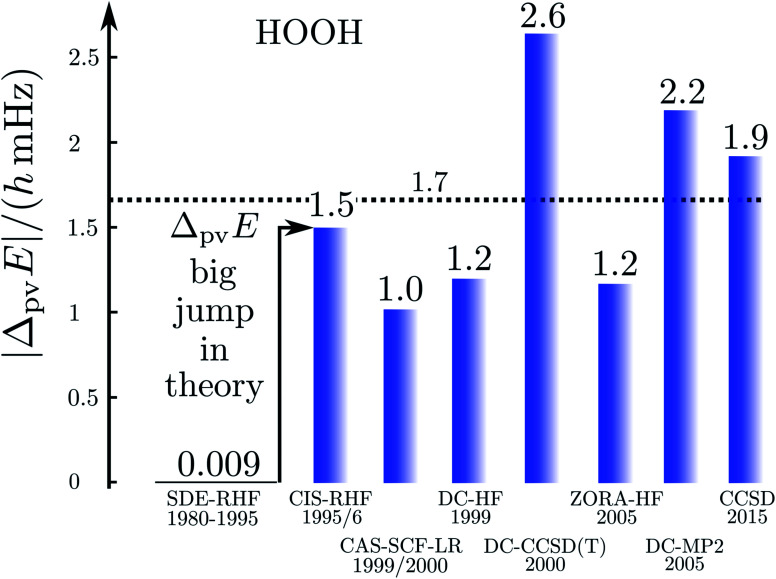
The reflection (or 'mirror') symmetry of space is among the fundamental symmetries of physics. It is connected to the conservation law for the quantum number parity and a fundamental 'non-observable' property of space (as defined by an absolute 'left-handed' or 'right-handed' coordinate system). The discovery of the violation of this symmetry - the non-conservation of parity or 'parity violation' - in 1956/1957 had an important influence on the further development of physics. In chemistry the mirror symmetry of space is connected to the existence of enantiomers as isomers of chiral ('handed') molecules. These isomers would relate to each other as idealized left or right hand or as image and mirror image and would be energetically exactly equivalent with perfect space inversion symmetry. Parity violation results in an extremely small 'parity violating' energy difference between the ground states of the enantiomers which can be theoretically calculated to be about 100 aeV to 1 feV (equivalent to 10 to 10 J mol), depending on the molecule, but which has not yet been detected experimentally. Its detection remains one of the great challenges of current physical-chemical stereochemistry, with implications also for fundamental problems in physics. In biochemistry and molecular biology one finds a related fundamental question unanswered for more than 100 years: the evolution of 'homochirality', which is the practically exclusive preference of one chiral, enantiomeric form as building blocks in the biopolymers of all known forms of life (the l-amino acids in proteins and d-sugars in DNA, not the reverse d-amino acids or l-sugars). In astrobiology the spectroscopic detection of homochirality could be used as strong evidence for the existence of extraterrestrial life, if any. After a brief conceptual and historical introduction we review the development, current status, and progress along these three lines of research: theory, spectroscopic experiment and the outlook towards an understanding of the evolution of biomolecular homochirality.
空间的反射(或“镜像”)对称性是物理学的基本对称性之一。它与量子数宇称的守恒定律以及空间的一种基本“不可观测”属性相关联(由绝对的“左手”或“右手”坐标系定义)。1956年/1957年发现这种对称性被破坏——宇称不守恒或“宇称破缺”——对物理学的进一步发展产生了重要影响。在化学中,空间的镜像对称性与对映体的存在相关,对映体是手性(“有手性”)分子的异构体。这些异构体彼此之间的关系就如同理想化的左手和右手,或者像物体与其镜像,并且在完美的空间反演对称性下能量完全相等。宇称破缺导致对映体基态之间存在极其微小的“宇称破缺”能量差,理论上根据分子不同,该能量差可计算为约100电子伏特至1飞电子伏特(相当于10⁻¹⁸至10⁻²¹焦耳每摩尔),但尚未通过实验检测到。其检测仍然是当前物理化学立体化学面临的重大挑战之一,对物理学的基本问题也有影响。在生物化学和分子生物学领域,一个相关的基本问题已经有100多年未得到解答:“同手性”的进化,即几乎完全偏好一种手性对映体形式作为所有已知生命形式生物聚合物的构建单元(蛋白质中的L - 氨基酸和DNA中的D - 糖,而非相反的D - 氨基酸或L - 糖)。在天体生物学中,如果存在外星生命,同手性的光谱检测可作为外星生命存在的有力证据。在进行简要的概念和历史介绍之后,我们将回顾这三个研究方向的发展、现状和进展:理论、光谱实验以及对生物分子同手性进化的理解展望。