Mulder Tom A, Andersson Maria L, Peña-Pérez Lucía, Heimersson Kia, Xagoraris Ioanna, Wahlin Björn E, Månsson Robert, Hansson Lotta, Rassidakis Georgios, Palma Marzia
Department of Oncology-Pathology, Karolinska Institutet, Stockholm, Sweden.
Department of Hematology, Karolinska University Hospital, Stockholm, Sweden.
Hemasphere. 2022 Oct 26;6(11):e794. doi: 10.1097/HS9.0000000000000794. eCollection 2022 Nov.
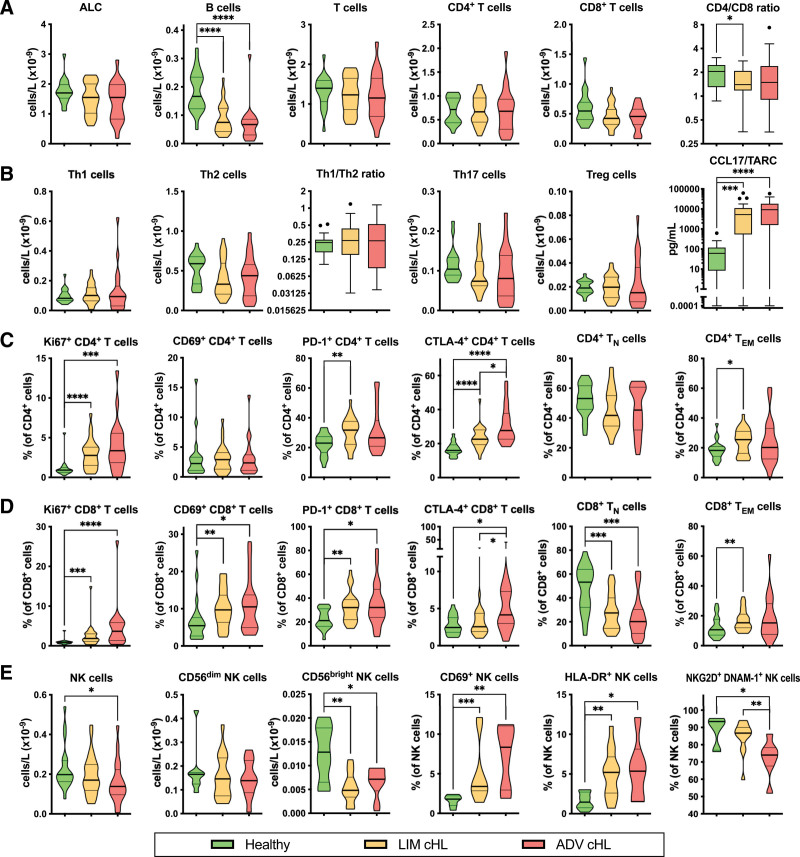
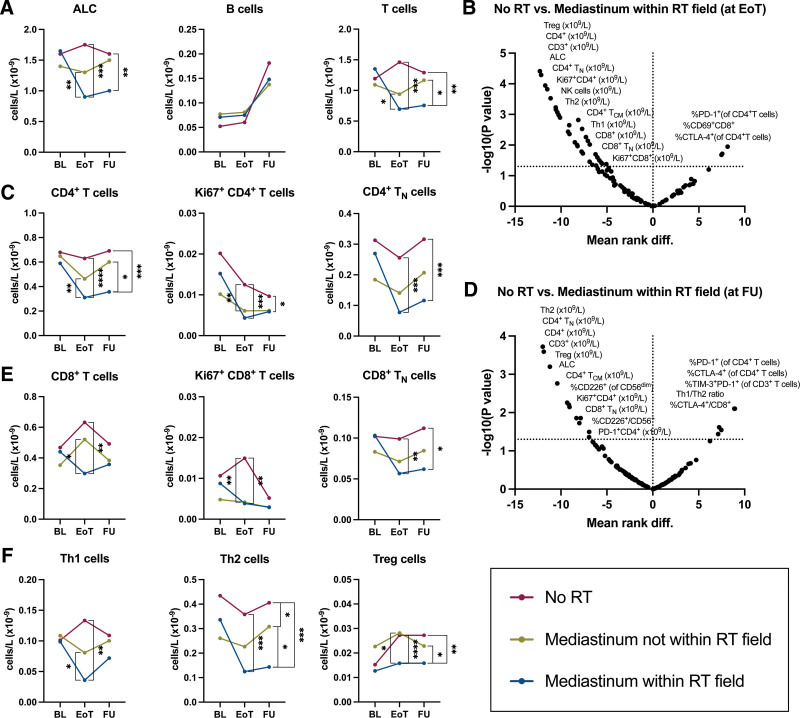
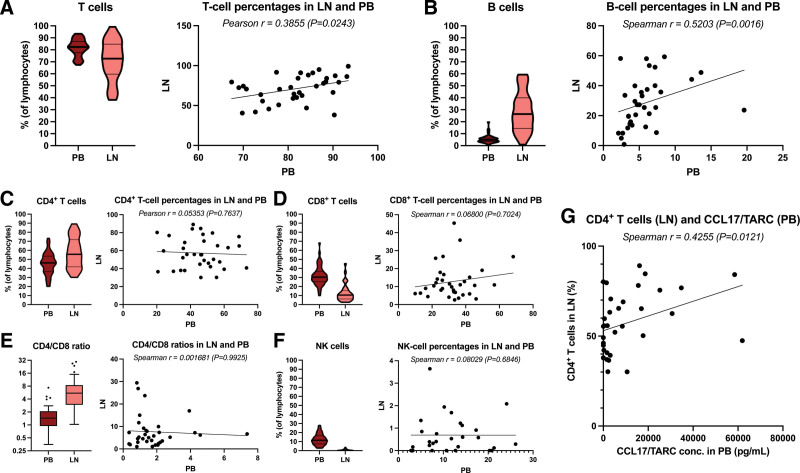
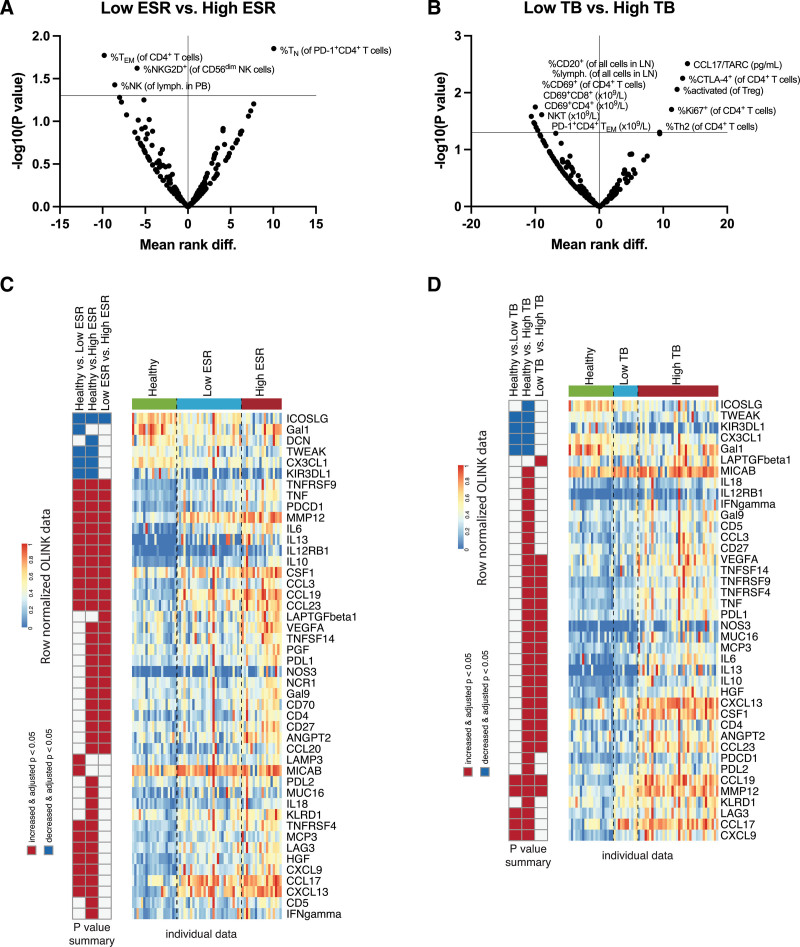
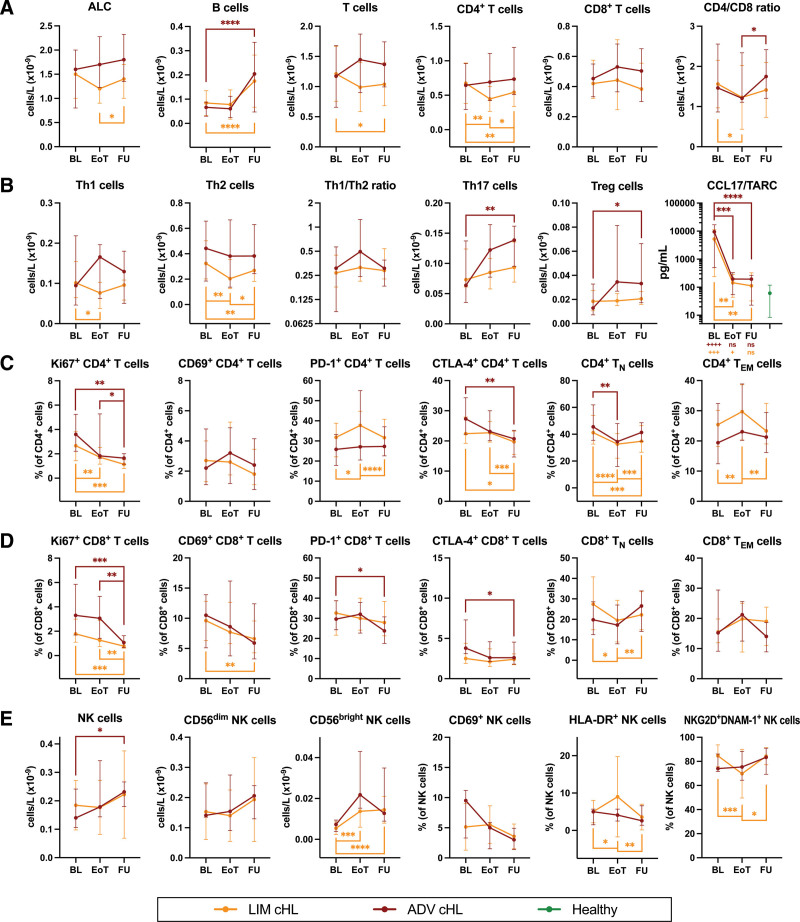
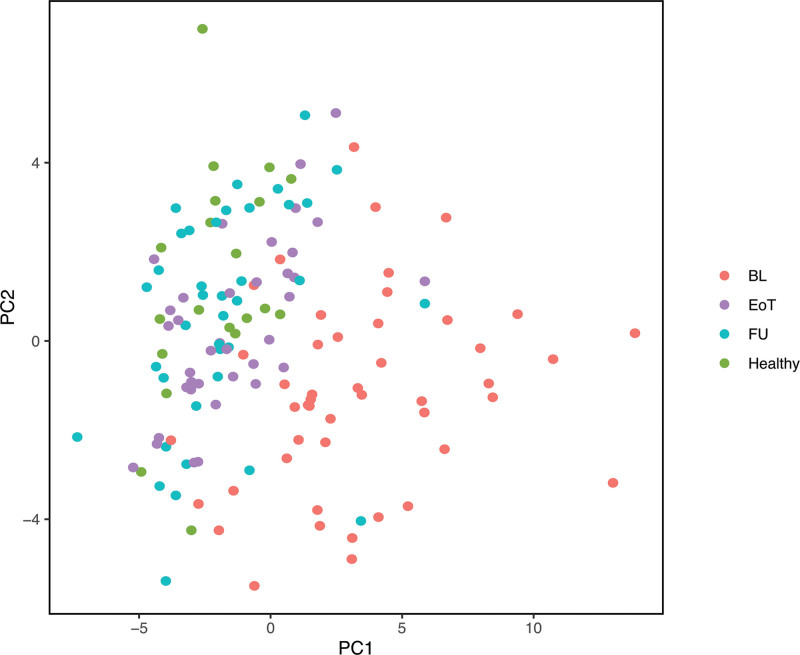
In classical Hodgkin lymphoma (cHL), the malignant cells represent only a small fraction of the tumor. Yet, they orchestrate a lymphocyte-dominated tumor microenvironment (TME) that supports their survival and growth. The systemic effects of this local immunomodulation are not fully elucidated. Here, we aimed at characterizing circulating lymphocytes and plasma proteins in relation to clinical parameters and treatment effect. Peripheral blood (PB) samples were obtained from 48 consecutive patients at diagnosis and at 2 time points after successful primary treatment. Single-cell suspensions were prepared from lymph node (LN) biopsies obtained for routine diagnostic purposes. Twenty healthy individuals were included as controls. Cells from PB and LN were analyzed by flow cytometry, and plasma proteins by Proximity Extension Assay. We found that the frequencies of T and B cells positively correlated between the LN and the PB compartments. Compared to controls, cHL patients had higher frequencies of proliferating T cells as well as higher expression of programmed death (PD)-1 and cytotoxic T lymphocyte antigen (CTLA)-4 in circulating T cells, and lower naive T-cell frequencies. Advanced-stage patients had fewer NK cells with a functionally impaired phenotype. Differences in the immune profile were observed in patients with a high tumor burden and with high inflammation, respectively. Most of these deviations disappeared after standard first-line treatment. Patients who received radiotherapy involving the mediastinum had low T-cell counts for a prolonged period. Our findings suggest that the immunomodulation of lymphocytes in the TME of cHL might affect immune biomarkers in the PB.
在经典型霍奇金淋巴瘤(cHL)中,恶性细胞仅占肿瘤的一小部分。然而,它们精心构建了一个以淋巴细胞为主导的肿瘤微环境(TME),以支持其存活和生长。这种局部免疫调节的全身效应尚未完全阐明。在此,我们旨在表征与临床参数和治疗效果相关的循环淋巴细胞和血浆蛋白。在诊断时以及成功进行初始治疗后的2个时间点,从48例连续患者中获取外周血(PB)样本。从用于常规诊断目的的淋巴结(LN)活检组织中制备单细胞悬液。纳入20名健康个体作为对照。通过流式细胞术分析PB和LN中的细胞,并通过邻近延伸分析检测血浆蛋白。我们发现,LN和PB区室中T细胞和B细胞的频率呈正相关。与对照组相比,cHL患者循环T细胞中增殖T细胞的频率更高,程序性死亡(PD)-1和细胞毒性T淋巴细胞抗原(CTLA)-4的表达也更高,而幼稚T细胞频率更低。晚期患者的NK细胞较少,且具有功能受损的表型。分别在肿瘤负荷高和炎症反应高的患者中观察到免疫谱的差异。在标准一线治疗后,这些偏差大多消失。接受纵隔放疗的患者在较长时间内T细胞计数较低。我们的研究结果表明,cHL的TME中淋巴细胞的免疫调节可能会影响PB中的免疫生物标志物。