Zhang Hongwei, Jin Xindie, Lee Jong-Min, Wang Xin
School of Chemical and Biomedical Engineering, Nanyang Technological University, 62 Nanyang Drive, Singapore 637459, Singapore.
Cambridge Centre for Advanced Research and Education in Singapore Ltd (Cambridge CARES), CREATE Tower, Singapore 138602, Singapore.
ACS Nano. 2022 Nov 22;16(11):17572-17592. doi: 10.1021/acsnano.2c06827. Epub 2022 Nov 4.
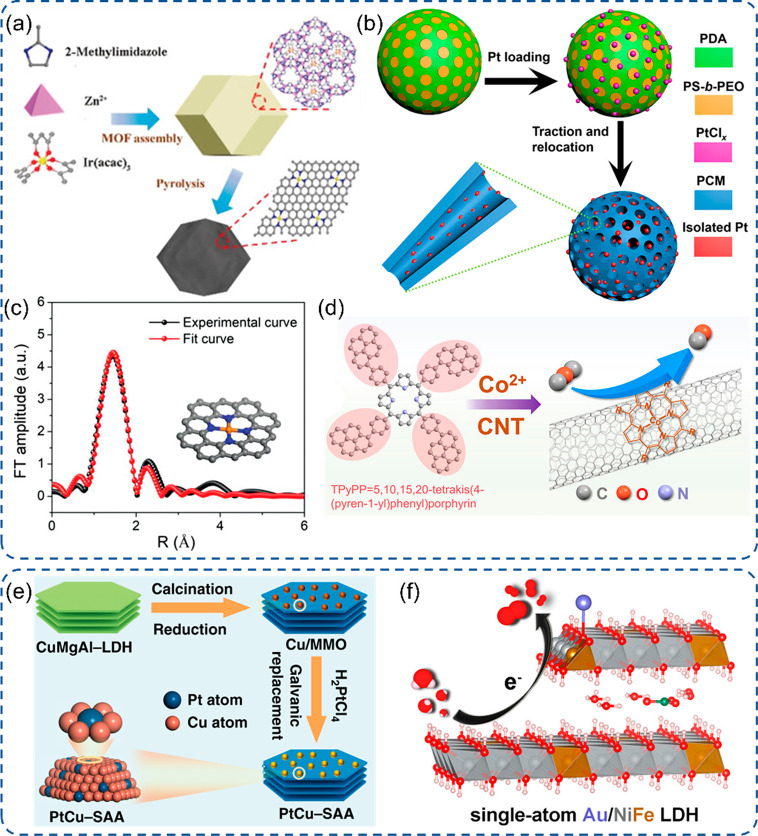
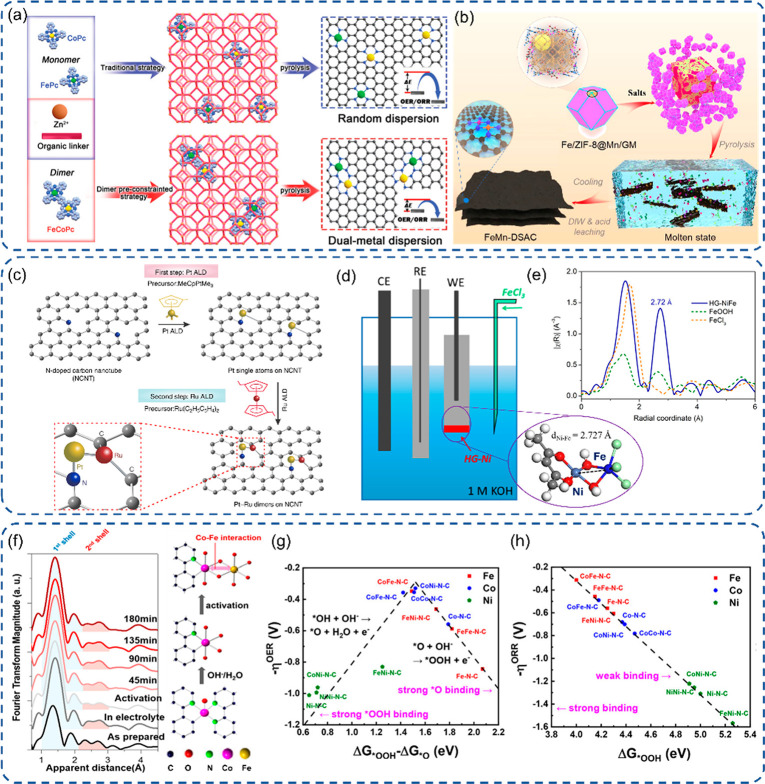
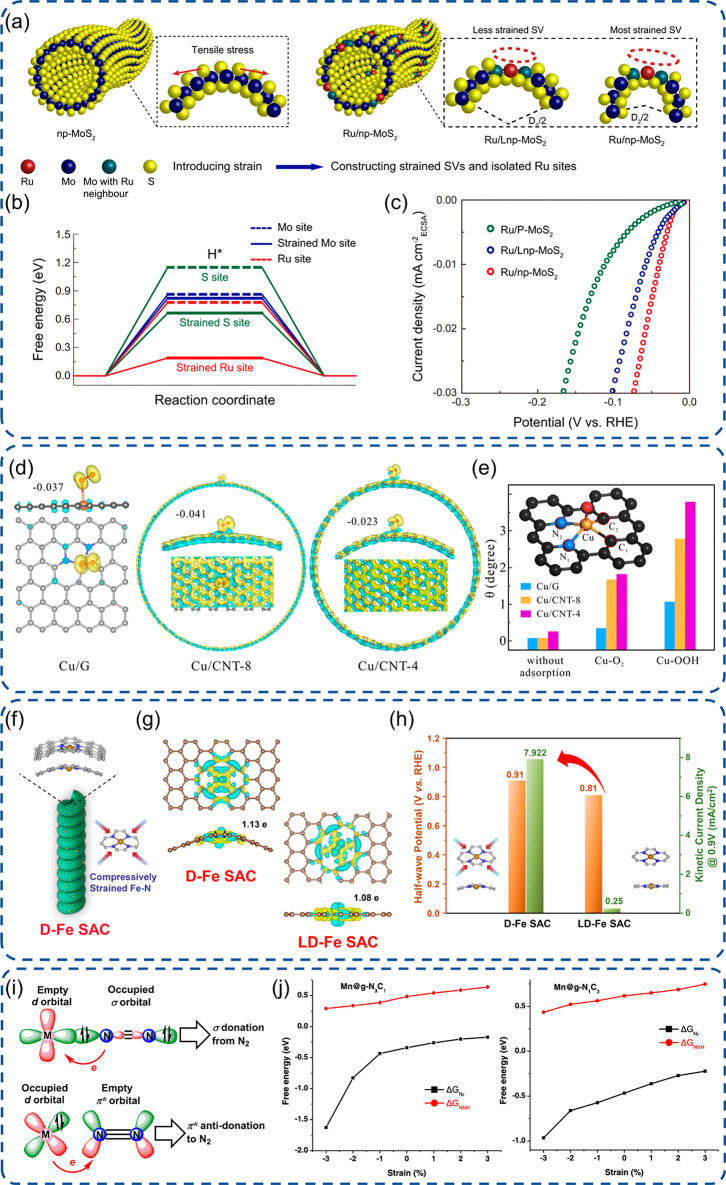
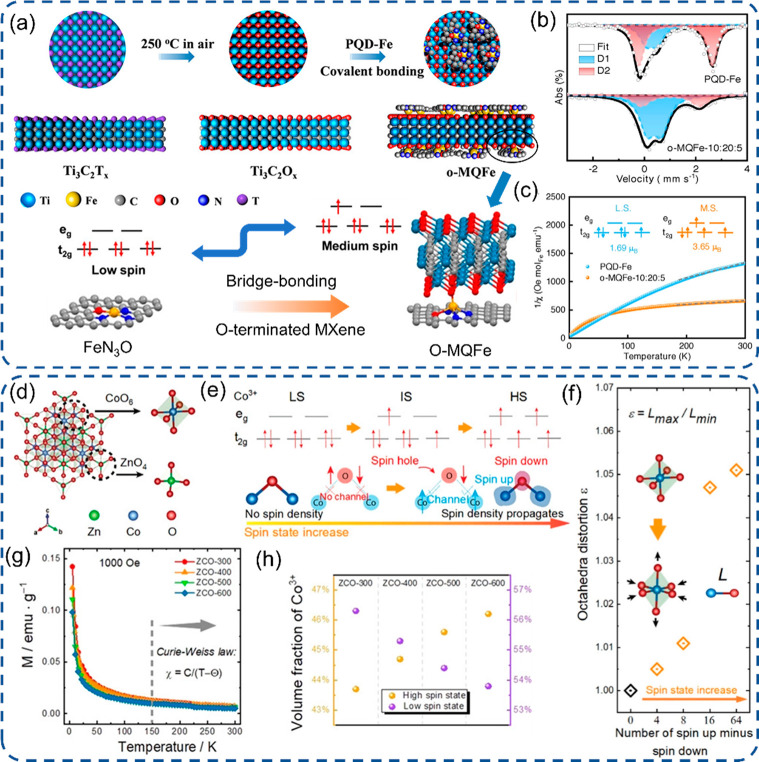
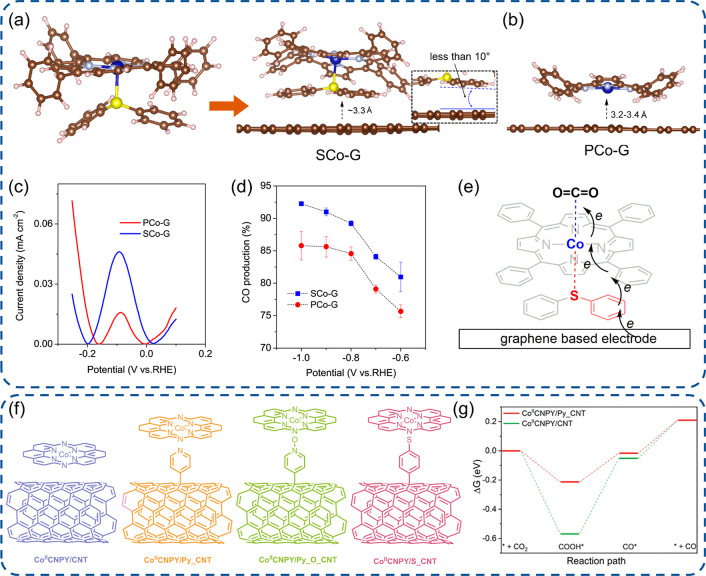
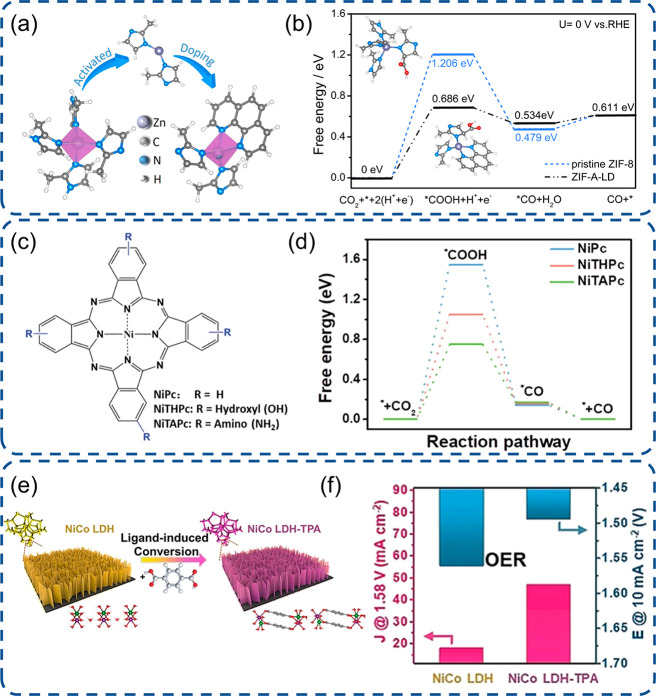
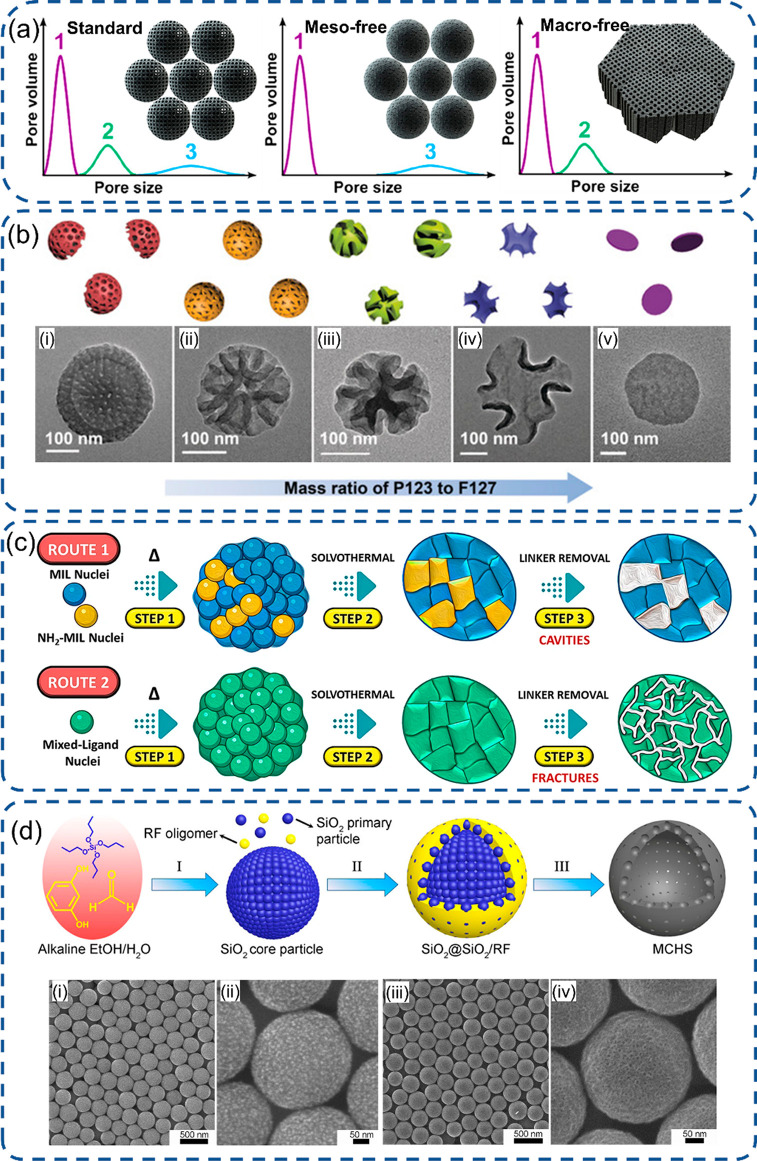
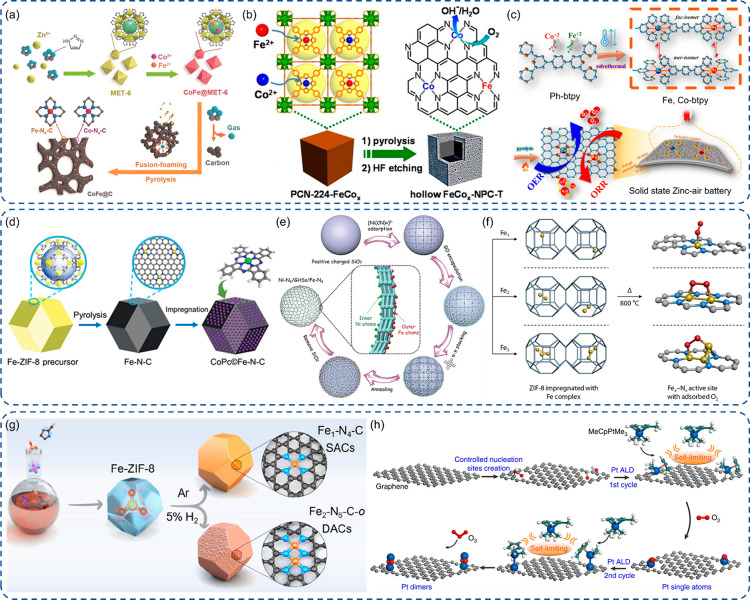
Single atom catalysts (SACs) have been attracting extensive attention in electrocatalysis because of their unusual structure and extreme atom utilization, but the low metal loading and unified single site induced scaling relations may limit their activity and practical application. Tailoring of active sites at the atomic level is a sensible approach to break the existing limits in SACs. In this review, SACs were first discussed regarding carbon or non-carbon supports. Then, five tailoring strategies were elaborated toward improving the electrocatalytic activity of SACs, namely strain engineering, spin-state tuning engineering, axial functionalization engineering, ligand engineering, and porosity engineering, so as to optimize the electronic state of active sites, tune orbitals of transition metals, adjust adsorption strength of intermediates, enhance electron transfer, and elevate mass transport efficiency. Afterward, from the angle of inducing electron redistribution and optimizing the adsorption nature of active centers, the synergistic effect from adjacent atoms and recent advances in tailoring strategies on active sites with binuclear configuration which include simple, homonuclear, and heteronuclear dual atom catalysts (DACs) were summarized. Finally, a summary and some perspectives for achieving efficient and sustainable electrocatalysis were presented based on tailoring strategies, design of active sites, and characterization.
单原子催化剂(SACs)因其独特的结构和极高的原子利用率而在电催化领域引起了广泛关注,但低金属负载量和统一单原子位点引发的比例关系可能会限制其活性和实际应用。在原子水平上对活性位点进行调控是突破SACs现有局限的合理方法。在这篇综述中,首先讨论了以碳或非碳为载体的SACs。然后,阐述了五种旨在提高SACs电催化活性的调控策略,即应变工程、自旋态调控工程、轴向功能化工程、配体工程和孔隙率工程,以优化活性位点的电子态、调节过渡金属的轨道、调整中间体的吸附强度、增强电子转移并提高传质效率。之后,从诱导电子重新分布和优化活性中心吸附性质的角度,总结了相邻原子的协同效应以及具有双核构型的活性位点调控策略的最新进展,这些双核构型包括简单双核、同核双核和异核双核催化剂(DACs)。最后,基于调控策略、活性位点设计和表征,对实现高效可持续电催化进行了总结并提出了一些展望。