Department of Cardiovascular Surgery, Qilu Hospital of Shandong University, Jinan, 250012, China.
Thoracoscopy Institute of Cardiac Surgery, Shandong University, Jinan, China.
Stem Cell Res Ther. 2022 Nov 4;13(1):512. doi: 10.1186/s13287-022-03197-0.
The mesenchymal stem cells (MSCs) were used to repair tissue injury. However, the treatment effect was not satisfactory. We investigated whether lncRNA MIR155HG could promote survival and migration of MSCs under oxidative stress, which mimics in vivo environments. Furthermore, we studied the protective effect of exosomes secreted by MSCs transfected with MIR155HG on endothelial cells. This study aimed to determine whether exploiting MSCs and exosomes modified with lncRNA MIR155HG would exert synergistic therapeutic effect to attenuate vein graft intimal hyperplasia more effectively.
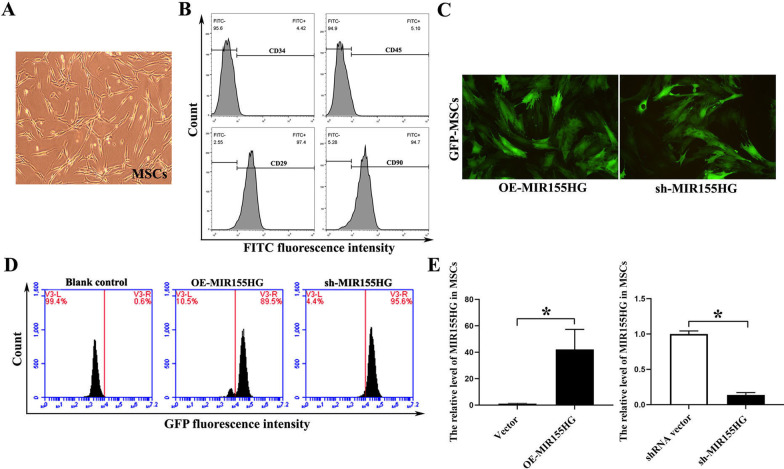
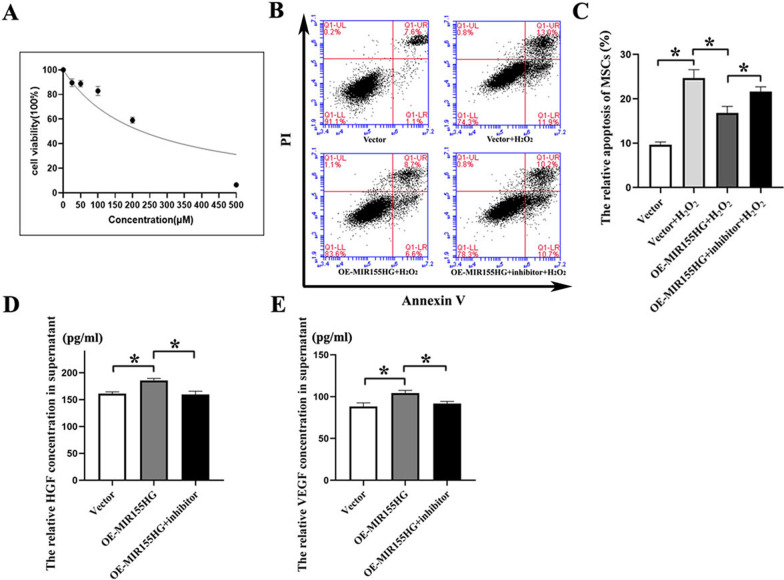
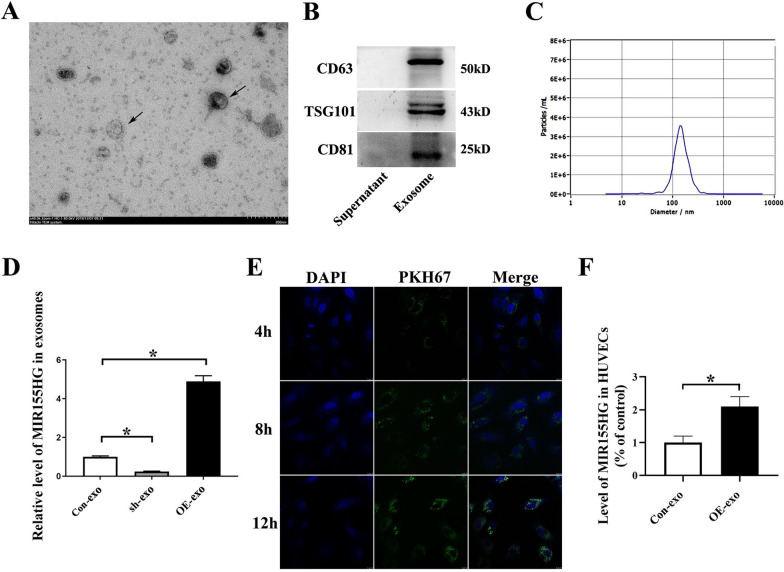
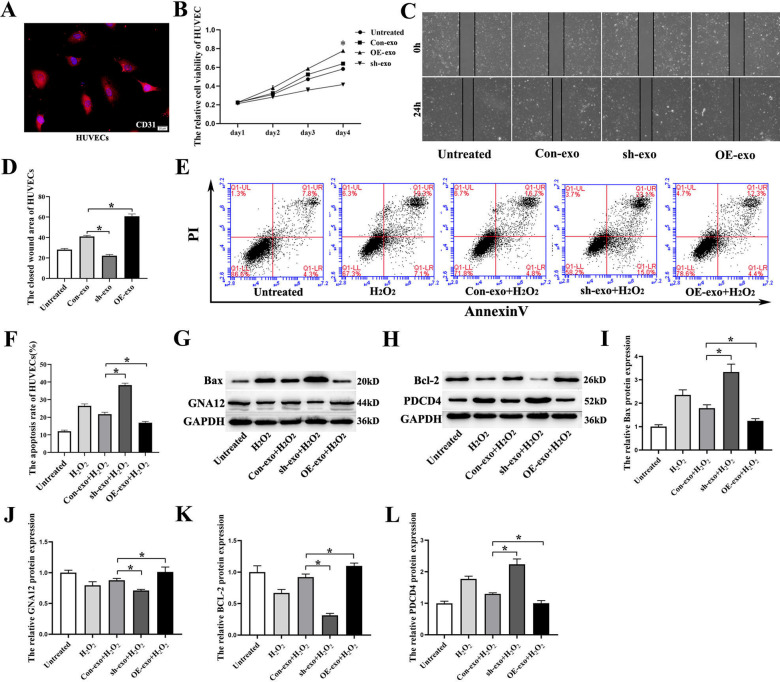
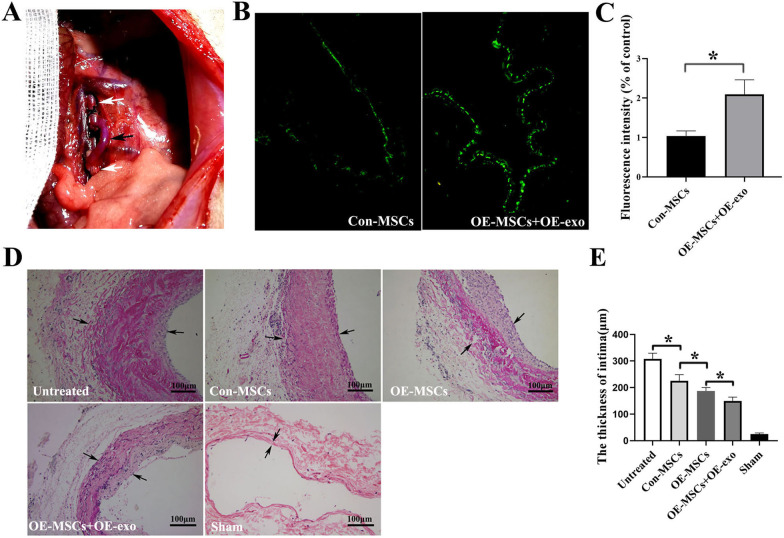
Lentivirus containing lncRNA MIR155HG overexpressing vector was packaged and used to infect MSCs. Then, CCK-8 assay, flow cytometry, Transwell assay, and Elisa assay were used to assess the functional changes of MSCs with overexpressed MIR155HG (OE-MSCs). Furthermore, the associated pathways were screened by Western blot. MIR155HG-MSCs-derived exosomes (OE-exo) were collected and co-cultured with human umbilicus vein endothelial cell (HUVEC). We validated the protective effect of OE-exo on HUVEC. In vivo, both MSCs and exosomes modified with MIR155HG were injected into a vein graft rat model via tail vein. We observed MSCs homing and intimal hyperplasia of vein graft using a fluorescent microscope and histological stain.
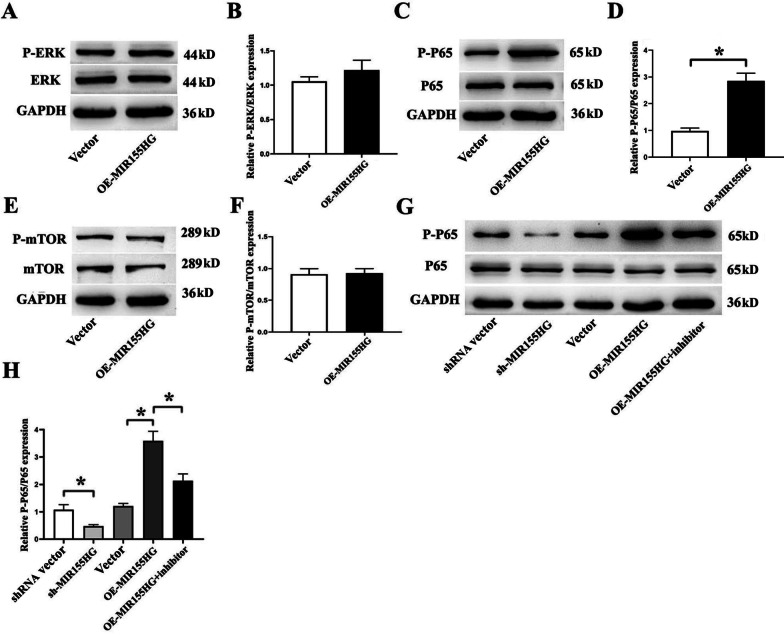
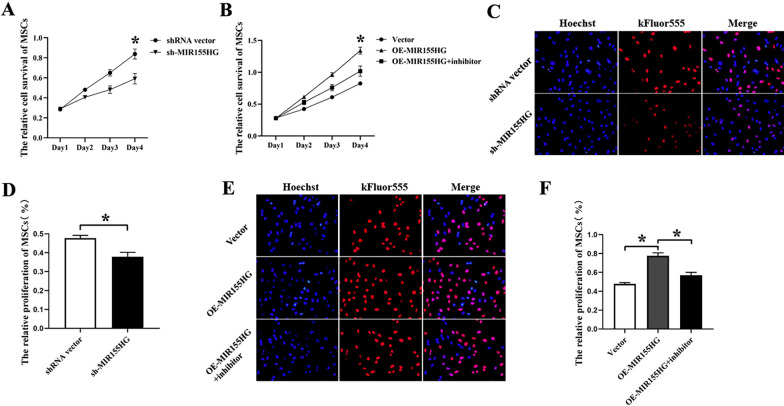
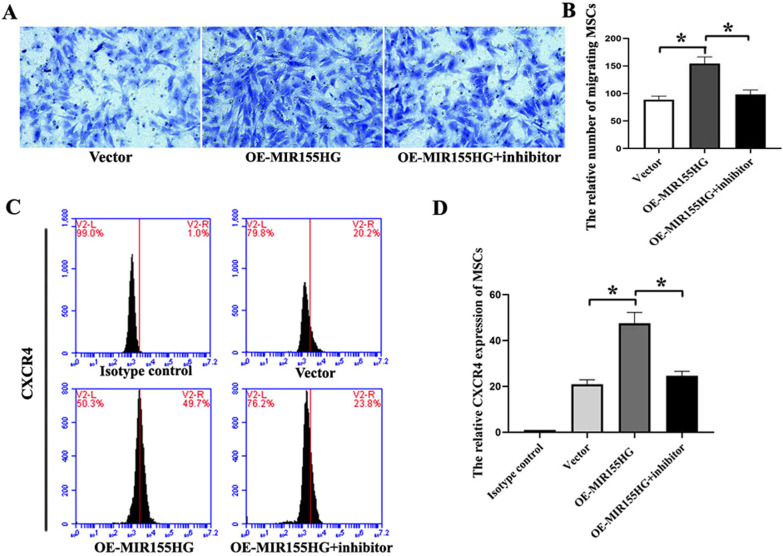
Our study found that lncRNA MIR155HG promoted proliferation, migration, and anti-apoptosis of MSCs. NF-κB pathway took part in the regulation process induced by MIR155HG. OE-exo could enhance the activity and healing ability of HUVEC and reduce apoptosis. In vivo, OE-MSCs had a higher rate of homing to vascular endothelium. The combined treatment with OE-MSCs and OE-exo protected vascular endothelial integrity, reduced inflammatory cell proliferation, and significantly attenuated intimal hyperplasia of vein graft.
LncRNA MIR155HG could promote the survival and activity of MSCs, and reduce the apoptosis of HUVECs using exosome delivery. Exploiting MSCs and exosomes modified with MIR155HG could attenuate vein graft intimal hyperplasia more effectively and maximize the surgical effect.
间充质干细胞(MSCs)被用于修复组织损伤。然而,治疗效果并不理想。我们研究了长链非编码 RNA MIR155HG 是否可以促进 MSCs 在模拟体内环境的氧化应激下的存活和迁移。此外,我们研究了转染 MIR155HG 的 MSC 分泌的外泌体对血管内皮细胞的保护作用。本研究旨在确定利用修饰后的 MSC 和外泌体是否可以更有效地发挥协同治疗作用,以减轻静脉移植物内膜增生。
包装含有 lncRNA MIR155HG 过表达载体的慢病毒,用于感染 MSC。然后,使用 CCK-8 测定、流式细胞术、Transwell 测定和 Elisa 测定来评估过表达 MIR155HG 的 MSC(OE-MSCs)的功能变化。此外,通过 Western blot 筛选相关途径。收集 MIR155HG-MSCs 衍生的外泌体(OE-exo)并与人脐静脉内皮细胞(HUVEC)共培养。我们验证了 OE-exo 对 HUVEC 的保护作用。在体内,通过尾静脉将修饰后的 MSC 和外泌体注射到静脉移植物大鼠模型中。通过荧光显微镜和组织学染色观察 MSC 归巢和静脉移植物内膜增生。
我们的研究发现,长链非编码 RNA MIR155HG 促进了 MSC 的增殖、迁移和抗凋亡。NF-κB 途径参与了 MIR155HG 诱导的调节过程。OE-exo 可以增强 HUVEC 的活性和愈合能力,减少细胞凋亡。在体内,OE-MSCs 向血管内皮的归巢率更高。OE-MSCs 和 OE-exo 的联合治疗保护了血管内皮的完整性,减少了炎症细胞的增殖,并显著减轻了静脉移植物的内膜增生。
lncRNA MIR155HG 通过外泌体递送可以促进 MSC 的存活和活性,减少 HUVEC 的凋亡。利用修饰后的 MSC 和外泌体可以更有效地减轻静脉移植物内膜增生,最大限度地发挥手术效果。