Xu Haiyan, Liu Qingrong, Cao Kai, Ye Yunqing, Zhang Bin, Li Zhe, Hao Jie, Qi Xiling, Zhao Qinghao, Liu Sisi, Gao Runlin, Wu Yongjian
Department of Cardiology, Fuwai Hospital, National Center for Cardiovascular Diseases, Chinese Academy of Medical Sciences and Peking Union Medical College, Beijing, China.
Beijing Tongren Hospital, Capital Medical University, Beijing, China.
JACC Asia. 2022 Apr 12;2(3):354-365. doi: 10.1016/j.jacasi.2021.11.013. eCollection 2022 Jun.
The epidemiology and management of valvular heart disease (VHD) have changed with economic development and population aging in China in recent decades.
This study sought to understand the distribution, etiology, and presentation and assess the current practice and outcomes of older patients with VHD in China.
The authors conducted the first nationwide survey of older patients with VHD between September and December 2016 from 69 hospitals in 28 provinces and municipalities throughout China. Hospitalized patients over 60 years of age with moderate-to-severe VHD, infective endocarditis, or previous valvular intervention were consecutively enrolled.
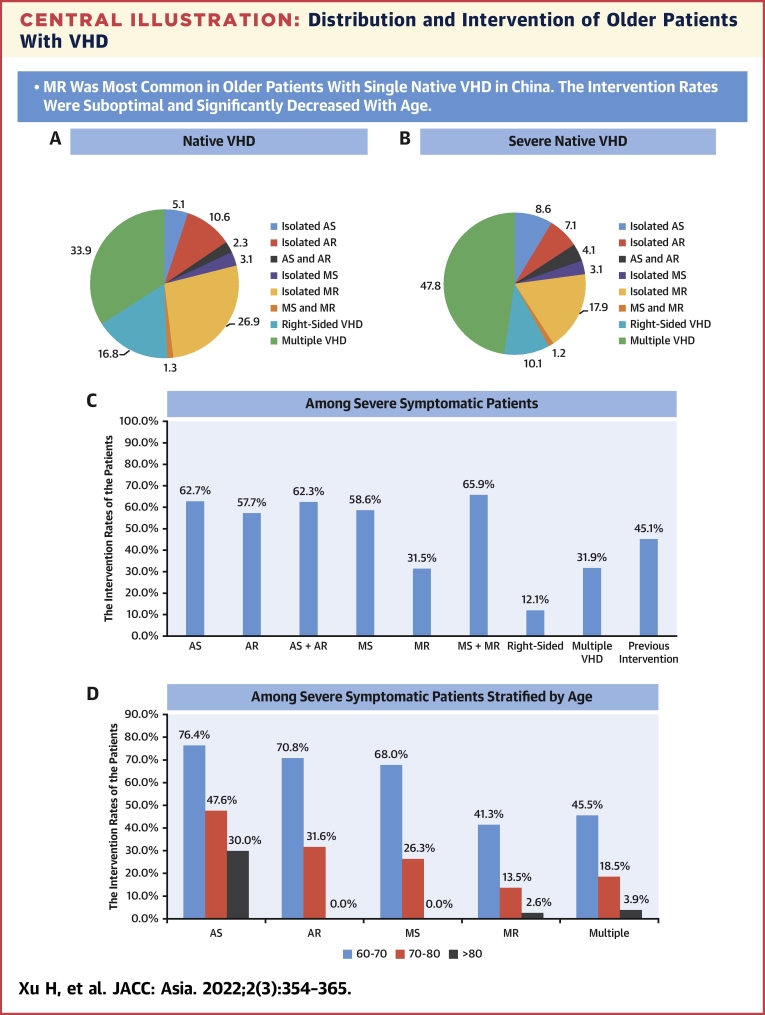
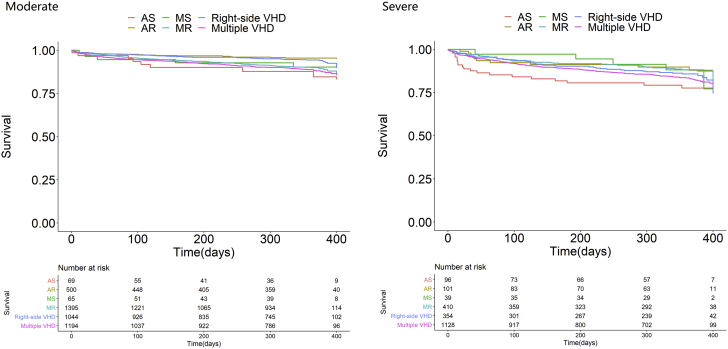
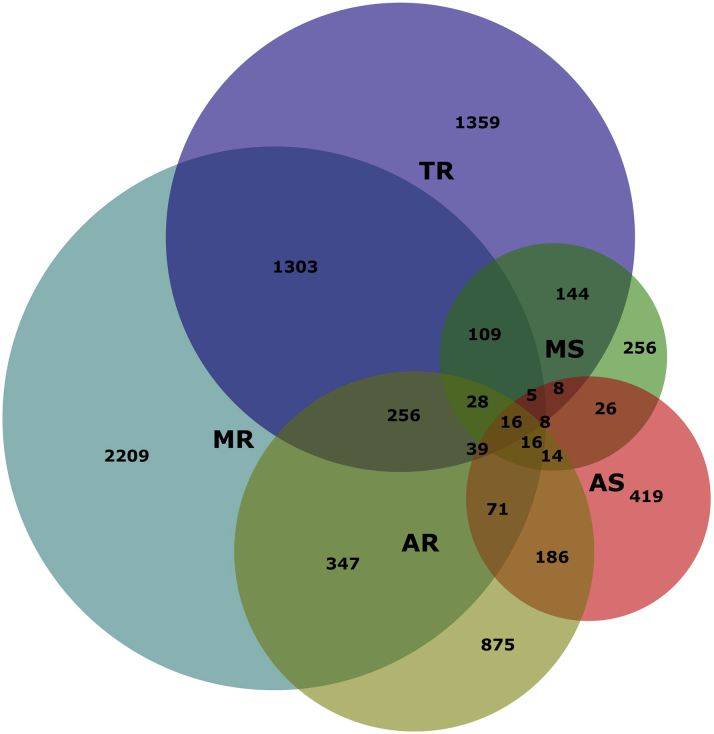
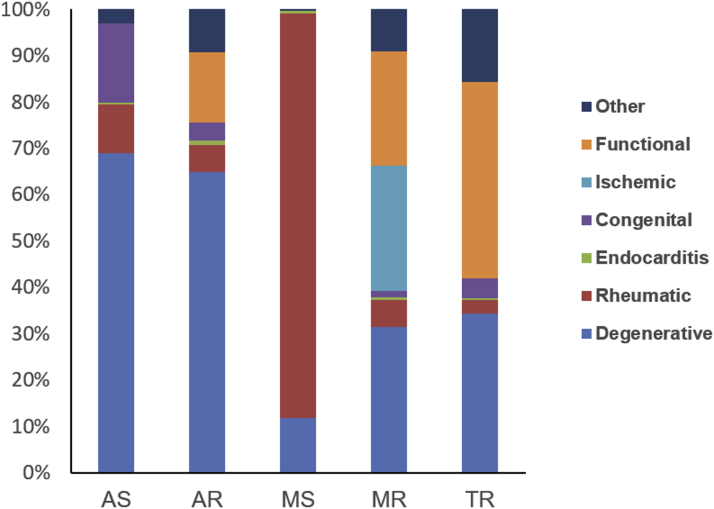
Of 8,929 patients (median age of 69 years, 47.5% female), 8227 (92.1%) had native VHD. Mitral regurgitation was the most prevalent single VHD (26.9% of native VHD), followed by tricuspid regurgitation (16.5%), aortic regurgitation (10.6%), aortic stenosis (5.1%), and mitral stenosis (3.1%). Degenerative (37.2%), functional (21.8%), and rheumatic (15.0%) etiologies were the 3 most common causes. Among symptomatic patients with severe VHD, 37.3% underwent valvular intervention. The intervention rates decreased significantly with age across all types of VHD ( < 0.01). Valvular surgery covered 93.7% of interventions. The overall 1-year survival rate was 74.4% (95% CI: 63.4%-85.4%).
This study provides a unique national insight into the contemporary spectrum and management of older VHD patients in China. With the increase in the health care demand, more resources and efforts are required for early detection, effective intervention, and targeting innovation on advanced therapeutic techniques and devices to improve the outcomes.
近几十年来,随着中国经济发展和人口老龄化,心脏瓣膜病(VHD)的流行病学和管理发生了变化。
本研究旨在了解中国老年VHD患者的分布、病因和临床表现,并评估当前的治疗实践和治疗效果。
作者于2016年9月至12月对中国28个省、直辖市69家医院的老年VHD患者进行了首次全国性调查。连续纳入60岁以上患有中重度VHD、感染性心内膜炎或既往有瓣膜干预史的住院患者。
在8929例患者中(中位年龄69岁,女性占47.5%),8227例(92.1%)患有原发性VHD。二尖瓣反流是最常见的单一VHD(占原发性VHD的26.9%),其次是三尖瓣反流(16.5%)、主动脉瓣反流(10.6%)、主动脉瓣狭窄(5.1%)和二尖瓣狭窄(3.1%)。退行性(37.2%)、功能性(21.8%)和风湿性(15.0%)病因是最常见的3种病因。在有症状的重度VHD患者中,37.3%接受了瓣膜干预。在所有类型的VHD中,干预率均随年龄显著下降(P<0.01)。瓣膜手术占干预措施的93.7%。总体1年生存率为74.4%(95%CI:63.4%-85.4%)。
本研究为中国老年VHD患者的当代疾病谱和治疗管理提供了独特的全国性见解。随着医疗保健需求的增加,需要更多的资源和努力来进行早期检测、有效干预,并针对先进治疗技术和设备进行创新,以改善治疗效果。