Department of Obstetrics and Gynecology, Medical College of Wisconsin, Milwaukee, Wisconsin, USA.
Hum Vaccin Immunother. 2022 Nov 30;18(6):2138047. doi: 10.1080/21645515.2022.2138047. Epub 2022 Nov 7.
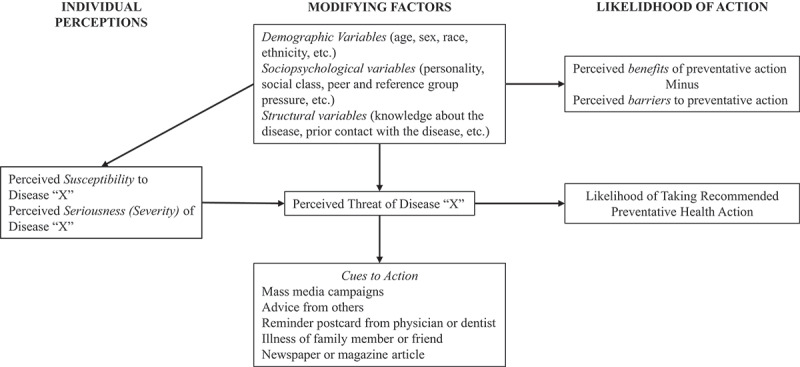
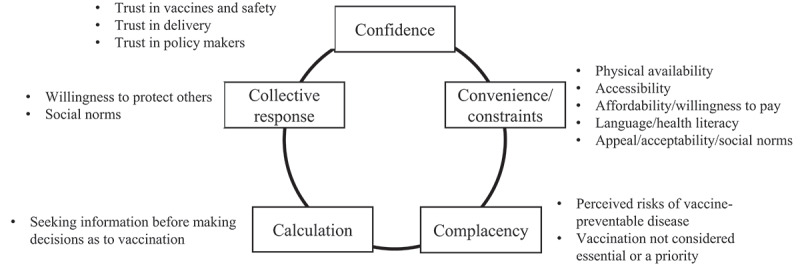
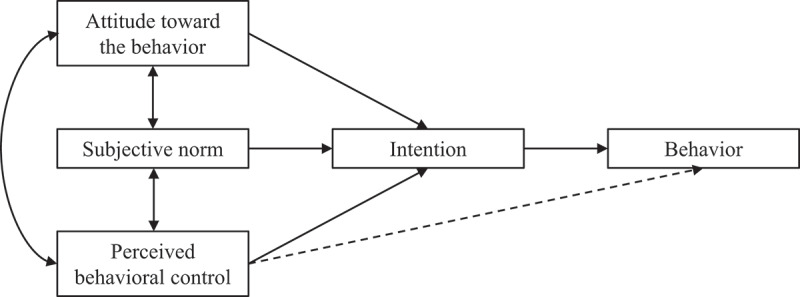
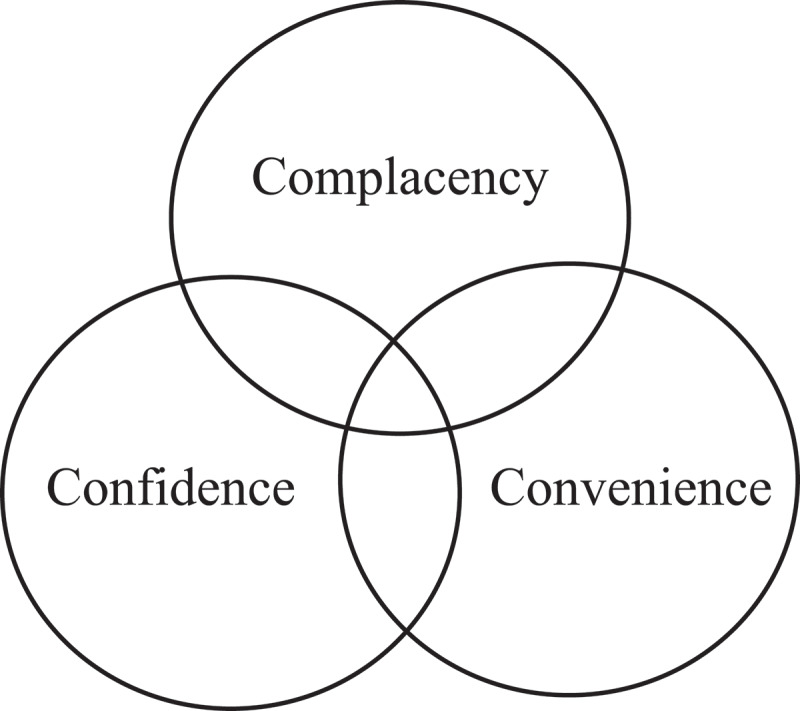
Vaccination has proven to be the most effective tool in controlling the COVID-19 pandemic. While pregnant individuals are considered to be a high-risk population and are more likely to experience adverse effects from COVID-19, vaccination rates among pregnant individuals are significantly lower than in the general population. The Health Belief Model (HBM), Theory of Planned Behavior (TPB), 3C model, 5C model, and 5A model have been used to assess vaccination hesitancy behaviors. In this paper, we review the use of each of these models to address vaccine hesitancy, with a focus on the pregnant population and the COVID-19 vaccine. The HBM, TPB, 3C model, and 5C model have demonstrated great versatility in their ability to evaluate, explain, and modify vaccine hesitancy and behavior. Up to date, the HBM and 3C models appear to be the most effective models to study and address vaccination hesitancy within the pregnant persons.
疫苗接种已被证明是控制 COVID-19 大流行的最有效工具。虽然孕妇被认为是高危人群,更有可能受到 COVID-19 的不良影响,但孕妇的疫苗接种率明显低于普通人群。健康信念模型 (HBM)、计划行为理论 (TPB)、3C 模型、5C 模型和 5A 模型已被用于评估疫苗犹豫行为。在本文中,我们回顾了使用这些模型中的每一种来解决疫苗犹豫问题,重点是孕妇人群和 COVID-19 疫苗。HBM、TPB、3C 模型和 5C 模型在评估、解释和改变疫苗犹豫和行为方面表现出了很强的通用性。迄今为止,HBM 和 3C 模型似乎是研究和解决孕妇人群中疫苗犹豫问题最有效的模型。