Lötsch Jörn, Ultsch Alfred, Mayer Benjamin, Kringel Dario
Goethe-University, Institute of Clinical Pharmacology, Frankfurt am Main, Germany.
Fraunhofer Institute for Translational Medicine and Pharmacology ITMP, Frankfurt am Main, Germany.
Pain Rep. 2022 Nov 3;7(6):e1044. doi: 10.1097/PR9.0000000000001044. eCollection 2022 Nov-Dec.
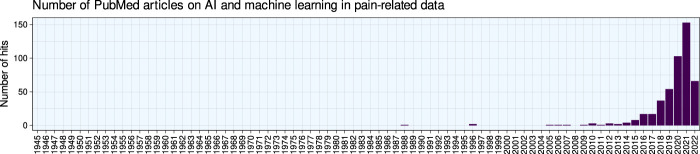
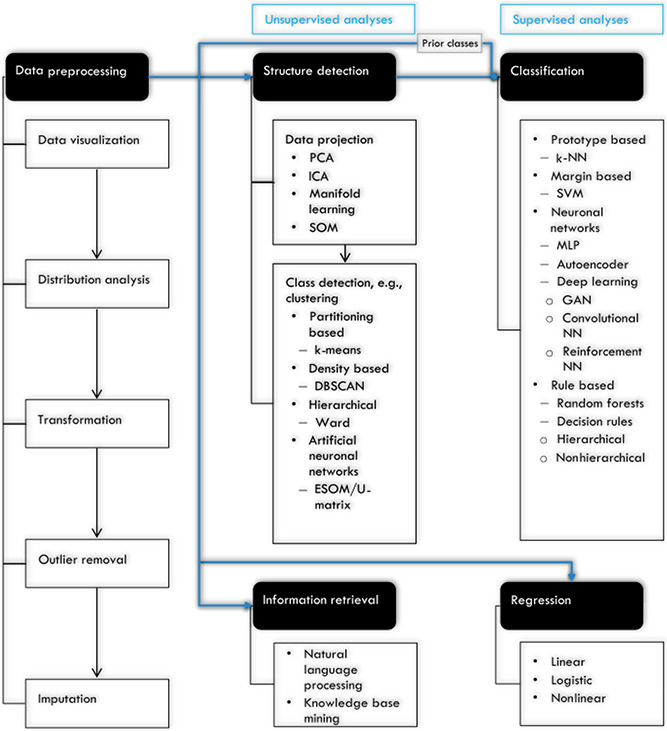
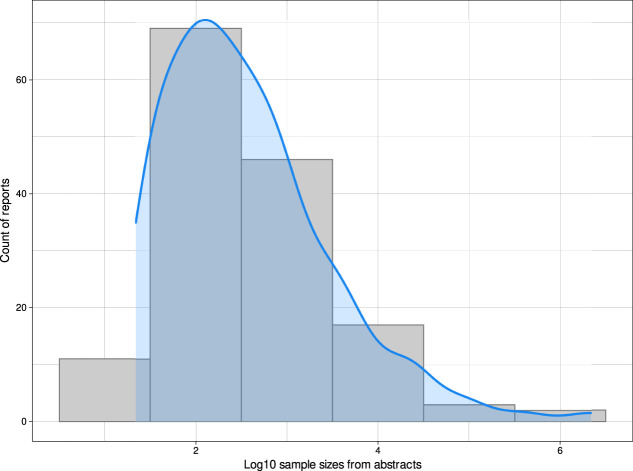
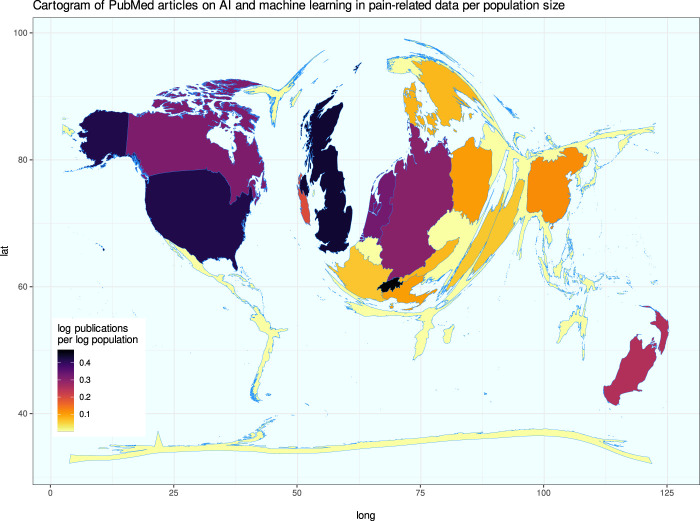
The collection of increasing amounts of data in health care has become relevant for pain therapy and research. This poses problems for analyses with classical approaches, which is why artificial intelligence (AI) and machine learning (ML) methods are being included into pain research. The current literature on AI and ML in the context of pain research was automatically searched and manually curated. Common machine learning methods and pain settings covered were evaluated. Further focus was on the origin of the publication and technical details, such as the included sample sizes of the studies analyzed with ML. Machine learning was identified in 475 publications from 18 countries, with 79% of the studies published since 2019. Most addressed pain conditions included low back pain, musculoskeletal disorders, osteoarthritis, neuropathic pain, and inflammatory pain. Most used ML algorithms included random forests and support vector machines; however, deep learning was used when medical images were involved in the diagnosis of painful conditions. Cohort sizes ranged from 11 to 2,164,872, with a mode at n = 100; however, deep learning required larger data sets often only available from medical images. Artificial intelligence and ML, in particular, are increasingly being applied to pain-related data. This report presents application examples and highlights advantages and limitations, such as the ability to process complex data, sometimes, but not always, at the cost of big data requirements or black-box decisions.
医疗保健领域中越来越多数据的收集对于疼痛治疗和研究变得至关重要。这给采用传统方法进行分析带来了问题,这就是为什么人工智能(AI)和机器学习(ML)方法被纳入疼痛研究的原因。对当前关于疼痛研究背景下的AI和ML的文献进行了自动搜索和人工筛选。评估了所涵盖的常见机器学习方法和疼痛情况。进一步关注的是出版物的来源和技术细节,例如用ML分析的研究所包含的样本量。在来自18个国家的475篇出版物中发现了机器学习,其中79%的研究自2019年以来发表。大多数涉及的疼痛状况包括腰痛、肌肉骨骼疾病、骨关节炎、神经性疼痛和炎性疼痛。最常用的ML算法包括随机森林和支持向量机;然而,当医学图像用于疼痛状况的诊断时,则使用深度学习。队列规模从11到2,164,872不等,众数为n = 100;然而,深度学习需要通常仅从医学图像中获得的更大数据集。特别是,人工智能和ML越来越多地应用于与疼痛相关的数据。本报告展示了应用实例,并突出了优点和局限性,例如处理复杂数据的能力,有时,但并非总是,以大数据要求或黑箱决策为代价。