One Health Division, National Microbiology Laboratory, Public Health Agency of Canada, Winnipeg, MB, Canada.
Department of Medical Microbiology and Infectious Diseases, Faculty of Health Sciences, University of Manitoba, Winnipeg, MB, Canada.
Acta Neuropathol Commun. 2022 Nov 9;10(1):161. doi: 10.1186/s40478-022-01450-4.
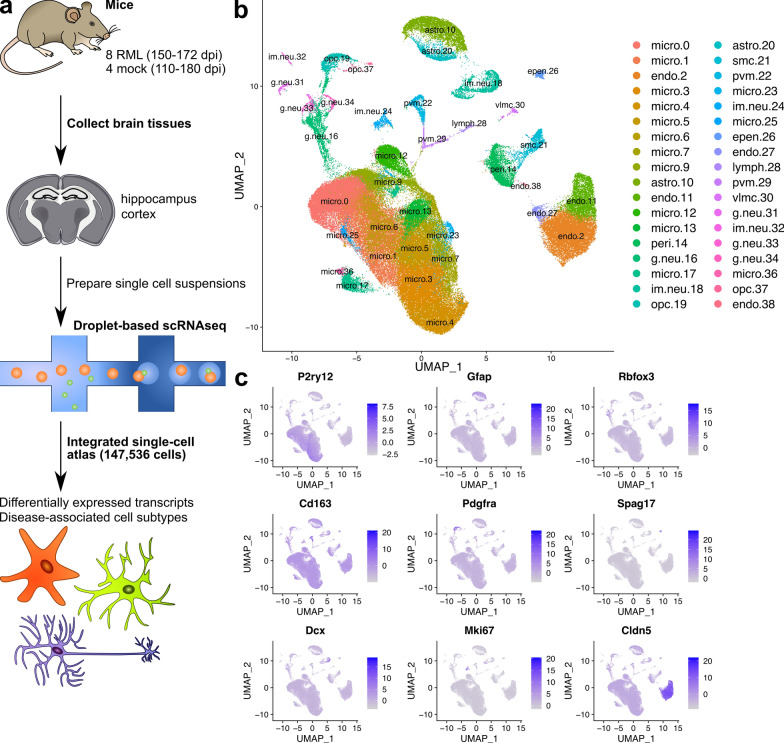
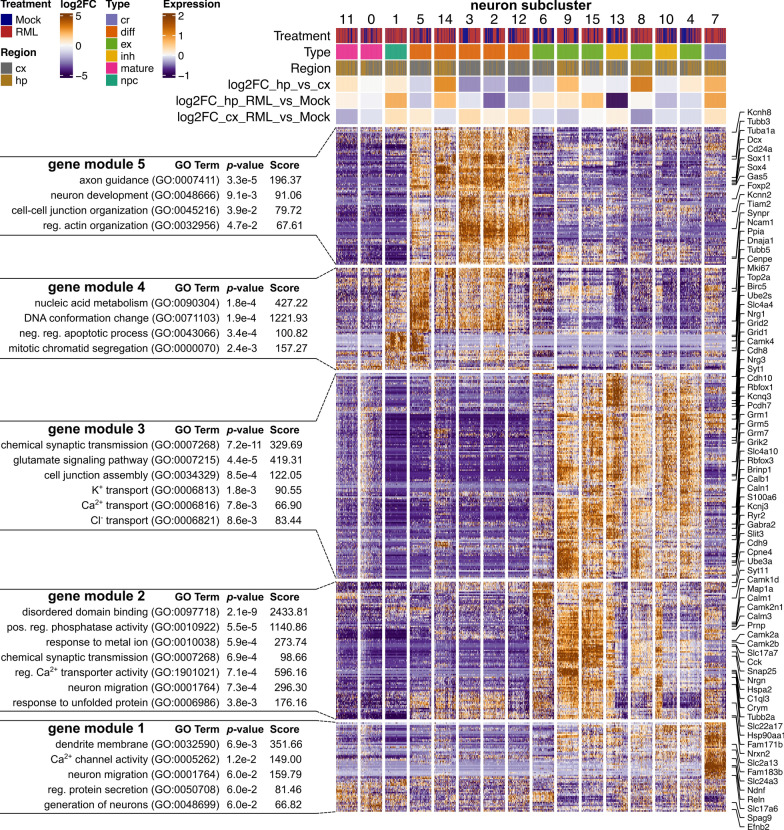
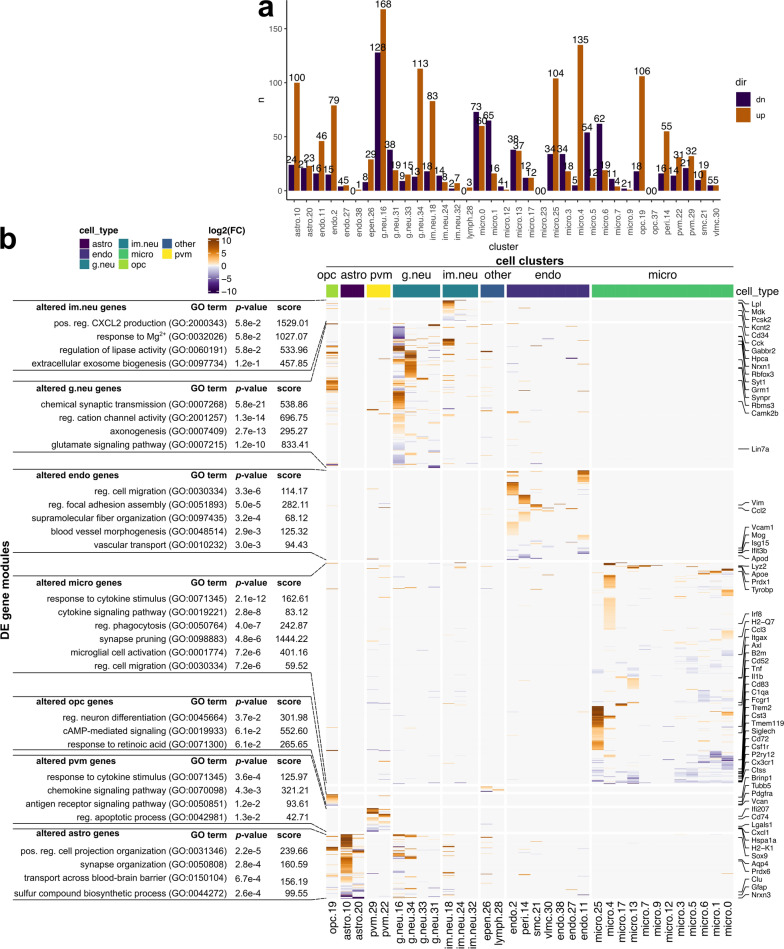
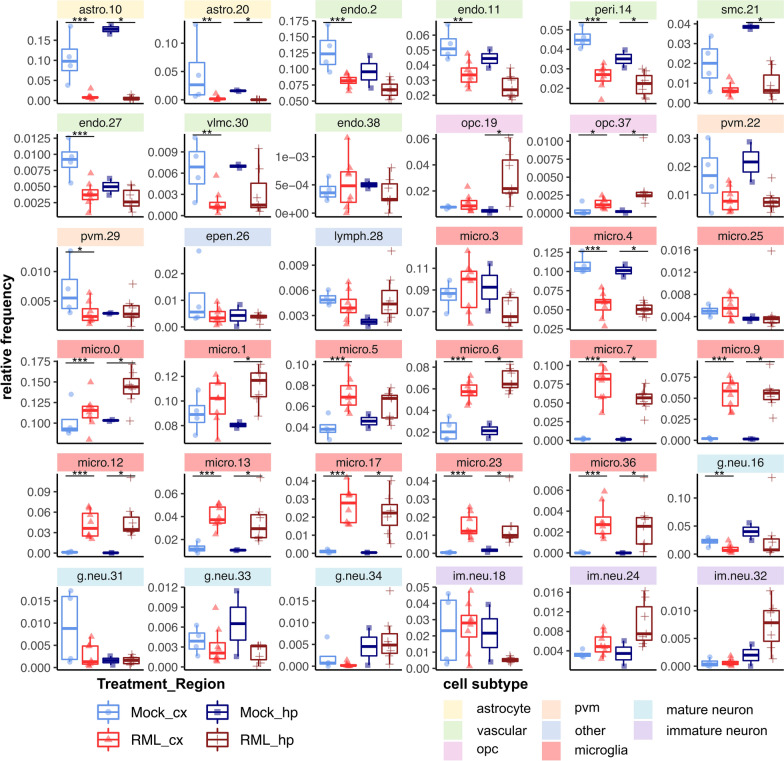
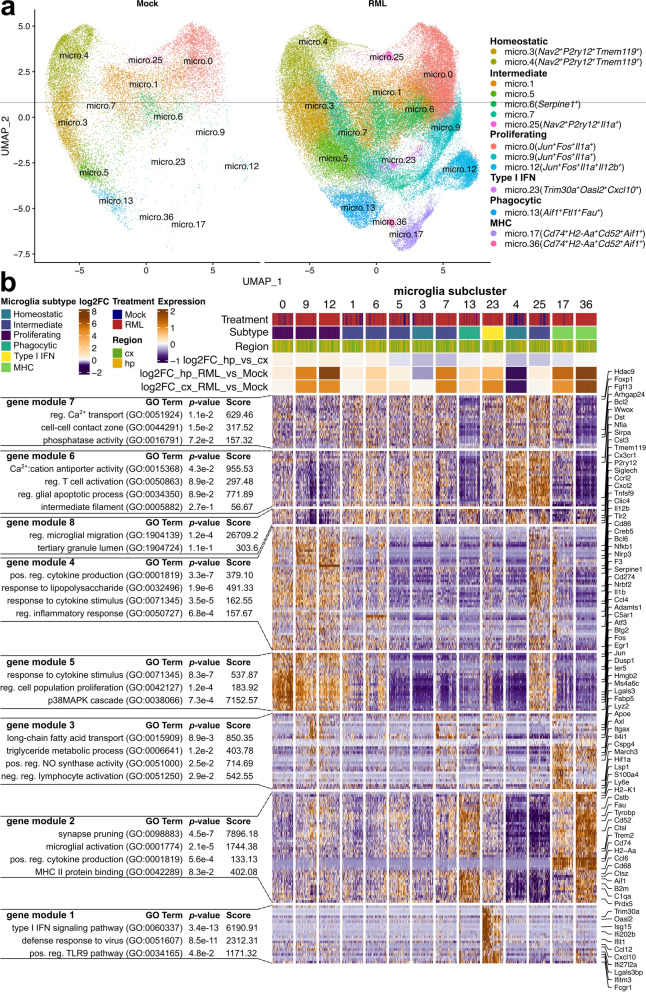
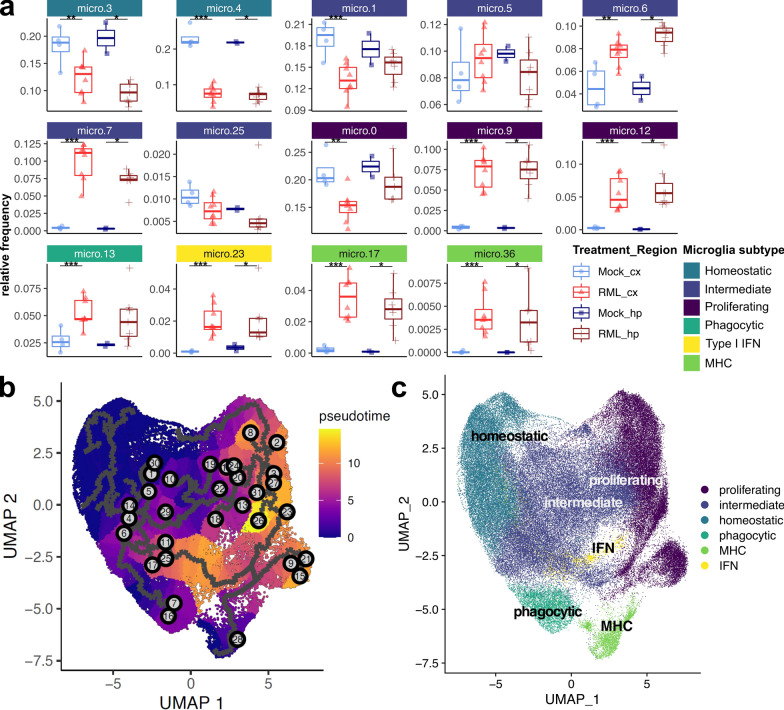
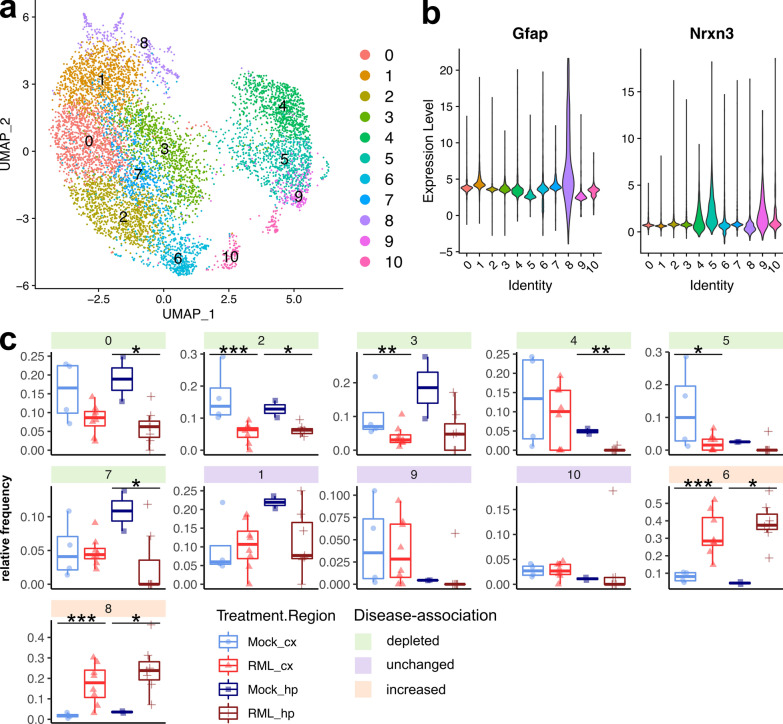
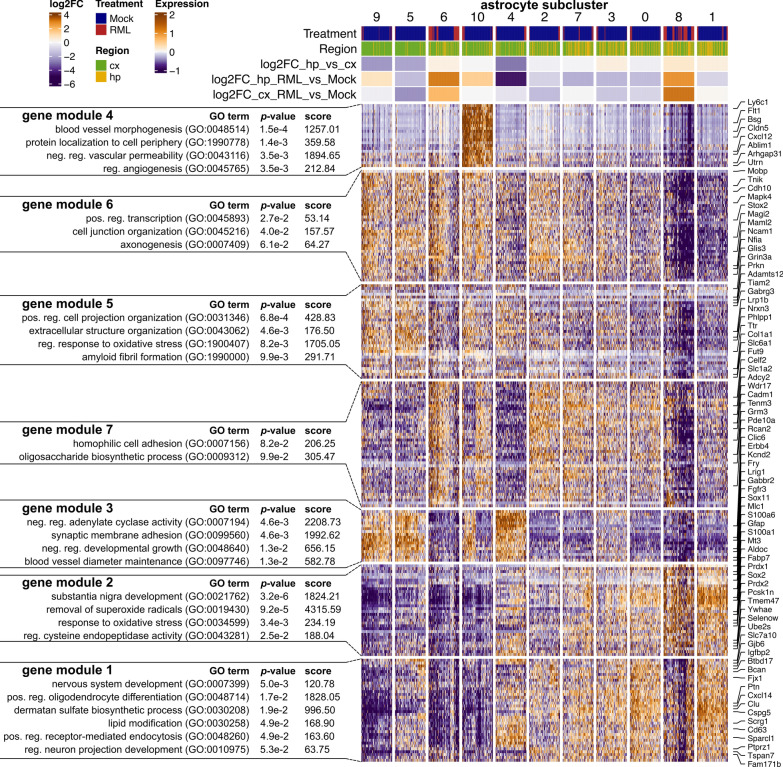
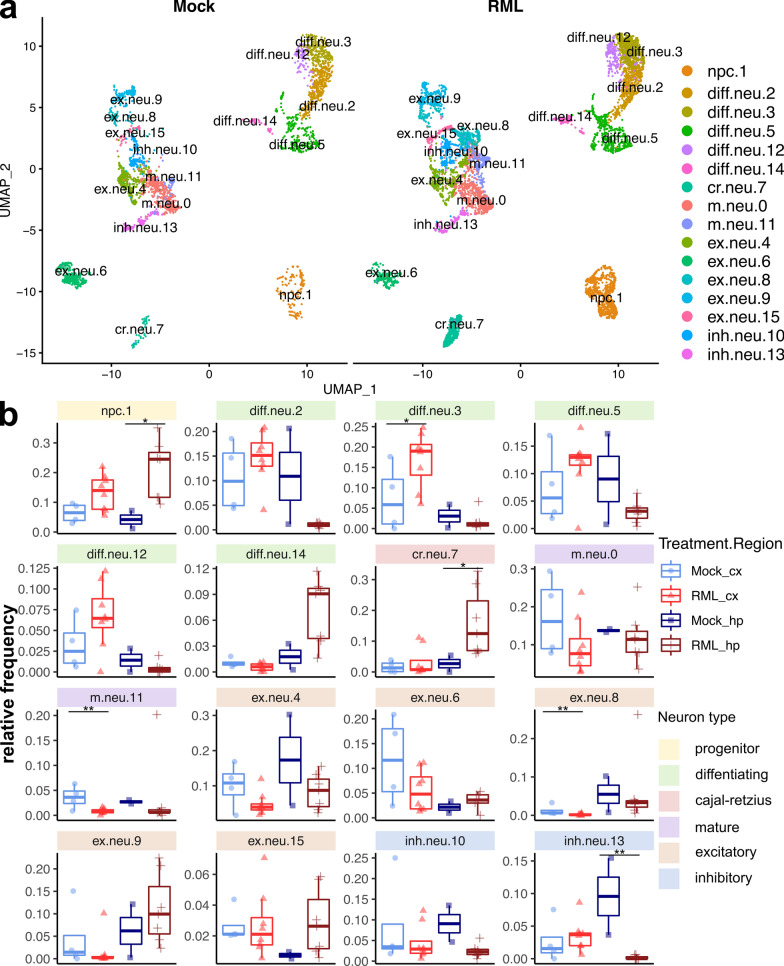
Prion diseases are neurodegenerative disorders with long asymptomatic incubation periods, followed by a rapid progression of cognitive and functional decline culminating in death. The complexity of intercellular interactions in the brain is challenging to unravel and the basis of disease pathobiology remains poorly understood. In this study, we employed single cell RNA sequencing (scRNAseq) to produce an atlas of 147,536 single cell transcriptomes from cortex and hippocampus of mice infected with prions and showing clinical signs. We identified transcriptionally distinct populations and sub-populations of all the major brain cell-types. Disease-related transcription was highly specific to not only overarching cell-types, but also to sub-populations of glia and neurons. Most striking was an apparent decrease in relative frequency of astrocytes expressing genes that are required for brain homeostasis such as lipid synthesis, glutamate clearance, synaptic modulation and regulation of blood flow. Additionally, we described a spectrum of microglial activation states that suggest delineation of phagocytic and neuroinflammatory functions in different cell subsets. Differential responses of immature and mature neuron populations were also observed, alongside abnormal hippocampal neurogenesis. Our scRNAseq library provides a new layer of knowledge on single cell gene expression in prion disease, and is a basis for a more detailed understanding of cellular interplay that leads to neurodegeneration.
朊病毒病是神经退行性疾病,具有较长的无症状潜伏期,随后认知和功能迅速下降,最终导致死亡。大脑中细胞间相互作用的复杂性难以揭示,疾病发病机制的基础仍知之甚少。在这项研究中,我们采用单细胞 RNA 测序(scRNAseq)技术,对感染朊病毒并出现临床症状的小鼠大脑皮层和海马体中的 147536 个单细胞转录组进行了分析,生成了图谱。我们鉴定了所有主要脑细胞类型的转录上不同的群体和亚群。与疾病相关的转录不仅高度特异于总体细胞类型,而且还特异于神经胶质细胞和神经元的亚群。最引人注目的是,表达脑内稳态所需基因(如脂质合成、谷氨酸清除、突触调节和血流调节)的星形胶质细胞的相对频率明显降低。此外,我们还描述了一系列小胶质细胞激活状态,表明在不同细胞亚群中可以区分吞噬和神经炎症功能。还观察到未成熟和成熟神经元群体的差异反应,以及异常的海马神经发生。我们的 scRNAseq 文库为朊病毒病中单细胞基因表达提供了新的认识,为更详细地了解导致神经退行性变的细胞相互作用奠定了基础。