Organisational Behaviour, Faculty of Social and Behavioural Sciences, Utrecht University, 3584 CS, Utrecht, The Netherlands.
Organisational Behaviour, Faculty of Social and Behavioural Sciences, Utrecht University, Utrecht, The Netherlands.
Arch Sex Behav. 2023 Apr;52(3):1073-1093. doi: 10.1007/s10508-022-02453-x. Epub 2022 Nov 14.
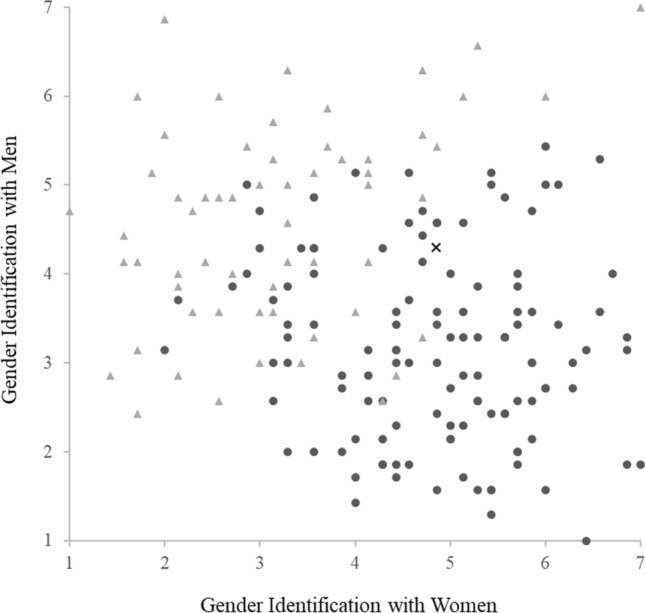
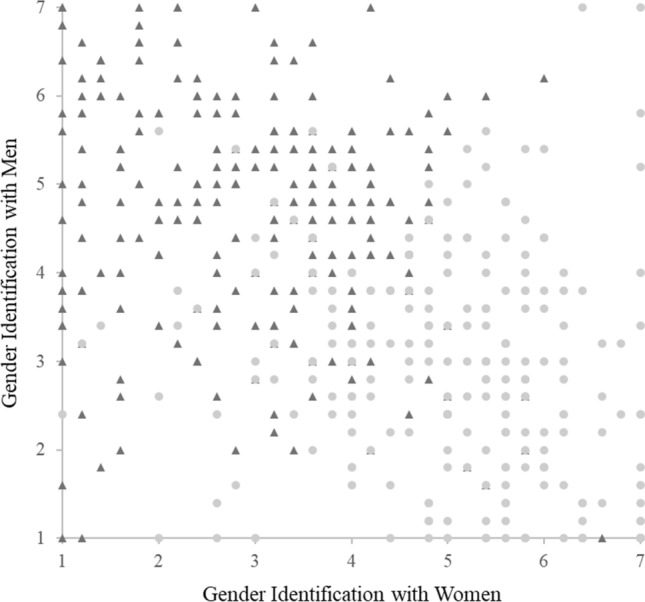
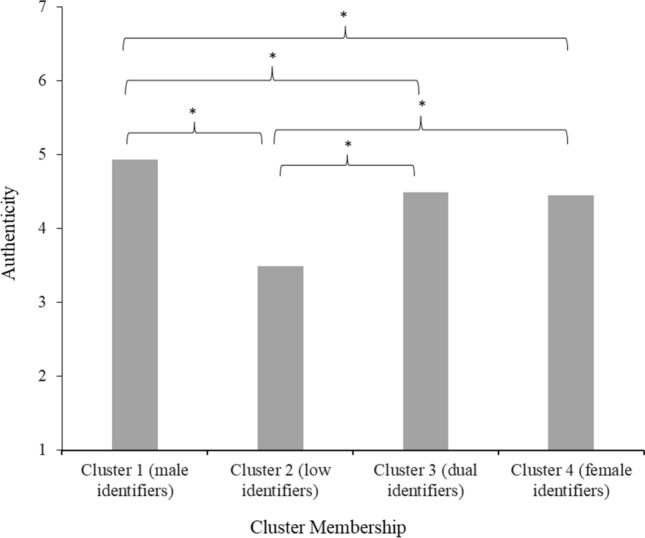
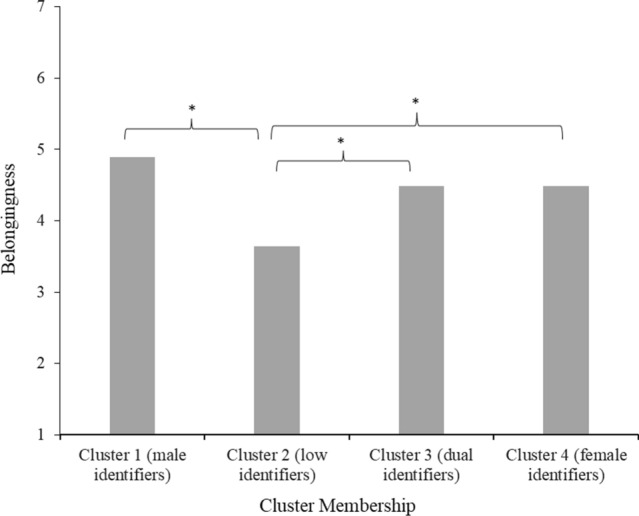
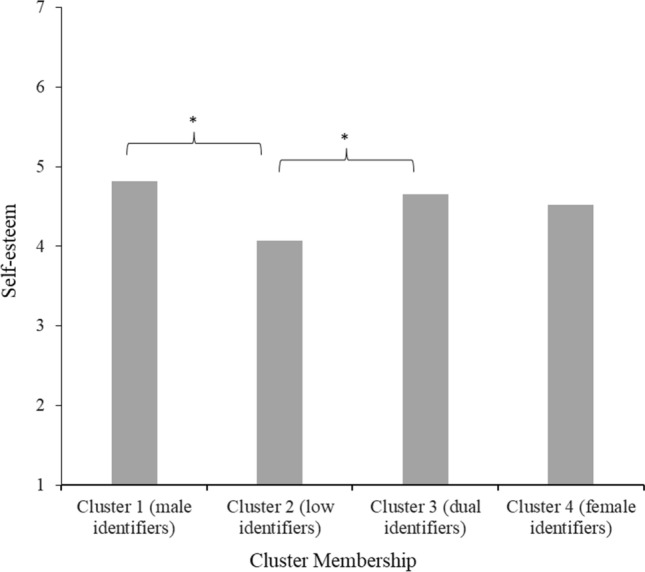
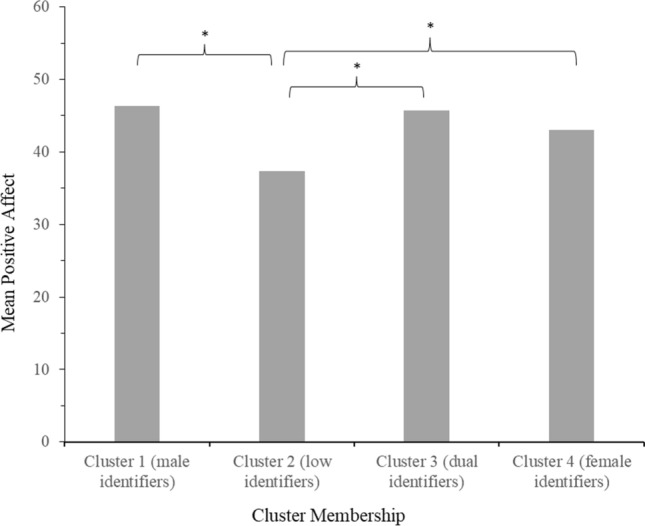
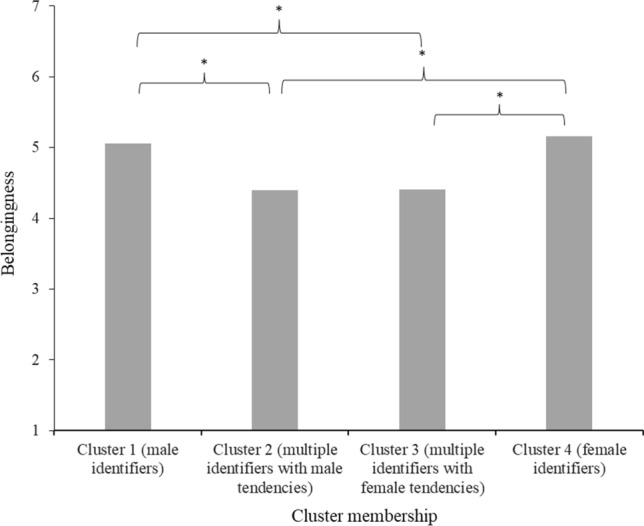
Recent societal initiatives (e.g., gender-neutral toilets, clothing, and language) highlight the ongoing shift of gender away from binary categories: "man" and "woman." We identified and investigated two reasons for this shift: that many people may not identify with strictly binary categories and that this may have negative social consequences. Employing a multiple-identification model, we measured intergroup self-categorization with both men and women (Studies 1 and 2), as well as with a "third gender" (Study 3) and investigated how multiple identifications are related to social well-being (Studies 2 and 3). In Study 1 (N = 182, mean age = 32.74, 121 women), we found that a binary model was not the best fit for our gender identification data. In Study 2 (N = 482, mean age = 30.98, 240 AFABs), we found four clusters of gender identification, replicating previous research. Furthermore, we found that gender non-conforming participants reported being less able to be their authentic selves than binary participants. We also found that participants who identified lowly with both binary genders reported lower well-being in general (belongingness, self-esteem, life satisfaction, positive affect). In Study 3 (N = 280, mean age = 36.97, 140 AFABs), we found that asking about a third gender seemed to change how much participants reported identifying with men and women. We also found that gender non-conforming participants reported lower authenticity, belongingness, and self-esteem. We conclude that moving away from binary categories of gender may be beneficial to many non-conforming people of different nationalities, including cisgender, heterosexual people.
最近的社会倡议(例如,中性厕所、中性服装和中性语言)突出了性别正在从二元类别(“男性”和“女性”)转变。我们确定并研究了这种转变的两个原因:许多人可能不认同严格的二元类别,而且这可能会产生负面的社会后果。我们采用多重认同模型,对男性和女性(研究 1 和 2)以及“第三性别”(研究 3)进行了群体内自我分类的测量,并研究了多重认同与社会幸福感的关系(研究 2 和 3)。在研究 1(N=182,平均年龄=32.74,121 名女性)中,我们发现二元模型不是我们性别认同数据的最佳拟合模型。在研究 2(N=482,平均年龄=30.98,240 名顺性别女性)中,我们复制了先前的研究,发现了四个性别认同聚类。此外,我们发现性别非规范参与者报告说,他们无法真实地展现自我,而不是二元参与者。我们还发现,那些对两种性别认同度低的参与者普遍幸福感较低(归属感、自尊、生活满意度、积极情绪)。在研究 3(N=280,平均年龄=36.97,140 名顺性别女性)中,我们发现询问第三性别似乎改变了参与者对男性和女性的认同程度。我们还发现,性别非规范参与者报告说真实性、归属感和自尊较低。我们的结论是,摆脱二元性别类别可能对不同国籍的许多非规范者有益,包括顺性别、异性恋者。