Sun Leitao, Zhu Zhenzheng, Jia Xinru, Ying Xiangchang, Wang Binbin, Wang Peipei, Zhang Shuo, Yu Jieru
Department of Medical Oncology, The First Affiliated Hospital of Zhejiang Chinese Medical University (Zhejiang Provincial Hospital of Chinese Medicine), Hangzhou, Zhejiang, China.
The First School of Clinical Medicine, Zhejiang Chinese Medical University, Hangzhou, Zhejiang, China.
Front Oncol. 2022 Nov 1;12:982744. doi: 10.3389/fonc.2022.982744. eCollection 2022.
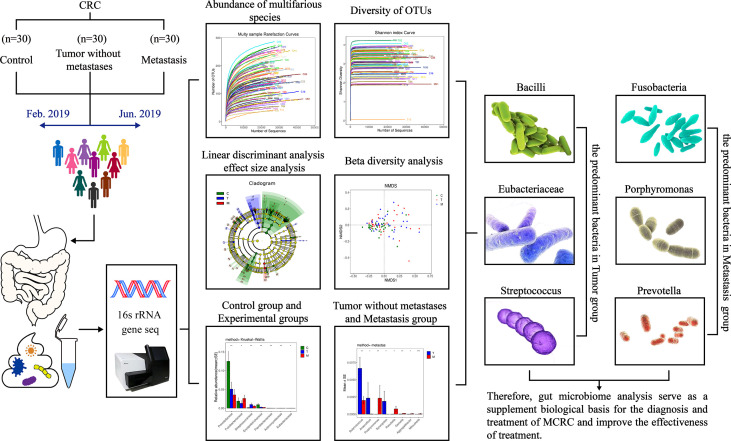
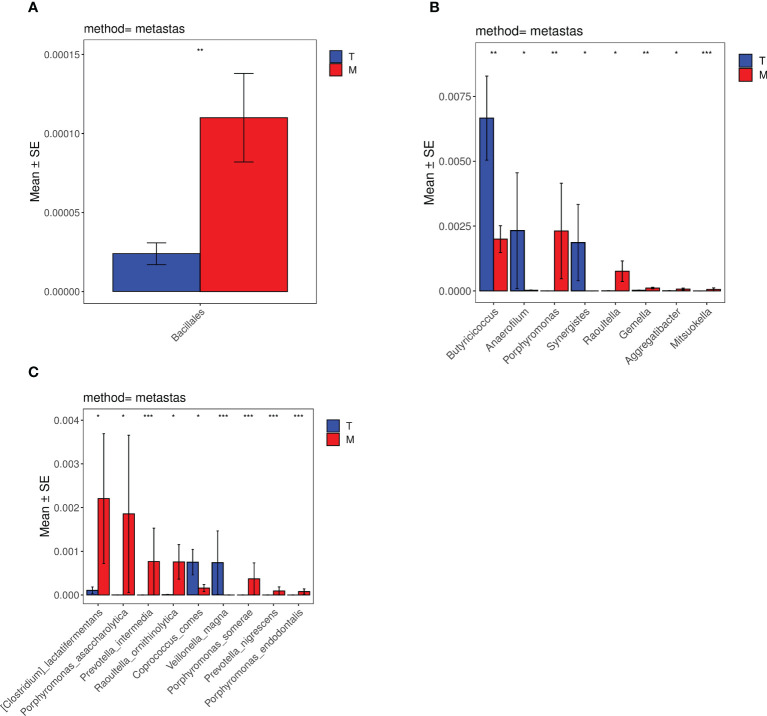
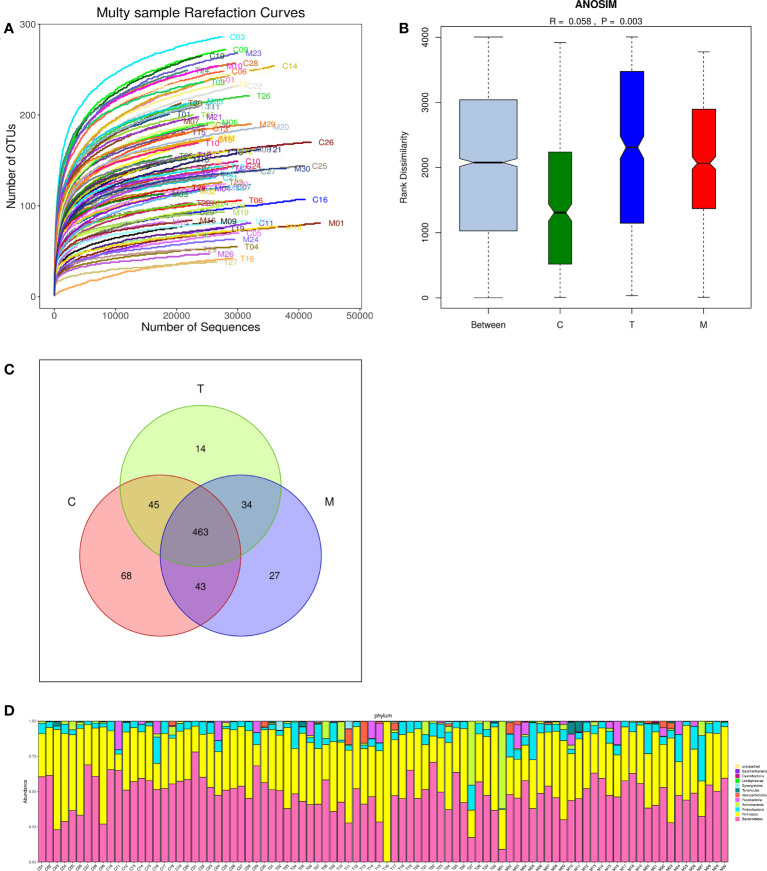
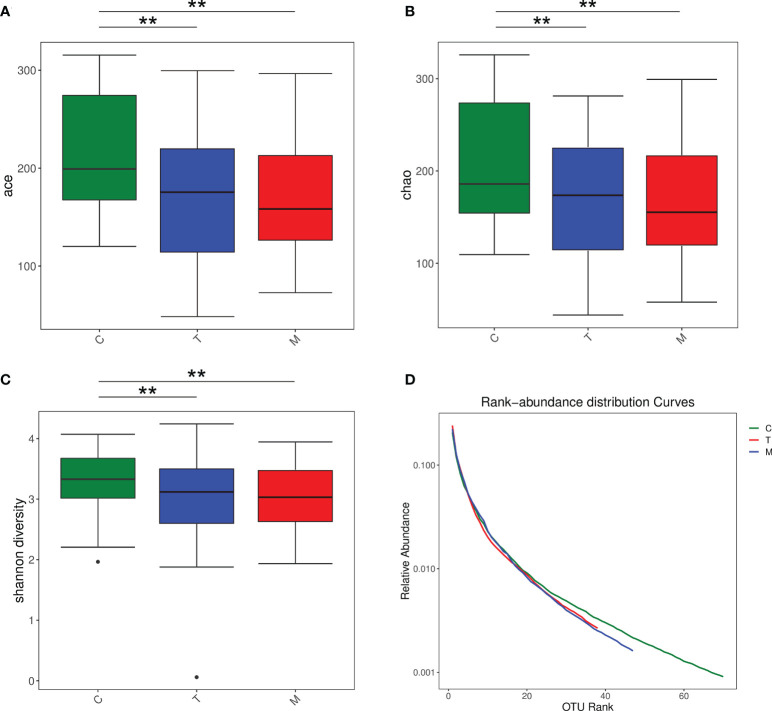
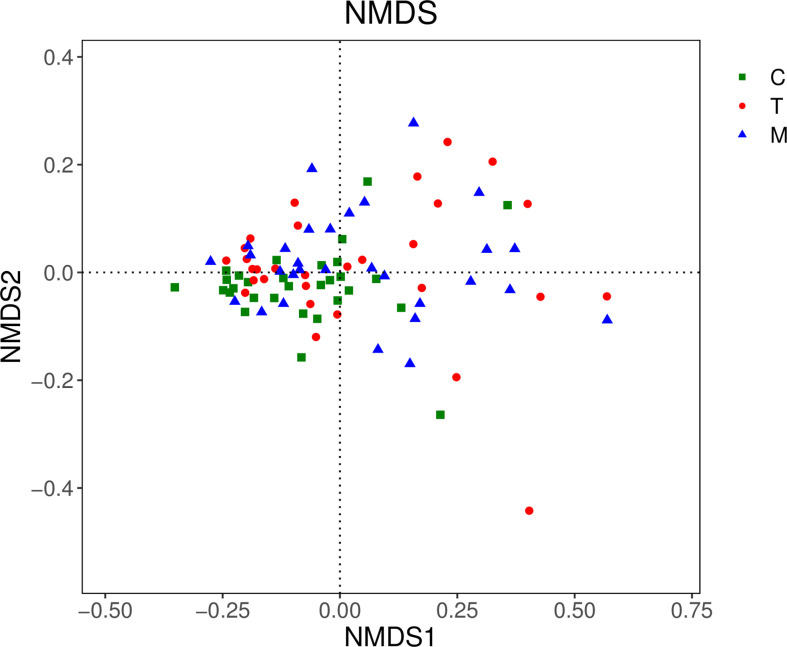
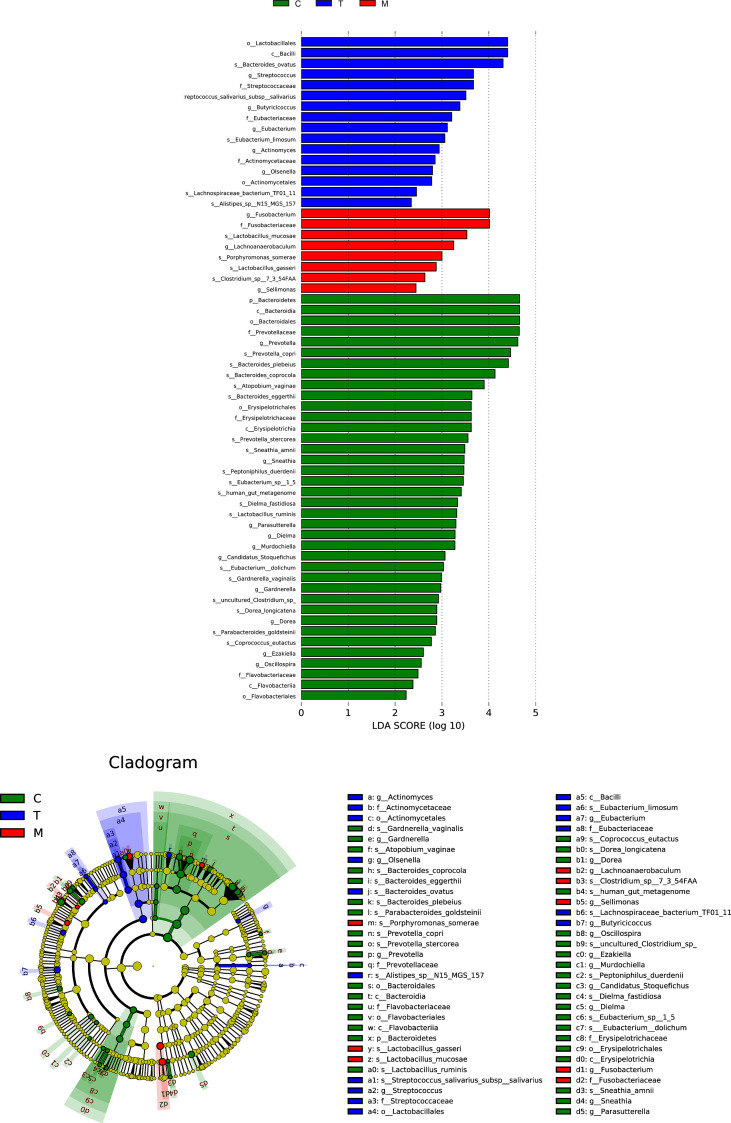
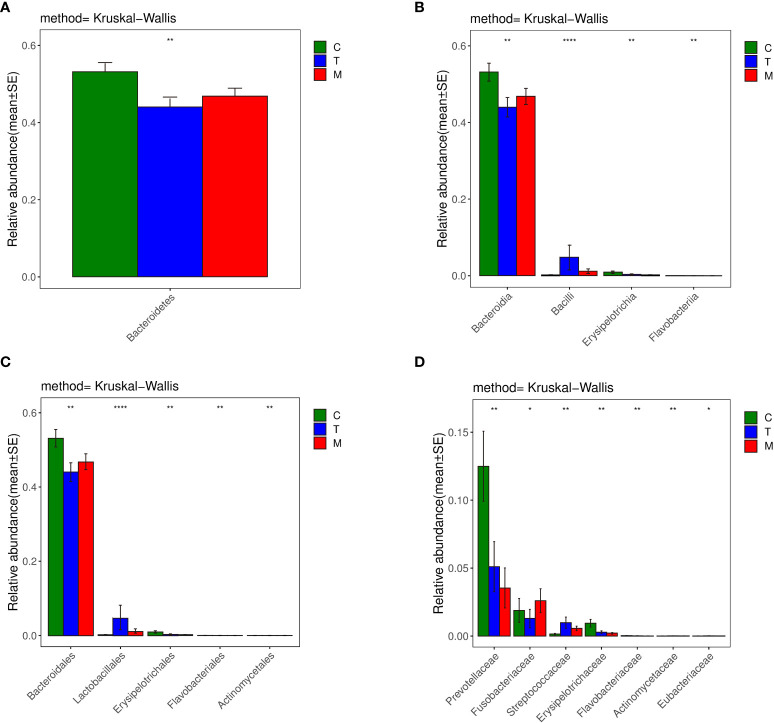
Metastasis of colorectal cancer is deemed to be closely related to the changes in the human gut microbiome. The purpose of our study is to distinguish the differences in gut microbiota between colorectal cancer with and without metastases. Firstly, this study recruited colorectal cancer patients who met the established inclusion and exclusion criteria in the Oncology Department of Zhejiang Hospital of Traditional Chinese Medicine from February 2019 to June 2019. Fresh stool samples from healthy volunteers, non-metastatic patients, and metastatic patients were collected for 16S rRNA gene sequencing, to analyze the diversity and abundance of intestinal microorganisms in each group. The results showed that the microbial composition of the control group was more aplenty than the experimental group, while the difference also happened in the Tumor and the metastases group. At the phylum level, the abundance of significantly declined in the Tumor and the metastases group, compared with the control group. At the class level, increased in experimental groups, while its abundance in the Tumor group was significantly higher than that in the metastases group. At the order level, the Tumor group had the highest abundance of , followed by the metastases group and the control group had the lowest abundance. Overall, our study showed that the composition of the flora changed with the occurrence of metastasis in colorectal cancer. Therefore, the analysis of gut microbiota can serve as a supplement biological basis for the diagnosis and treatment of metastatic colorectal cancer which may offer the potential to develop non-invasive diagnostic tests.
结直肠癌转移被认为与人体肠道微生物群的变化密切相关。我们研究的目的是区分有无转移的结直肠癌患者肠道微生物群的差异。首先,本研究招募了2019年2月至2019年6月在浙江省中医院肿瘤科符合既定纳入和排除标准的结直肠癌患者。收集健康志愿者、无转移患者和转移患者的新鲜粪便样本进行16S rRNA基因测序,以分析每组肠道微生物的多样性和丰度。结果显示,对照组的微生物组成比实验组更丰富,肿瘤组和转移组之间也存在差异。在门水平上,与对照组相比,肿瘤组和转移组中 的丰度显著下降。在纲水平上,实验组中 增加,而其在肿瘤组中的丰度显著高于转移组。在目水平上,肿瘤组中 的丰度最高,其次是转移组,对照组的丰度最低。总体而言,我们的研究表明,结直肠癌转移发生时菌群组成发生变化。因此,肠道微生物群分析可作为转移性结直肠癌诊断和治疗的补充生物学依据,这可能为开发非侵入性诊断测试提供潜力。