Patel Vrushank, Sadiq Muhammad S, Najeeb Shariq, Khurshid Zohaib, Zafar Muhammad S, Heboyan Artak
Department of Dentistry, Institute of Collaborative Dental Education & Research, Cambridge, Canada.
Department of Oral Pathology, Bahria University Medical & Dental College, Karachi City, Sindh, Pakistan.
J Taibah Univ Med Sci. 2022 Aug 4;18(1):196-206. doi: 10.1016/j.jtumed.2022.07.003. eCollection 2023 Feb.
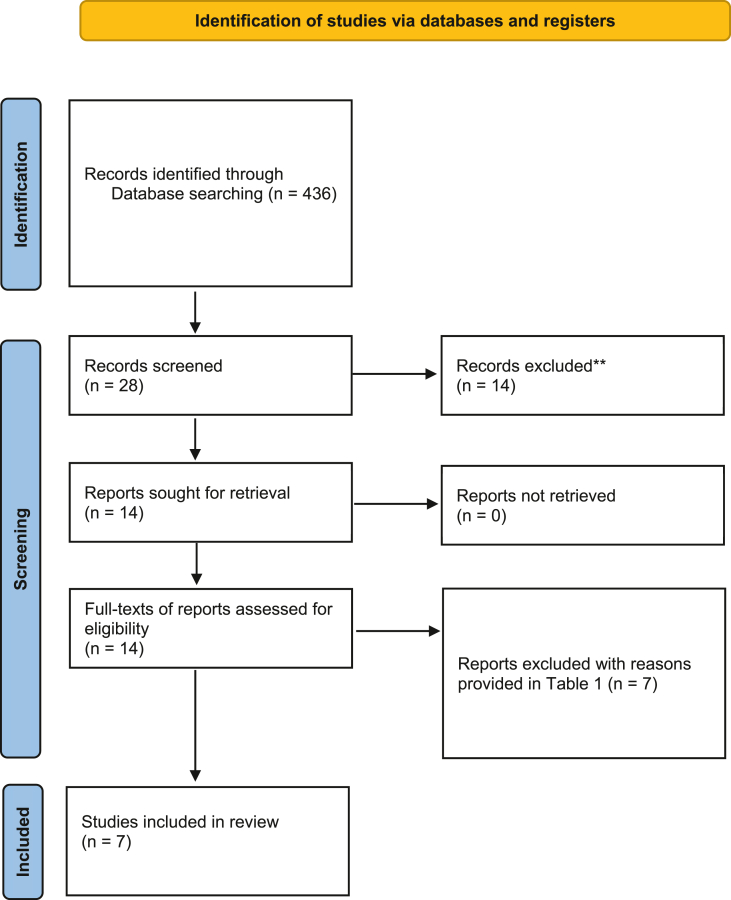
Dental implants are prosthetic devices that are surgically placed in direct contact with the jawbone to support intra-oral functions and esthetics. Diabetes mellitus may contribute to peri-implant bone loss. During the last few years, there have been attempts to reduce this bone loss and improve the survival rate of implants. Metformin, an anti-diabetic drug known for its osteogenic properties, is thought to prevent peri-implant bone loss in diabetic patients. Although several studies have been conducted to study metformin's effect on diabetic and non-diabetic study models, no systematic review has analyzed and summarized these studies critically. Therefore, the objectives of this systematic review were to summarize the outcomes of these studies and critically appraise them. Seven studies were included in this systematic review. Four studies used only animal models, two used both animal and cell culture models, and one used only cell culture studies. The general characteristics and outcomes of the included studies were summarized, and Animal Research: Reporting of In Vivo Experiments (ARRIVE) guidelines were used to assess the quality of the animal studies. In vitro studies indicate that metformin may induce stem cells to undergo osteoblastic differentiation to produce a higher amount of bone and may also improve osseointegration. Nevertheless, several studies had potential sources of bias. Therefore, it is recommended that emphasis be placed on increasing the quality of future animal studies and human trials to determine the effects of metformin on the osseointegration of dental implants. Future studies are needed with adequate follow-up to evaluate the efficacy of metformin in improving the osseointegration of dental implants.
牙种植体是通过手术植入与颌骨直接接触的修复装置,以支持口腔内功能和美观。糖尿病可能导致种植体周围骨丢失。在过去几年中,人们一直在尝试减少这种骨丢失并提高种植体的存活率。二甲双胍是一种以其成骨特性而闻名的抗糖尿病药物,被认为可以预防糖尿病患者的种植体周围骨丢失。尽管已经进行了几项研究来探讨二甲双胍对糖尿病和非糖尿病研究模型的影响,但尚未有系统评价对这些研究进行批判性分析和总结。因此,本系统评价的目的是总结这些研究的结果并对其进行批判性评价。本系统评价纳入了七项研究。四项研究仅使用动物模型,两项研究同时使用动物和细胞培养模型,一项研究仅使用细胞培养研究。总结了纳入研究的一般特征和结果,并使用《动物研究:体内实验报告规范》(ARRIVE)指南评估动物研究的质量。体外研究表明,二甲双胍可能诱导干细胞向成骨细胞分化,从而产生更多的骨组织,还可能改善骨整合。然而,几项研究存在潜在的偏倚来源。因此,建议重点提高未来动物研究和人体试验的质量,以确定二甲双胍对牙种植体骨整合的影响。需要进行有充分随访的未来研究,以评估二甲双胍在改善牙种植体骨整合方面的疗效。