Wu Yi-Han, Park Thomas I-H, Kwon Eryn, Feng Sheryl, Schweder Patrick, Dragunow Mike, Shim Vickie, Rosset Samuel
Auckland Bioengineering Institute, The University of Auckland, Auckland, New Zealand.
Centre for Brain Research, The University of Auckland, Auckland, New Zealand.
Front Neurosci. 2022 Nov 10;16:994251. doi: 10.3389/fnins.2022.994251. eCollection 2022.
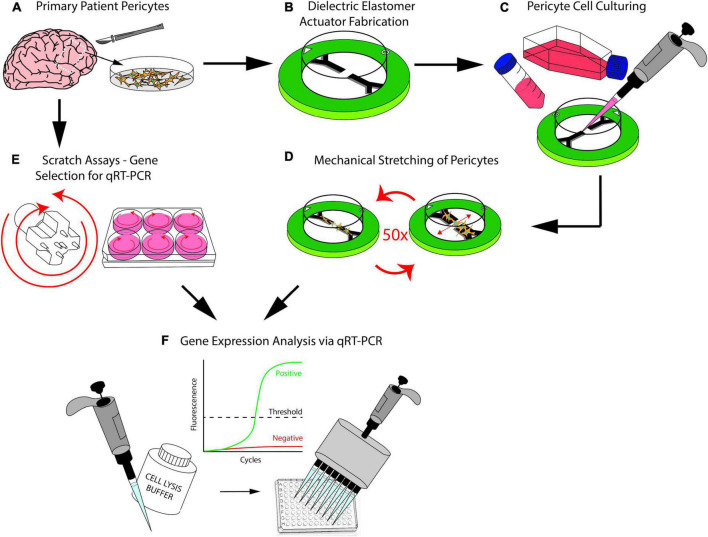
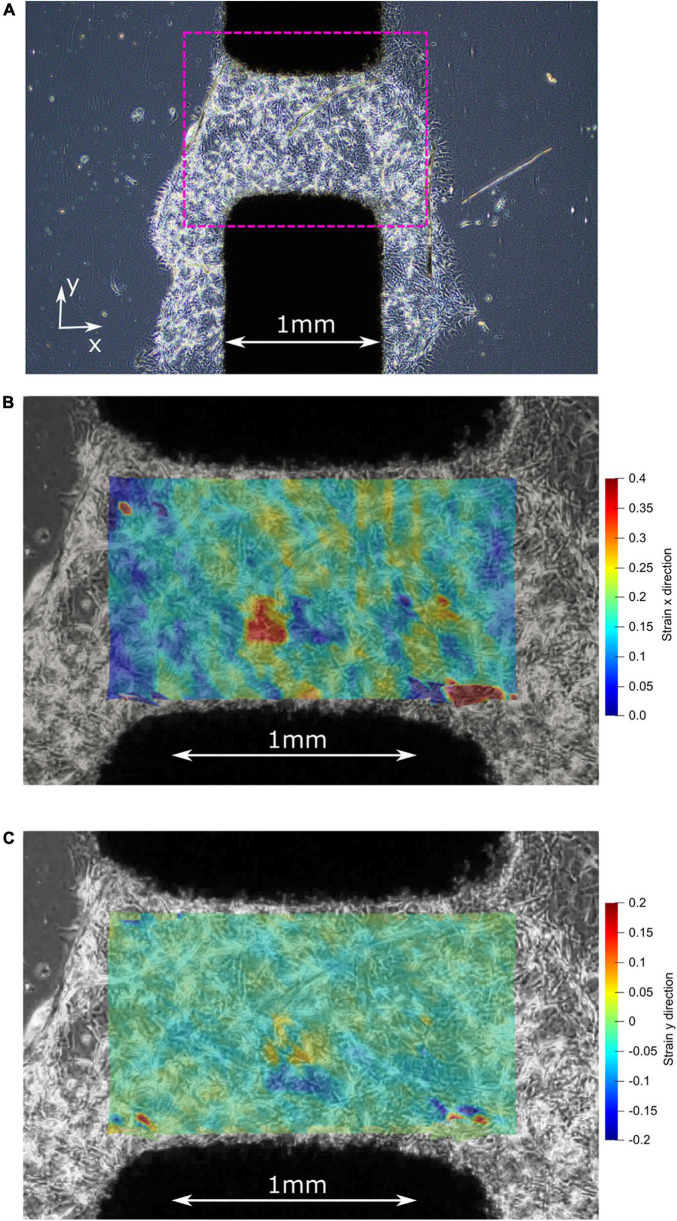
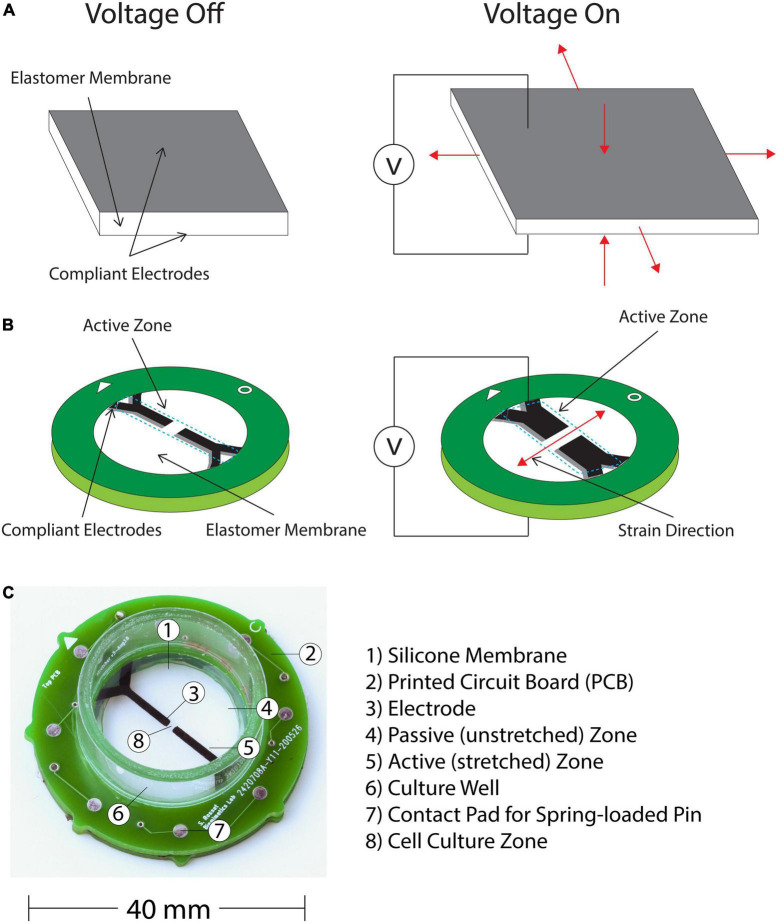
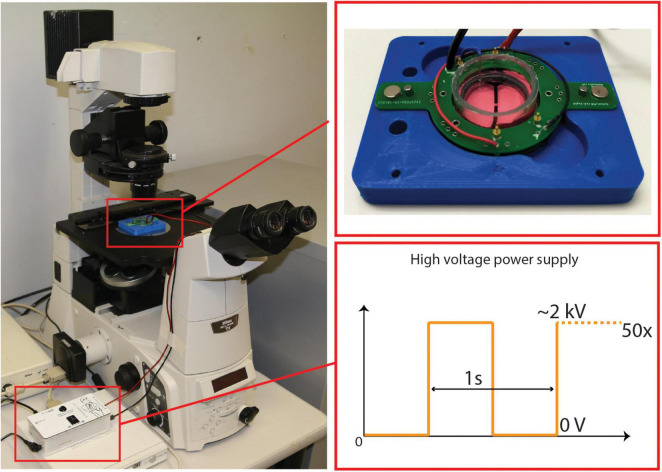
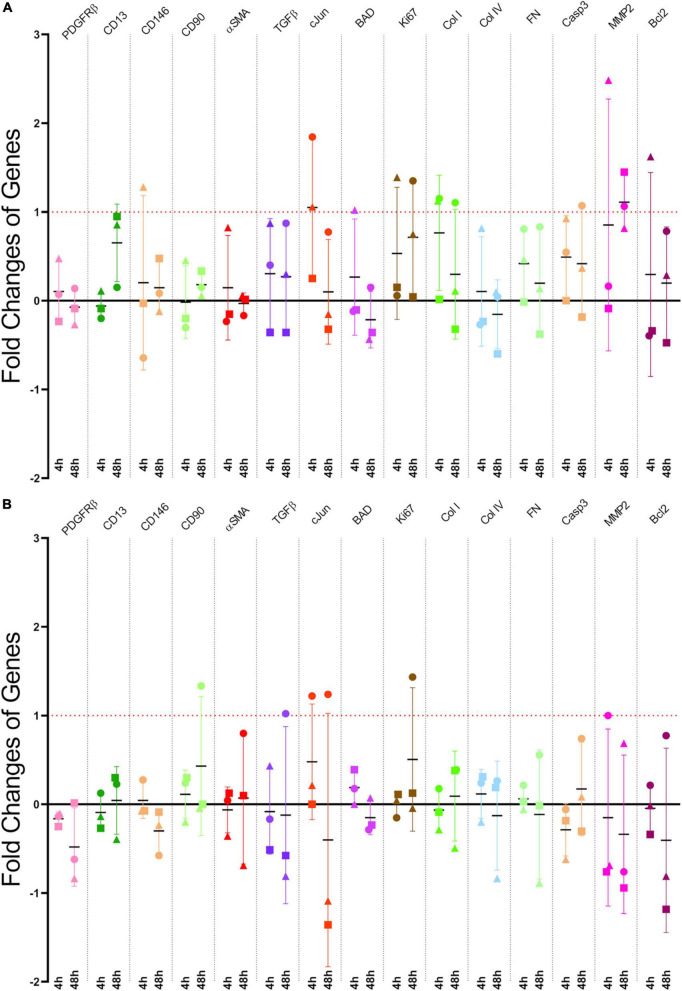
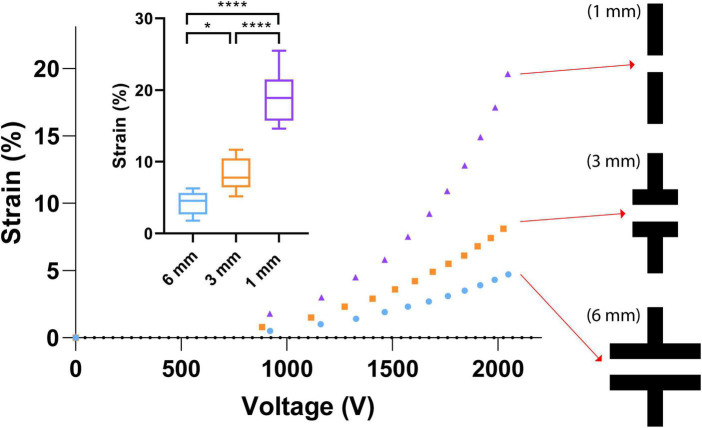
Traumatic brain injury (TBI) is defined as brain damage due to an external force that negatively impacts brain function. Up to 90% of all TBI are considered in the mild severity range (mTBI) but there is still no therapeutic solution available. Therefore, further understanding of the mTBI pathology is required. To assist with this understanding, we developed a cell injury device (CID) based on a dielectric elastomer actuator (DEA), which is capable of modeling mTBI via injuring cultured cells with mechanical stretching. Our injury model is the first to use patient-derived brain pericyte cells, which are ubiquitous cells in the brain involved in injury response. Pericytes were cultured in our CIDs and mechanically strained up to 40%, and by at least 20%, prior to gene expression analysis. Our injury model is a platform capable of culturing and stretching primary human brain pericytes. The heterogeneous response in gene expression changes in our result may suggest that the genes implicated in pathological changes after mTBI could be a patient-dependent response, but requires further validation. The results of this study demonstrate that our CID is a suitable tool for simulating mTBI as an stretch injury model, that is sensitive enough to induce responses from primary human brain pericytes due to mechanical impacts.
创伤性脑损伤(TBI)被定义为由于外力导致的脑损伤,这种外力会对脑功能产生负面影响。所有TBI中高达90%被认为属于轻度严重程度范围(mTBI),但目前仍没有可用的治疗方案。因此,需要进一步了解mTBI的病理。为了辅助这种理解,我们基于介电弹性体致动器(DEA)开发了一种细胞损伤装置(CID),它能够通过机械拉伸损伤培养的细胞来模拟mTBI。我们的损伤模型首次使用了源自患者的脑周细胞,这些细胞是大脑中参与损伤反应的普遍存在的细胞。在进行基因表达分析之前,将周细胞培养在我们的CID中,并进行高达40%、至少20%的机械拉伸。我们的损伤模型是一个能够培养和拉伸原代人脑海周细胞的平台。我们结果中基因表达变化的异质性反应可能表明,mTBI后涉及病理变化的基因可能是一种依赖于患者的反应,但这需要进一步验证。本研究结果表明,我们的CID作为一种拉伸损伤模型,是模拟mTBI的合适工具,它足够敏感,能够因机械冲击诱导原代人脑海周细胞产生反应。