Wieloch Nora, Klostermann Anneke, Kimmich Nina, Spörri Jörg, Scherr Johannes
University Centre for Prevention and Sports Medicine, Department of Orthopaedics, Balgrist University Hospital, University of Zurich, Zurich, Switzerland.
Sports Medical Research Group, Department of Orthopaedics, Balgrist University Hospital, University of Zurich, Zurich, Switzerland.
BMJ Open Sport Exerc Med. 2022 Nov 25;8(4):e001395. doi: 10.1136/bmjsem-2022-001395. eCollection 2022.
To analyse the available evidence and identify gaps in current knowledge regarding physical activity volume and intensity and their effects on pregnancy outcomes in female athletes.
Scoping review.
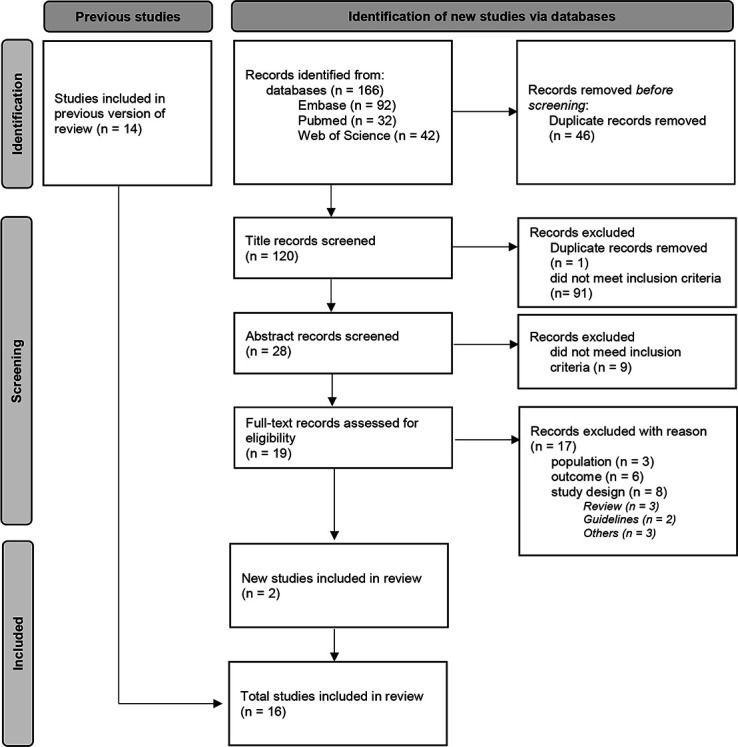
A structured literature search of three electronic databases (Embase, PubMed and Web of Science) was conducted on 25 February 2022, and a rerun search was conducted on 8 September 2022.
Studies were eligible if they contained information on the relevant population (ie, elite or competitive amateur female athletes), intervention/exposure (ie, minimum of 10 hours of sport per week) and fetal and maternal outcomes. Eligible comparators included female recreational athletes and pregnant non-exercisers.
The risk of bias was evaluated with the National Institutes of Health (National Heart, Lung and Blood Institute) quality assessment tool.
The results revealed a discrepancy between the number of original research papers and the number of reviews and recommendations derived from them. The identified studies focused primarily on pregnant recreational athletes. Sixteen clinical studies met the inclusion criteria. No adverse effects on maternal or fetal outcomes were reported. Only during performance tests involving acute intensive exercise with the mother exercising at more than 90% of her maximal heart rate did some fetuses experience decelerations in heart rate.
SUMMARY/CONCLUSION: A lack of high-quality studies and direct evidence on pregnant elite and competitive amateur female athletes is evident. Further prospective observational cohort studies are needed using new monitoring methods (eg, non-invasive, wireless monitoring systems) aiming to gain a broader understanding of the stress tolerance of pregnant athletes and fetuses during exercise. Following that, interventional studies with stress tests in laboratory settings should be conducted. Therefore, technology plays a decisive role in gaining new knowledge and providing evidence-based recommendations on this topic.
CRD42022309541.
分析现有证据,找出当前关于女运动员身体活动量和强度及其对妊娠结局影响的知识空白。
范围综述。
于2022年2月25日对三个电子数据库(Embase、PubMed和Web of Science)进行了结构化文献检索,并于2022年9月8日进行了重新检索。
如果研究包含有关相关人群(即精英或有竞争力的业余女运动员)、干预/暴露(即每周至少10小时运动)以及胎儿和母亲结局的信息,则该研究符合要求。符合条件的对照包括女性休闲运动员和怀孕但不运动的女性。
使用美国国立卫生研究院(国家心肺血液研究所)质量评估工具评估偏倚风险。
结果显示原创研究论文数量与从中得出的综述和建议数量之间存在差异。已确定的研究主要集中在怀孕的休闲运动员身上。十六项临床研究符合纳入标准。未报告对母亲或胎儿结局有不良影响。仅在涉及母亲以超过其最大心率90%进行急性高强度运动的性能测试期间,一些胎儿出现了心率减速。
总结/结论:显然缺乏关于怀孕精英和有竞争力的业余女运动员的高质量研究和直接证据。需要使用新的监测方法(例如非侵入性无线监测系统)进行进一步的前瞻性观察队列研究,以更全面地了解怀孕运动员和胎儿在运动期间的应激耐受性。在此之后,应在实验室环境中进行有压力测试的干预性研究。因此,技术在获取新知识和提供关于该主题的循证建议方面起着决定性作用。
PROSPERO注册号:CRD4202230954