Research Center for Molecular Biotechnology and Bioinformatics, Universitas Padjadjaran, Bandung 40133, Indonesia.
Lab-on-Chip Group, Biomedical Engineering Department, Institute of Technology, Bandung 40132, Indonesia.
Biosensors (Basel). 2022 Dec 6;12(12):1133. doi: 10.3390/bios12121133.
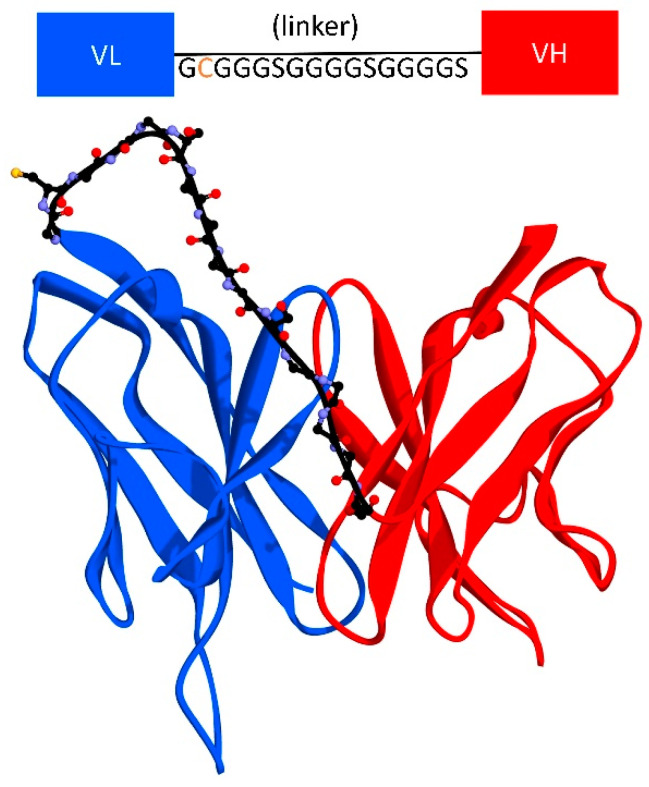
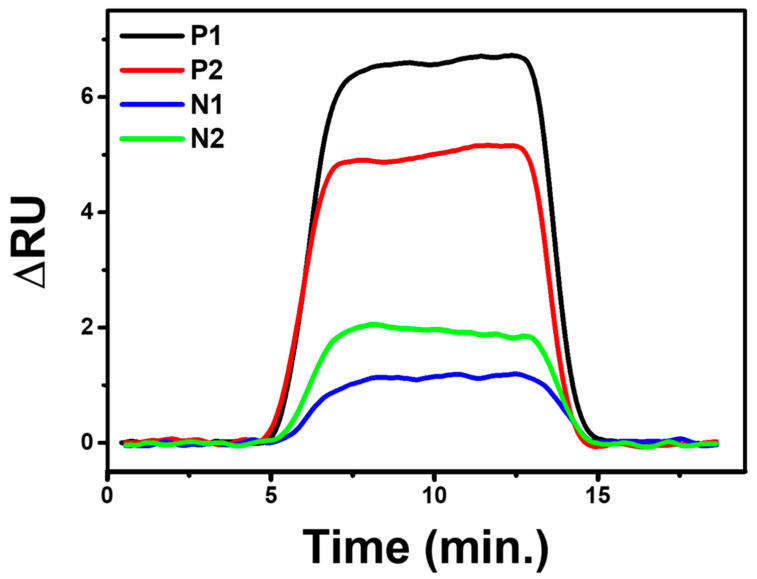
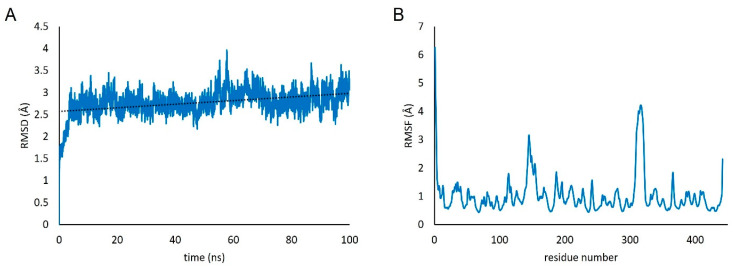
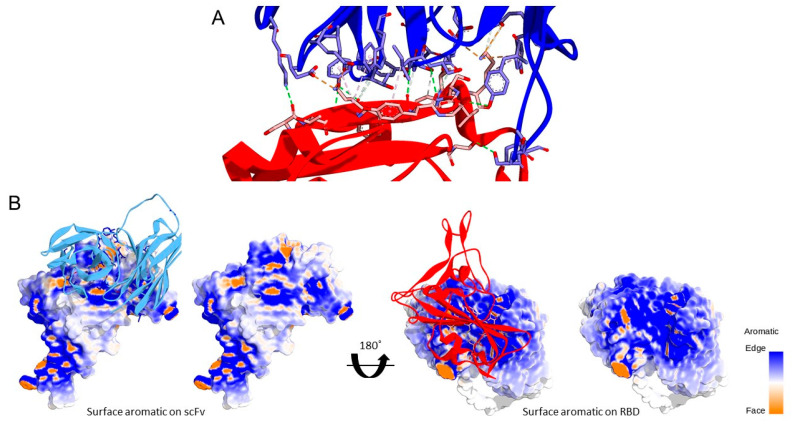
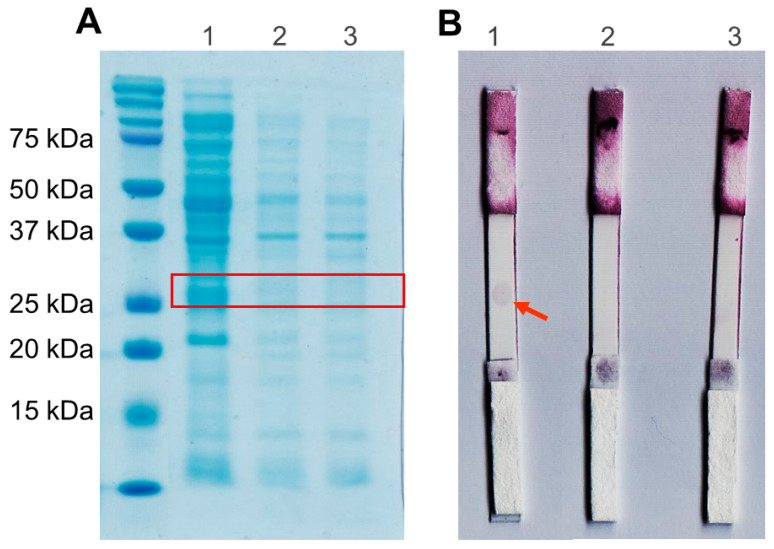
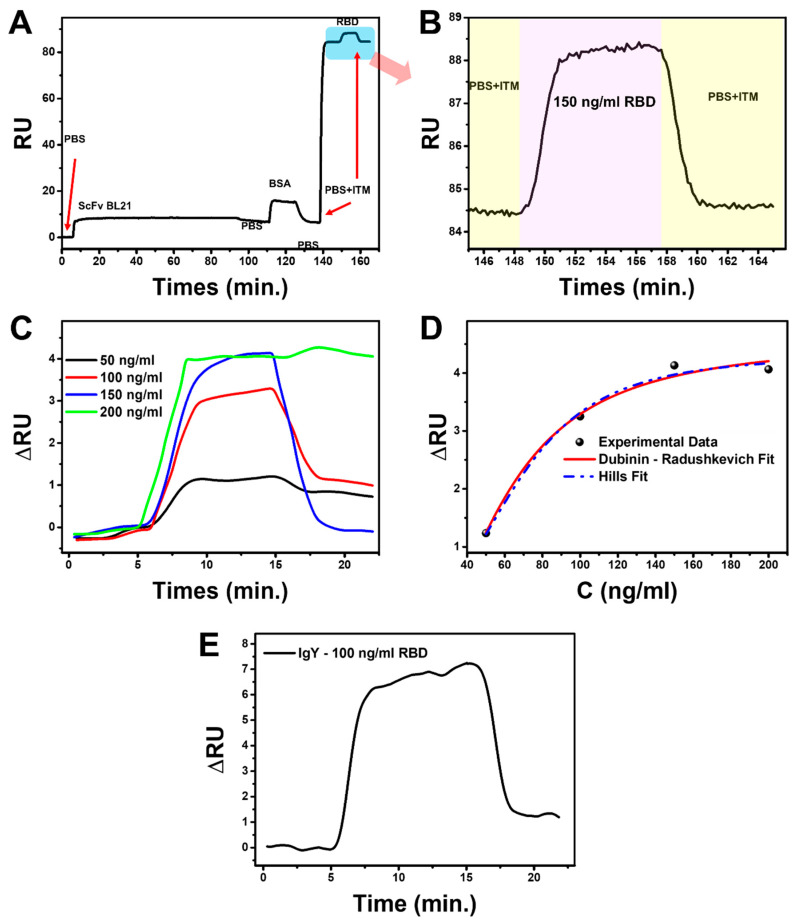
Two years after SARS-CoV-2 caused the first case of COVID-19, we are now in the "new normal" period, where people's activity has bounced back, followed by the easing of travel policy restrictions. The lesson learned is that the wide availability of accurate and rapid testing procedures is crucial to overcome possible outbreaks in the future. Therefore, many laboratories worldwide have been racing to develop a new point-of-care diagnostic test. To aid continuous innovation, we developed a plasmonic-based biosensor designed explicitly for portable Surface Plasmon Resonance (SPR). In this study, we designed a single chain variable fragment (scFv) from the CR3022 antibody with a particular linker that inserted a cysteine residue at the second position. It caused the linker to have a strong affinity to the gold surface through thiol-coupling and possibly become a ready-to-use bioreceptor toward a portable SPR gold chip without purification steps. The theoretical affinity of this scFv on spike protein was -64.7 kcal/mol, computed using the Molecular Mechanics Generalized Born Surface Area (MM/GBSA) method from the 100 ns molecular dynamics trajectory. Furthermore, the scFv was produced in BL21 (DE3) as a soluble protein. The binding activity toward Spike Receptor Binding Domain (RBD) SARS-CoV-2 was confirmed with a spot-test, and the experimental binding free energy of -10.82 kcal/mol was determined using portable SPR spectroscopy. We hope this study will be useful in designing specific and low-cost bioreceptors, particularly early in an outbreak when the information on antibody capture is still limited.
SARS-CoV-2 引发首例 COVID-19 两年后,我们现在处于“新常态”时期,人们的活动已经反弹,随后旅行政策限制放宽。吸取的教训是,广泛提供准确和快速的检测程序对于克服未来可能的疫情爆发至关重要。因此,全球许多实验室一直在竞相开发新的即时诊断测试。为了帮助持续创新,我们开发了一种基于等离子体的生物传感器,专门用于便携式表面等离子体共振(SPR)。在这项研究中,我们设计了一种来自 CR3022 抗体的单链可变片段(scFv),该抗体具有特定的接头,在第二个位置插入了一个半胱氨酸残基。它通过硫醇偶联使接头与金表面具有很强的亲和力,并可能成为一种无需纯化步骤即可用于便携式 SPR 金芯片的即用型生物受体。使用 100ns 分子动力学轨迹的分子力学广义 Born 表面积(MM/GBSA)方法计算出该 scFv 对 Spike 蛋白的理论亲和力为-64.7kcal/mol。此外,scFv 在 BL21(DE3)中作为可溶性蛋白产生。通过斑点试验证实了 scFv 对 Spike 受体结合域(RBD)SARS-CoV-2 的结合活性,使用便携式 SPR 光谱法确定了-10.82kcal/mol 的实验结合自由能。我们希望这项研究将有助于设计特异性和低成本的生物受体,特别是在爆发初期,抗体捕获的信息仍然有限时。