Salamatullah Ahmad Mohammad
Department of Food Science & Nutrition, College of Food and Agricultural Sciences, King Saud University, 11 P.O. Box 2460, Riyadh 11451, Saudi Arabia.
Life (Basel). 2022 Dec 19;12(12):2138. doi: 10.3390/life12122138.
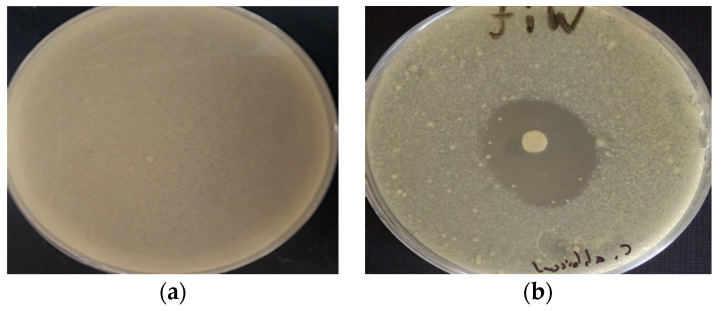
is a medicinal plant in the family Convolvulaceae, which is used in traditional phytotherapy. The objective of this work was conducted to valorize essential oils of (EOCA) in terms of chemical composition, antioxidant, and antibacterial properties. To achieve this objective, the chemical composition was performed by the use of GC-SM. Antioxidant power was effectuated by the use of DPPH, FRAP, and TAC assays. Evaluation of the antimicrobial power was conducted against clinically important pathogenic bacteria ( and ) and fungi ( and ) by the use of disc diffusion and minimum inhibitory concentrations (MICs) assays. The results showed that the yield of recovered EOs from was 0.34% of the total mass of leaves and mainly was rich in cuprenne (34%), thymol (20%), himachalene (16%), and longifolene (10%). Notably, EOCA exhibited important antioxidant effects, wherein IC (DPPH) and EC (FRAP) were determined to be 30 µg/mL and 120 µg/mL, respectively, while the total antioxidant power was determined to be 508.0 ± 6.0 µg EAA/mg. An important antibacterial effect was noted for EOCA as an excellent inhibition zone was recorded against all bacterial strains, particularly and with 14.27 ± 0.42 and 21.35 ± 0.76 mm, respectively. Similarly, MICs of and were 21.35 ± 0.76 mm and 28.62 ± 1.65 µg/mL, respectively. Noticeably, important antifungal activity was shown by EOCA against all fungal strains wherein the inhibition zone diameters against all fungal species ranged from 19.44 ± 1.10 to 20.41 ± 1.81 mm. Notably, MICs of EOCA against and were 18.65 ± 0.94 and 19.38 ± 0.58 g/mL, respectively. The outcome of the present work showed that EOs from can be used to conceptualize drugs to manage diseases relative to free radicals and infections.
是旋花科的一种药用植物,用于传统植物疗法。本研究旨在从化学成分、抗氧化和抗菌特性方面评估[植物名称]的精油(EOCA)。为实现这一目标,通过气相色谱 - 质谱联用(GC - SM)分析化学成分。利用二苯基苦味酰基自由基(DPPH)、铁离子还原抗氧化能力(FRAP)和总抗氧化能力(TAC)测定法评估抗氧化能力。通过纸片扩散法和最低抑菌浓度(MICs)测定法对临床上重要的病原菌([细菌名称1]和[细菌名称2])及真菌([真菌名称1]和[真菌名称2])进行抗菌能力评估。结果表明,从[植物名称]中回收的精油产量为叶片总质量的0.34%,主要富含库普烯(34%)、百里香酚(20%)、喜马烯(16%)和长叶烯(10%)。值得注意的是,EOCA表现出重要的抗氧化作用,其中二苯基苦味酰基自由基清除能力(DPPH)的半数抑制浓度(IC)和铁离子还原抗氧化能力(FRAP)的有效浓度(EC)分别测定为30 µg/mL和120 µg/mL,而总抗氧化能力测定为508.0 ± 6.0 µg 当量抗氧化剂/毫克。EOCA对所有细菌菌株均表现出重要的抗菌作用,记录到对所有细菌菌株的抑菌圈都很明显,特别是对[细菌名称1]和[细菌名称2],抑菌圈直径分别为14.27 ± 0.42和21.35 ± 0.76毫米。同样,[细菌名称1]和[细菌名称2]的最低抑菌浓度分别为21. Z35 ± 0.76毫米和28.62 ± 1.65 µg/mL。明显地,EOCA对所有真菌菌株均表现出重要的抗真菌活性,对所有真菌种类的抑菌圈直径范围为19.44 ± 1.10至20.41 ± 1.81毫米。值得注意的是,EOCA对[真菌名称1]和[真菌名称2]的最低抑菌浓度分别为18.65 ± 0.94和19.38 ± 0.58 g/mL。本研究结果表明,[植物名称]的精油可用于构思治疗与自由基和感染相关疾病的药物。