Eliopoulos Aristides G, Angelis Apostolis, Liakakou Anastasia, Skaltsounis Leandros A
Department of Biology, School of Medicine, National and Kapodistrian University of Athens, 11527 Athens, Greece.
Center of Basic Research, Biomedical Research Foundation of the Academy of Athens, 11527 Athens, Greece.
Pharmaceuticals (Basel). 2022 Dec 5;15(12):1513. doi: 10.3390/ph15121513.
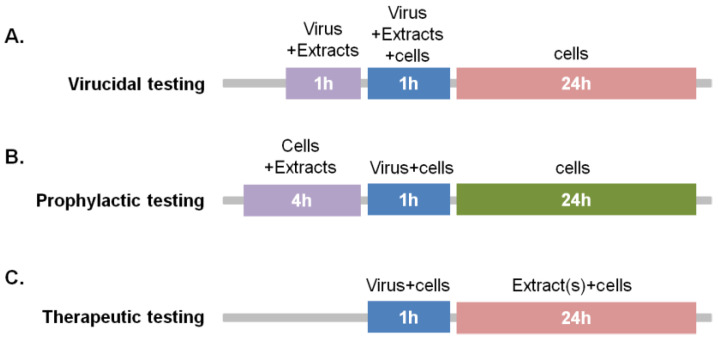
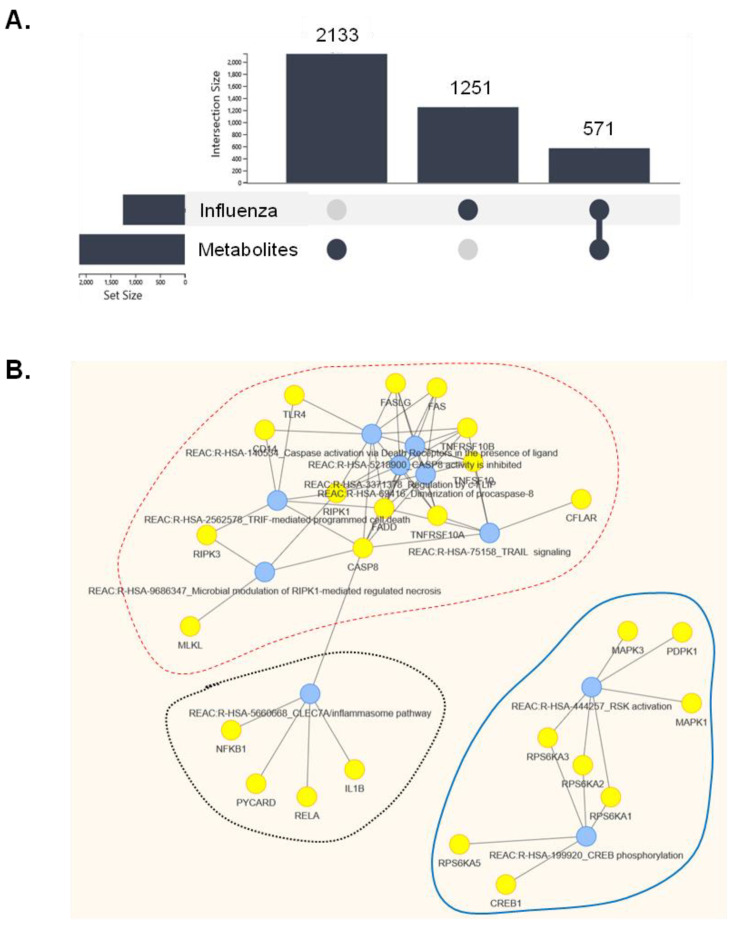
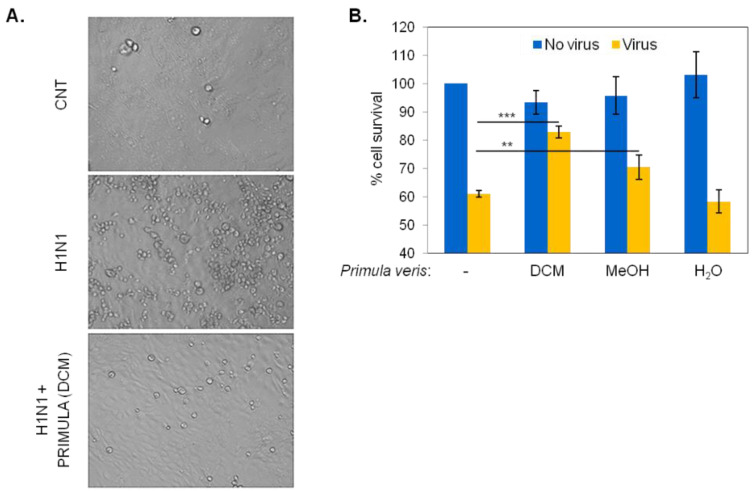
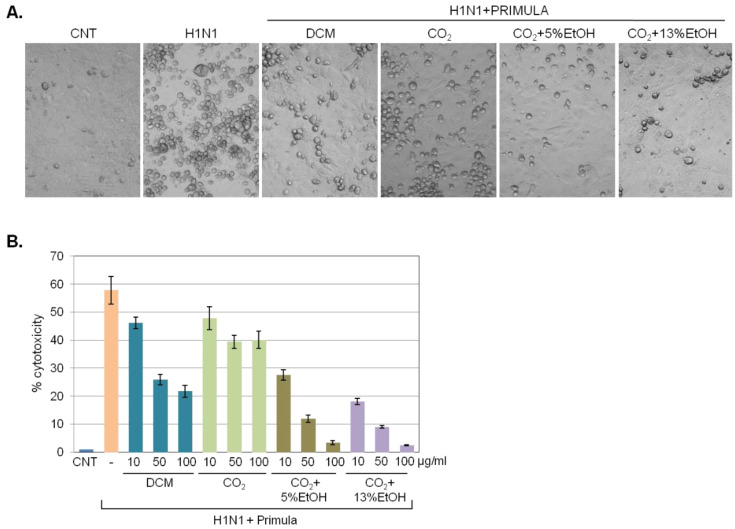
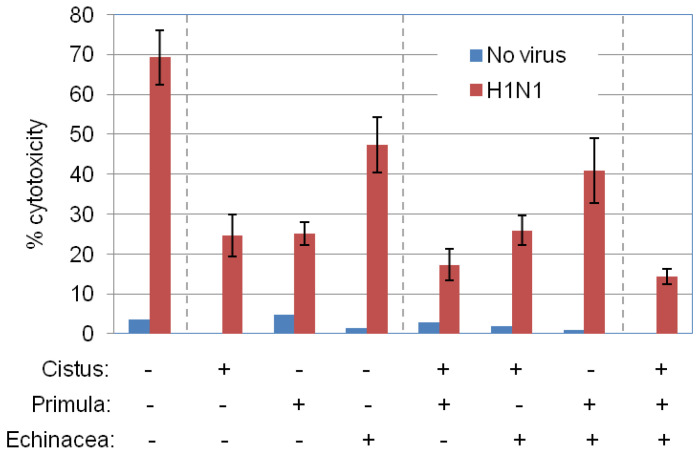
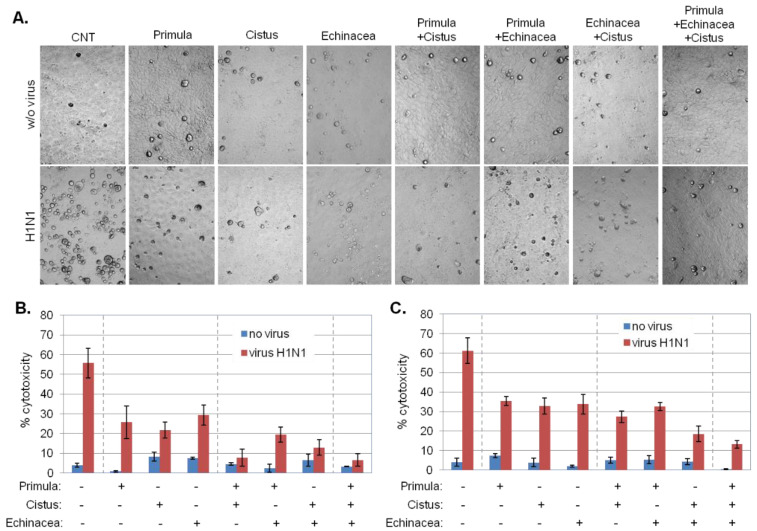
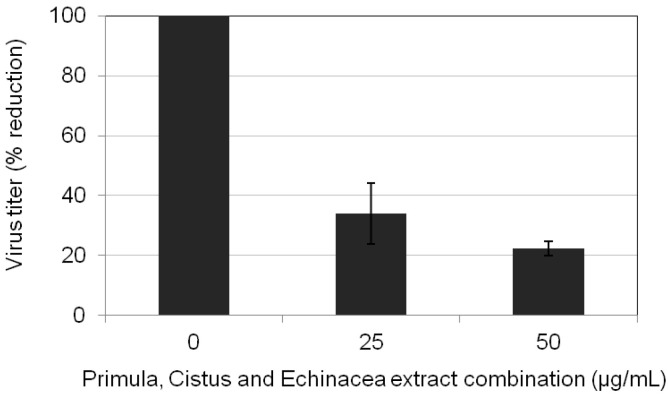
Medicinal plants have long been recognized as a tremendous source of candidate compounds for the development of pharmaceuticals, including anti-viral agents. Herein, we report the identification of anti-influenza virus activity in non-polar L. subsp. extracts. We show that subsp. flower extracts, obtained using supercritical fluid or ultrasound-based extraction, possess virucidal/virus inactivation properties and confer prophylactic and therapeutic effects against influenza virus-induced cytolysis in vitro. By GC-MS and UPLC-HRMS analysis of non-polar subsp. extracts we identified terpenes, flavones, tocopherols, and other classes of phytochemicals with known or putative anti-influenza properties. In silico prediction of cellular functions and molecular pathways affected by these phytochemicals suggests putative effects on signal transduction, inflammasome, and cell death pathways that are relevant to influenza virus pathogenesis. Combining subsp. with extracts of medicinal plants with proven anti-influenza activity such as (L.) Moench and L. subsp. achieves an impressive protective effect against infection by influenza virus H1N1 in vitro and reduced progeny virus production by infected cells. Collectively, these findings uncover a previously uncharted biological property of non-polar flower extracts that warrants further studies to assess clinical efficacy.
药用植物长期以来一直被认为是开发药物(包括抗病毒药物)的候选化合物的巨大来源。在此,我们报告了在非极性的L. subsp.提取物中鉴定出抗流感病毒活性。我们表明,使用超临界流体或基于超声的提取方法获得的subsp.花提取物具有杀病毒/病毒灭活特性,并在体外对流感病毒诱导的细胞溶解具有预防和治疗作用。通过对非极性subsp.提取物的气相色谱-质谱联用(GC-MS)和超高效液相色谱-高分辨质谱联用(UPLC-HRMS)分析,我们鉴定出了具有已知或推定抗流感特性的萜类、黄酮类、生育酚类和其他类别的植物化学物质。对受这些植物化学物质影响的细胞功能和分子途径的计算机模拟预测表明,它们对与流感病毒发病机制相关的信号转导、炎性小体和细胞死亡途径具有推定作用。将subsp.与具有已证实的抗流感活性的药用植物提取物(如(L.) Moench和L. subsp.)相结合,在体外对甲型H1N1流感病毒感染具有令人印象深刻的保护作用,并减少了受感染细胞产生的子代病毒。总的来说,这些发现揭示了非极性花提取物以前未被探索的生物学特性,值得进一步研究以评估其临床疗效。