Department of Medical Imaging, 6034Radboud University Medical Center, Nijmegen, the Netherlands.
Department of Robotics and Mechatronics, 3230University of Twente, Enschede, the Netherlands.
Technol Cancer Res Treat. 2023 Jan-Dec;22:15330338221125003. doi: 10.1177/15330338221125003.
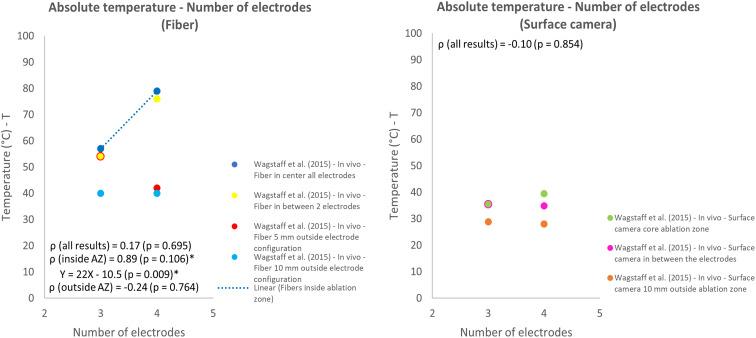
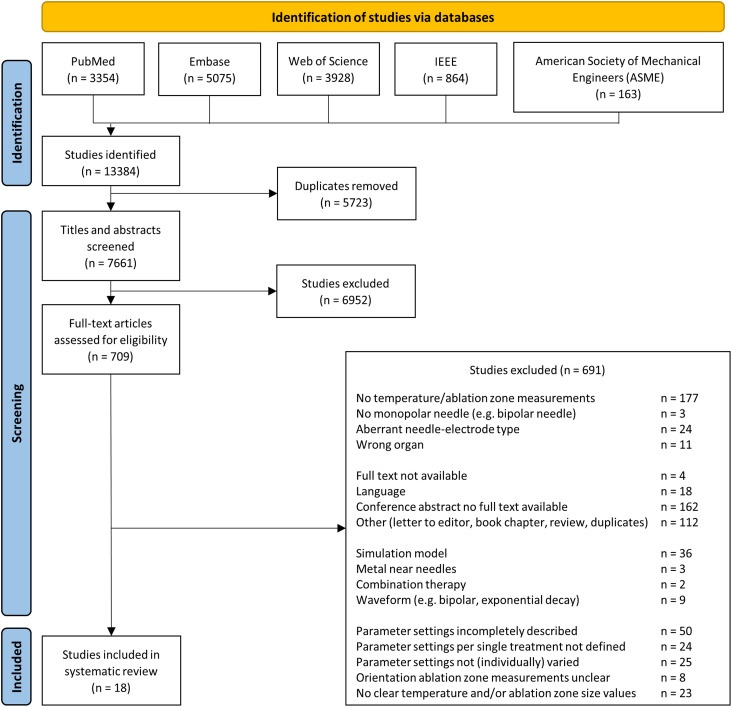
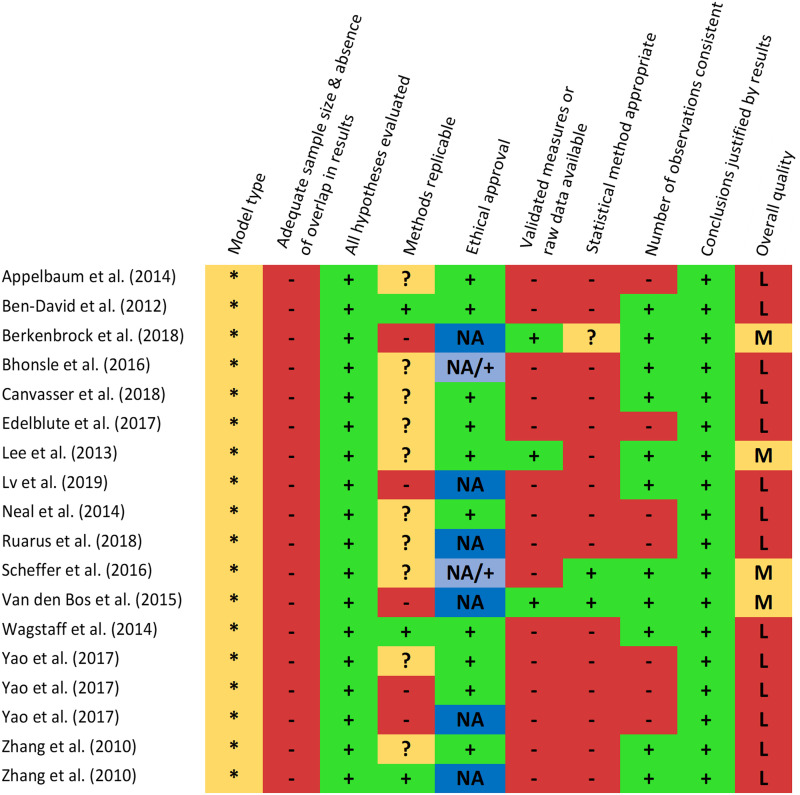
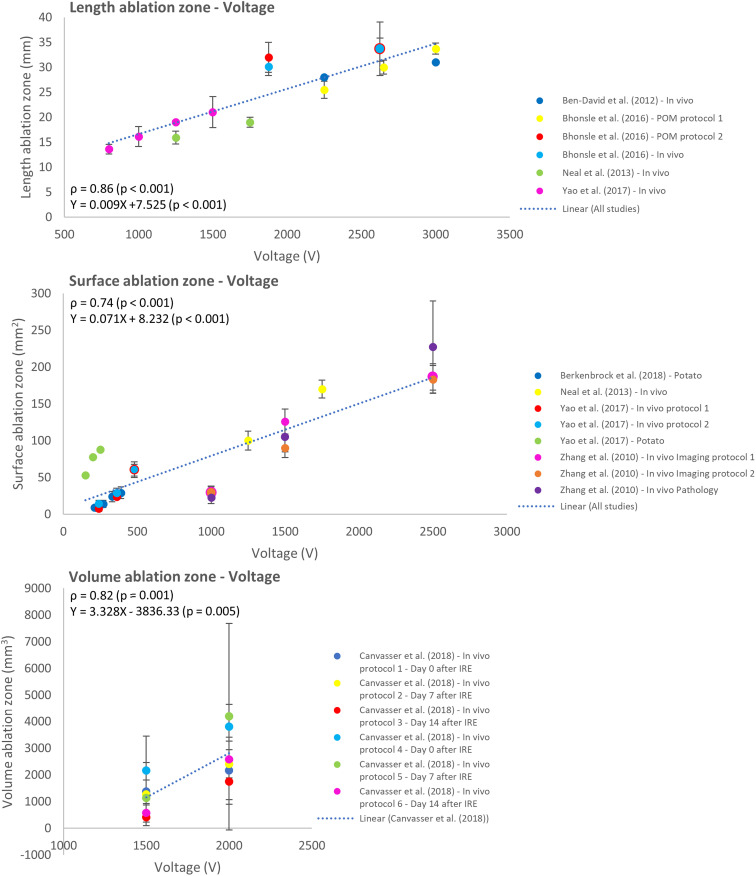
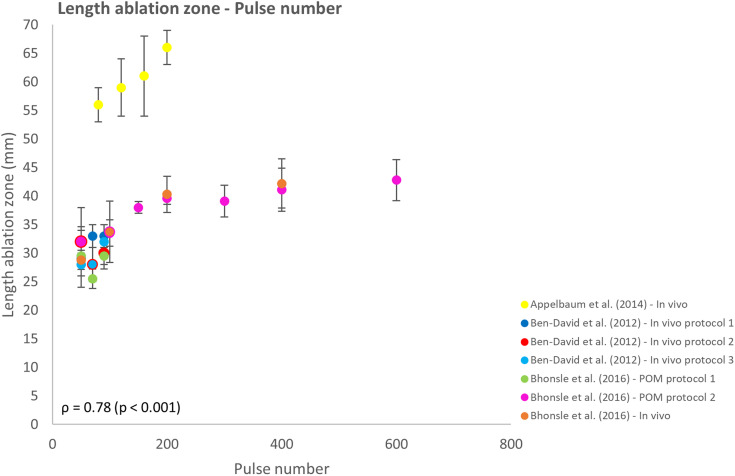
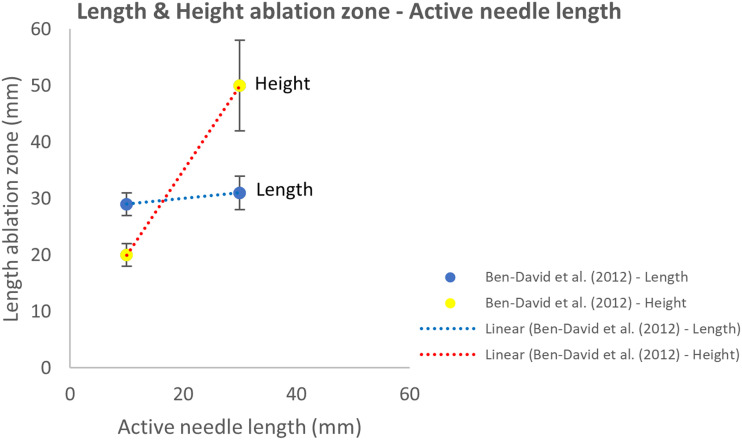
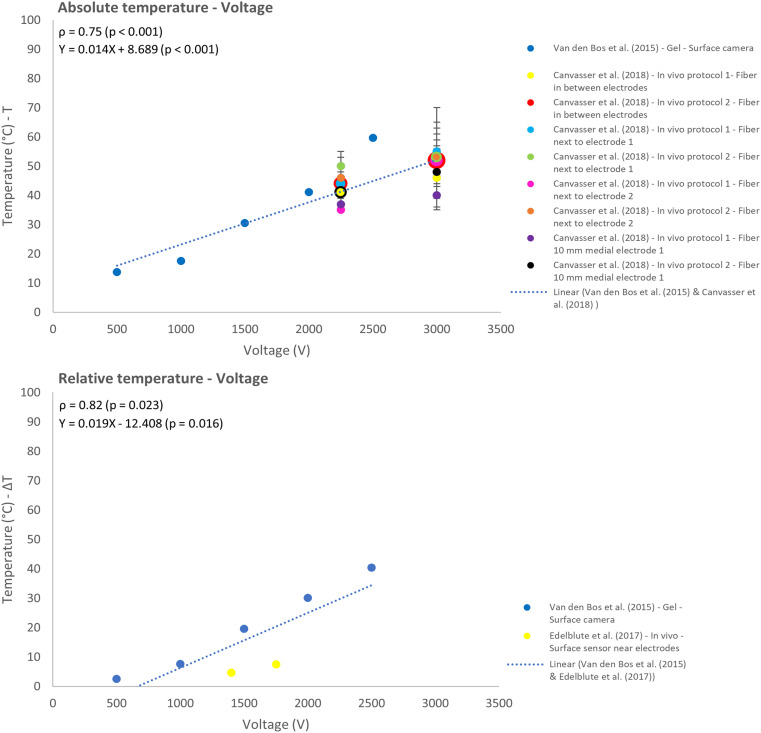
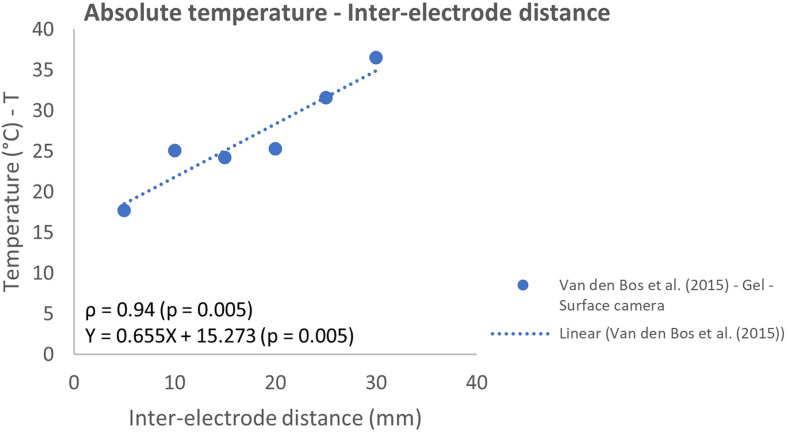
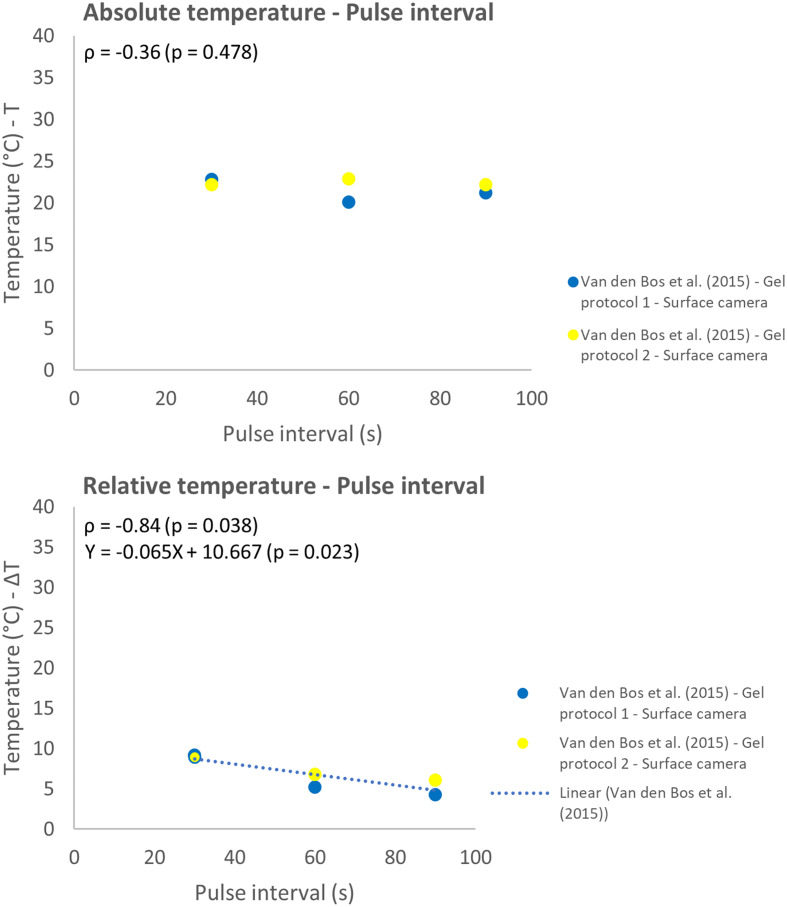
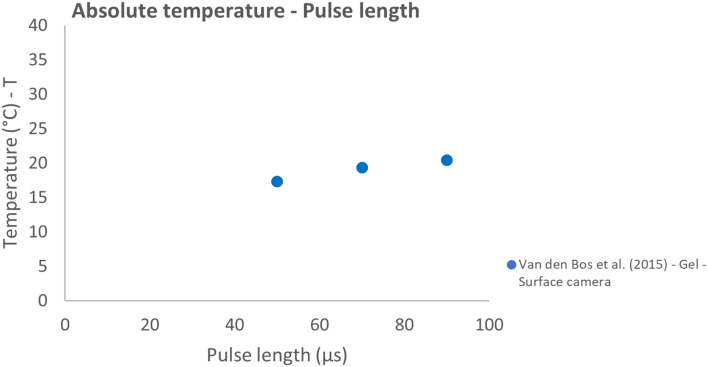
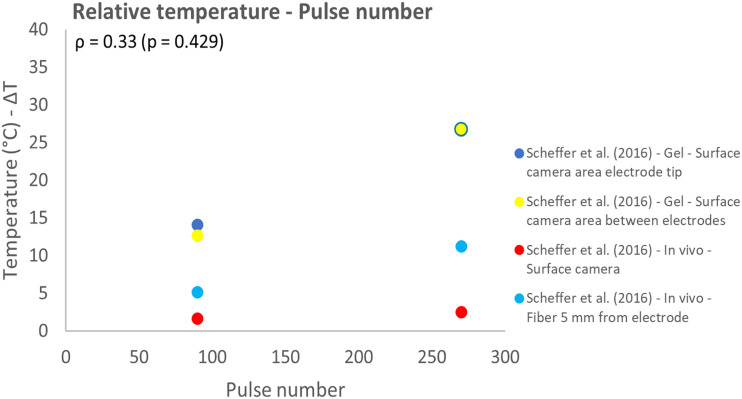
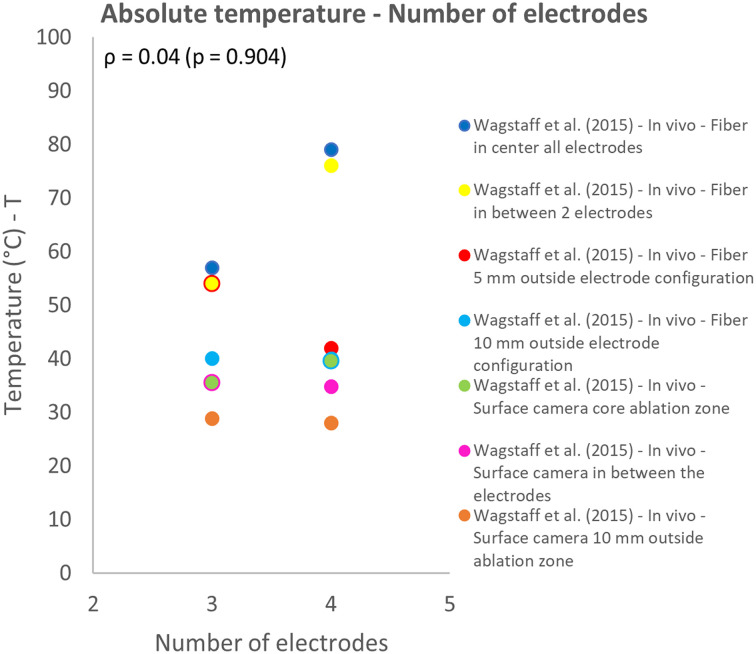
The aim of this study was to review the effect of irreversible electroporation parameter settings on the size of the ablation zone and the occurrence of thermal effects. This insight would help to optimize treatment protocols and effectively ablate a tumor while controlling the occurrence of thermal effects. Various individual studies report the influence of variation in electroporation parameters on the ablation zone size or occurrence of thermal effects. However, no connections have yet been established between these studies. With the aim of closing the gap in the understanding of and personalizing irreversible electroporation parameter settings, a systematic review was performed according to the Preferred Reporting Items for Systematic Reviews and Meta-Analyses guidelines. A quality assessment was performed using an in-house developed grading tool based on components of commonly used grading domains. Data on the electroporation parameters voltage, number of electrodes, inter-electrode distance, active needle length, pulse length/number/protocol/frequency, and pulse interval were extracted. Ablation zone size and temperature data were grouped per parameter. Spearman correlation and linear regression were used to define the correlation with outcome measures. A total of 7661 articles were screened, of which 18 preclinical studies (animal and phantom studies) met the inclusion criteria. These studies were graded as moderate (4/18) and low (14/18) quality. Only the applied voltage appeared to be a significant linear predictor of ablation zone size: length, surface, and volume. The pulse number was moderately but nonlinearly correlated with the ablation zone length. Thermal effects were more likely to occur for higher voltages (≥2000 V), higher number of electrodes, and increased active needle length. Firm conclusions are limited since studies that investigated and precisely reported the influence of electroporation parameters on the ablation zone size and thermal effects were scarce and mostly graded low quality. High-quality studies are needed to improve the predictability of the combined effect of variation in parameter combinations and optimize irreversible electroporation treatment protocols.
本研究旨在回顾不可逆电穿孔参数设置对消融区域大小和热效应发生的影响。这一深入了解将有助于优化治疗方案,在控制热效应发生的同时,有效地消融肿瘤。 多项单独的研究报告了电穿孔参数变化对消融区域大小或热效应发生的影响。然而,这些研究之间尚未建立联系。为了弥补对不可逆电穿孔参数设置的理解差距并实现个性化,我们根据系统评价和荟萃分析的首选报告项目进行了系统评价。使用基于常用分级域组件的内部开发分级工具进行质量评估。提取关于电穿孔参数(电压、电极数量、电极间距离、活动针长度、脉冲长度/数量/方案/频率和脉冲间隔)的数据。根据参数对消融区域大小和温度数据进行分组。使用 Spearman 相关性和线性回归来定义与结果测量的相关性。 共筛选出 7661 篇文章,其中 18 项临床前研究(动物和体模研究)符合纳入标准。这些研究的质量被评为中度(4/18)和低度(14/18)。只有应用电压似乎是消融区域大小的显著线性预测因子:长度、表面和体积。脉冲数量与消融区域长度呈中度但非线性相关。更高的电压(≥2000 V)、更多的电极和增加的活动针长度更有可能导致热效应发生。 由于研究调查和精确报告电穿孔参数对消融区域大小和热效应的影响的研究很少且质量大多较低,因此得出的结论有限。需要高质量的研究来提高参数组合变化对联合效应的可预测性,并优化不可逆电穿孔治疗方案。