Reichinger Daniela, Reithofer Manuel, Hohagen Mariam, Drinic Mirjana, Tobias Joshua, Wiedermann Ursula, Kleitz Freddy, Jahn-Schmid Beatrice, Becker Christian F W
Institute of Biological Chemistry, Faculty of Chemistry, University of Vienna, Währinger Str. 38, 1090 Vienna, Austria.
Vienna Doctoral School in Chemistry (DoSChem), University of Vienna, Währinger Str. 42, 1090 Vienna, Austria.
Pharmaceutics. 2022 Dec 29;15(1):121. doi: 10.3390/pharmaceutics15010121.
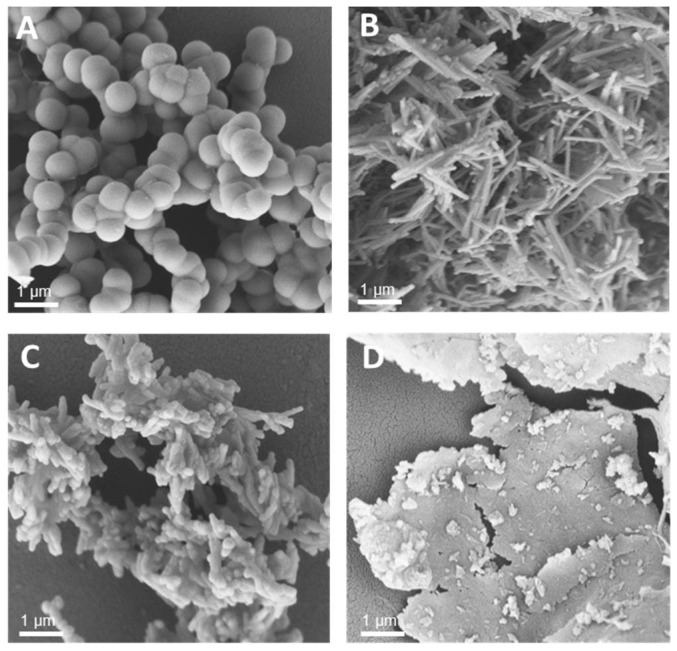
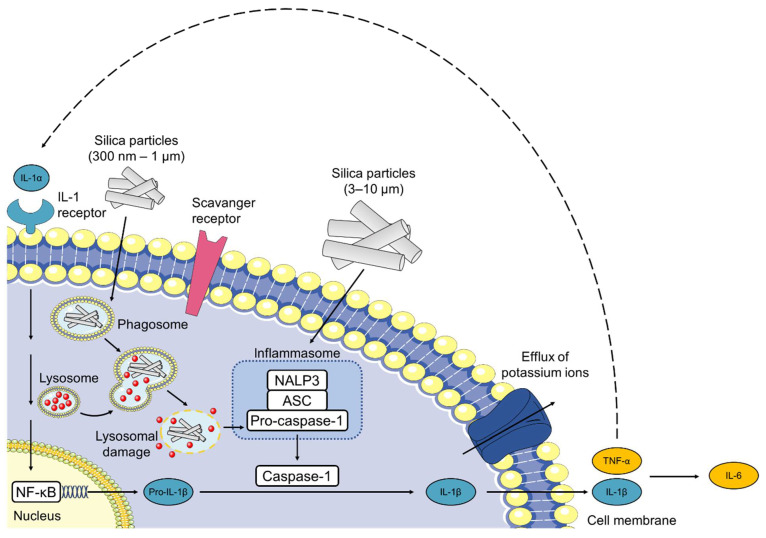
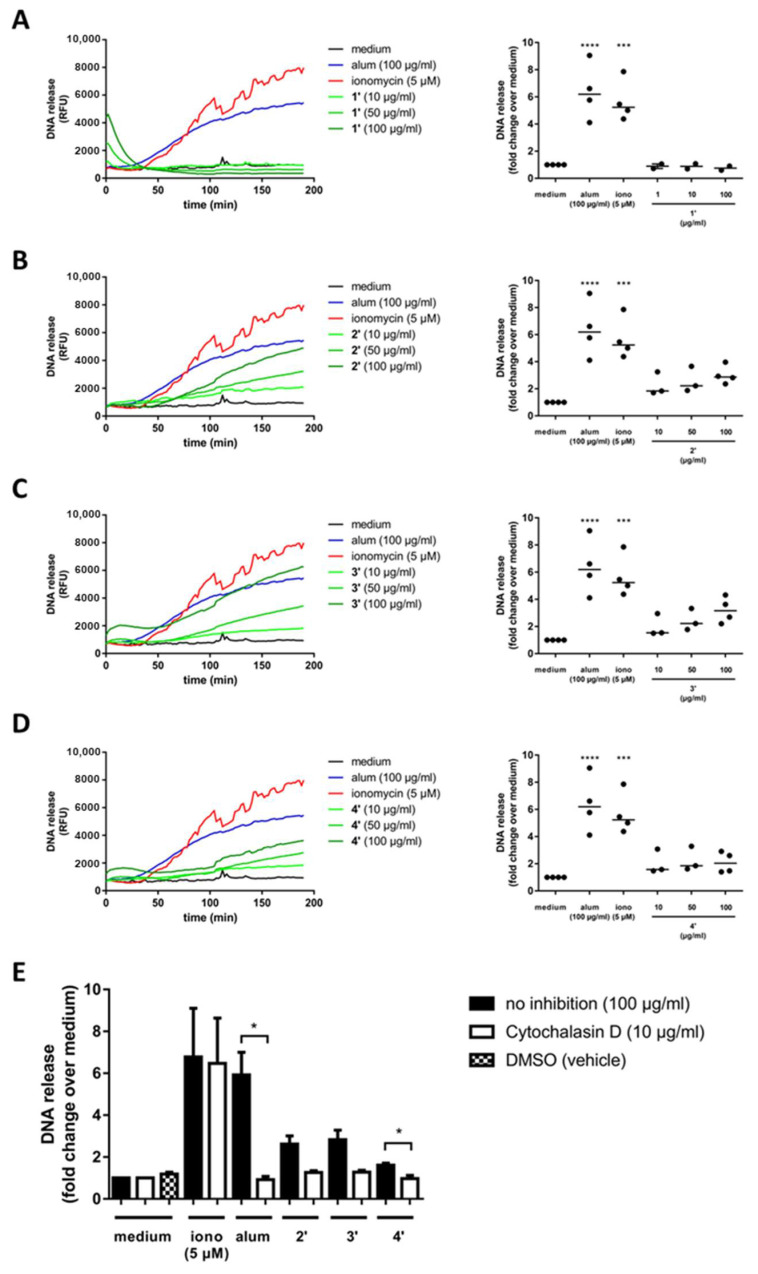
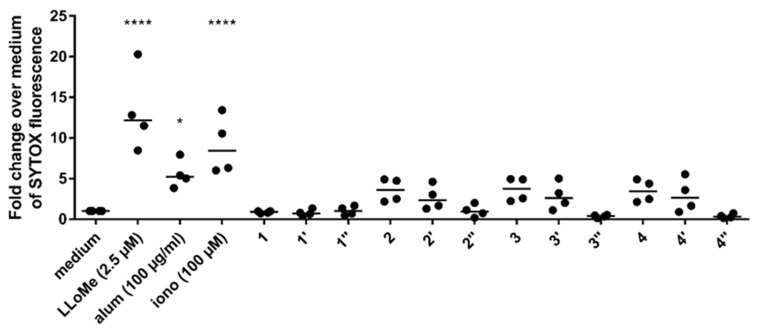
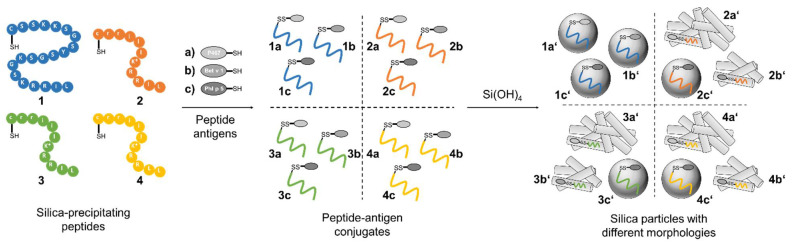
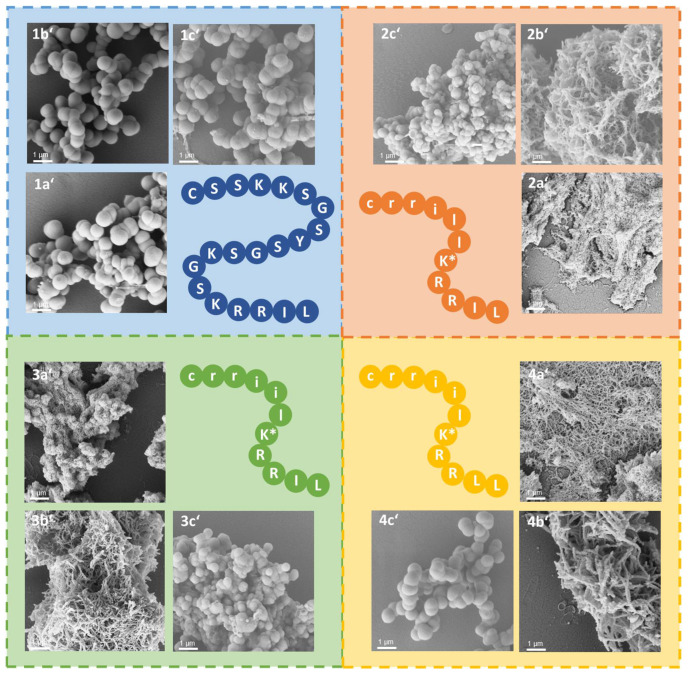
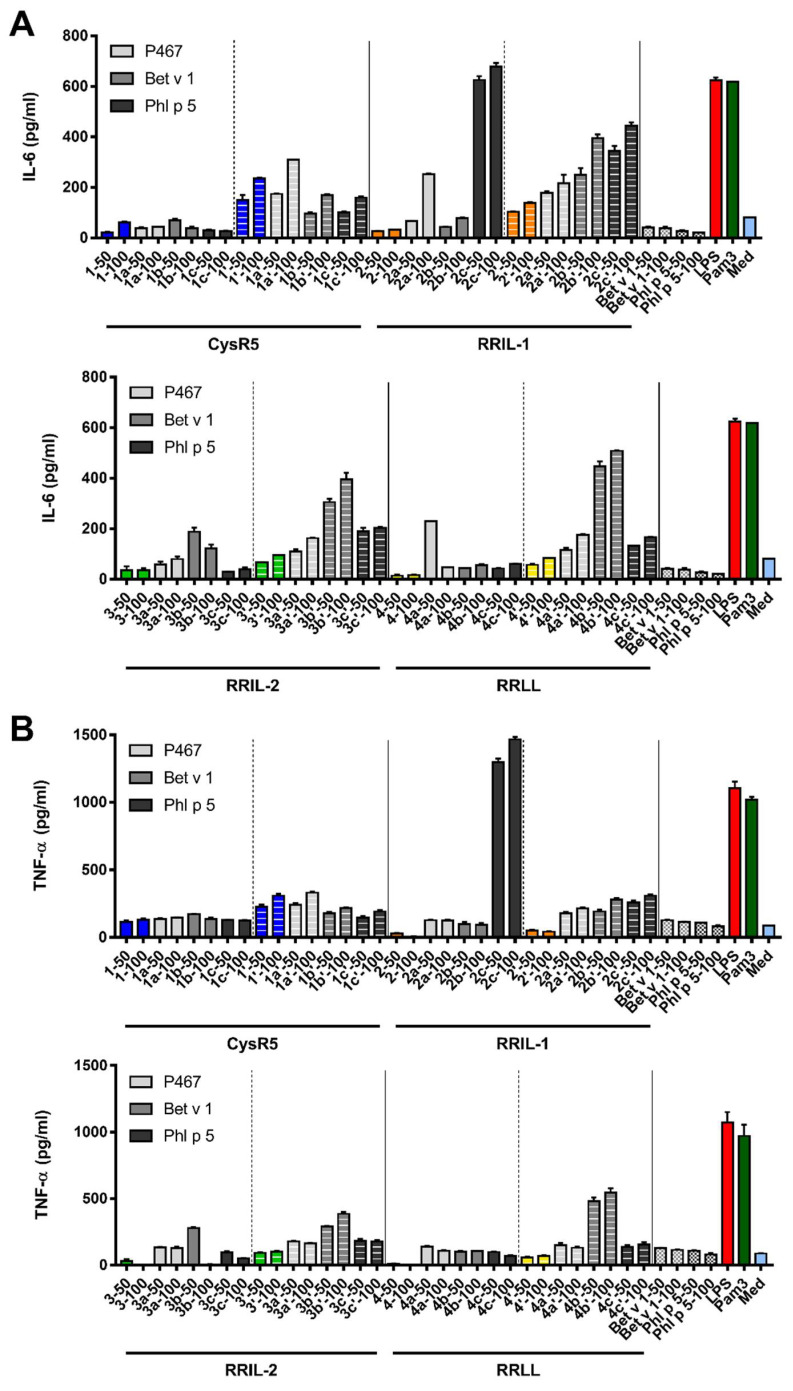
Nature offers a wide range of evolutionary optimized materials that combine unique properties with intrinsic biocompatibility and that can be exploited as biomimetic materials. The R5 and RRIL peptides employed here are derived from silaffin proteins that play a crucial role in the biomineralization of marine diatom silica shells and are also able to form silica materials in vitro. Here, we demonstrate the application of biomimetic silica particles as a vaccine delivery and adjuvant platform by linking the precipitating peptides R5 and the RRIL motif to a variety of peptide antigens. The resulting antigen-loaded silica particles combine the advantages of biomaterial-based vaccines with the proven intracellular uptake of silica particles. These particles induce NETosis in human neutrophils as well as IL-6 and TNF-α secretion in murine bone marrow-derived dendritic cells.
自然界提供了多种经过进化优化的材料,这些材料兼具独特性能与内在生物相容性,可作为仿生材料加以利用。本文所使用的R5和RRIL肽源自硅蛋白,硅蛋白在海洋硅藻硅壳的生物矿化过程中发挥着关键作用,并且在体外也能够形成硅材料。在此,我们通过将沉淀肽R5和RRIL基序与多种肽抗原相连,展示了仿生硅颗粒作为疫苗递送和佐剂平台的应用。所得的负载抗原的硅颗粒结合了基于生物材料的疫苗的优势以及已证实的硅颗粒细胞内摄取特性。这些颗粒可诱导人类中性粒细胞发生中性粒细胞胞外诱捕网形成,以及小鼠骨髓来源的树突状细胞分泌白细胞介素-6和肿瘤坏死因子-α。