Li Zhili, Sun Jingshuai, Li Kebiao, Qin Jiali, Sun Yanmei, Zeng Jianhua, El-Ashram Saeed, Zhao Yunxiang
College of Life Science and Engineering, Foshan University, Foshan, China.
College of Animal Science, South China Agricultural University, Guangzhou, China.
Front Vet Sci. 2023 Jan 6;9:1078928. doi: 10.3389/fvets.2022.1078928. eCollection 2022.
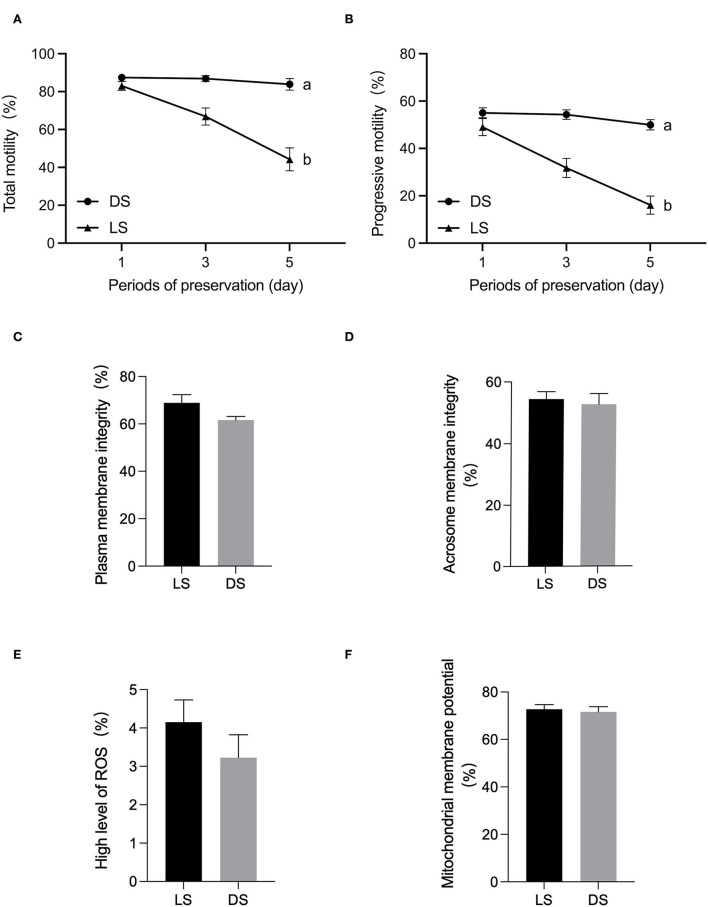
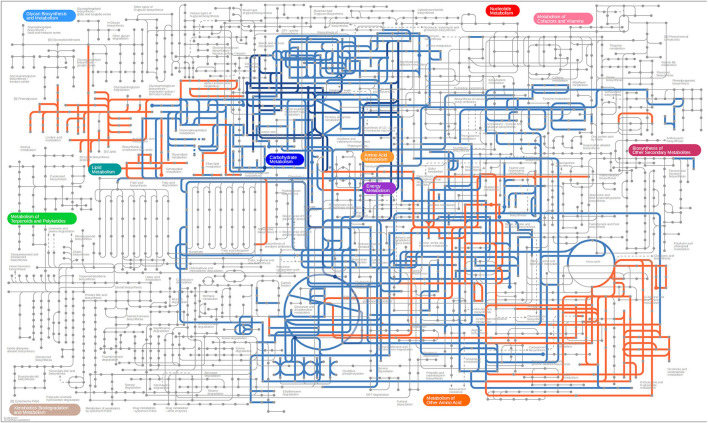
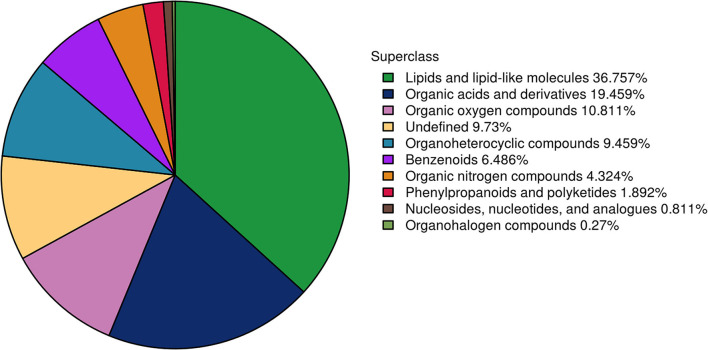
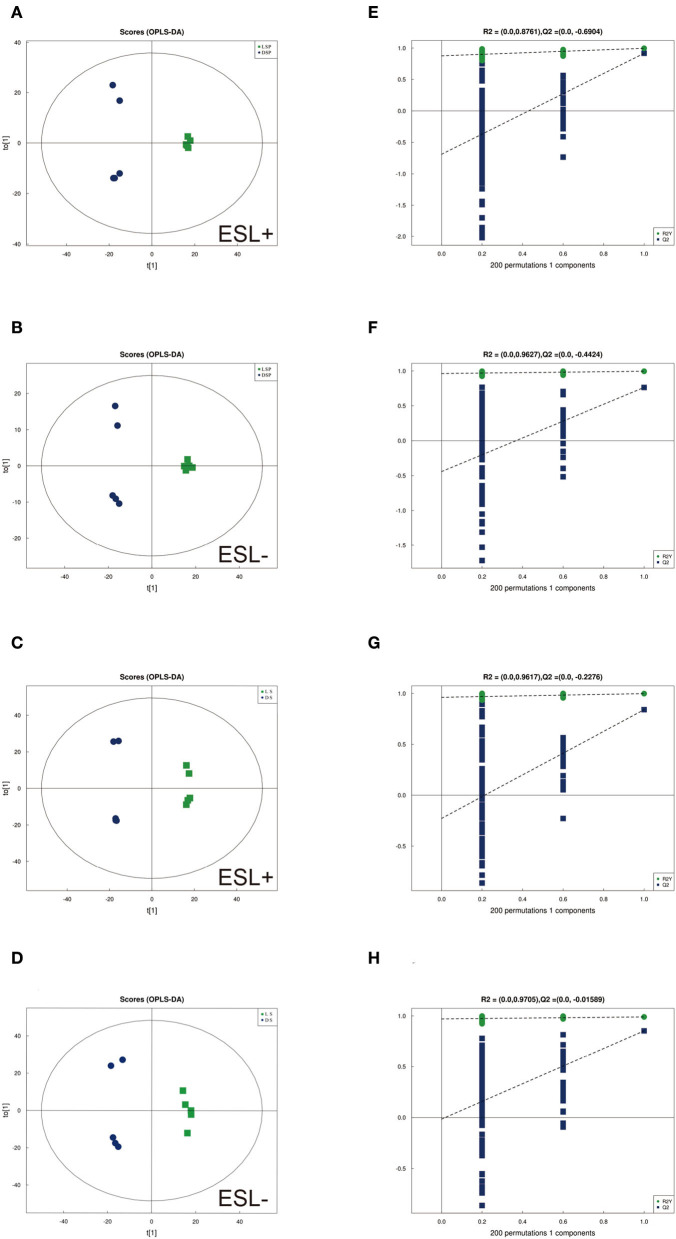
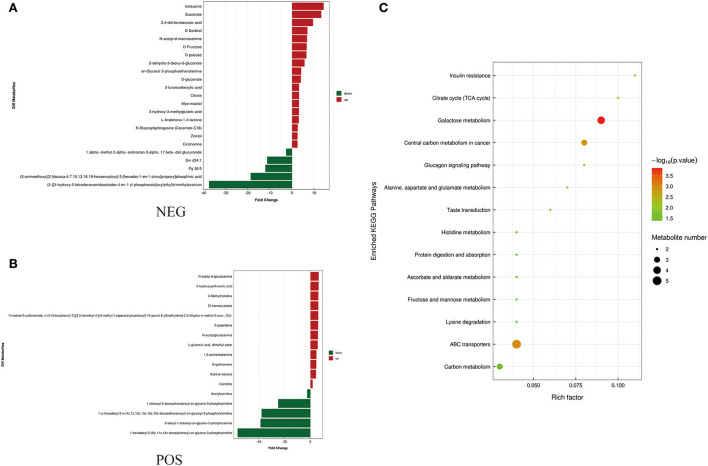
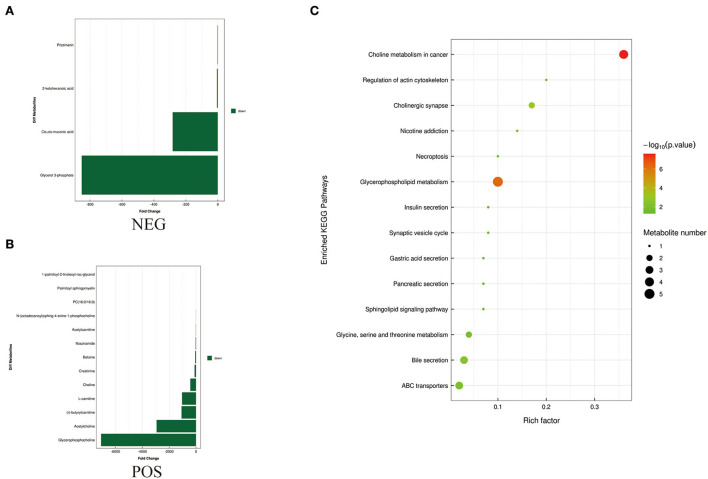
The Liang guang Small-spotted pig is a well-known Chinese indigenous pig that is valued for its exceptional meat quality. However, the Liang guang Small-spotted pig has a lower semen storage capacity, shorter storage time and worse semen quality compared to Duroc. Pig sperm used for artificial insemination (AI) loses part of vitality and quality when being stored in commercial solutions. Serious vitality losses and short shelf life of the semen are particularly prominent in Liang guang Small-spotted pig. In this study, the metabolites in seminal plasma and spermatozoa of Duroc and Liang guang Small-spotted pigs were identified using UHPLC-Q-TOF/MS technology. The findings indicated forty distinct metabolites concentrating on energy metabolic substrates and antioxidant capacity in Liang guang Small-spotted pig and Duroc seminal plasma, including D-Fructose, succinate, 2-dehydro-3-deoxy-d-gluconate, alanine betaine, citrate, carnitine, acetylcarnitine and so on. Seventeen different metabolites were explored, with a focus on glycerophospholipid metabolism in Liang guang Small-spotted pig and Duroc spermatozoa, primarily including glycerol 3-phosphate, acetylcarnitine, phosphatidylcholine (PC) 16:0/16:0, palmitoyl sphingomyelin, acetylcholine, choline, glycerophosphocholine, betaine, L-carnitine, creatinine and others. This study reveals the metabolite profile of spermatozoa and seminal plasma among different pig breeds and might be valuable for understanding the mechanisms that lead to sperm storage capacity. Metabolites involved in energy metabolism, antioxidant capacity and glycerophospholipid metabolism might be key to the poor sperm storage capacity in Liang guang Small-spotted pig.
两广小花猪是中国著名的本土猪种,因其肉质优良而受到重视。然而,与杜洛克猪相比,两广小花猪的精液储存能力较低,储存时间较短,精液质量较差。用于人工授精(AI)的猪精子在商业溶液中储存时会失去部分活力和质量。精液活力严重丧失和保质期短在两广小花猪中尤为突出。在本研究中,采用超高效液相色谱-四极杆飞行时间质谱(UHPLC-Q-TOF/MS)技术鉴定了杜洛克猪和两广小花猪精液和精子中的代谢物。研究结果表明,在两广小花猪和杜洛克猪精液中,有40种不同的代谢物集中在能量代谢底物和抗氧化能力方面,包括D-果糖、琥珀酸、2-脱氢-3-脱氧-D-葡萄糖酸、丙氨酸甜菜碱、柠檬酸、肉碱、乙酰肉碱等。在两广小花猪和杜洛克猪精子中,探索了17种不同的代谢物,重点是甘油磷脂代谢,主要包括3-磷酸甘油、乙酰肉碱、磷脂酰胆碱(PC)16:0/16:0、棕榈酰鞘磷脂、乙酰胆碱、胆碱、甘油磷酸胆碱、甜菜碱、左旋肉碱、肌酐等。本研究揭示了不同猪种精子和精液中的代谢物谱,可能有助于理解导致精子储存能力差异的机制。参与能量代谢、抗氧化能力和甘油磷脂代谢的代谢物可能是两广小花猪精子储存能力差的关键因素。