Wavhale Ravindra D, Dhobale Kshama D, Rahane Chinmay S, Chate Govind P, Tawade Bhausaheb V, Patil Yuvraj N, Gawade Sandesh S, Banerjee Shashwat S
Central Research Laboratory, Maharashtra Institute of Medical Education and Research, Talegaon Dabhade, Pune, 410507, India.
Department of Surgery, Maharashtra Institute of Medical Education and Research, Talegaon Dabhade, Pune, 410507, India.
Commun Chem. 2021 Nov 18;4(1):159. doi: 10.1038/s42004-021-00598-9.
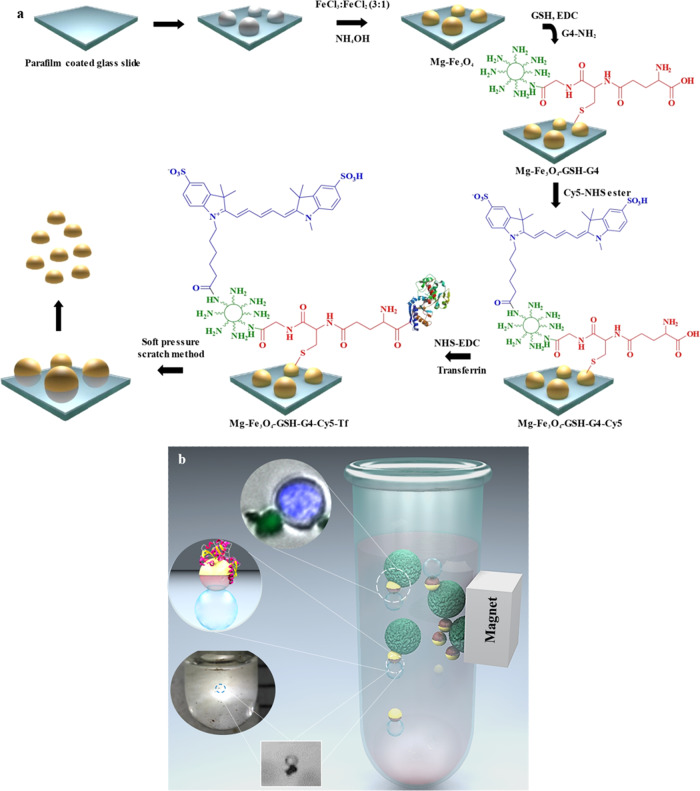
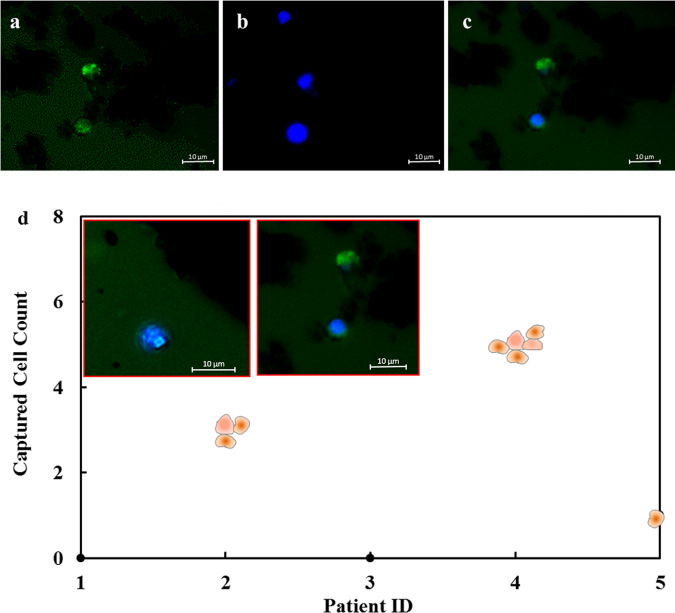
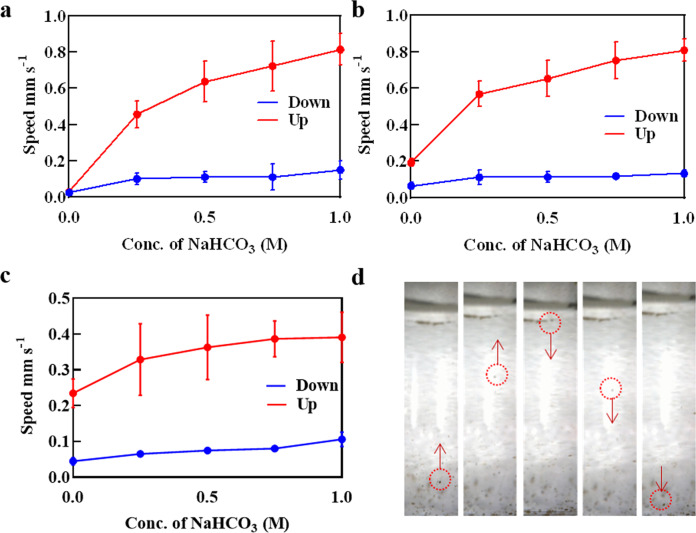
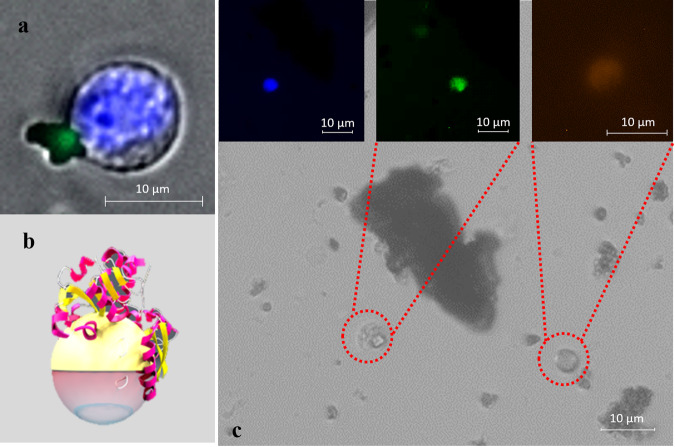
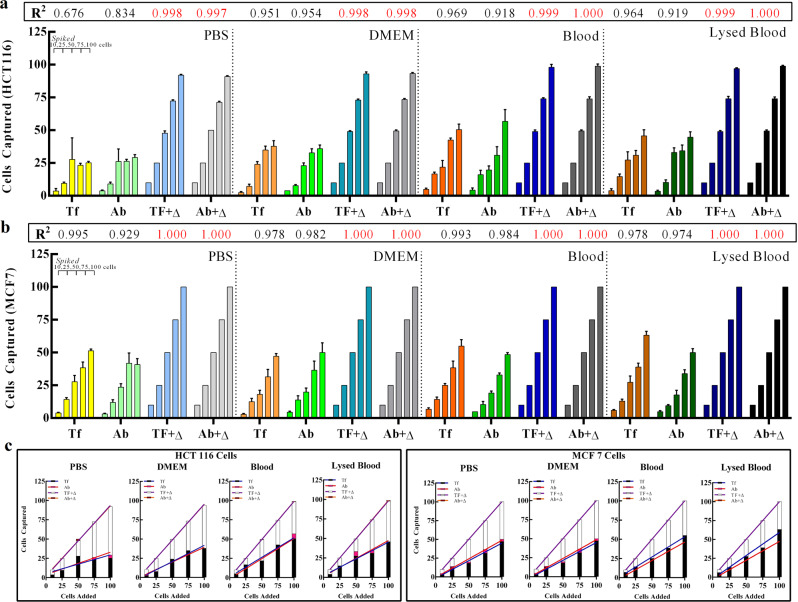
Nanosized robots with self-propelling and navigating capabilities have become an exciting field of research, attributable to their autonomous motion and specific biomolecular interaction ability for bio-analysis and diagnosis. Here, we report magnesium (Mg)-FeO-based Magneto-Fluorescent Nanorobot ("MFN") that can self-propel in blood without any other additives and can selectively and rapidly isolate cancer cells. The nanobots viz; Mg-FeO-GSH-G4-Cy5-Tf and Mg-FeO-GSH-G4-Cy5-Ab have been designed and synthesized by simple surface modifications and conjugation chemistry to assemble multiple components viz; (i) EpCAM antibody/transferrin, (ii) cyanine 5 NHS (Cy5) dye, (iii) fourth generation (G4) dendrimers for multiple conjugation and (iv) glutathione (GSH) by chemical conjugation onto one side of Mg nanoparticle. The nanobots propelled efficiently not only in simulated biological media, but also in blood samples. With continuous motion upon exposure to water and the presence of FeO shell on Mg nanoparticle for magnetic guidance, the nanobot offers major improvements in sensitivity, efficiency and speed by greatly enhancing capture of cancer cells. The nanobots showed excellent cancer cell capture efficiency of almost 100% both in serum and whole blood, especially with MCF7 breast cancer cells.
具有自推进和导航能力的纳米机器人已成为一个令人兴奋的研究领域,这归因于它们的自主运动以及用于生物分析和诊断的特定生物分子相互作用能力。在此,我们报告了基于镁(Mg)-氧化亚铁的磁荧光纳米机器人(“MFN”),它无需任何其他添加剂即可在血液中自行推进,并且能够选择性地快速分离癌细胞。通过简单的表面修饰和共轭化学设计并合成了纳米机器人,即Mg-FeO-GSH-G4-Cy5-Tf和Mg-FeO-GSH-G4-Cy5-Ab,以组装多种成分,即:(i)上皮细胞黏附分子抗体/转铁蛋白,(ii)花青素5 NHS(Cy5)染料,(iii)用于多次共轭的第四代(G4)树枝状聚合物,以及(iv)通过化学共轭连接到镁纳米颗粒一侧的谷胱甘肽(GSH)。这些纳米机器人不仅在模拟生物介质中,而且在血液样本中都能高效推进。由于暴露于水时能持续运动,且镁纳米颗粒上存在氧化亚铁壳用于磁引导,这种纳米机器人通过大大提高癌细胞捕获率,在灵敏度、效率和速度方面有了重大改进。这些纳米机器人在血清和全血中都显示出几乎100%的优异癌细胞捕获效率,尤其是对MCF7乳腺癌细胞。